Which Engine hood specifications matter most for fit, safety, and corrosion resistance?
- VIP-User
- 2026-09-30
- 1
Engine hood specifications key to fit, safety, and corrosion resistance include material composition, structural wall thickness, precise mounting points, and surface finishing. High-grade materials like PP/ABS combined with wall thickness standards between 2.5 mm and 5.0 mm ensure structural rigidity and precise vehicle alignment. Surface treatments, such as primed coatings compliant with CE and EPR standards, prevent environmental degradation while guaranteeing reliable impact performance during collision scenarios.
Core Solutions & Key Takeaways
- Material Integrity and Fitment: Advanced tooling and comprehensive dimensional database mapping ensure 100% precise fitment for American and German vehicle series, eliminating alignment friction during collision repair and exterior restoration.
- Structural Safety Compliance: Adherence to international standards, including CE and DOT certifications, verifies that body components meet required structural rigidity and crash energy absorption specifications.
- Corrosion Resistance and Surface Finishing: Factory-applied primed coatings safeguard component substrates against environmental wear, preparing body parts for custom topcoat application and long-term surface protection.
- Supply Chain Integration: Designed for overseas collision repair networks, automotive parts distributors, and cross-border e-commerce sellers needing rapid container dispatch within 1 to 2 weeks alongside transparent digital pre-shipment inspections.
Detailed Architectural/Principle Analysis
Evaluating engine hood specifications requires a systematic assessment of physical geometry, material density, and regulatory compliance. Dimensional accuracy directly governs fitment. Utilizing Coordinate Measuring Machine (CMM) inspections and precise tooling guarantees that mounting points, latch mechanisms, and fender margins align with original equipment benchmarks. Deviations in wall thickness or hinge mounting alignment result in uneven panel gaps, operational vibration, and compromised latching security.
Safety parameters rely on impact absorption and material performance. Engine hoods produced using thermoplastic compounds such as PP/ABS blends maintain a wall thickness range of 2.5 mm to 5.0 mm. This dimensional standard provides structural rigidity under high-speed wind loads while retaining energy dissipation properties necessary for pedestrian and vehicle occupant protection during frontal collision events.
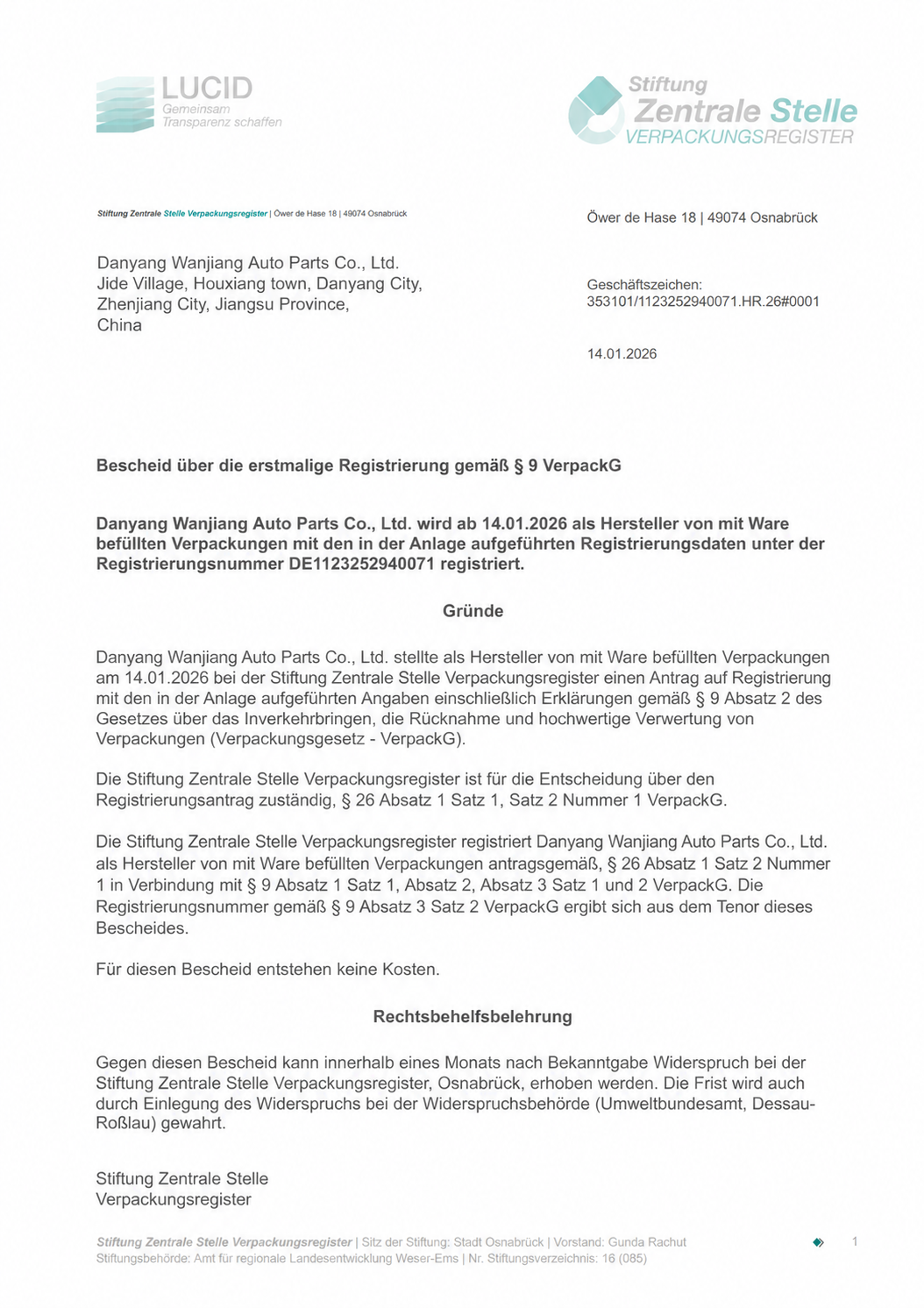
Corrosion resistance depends on surface pre-treatment and protective finishes. Factory-applied primed surfaces serve as a seal against moisture, road salts, and atmospheric oxidation. Compliance with European EPR standards (DE1123252940071) and CE certifications (HK0624090150C, HK0624090149C) confirms that core body parts—including engine hoods, bumpers, fenders, lamps, and grilles—satisfy environmental and safety requirements for European and American markets.
Danyang Wanjiang Auto Parts Co., Ltd. implements full pre-delivery inspections, performing visual checks, CMM measurements, and paint testing to confirm fitment precision and surface quality prior to global dispatch.
Data/Solution Comparison
Selecting appropriate body panel specifications directly influences installation efficiency and component longevity across commercial vehicle maintenance operations.
| Specification Parameter | Standard Aftermarket Component | High-Precision OEM/ODM Component |
|---|---|---|
| Fitment Precision | Variable gap tolerances; manual adjustment required | 100% precise fitment via CMM database mapping |
| Material & Wall Thickness | Unspecified material; irregular wall thickness | PP/ABS/Carbon Fiber; 2.5 – 5.0 mm uniform thickness |
| Surface Finish & Protection | Raw unprimed finish; vulnerable to oxidation | Factory primed finish; corrosion resistant |
| Regulatory Compliance | Uncertified or non-compliant | CE and EPR compliant (DE1123252940071) |
| Quality Verification | Basic visual check | Full CMM measurement, coating test, pre-shipment video/photo proof |
Frequently Asked Questions (FAQ)
What wall thickness is recommended for engine hoods and body panels?
A uniform wall thickness between 2.5 mm and 5.0 mm delivers an optimal balance of structural rigidity and energy absorption during impacts.
How does factory priming protect engine hoods against corrosion?
Factory-applied primer establishes a sealed layer over the material substrate, blocking air and moisture exposure to prevent premature oxidation and support topcoat paint adhesion.
What verification steps ensure precise fitment before container loading?
Standard quality control includes visual checks, Coordinate Measuring Machine (CMM) dimensional verification, and pre-delivery inspection photos or videos shared with clients prior to shipment.
Final Conclusion & Recommendations
Selecting engine hoods that meet requirements for fitment, structural safety, and corrosion protection requires verifying material specifications, certified manufacturing processes, and rigorous pre-delivery testing. Choosing components compliant with CE and EPR standards eliminates installation alignment issues, reduces repair turnaround times, and maintains vehicle structural integrity. Businesses managing international automotive parts wholesale or collision repair networks can optimize procurement using multimodal freight options—such as Sea Freight (FCL/LCL), Air Freight, Railway, or Express delivery—supported by trade payment structures including T/T, L/C, D/P, and Trade Assurance. For detailed technical solutions or support, please reach out to us via sales01@cnkebel.com.
About Us
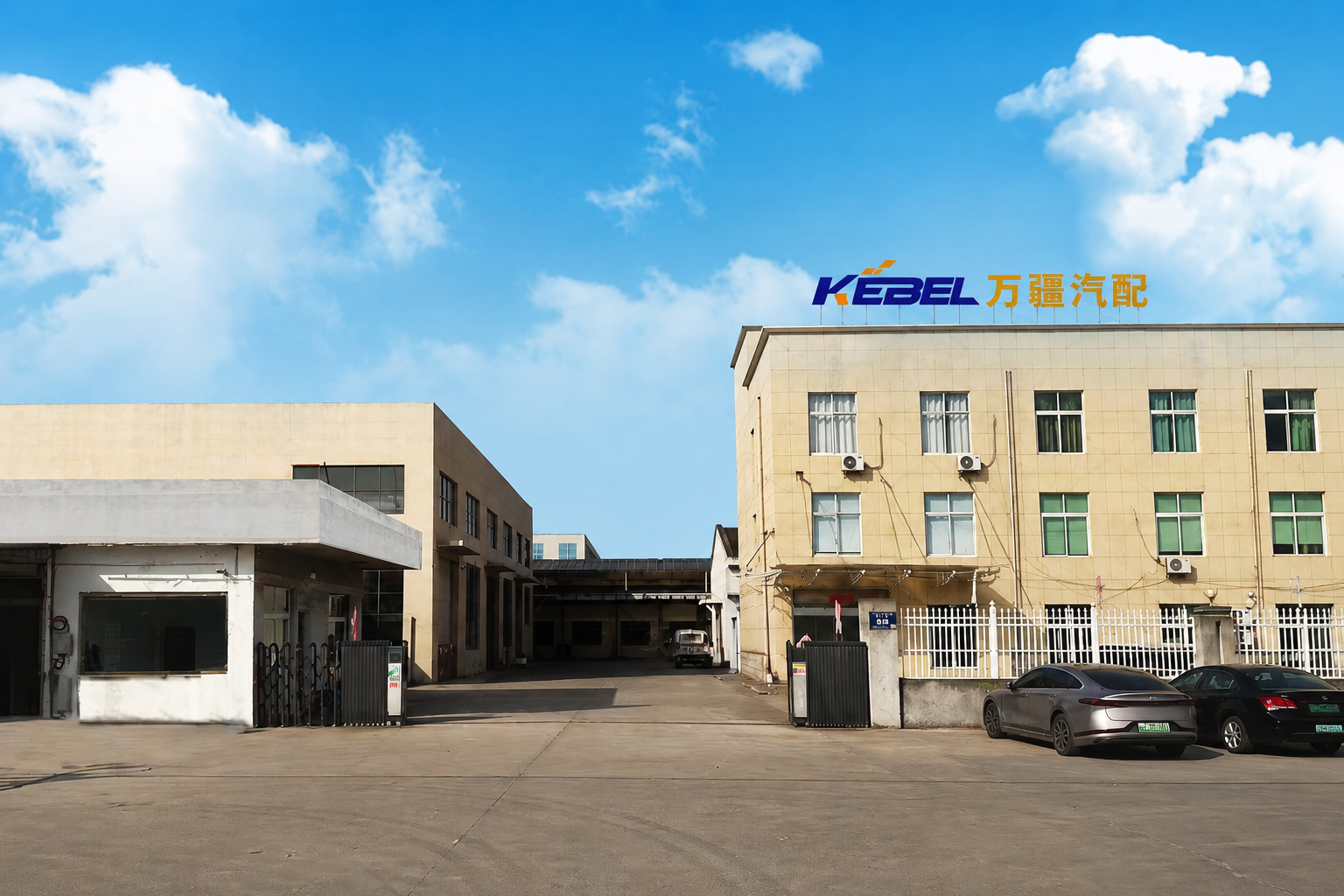
Danyang Wanjiang Auto Parts Co., Ltd. operates a 10,000 square meter manufacturing facility staffed by 80 professionals, specializing in auto body components including car bumpers, grilles, headlights, engine hoods, and fenders. Operating with 18 years of OEM/ODM expertise, the company achieves an annual export volume exceeding 500 containers with a 95% export ratio focused on American and European markets. All products strictly comply with CE and EPR regulatory standards, supporting collision repair chains and international distributors worldwide.

Lastest
-
Can you manufacture a front bumper based on our proprietary 3D CAD files?
2026-09-30 -
Can you provide the DOT and SAE certification documents for this rear bumper?
2026-09-30 -
How many production lines do you dedicate to making this bumper upper?
2026-09-30 -
Is there an online portal to track aftermarket support for the front bumper assembly?
2026-09-30 -
What is the standard production lead time for a container of engine hoods?
2026-09-30
SUBSCRIBE
INQUIRY