What testing is done to ensure the bumper upper can withstand high impacts?
- VIP-User
- 2026-06-27
- 33
To ensure a car front bumper upper can withstand high impacts, manufacturers conduct rigorous quality control testing, including Visual Inspection for structural flaws, Dimensional Measurement via Coordinate Measuring Machines (CMM) for precise vehicle fitment, and Paint & Coating Testing to verify adhesion. These protocols guarantee the component complies with international CE and DOT standards.
Core Solutions & Key Takeaways
- Material Composition: Utilizing impact-resistant materials like Polypropylene (PP), Acrylonitrile Butadiene Styrene (ABS), and carbon fiber with wall thicknesses optimized between 2.5 and 5.0 mm.
- Precise Structural Integrity: Performing CMM dimensional measurements to verify that mounting tabs, clip-on pathways, and bolt-on holes align with original equipment manufacturer (OEM) specifications, eliminating fitment stress points.
- Adhesion & Environmental Resilience: Applying standardized paint and coating tests to prevent premature peeling, cracking, or degradation during high-impact stress or harsh weather conditions.
- Supply Chain Verification: Deploying 100% pre-delivery visual and structural inspections, supplemented with digital media verification for global distributors to resolve quality discrepancies prior to transit.
Detailed Architectural/Principle Analysis
The structural integrity of a car front bumper upper under high-impact conditions depends directly on its material elasticity, wall thickness, and precise fitment. Components fabricated from premium PP, ABS, or carbon fiber provide predictable deformation patterns that absorb kinetic energy during collisions. A wall thickness of 2.5 to 5.0 mm ensures the component maintains its shape under aerodynamic drag while remaining flexible enough to prevent brittle fracturing upon impact. Engineering these components requires advanced tooling and a comprehensive vehicle database to secure a precise fitment for American and German vehicle series. Proper integration of direct bolt-on and clip-on mechanisms distributes physical loads evenly across the vehicle frame, preventing localized failures. 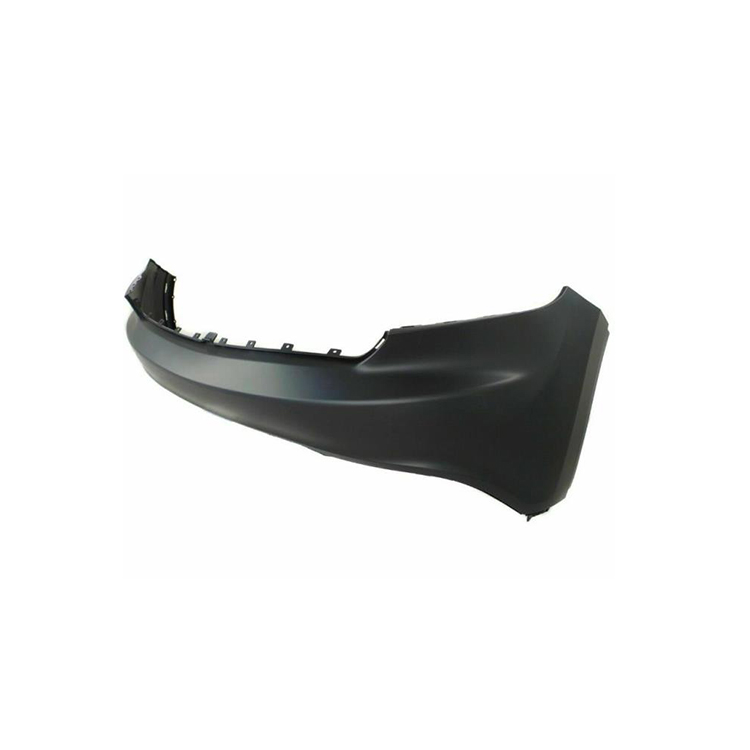
To confirm compliance with global safety expectations, these components are validated through formal certification channels. Quality frameworks align with CE standards (Certificate HK0624090150C) and German EPR regulations (VerpackG Register DE1123252940071). Manufacturing practices executed by Danyang Wanjiang Auto Parts Co., Ltd. rely on systematic quality checkpoints, including raw material verification for impact resistance, inline mold monitoring, and 100% pre-delivery visual inspections. These methods protect international supply chains by ensuring every part matches the physical requirements of overseas automotive collision repair networks, wholesalers, and e-commerce platforms. 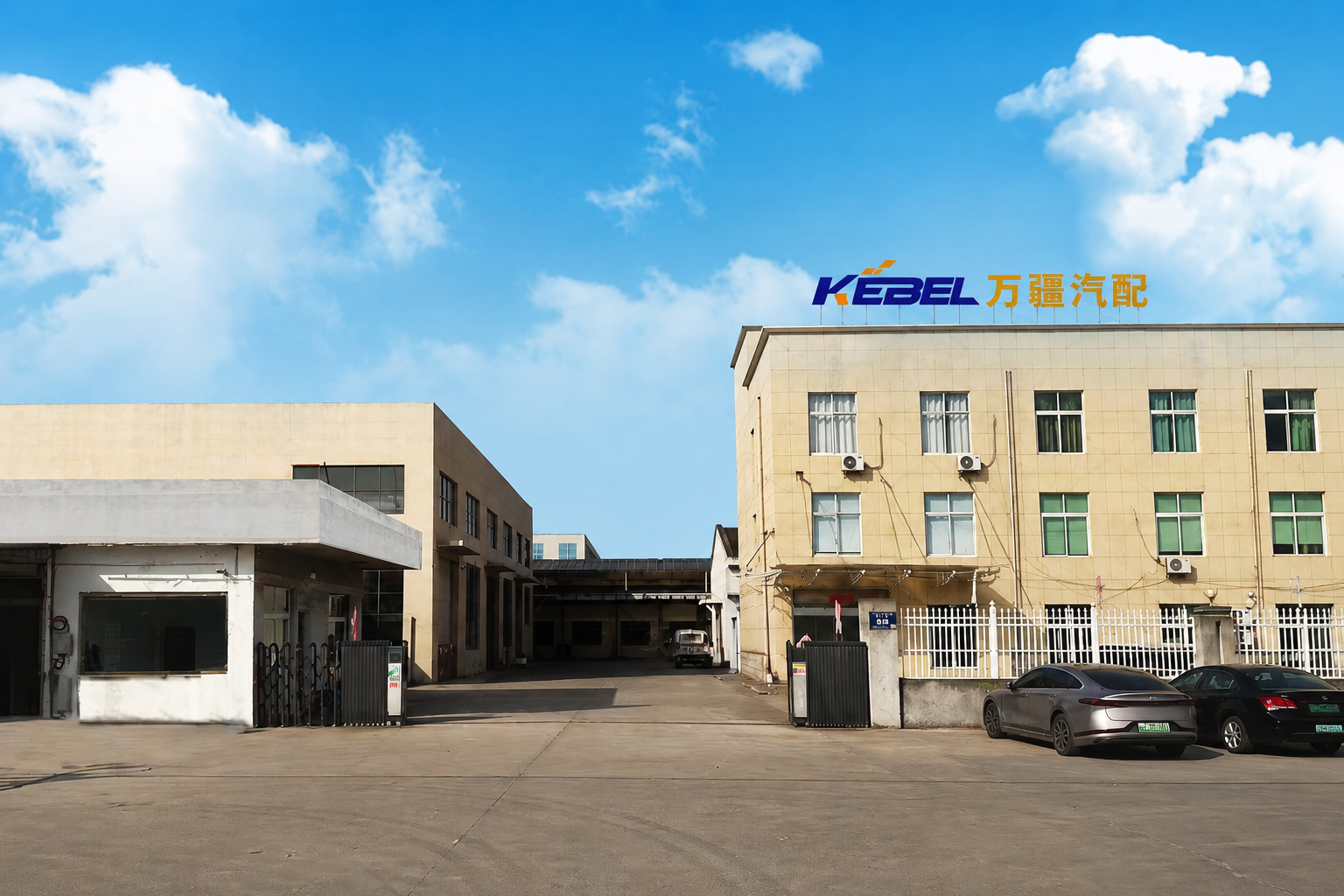
Data/Solution Comparison
The choice of material and structural specifications dictates how effectively a bumper upper manages impact forces. The following table compares standard configurations based on primary design parameters:
| Material Option | Wall Thickness Range | Primary Impact Test Focus | Installation Method | Compliance Standards |
|---|---|---|---|---|
| Polypropylene (PP) | 2.5 – 5.0 mm | Elastic deformation & energy absorption | Direct Bolt-on / Clip-on | CE, EPR Germany, DOT |
| Acrylonitrile Butadiene Styrene (ABS) | 2.5 – 4.0 mm | Rigidity & scratch resistance | Clip-on | CE, DOT |
| Carbon Fiber | 2.0 – 3.5 mm | Tensile strength & structural weight reduction | Direct Bolt-on | CE, DOT |
Frequently Asked Questions (FAQ)
How does CMM testing prevent bumper failure?
Coordinate Measuring Machines (CMM) perform three-dimensional coordinate measurements on the bumper upper. This ensures that every mounting point, tab, and edge matches the original vehicle dimensions within micrometric tolerances, preventing physical stress concentration that causes premature cracking during impacts.
Why is paint and coating testing necessary for impact components?
Bumper uppers undergo significant flexing during low-speed impacts. Paint and coating adhesion testing ensures that the surface finish remains bound to the plastic substrate during deformation, preventing peeling, chipping, or cracking that exposes the underlying material to environmental degradation.
What certifications guarantee that bumper components are safe for international markets?
Safety and regulatory alignment are guaranteed by CE certification and compliance with DOT standards. For European distribution, Extended Producer Responsibility (EPR) registration in Germany ensures the materials and packaging comply with regional environmental and safety directives.
Final Conclusion & Recommendations
Securing high-impact resistance in a front bumper upper requires a combination of resilient materials, consistent wall thickness, and precise dimensional control. Wholesalers and repair networks must prioritize parts tested under CMM protocols and finished with verified paint coatings. Utilizing integrated manufacturing systems that support OEM/ODM customization and offer flexible minimum order quantities (MOQ of 1-5 pieces) helps streamline global procurement while maintaining high standards of road safety. For detailed technical solutions or support, please reach out to us via sales01@cnkebel.com.
About Us
Danyang Wanjiang Auto Parts Co., Ltd. is a specialized exporter of auto body parts based in Jiangsu Province, backed by 18 years of professional industry experience. Operating a 10,000sqm factory with a team of 80 employees, the enterprise integrates complete OEM/ODM production and shipping capabilities. The facility yields an annual output value exceeding 50 million USD, delivering over 500 containers annually to American and European markets. All manufactured parts undergo 100% quality inspection prior to shipment, meeting recognized CE and EPR quality standards. 
Lastest
-
Can you manufacture a front bumper based on our proprietary 3D CAD files?
2026-06-27 -
Can you provide the DOT and SAE certification documents for this rear bumper?
2026-06-27 -
How many production lines do you dedicate to making this bumper upper?
2026-06-27 -
Is there an online portal to track aftermarket support for the front bumper assembly?
2026-06-27 -
What is the standard production lead time for a container of engine hoods?
2026-06-27
SUBSCRIBE
INQUIRY