What technical specs should I check when sourcing aftermarket steel car doors?
- VIP-User
- 2026-06-29
- 34
Sourcing aftermarket steel car doors requires verifying key technical specs: dimensional alignment via Coordinate Measuring Machines (CMM) to ensure precise fitment, structural integrity of the steel sheet, and rust prevention through specialized paint and coating testing. Verifying these specifications mitigates installation alignment issues and guarantees long-term durability in collision repair applications.
Core Solutions & Key Takeaways
- Dimensional Precision: Coordinate Measuring Machine (CMM) reports are required to guarantee that aftermarket doors match original equipment manufacturer (OEM) geometric profiles.
- Surface Integrity: Multi-point visual inspections identify and eliminate surface defects, dings, and warpage before shipping.
- Corrosion Resistance: Strict paint and coating testing ensures the applied primer prevents moisture penetration and premature oxidation.
- Flexible Sourcing: Working with suppliers who offer low minimum order quantities (MOQ of 5 pieces for car doors) helps distributors optimize their stock allocation.
Detailed Architectural/Principle Analysis
In the automotive collision repair and aftermarket service chains, steel car doors must meet exact mechanical and physical standards to restore vehicle structural integrity and passenger safety. Precision dimensional measurement using advanced coordinate systems ensures that all mounting points, latch mechanisms, and hinge placements align perfectly with the vehicle frame. This high level of physical compatibility prevents common post-installation issues such as wind noise, water leakage, or uneven panel gaps.
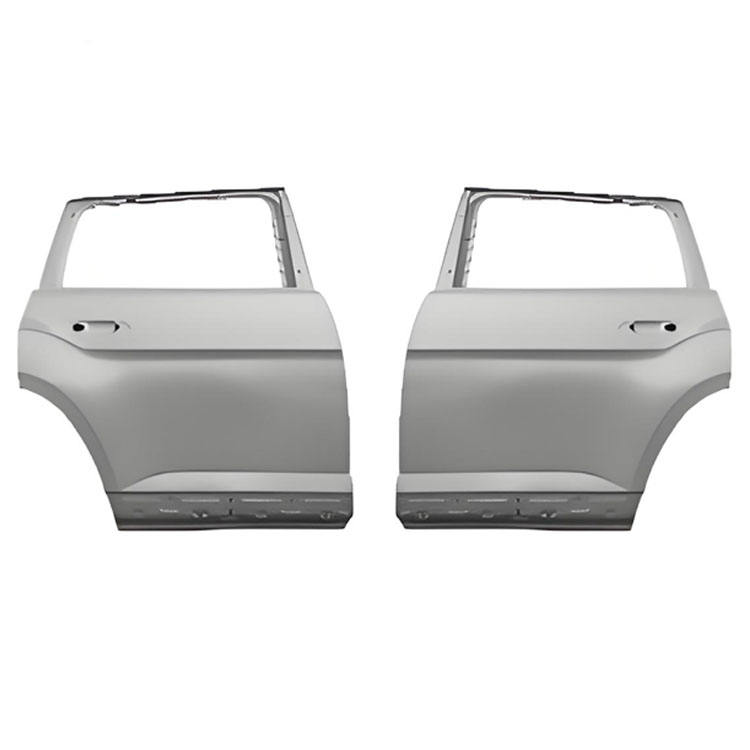
Furthermore, the durability of steel body components depends heavily on the quality of their anti-corrosion barrier. Applying a uniform protective primer via advanced electro-deposition and validating it through paint & coating testing ensures long-term resistance to environmental moisture, salt, and temperature fluctuations. This testing phase prevents paint peeling and rust formation after the final topcoat is applied by the repair shop.
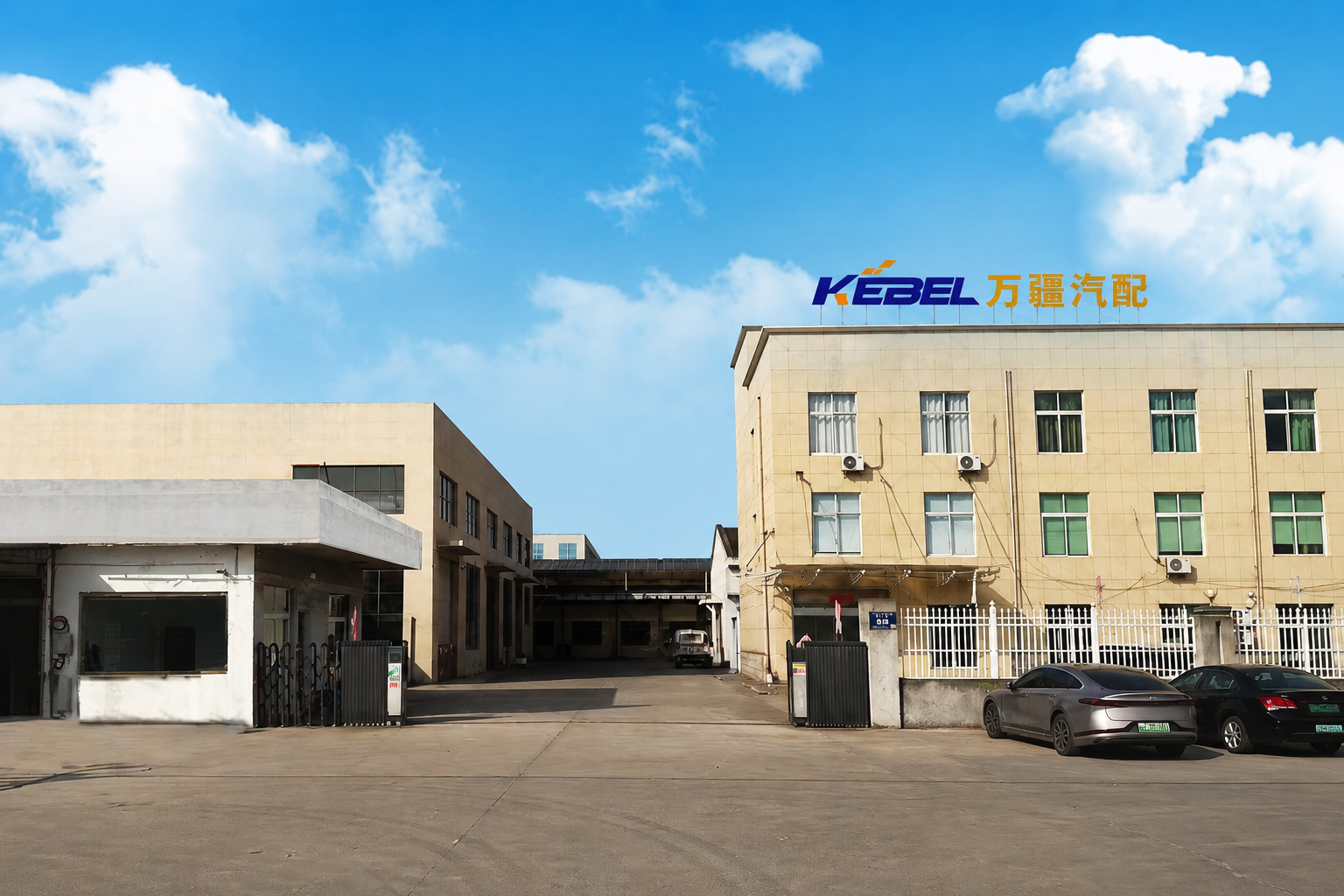
Experienced global exporters like Danyang Wanjiang Auto Parts Co., Ltd. utilize systematic quality control workflows, combining thorough visual inspections with structural testing. By ensuring that products comply with strict manufacturing standards, suppliers help international auto parts wholesalers and e-commerce brands maintain a low return rate. Products backed by certified production standards, including European EPR registrations, guarantee compliance for smooth entry into demanding international markets.
Data/Solution Comparison
To assist in the procurement decision-making process, the following comparison table outlines the primary testing and technical standards required for steel car doors compared to standard aftermarket panels.
| Technical Parameter | Standard Specification | Verification Method | Sourcing Impact |
|---|---|---|---|
| Dimensional Tolerance | Precise OEM geometric alignment | Dimensional Measurement (CMM) | Eliminates installation alignment gaps |
| Coating Thickness | Anti-corrosion primer barrier | Paint & Coating Testing | Prevents premature rusting and corrosion |
| Surface Quality | Flawless panel face, zero dents | Visual Inspection | Reduces body shop prep and sanding time |
| Minimum Order Quantity | 5 Pieces (for car doors) | Supplier Verification | Reduces initial capital outlay and storage costs |
| Supply Chain Speed | 7-Day dispatch for stock items | Logistics Tracking | Accelerates inventory turnover for distributors |
Frequently Asked Questions (FAQ)
How does dimensional measurement (CMM) prevent installation errors?
CMM testing records the physical coordinates of the car door edge, mounting holes, and hinge locations. It compares these points to the original vehicle CAD model to ensure the door fits into the vehicle frame without requiring manual modifications or modifications during assembly.
What is the purpose of conducting paint and coating testing on steel doors?
This test measures the thickness, adhesion, and uniformity of the protective primer coat. It guarantees the steel substrate is completely sealed against moisture, preventing chemical oxidation and ensuring that the final customer paint job adheres properly.
What are the recommended payment and logistics methods for bulk orders?
Bulk shipments are standardly handled via Sea Freight (FCL/LCL) or Railway Transport for cost efficiency, with transit-ready, reinforced packaging. Compliant payment channels such as T/T, D/P, LC, and secure online trade platforms are recommended to establish transaction transparency.
Final Conclusion & Recommendations
Sourcing premium aftermarket steel car doors requires focusing on standardized testing protocols, specifically CMM measurements, visual surface checks, and paint coating validation. Aligning with manufacturers that offer integrated manufacturing and trading ecosystems ensures access to OEM/ODM custom development, flexible MOQs, and reliable shipping services. For detailed technical solutions or support, please reach out to us via sales01@cnkebel.com.
About Us
Danyang Wanjiang Auto Parts Co., Ltd. is a factory located in Danyang, Jiangsu Province, with 18 years of professional export experience in the auto body parts industry. Established in 2023, the company operates a 10,000-square-meter facility with 80 employees, specializing in custom-developing car bumpers, grilles, headlights, engine hoods, and car fenders under the KEBEL brand. The company holds CE (HK0624090150C, HK0624090149C) and EPR (DE1123252940071) certifications, primarily serving North American and European automotive aftermarket distributors and repair chains with an annual export volume exceeding 500 containers.

Lastest
-
Can you manufacture a front bumper based on our proprietary 3D CAD files?
2026-06-29 -
Can you provide the DOT and SAE certification documents for this rear bumper?
2026-06-29 -
How many production lines do you dedicate to making this bumper upper?
2026-06-29 -
Is there an online portal to track aftermarket support for the front bumper assembly?
2026-06-29 -
What is the standard production lead time for a container of engine hoods?
2026-06-29
SUBSCRIBE
INQUIRY