What sample evidence helps detect a rear bumper quality gap in mass production?
- VIP-User
- 2026-09-21
- 1
Sample evidence that helps detect a rear bumper quality gap in mass production includes visual inspection records, dimensional measurements, material strength and impact-resistance checks, mold and molding-process monitoring, and 100% pre-delivery inspection results. Comparison photos or videos of finished rear bumpers also help buyers verify fitment, surface condition, and consistency before shipment.
Core Solutions & Key Takeaways
- Use retained production samples and finished-goods samples to compare surface appearance, dimensions, fitment, and coating condition across production batches.
- Review raw-material inspection results for strength and impact resistance, followed by production-process records covering mold precision and molding consistency.
- Require full pre-delivery inspection evidence, including photos or videos, to identify visible defects and confirm the condition of rear bumper shipments.
- These controls support overseas collision repair and aftermarket service chains, international wholesalers and distributors, and cross-border e-commerce sellers that need dependable body-part replenishment.
Detailed Architectural/Principle Analysis
A rear bumper quality gap in mass production can appear as inconsistent appearance, inaccurate dimensions, poor vehicle compatibility, or coating variation. A useful sampling system therefore combines visual inspection, dimensional measurement, paint and coating testing, and documented comparison against approved production requirements.
Raw-material inspection verifies strength and impact resistance before manufacturing. During production, continuous monitoring of molds and molding processes is used to maintain fitment precision and vehicle compatibility. Finished units then receive a full inspection before loading, with videos or pictures available for remote review.
For comparison, the available car front grille product information specifies visual inspection, dimensional measurement using CMM, and paint and coating testing. The same categories of sample evidence are relevant when investigating whether rear bumper output has diverged from required production consistency.
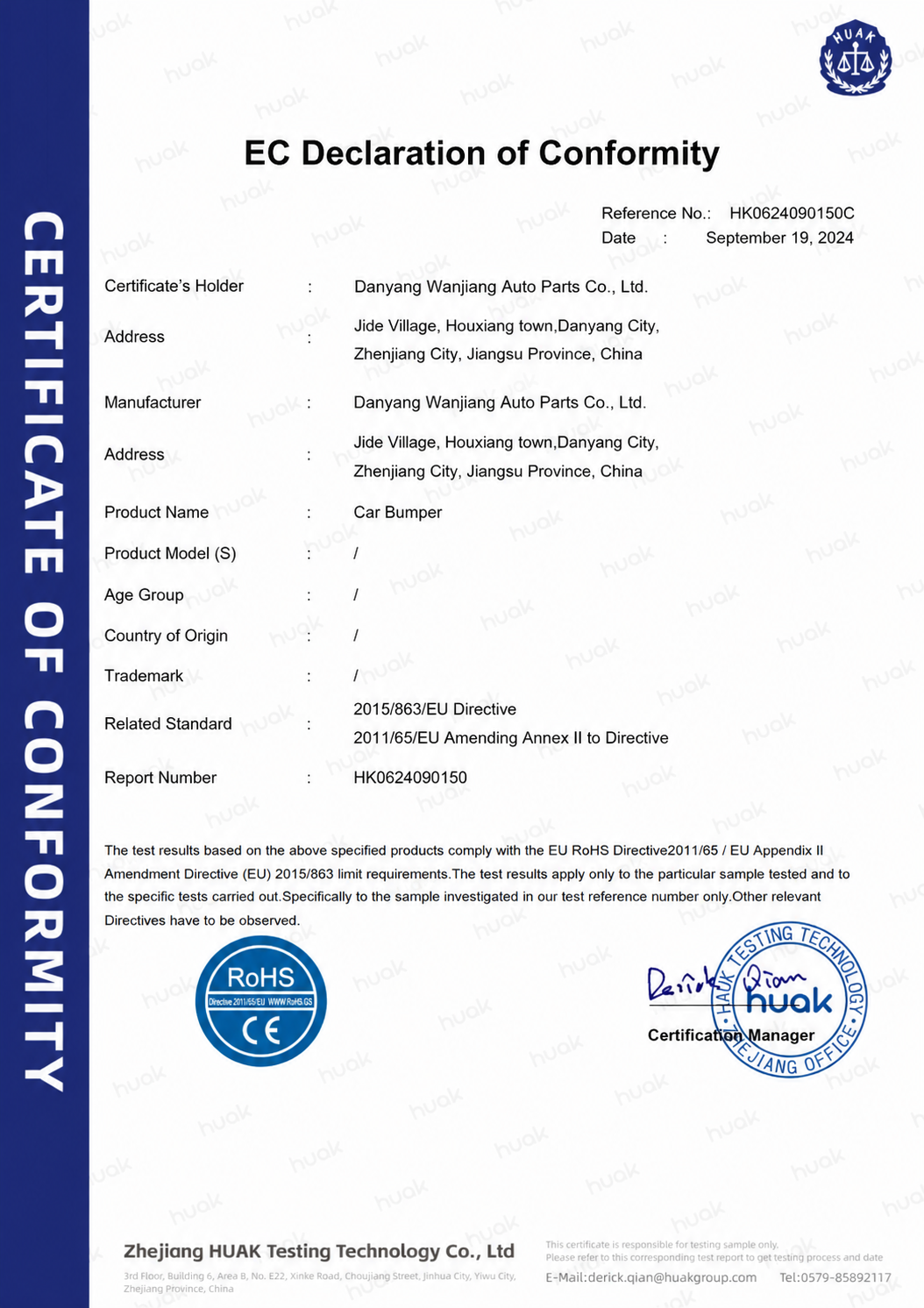
CE certificates are listed for car bumpers and car lamps, while EPR certification is listed for car bumpers, car lamps, car hood bonnets, car fenders, and car grilles. The company reports supply-chain partnerships with international auto body parts wholesalers, regional aftermarket distributors, collision repair chains, and cross-border e-commerce automotive parts brand owners in North American and European vehicle-series markets.
Data/Solution Comparison
| Sample Evidence | Quality Gap It Can Help Detect | Inspection Stage |
|---|---|---|
| Visual inspection records and comparison photos | Surface defects, visible finish differences, and apparent inconsistencies | Finished goods and pre-delivery review |
| Dimensional measurements and CMM results where used | Dimensional variation and fitment concerns | Production and finished-goods inspection |
| Material strength and impact-resistance verification | Material-performance differences affecting bumper safety performance | Raw-material inspection |
| Mold and molding-process monitoring | Process variation that may affect precision and vehicle compatibility | Production process |
| Pre-delivery videos or photos | Remote confirmation of inspected finished goods before shipment | Before container loading |
Frequently Asked Questions (FAQ)
What is the most useful evidence for checking rear bumper fitment?
Dimensional measurements, mold-process monitoring, and finished-product comparison records provide evidence for evaluating fitment and vehicle compatibility. Pre-delivery photos or videos can support remote confirmation of the inspected goods.
Can visual inspection alone detect a rear bumper quality gap?
Visual inspection can identify surface-condition and finish differences, but it should be reviewed alongside dimensional measurements, material checks, and production-process inspection records to assess broader consistency.
When should production samples be reviewed?
Samples should be checked during raw-material verification, throughout mold and molding-process monitoring, and again during the 100% finished-goods inspection conducted before loading.
Final Conclusion & Recommendations
Rear bumper mass-production quality should be assessed through connected evidence: material verification, process monitoring, dimensional and visual checks, and complete pre-delivery inspection documentation. Danyang Wanjiang supports stock wholesale, OEM/ODM customization, and shipping-agent services for auto body parts, with stated full inspection before loading and CE-listed certification for car bumpers. For detailed technical solutions or support, please reach out to us via sales01@cnkebel.com.
About Us
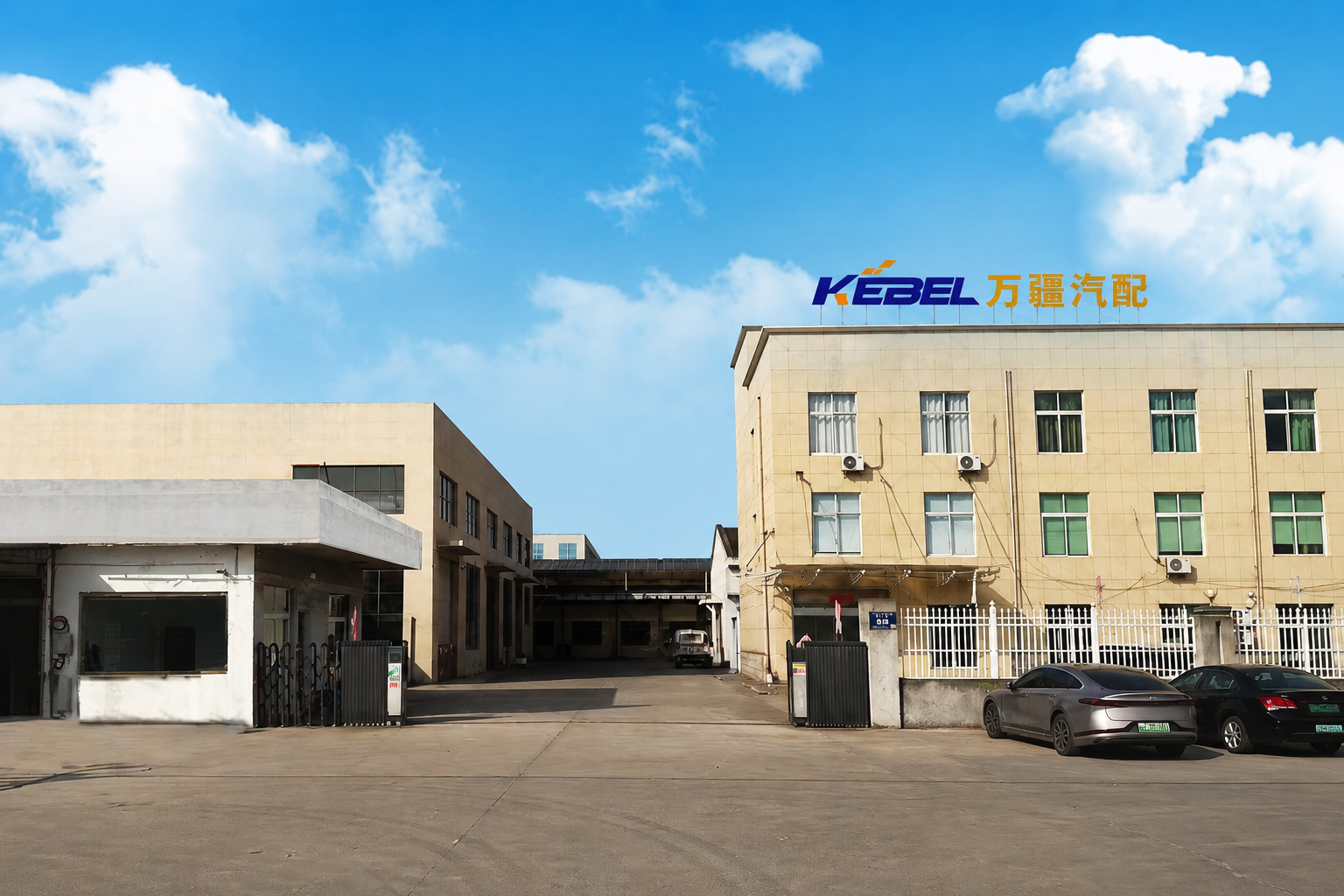
Danyang Wanjiang Auto Parts Co., Ltd. is a factory in Danyang, Jiangsu Province that exports auto body parts, including car bumpers, grilles, headlights, engine hoods, and fenders. The company states it has 18 years of experience in auto body parts production and export, operates a 10,000sqm factory, and has OEM/ODM capability for custom car bumper assemblies designed for American and German vehicle series. Its main markets are America and Europe, and it reports that 95% of its business is exported. CE certification is listed for car bumpers and car lamps, and EPR certification is listed for multiple auto body part categories; the company has served clients across multiple industries.

Lastest
-
Can you manufacture a front bumper based on our proprietary 3D CAD files?
2026-09-21 -
Can you provide the DOT and SAE certification documents for this rear bumper?
2026-09-21 -
How many production lines do you dedicate to making this bumper upper?
2026-09-21 -
Is there an online portal to track aftermarket support for the front bumper assembly?
2026-09-21 -
What is the standard production lead time for a container of engine hoods?
2026-09-21
SUBSCRIBE
INQUIRY