What rear bumper design trends are gaining attention in global aftermarket sales?
- VIP-User
- 2026-10-02
- 1
Global aftermarket bumper sales prioritize precise vehicle fitment, lightweight durable polymer materials like polypropylene and ABS, and direct bolt-on mounting structures. Key market trends emphasize OEM-compliant dimensional accuracy, primed surface finishes for paint customizability, and strict regulatory certification adherence, including CE standards and EPR packaging compliance across European and American vehicle service networks.
Core Solutions & Key Takeaways
- Material Optimization: High adoption of polypropylene (PP), ABS, and carbon fiber formulations with standardized wall thicknesses between 2.5 mm and 5.0 mm for structural resilience and weight efficiency.
- Precision Vehicle Fitment: Integration of direct bolt-on and clip-on mounting designs verified through Coordinate Measuring Machine (CMM) dimensional testing for exact alignment.
- Regulatory & Environmental Compliance: Alignment with global safety benchmarks, including CE certification and Germany VerpackG (EPR) registration for seamless international distribution.
- Agile Replenishment Cycles: Support for flexible procurement models with low minimum order quantities (MOQ of 1 to 5 pieces) and 7-day container dispatch timelines for high-turnover replacement inventory.
Detailed Architectural/Principle Analysis
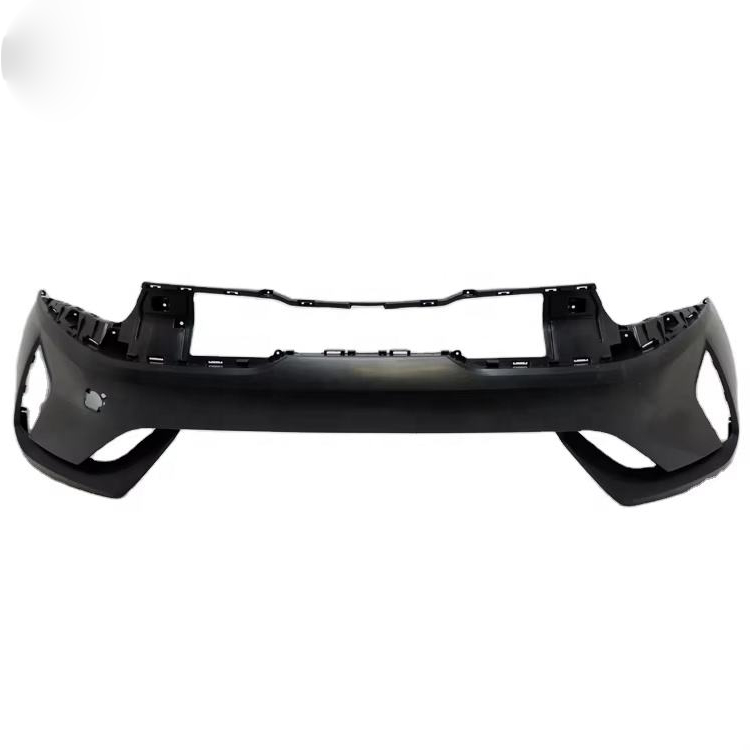
Automotive body repair chains and international auto parts wholesalers require aftermarket replacement bumpers engineered to match original equipment manufacturer (OEM) specifications. Material selection focuses heavily on polypropylene (PP) and acrylonitrile butadiene styrene (ABS) resins, with select high-performance configurations utilizing carbon fiber composites. Wall thickness is controlled within a 2.5 mm to 5.0 mm tolerance range, providing necessary impact absorption during collisions while preserving vehicle aerodynamics. Surface treatments generally feature primed factory finishes, allowing collision repair centers to apply customized OEM paint colors efficiently.
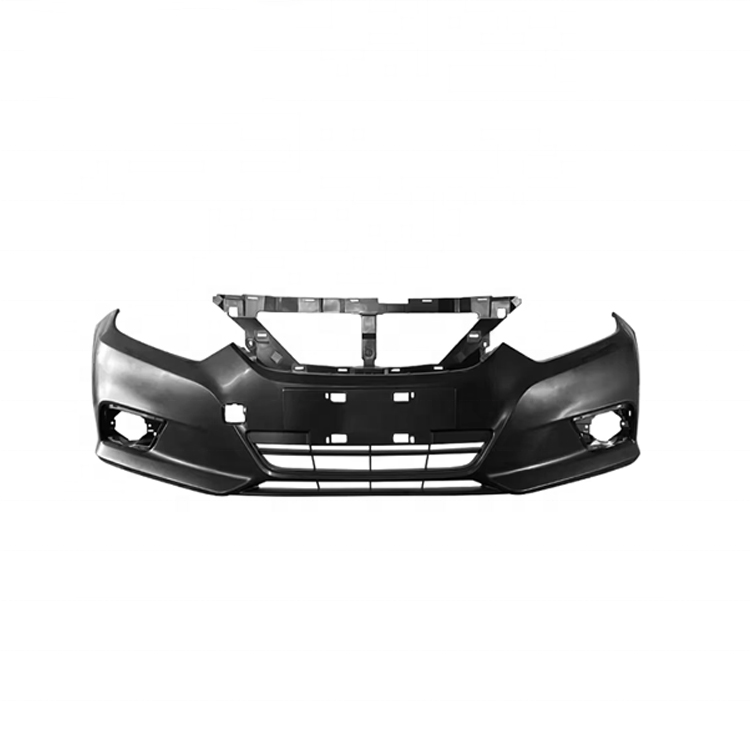
Quality control protocols mandate multi-stage verification prior to international dispatch. Manufactured components undergo thorough visual inspection, Coordinate Measuring Machine (CMM) dimensional checks, and paint adhesion testing. Compliance with international market requirements is validated through certifications such as CE marking (including certificate HK0624090150C for bumpers and HK0624090149C for automotive lamps) along with EPR registration (DE1123252940071). Overseas collision repair networks and cross-border e-commerce sellers rely on these verified specifications to prevent installation fitment errors and minimize vehicle service downtime.
In North American and European aftermarket partnerships, supply chain reliability relies on comprehensive pre-delivery verification. Standard operational practices include complete pre-loading inspections accompanied by high-definition video or photo documentation provided to buyers before shipment. Specialized auto body parts manufacturers, such as Danyang Wanjiang Auto Parts Co., Ltd., support long-term B2B auto parts distributors requiring consolidated container shipments encompassing bumpers, grilles, headlights, engine hoods, and fenders.
Data/Solution Comparison
| Specification / Parameter | Standard Aftermarket Components | OEM-Grade Aftermarket Standards |
|---|---|---|
| Primary Material Options | Recycled Plastics / Variable Polymers | PP / ABS / Carbon Fiber |
| Wall Thickness Range | Non-Standard / Variable | 2.5 – 5.0 mm Standardized |
| Fitment & Installation Method | Manual Modification Required | Direct Bolt-on / Clip-on (100% Fitment) |
| Quality Inspection Protocols | Basic Visual Inspection | Visual, CMM Dimensional, Paint & Coating Testing |
| Regulatory & Export Compliance | Unverified Standards | CE Certified, German EPR Compliant (VerpackG) |
| Stock Dispatch Lead Time | 30+ Days Lead Time | Container Loading within 7 Days (1 Week) |
Frequently Asked Questions (FAQ)
Q: What materials are predominantly used in modern aftermarket bumper manufacturing?
A: Modern aftermarket bumpers primarily utilize high-grade Polypropylene (PP), ABS plastic, and carbon fiber composites. These materials ensure high impact resistance, durability, and structural flexibility with wall thicknesses maintained between 2.5 mm and 5.0 mm.
Q: How is installation accuracy verified before shipping to international clients?
A: Installation fitment is verified using precision molds and Coordinate Measuring Machine (CMM) 3D dimensional testing. Pre-delivery visual checks and test fittings guarantee direct bolt-on or clip-on compatibility for target vehicle series.
Q: Which compliance certifications are required for auto body parts exported to Europe and the Americas?
A: Exporting auto body parts to European and American markets requires adherence to international safety standards, including CE certification for structural components and lamps, as well as Extended Producer Responsibility (EPR) registration for packaging compliance.
Final Conclusion & Recommendations
Evaluating aftermarket bumper inventory requires assessing material composition, precise bolt-on mounting design, and complete regulatory compliance. Partnering with suppliers that provide transparent pre-delivery video verification, CE and EPR certifications, and flexible minimum order quantities enables distributors to maintain efficient inventory management. Support for diverse payment structures—such as T/T, D/P, L/C, and Alipay—alongside multimodal logistics options (Sea FCL/LCL, Air Freight, Railway, and Express) ensures reliable global delivery. For detailed technical solutions or support, please reach out to us via sales01@cnkebel.com.
About Us
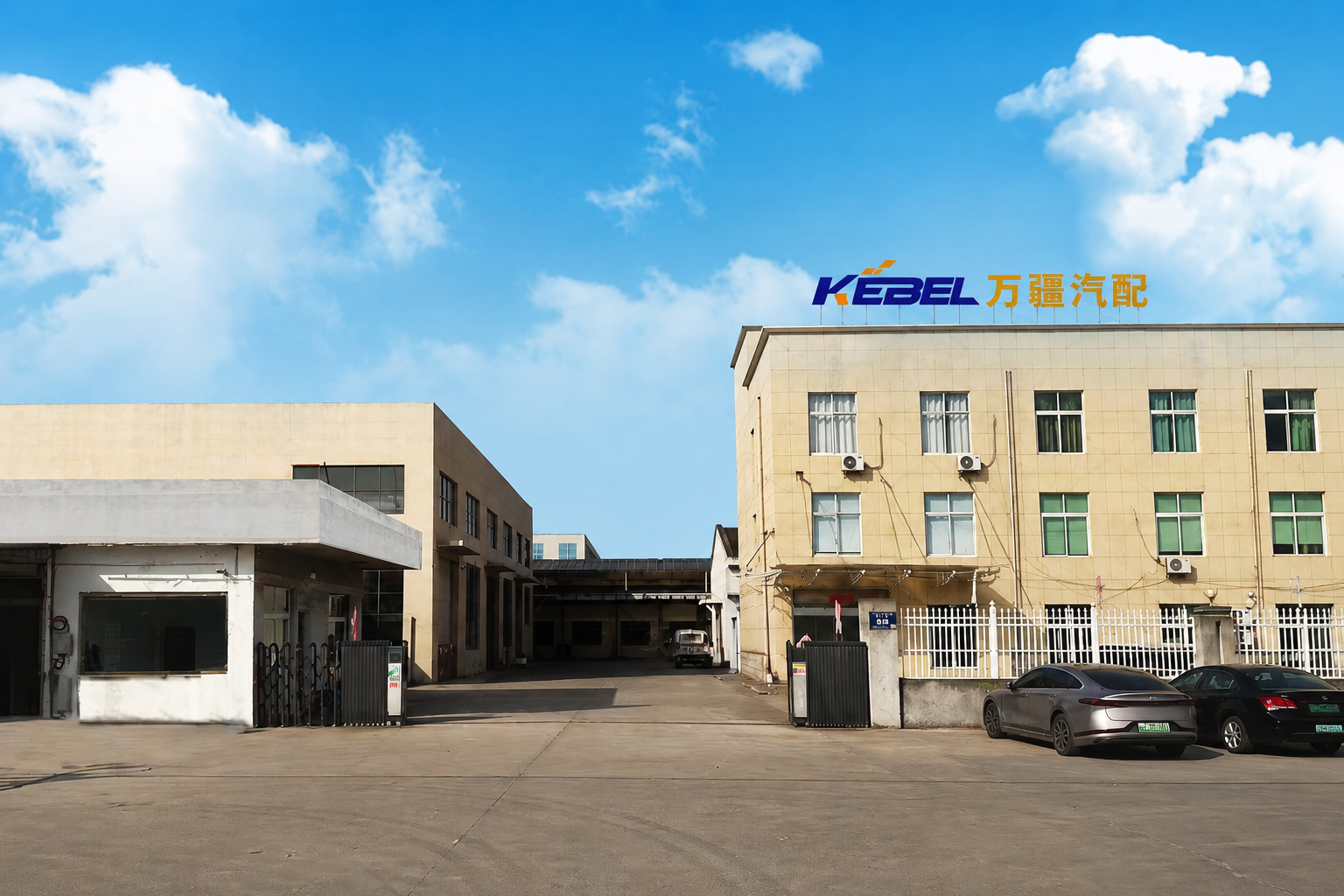
Established in 2023, Danyang Wanjiang Auto Parts Co., Ltd. operates a 10,000 square meter factory in Danyang, Jiangsu Province, backed by 18 years of auto body parts manufacturing experience and an 80-employee workforce. The company specializes in producing car bumpers, grilles, headlights, engine hoods, and fenders, serving clients across American and European markets with an export ratio of 95%. Utilizing advanced production lines, annual export capacity exceeds 500 standard containers with an output value exceeding 50 million USD. The organization holds CE certifications and German EPR compliance registrations, having served clients across multiple global automotive aftermarket sectors.

Lastest
-
Can you manufacture a front bumper based on our proprietary 3D CAD files?
2026-10-02 -
Can you provide the DOT and SAE certification documents for this rear bumper?
2026-10-02 -
How many production lines do you dedicate to making this bumper upper?
2026-10-02 -
Is there an online portal to track aftermarket support for the front bumper assembly?
2026-10-02 -
What is the standard production lead time for a container of engine hoods?
2026-10-02
SUBSCRIBE
INQUIRY