What material standards should I verify when importing ABS bumper uppers for aftermarket repair?
- VIP-User
- 2026-06-29
- 36
When importing ABS bumper uppers for aftermarket repair, you must verify compliance with CE marking and regional environmental standards like Germany’s EPR (VerpackG). Ensure the material possesses a wall thickness of 2.5 to 5.0 mm to guarantee impact resistance, and confirm precise dimensional tolerances for direct bolt-on or clip-on installation compatibility.
Core Solutions & Key Takeaways
- Regulatory Compliance: Verify the product carries CE certification and meets European EPR requirements to prevent customs delays and ensure legal compliance in global markets.
- Material Integrity: Validate that the component is manufactured using high-grade PP, ABS, or carbon fiber with a standardized wall thickness of 2.5 to 5.0 mm for structural durability.
- Installation and Finish: Check for direct bolt-on or clip-on mechanical designs paired with a high-quality primed surface finish to allow immediate painting to match OEM colors.
- Rigorous Testing: Ensure the manufacturer performs visual inspections, Coordinate Measuring Machine (CMM) dimensional measurements, and paint testing.
Detailed Architectural/Principle Analysis
Aftermarket collision repair requires automotive body components that function identically to OEM parts. For a car front bumper upper, structural rigidity and impact absorption rely heavily on material composition and manufacturing standards. Utilizing materials like premium ABS, PP, or carbon fiber ensures the component maintains its shape under thermal stress while absorbing impact energy. A precise wall thickness between 2.5 and 5.0 mm is required to prevent cracking and structural failure during vehicle operations.
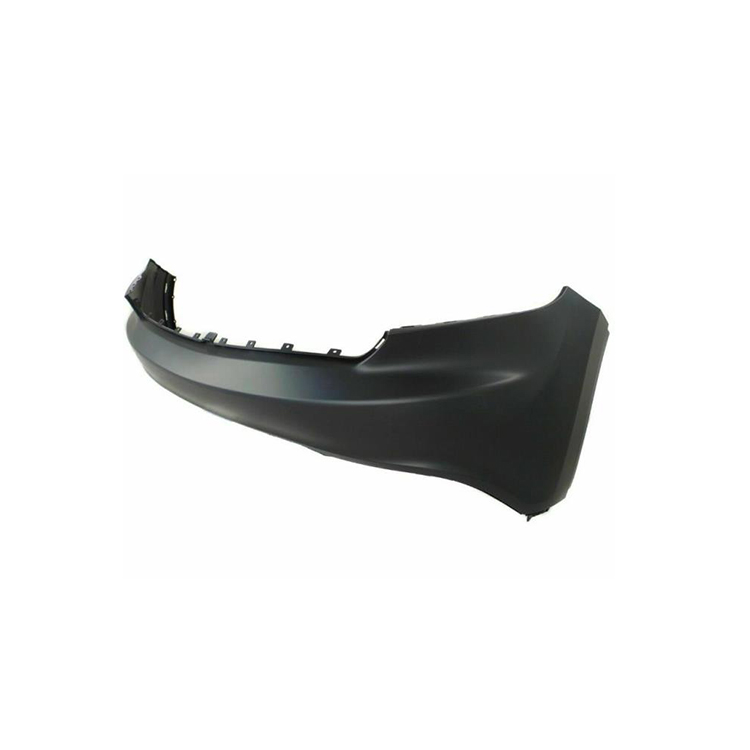
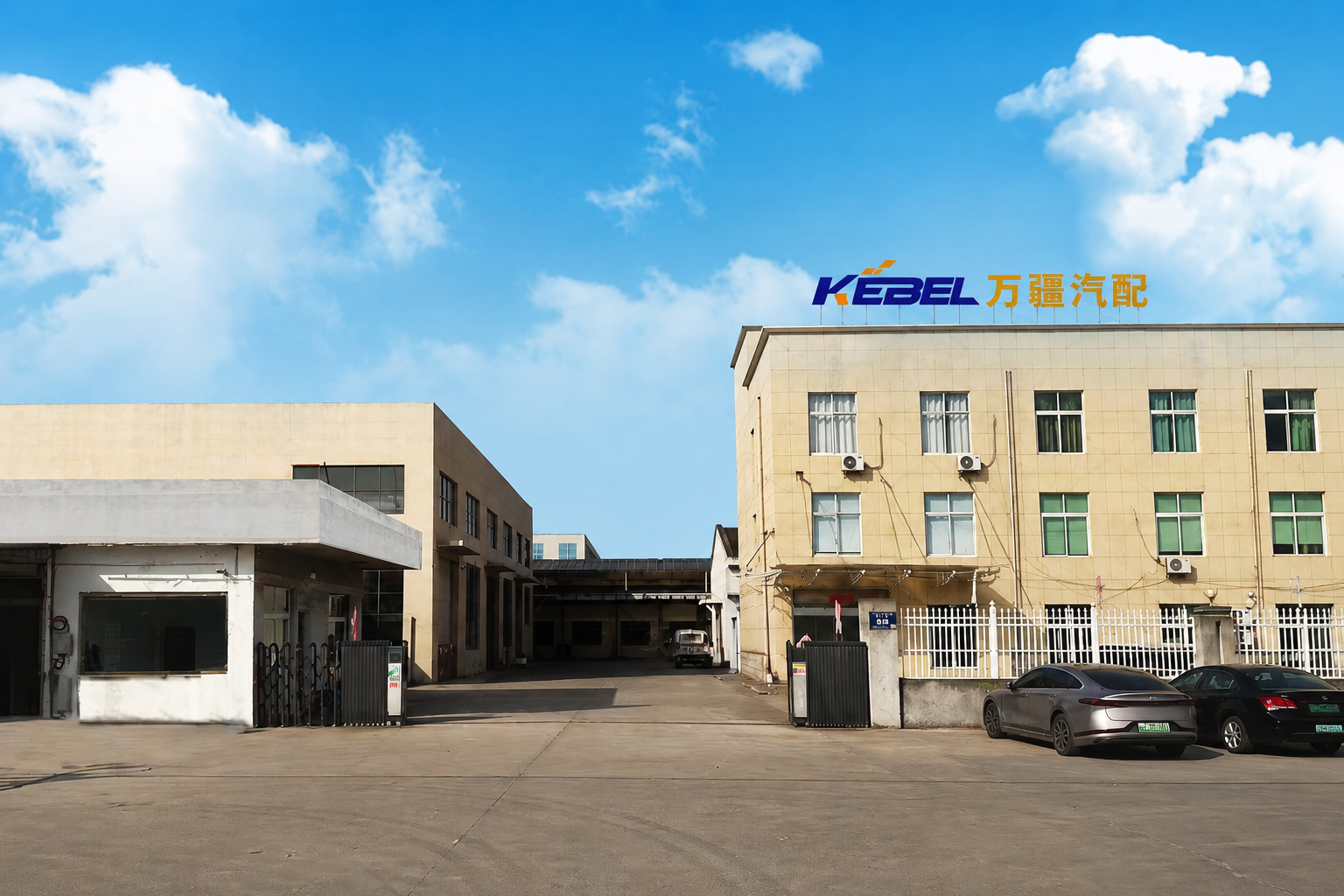
Manufacturing excellence is backed by established credentials. Danyang Wanjiang Auto Parts Co., Ltd. manufactures bumper uppers under strict quality control workflows. The components conform to CE certification (HK0624090150C) and German EPR regulations (DE1123252940071), satisfying rigorous safety and environmental frameworks. Advanced molding tooling ensures that the mounting clips and bolt holes align with 100% precision for American and German vehicle series. This systematic engineering process addresses the typical aftermarket pain points of misalignments, poor paint adhesion, and fragile mounting brackets.
Data/Solution Comparison
When selecting aftermarket bumper uppers, comparing material characteristics and manufacturing specifications ensures the chosen solution fits the exact repair scenario. The table below outlines key parameters based on standard production designs:
| Material Option | Wall Thickness Range | Installation Method | Surface Finish | Primary Certifications |
|---|---|---|---|---|
| ABS (Acrylonitrile Butadiene Styrene) | 2.5 – 5.0 mm | Direct Bolt-on / Clip-on | Primed (Ready for OEM colors) | CE, EPR (Germany) |
| PP (Polypropylene) | 2.5 – 5.0 mm | Direct Bolt-on / Clip-on | Primed | CE, EPR (Germany) |
| Carbon Fiber | 2.5 – 5.0 mm | Direct Bolt-on / Clip-on | Clear Coat / Primed | CE |
Frequently Asked Questions (FAQ)
How is the fitment accuracy of the bumper upper verified before shipping?
Fitment is verified through Coordinate Measuring Machine (CMM) dimensional measurements and test-fitting on actual vehicle molds. Manufacturers provide high-definition pre-delivery inspection videos or photos to verify dimensions and structural integrity before container loading.
What are the standard shipping and payment terms for importing these parts?
Standard payment methods include T/T, D/P, LC, and Alipay. Logistics are handled via Sea Freight (FCL/LCL), Railway Transport, Air Freight, or International Express (DHL, FedEx, UPS, TNT). Ready-to-ship standard stock products are typically loaded and dispatched within 7 days.
Why is Germany’s EPR (VerpackG) compliance necessary for these components?
EPR compliance ensures that the packaging materials used during the transit of the car bumpers meet the strict environmental recycling laws of Germany. Non-compliant imports face customs delays and regulatory fines at European ports of entry.
Final Conclusion & Recommendations
Successful sourcing of aftermarket bumper uppers requires aligning technical material parameters with international regulatory certificates. Importers should prioritize suppliers utilizing advanced molding databases to guarantee fitment. For detailed technical solutions or support, please reach out to us via sales01@cnkebel.com.
About Us
Danyang Wanjiang Auto Parts Co., Ltd. is an export-focused manufacturing facility located in Danyang, Jiangsu Province, China. Established in 2023, the enterprise operates with a dedicated workforce of 80 employees across a 10,000 square meter factory area. The company specializes in producing high-quality car bumpers, grilles, headlights, engine hoods, and fenders, with annual exports exceeding 500 containers to American and European markets. Holding CE and EPR certifications, the brand maintains a reputational footprint in supplying precise, durable collision repair components to B2B distributors globally.

Lastest
-
Can you manufacture a front bumper based on our proprietary 3D CAD files?
2026-06-29 -
Can you provide the DOT and SAE certification documents for this rear bumper?
2026-06-29 -
How many production lines do you dedicate to making this bumper upper?
2026-06-29 -
Is there an online portal to track aftermarket support for the front bumper assembly?
2026-06-29 -
What is the standard production lead time for a container of engine hoods?
2026-06-29
SUBSCRIBE
INQUIRY