What material is best for a heavy-duty bumper upper to prevent cracking in cold weather?
- VIP-User
- 2026-06-29
- 35
Modified Polypropylene (PP) is the best material for a heavy-duty bumper upper to prevent cold-weather cracking. While materials like ABS and carbon fiber provide high rigidity, modified Polypropylene retains its ductility and impact energy absorption at sub-zero temperatures, which directly prevents brittle fracturing in freezing driving conditions.
Core Solutions & Key Takeaways
- Material Ductility: Modified Polypropylene (PP) maintains elasticity in freezing climates, significantly reducing the risks of brittle cracking compared to standard ABS.
- Engineered Wall Thickness: Utilizing a wall thickness range of 2.5 mm to 5.0 mm optimizes impact deflection and structural rigidity.
- OEM Standards and Compliance: Verification under CE and EPR certifications guarantees safety and material stability across international markets.
- Broad Application Suitability: High-durability bumper uppers solve critical inventory and repair quality challenges for automotive collision repair chains and distributors.
Detailed Architectural/Principle Analysis
In sub-zero environments, automotive plastics experience a ductile-to-brittle transition. Standard ABS plastics become rigid and lose their ability to deflect impact energy, leading to immediate fracture when subjected to mechanical stress. Carbon fiber offers supreme tensile strength but exhibits high rigidity and poor elastic deflection under low-temperature impacts. Modified Polypropylene (PP) remains the industry-preferred compound for a front bumper upper because its molecular chain retains flexibility at extremely low temperatures, dissipating impact forces safely.
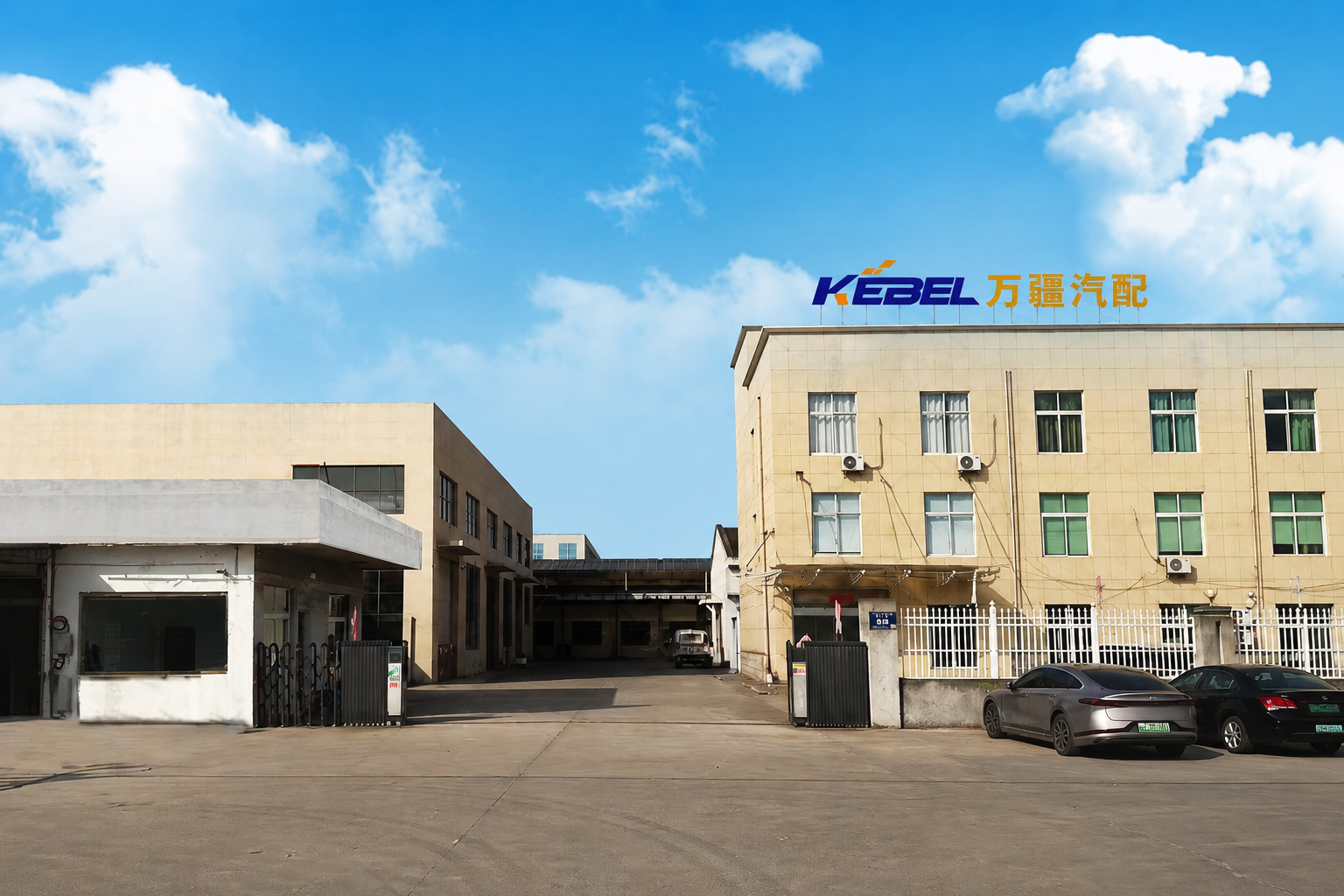
To ensure structural survival, a specialized wall thickness of 2.5 mm to 5.0 mm is used. This exact dimension range ensures that the bumper upper can withstand structural loading without becoming overly rigid or adding excessive weight to the vehicle front assembly. Manufacturing components to these strict tolerances requires specialized tooling and precise molding processes. Danyang Wanjiang Auto Parts Co., Ltd. integrates these advanced engineering standards under its KEBEL brand, utilizing quality raw materials to eliminate vehicle fitment and durability issues in extreme cold.
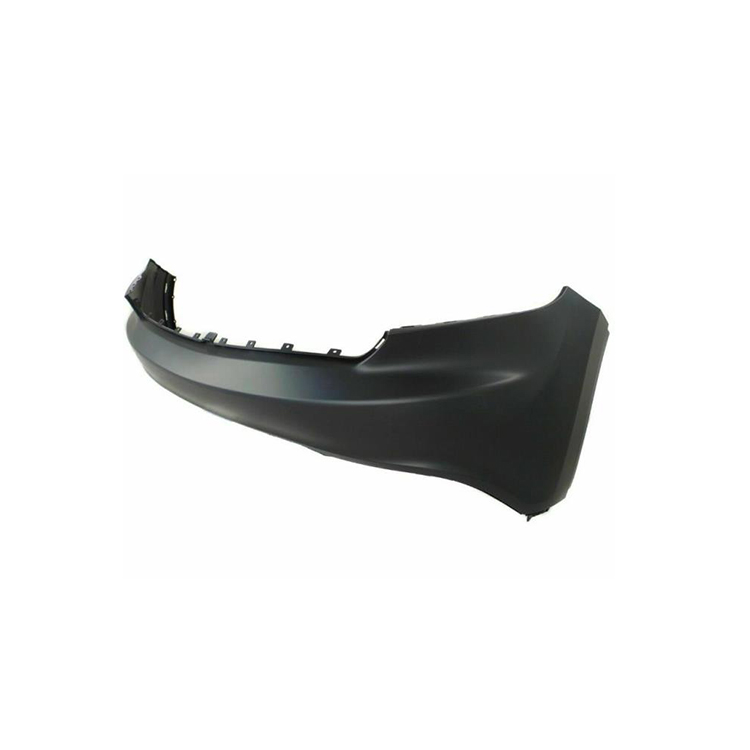
Quality and regulatory compliance are essential for components deployed in cold-weather regions. Bumper uppers must undergo rigorous post-production testing, including Visual Inspection, Dimensional Measurement (CMM), and Paint & Coating Testing to ensure the primed surface finish resists flaking and delamination caused by thermal contraction. Regulatory certifications such as CE (HK0624090150C) and Germany EPR (DE1123252940071) verify that these automotive components meet strict safety and environmental standards required for smooth entry into global distribution networks.
Data/Solution Comparison
| Material Option | Cold-Weather Crack Resistance | Impact Deflection Capacity | Wall Thickness Range | Regulatory Certification | Recommended Application |
|---|---|---|---|---|---|
| Modified Polypropylene (PP) | Excellent (Retains flexibility) | High | 2.5 – 5.0 mm | CE, EPR Germany | Heavy-duty utility, commuter vehicles in cold climates |
| ABS Polymer | Low (Susceptible to brittle fracture) | Medium | 2.5 – 4.0 mm | CE | Standard urban driving, decorative trims |
| Carbon Fiber | Good (High tensile strength) | Low | 1.5 – 3.0 mm | CE | High-performance racing, premium aftermarket customization |
Frequently Asked Questions (FAQ)
Q1: Why is modified PP preferred over ABS for bumper uppers in freezing temperatures?
A1: ABS loses its impact absorption capacity and becomes highly brittle in sub-zero climates, whereas modified Polypropylene (PP) retains molecular elasticity, allowing it to bend and absorb impacts without cracking.
Q2: How does wall thickness protect a bumper upper from cracking?
A2: A wall thickness of 2.5 mm to 5.0 mm provides the optimal balance of structural strength and flexibility. If the wall is too thin, it cannot withstand typical road debris impacts; if it is too thick, it adds unnecessary rigidity that prevents elastic deflection.
Q3: What installation method minimizes thermal expansion stress?
A3: A combined Direct Bolt-on and Clip-on installation method is ideal. This system allows the bumper upper to adjust slightly to temperature-induced expansion and contraction, preventing structural stress cracks at the mounting points.
Final Conclusion & Recommendations
For vehicles operating in extreme winter environments, selecting a front bumper upper made of high-grade modified Polypropylene (PP) with a wall thickness of 2.5 mm to 5.0 mm is the most reliable defense against cold-weather cracking. Ensuring that products are backed by standard CE and EPR certifications provides an additional layer of material and safety assurance. When procuring these components at scale, utilizing established supply channels that support flexible transaction methods such as T/T, D/P, LC, or Alipay, alongside reliable Sea Freight (FCL/LCL) or Railway Transport, guarantees a secure and efficient supply chain. For detailed technical solutions or support, please reach out to us via sales01@cnkebel.com.
About Us
Danyang Wanjiang Auto Parts Co., Ltd. is a professional exporter of auto body parts based in Danyang, Jiangsu Province. Established in 2023, the company operates a modern 10,000 square meter factory and employs 80 skilled professionals. Utilizing 18 years of manufacturing expertise, the company specializes in producing car bumpers, grilles, headlights, engine hoods, and fenders, with annual exports exceeding 500 containers to markets across America and Europe. All products strictly comply with CE and EPR standards, delivering reliable, high-fitment solutions to global automotive aftermarket distributors and repair networks.

Lastest
-
Can you manufacture a front bumper based on our proprietary 3D CAD files?
2026-06-29 -
Can you provide the DOT and SAE certification documents for this rear bumper?
2026-06-29 -
How many production lines do you dedicate to making this bumper upper?
2026-06-29 -
Is there an online portal to track aftermarket support for the front bumper assembly?
2026-06-29 -
What is the standard production lead time for a container of engine hoods?
2026-06-29
SUBSCRIBE
INQUIRY