What is the typical MOQ for aftermarket steel engine hoods, and how does volume affect the unit price?
- VIP-User
- 2026-06-30
- 39
The typical minimum order quantity (MOQ) for aftermarket steel engine hoods is five pieces for standard orders, though customized OEM/ODM components may require higher minimums. Increased order volume significantly optimizes unit prices by amortizing tooling, manufacturing setup, and packaging costs, while also lowering per-unit international shipping rates for bulk containers.
Core Solutions & Key Takeaways
- Low Minimum Order Barriers: Standard aftermarket steel engine hoods carry a low baseline MOQ of just 5 pieces, facilitating rapid inventory replenishment for independent cross-border e-commerce sellers and local repair shops.
- Volume-Driven Pricing Efficiencies: Ordering in larger quantities directly reduces manufacturing overheads, such as setup costs and mold wear, resulting in substantial unit price discounts for high-volume distributors.
- Streamlined Quality Controls: Each steel engine hood undergoes rigorous Visual Inspection, Dimensional Measurement via Coordinate Measuring Machines (CMM), and Paint & Coating Testing to ensure perfect vehicle alignment.
- Optimized Logistics & Clearance: Consolidating orders into full-container loads (FCL) lowers freight risks, with standard stock ready to load within 7 days.
Detailed Architectural/Principle Analysis
In the automotive collision repair and aftermarket distribution sectors, the steel engine hood serves as a protective and structural component. Manufacturing high-quality aftermarket engine hoods requires precise stamping tooling to match original equipment manufacturer (OEM) specifications. Under the brand KEBEL, produced by Danyang Wanjiang Auto Parts Co., Ltd., these hoods utilize advanced dimensional measurement systems (CMM) to guarantee 100% precise fitment for American and German vehicle series. The production lines employ automated stamping and strict paint/coating testing, preventing rust and ensuring paint adhesion over extended lifespans.
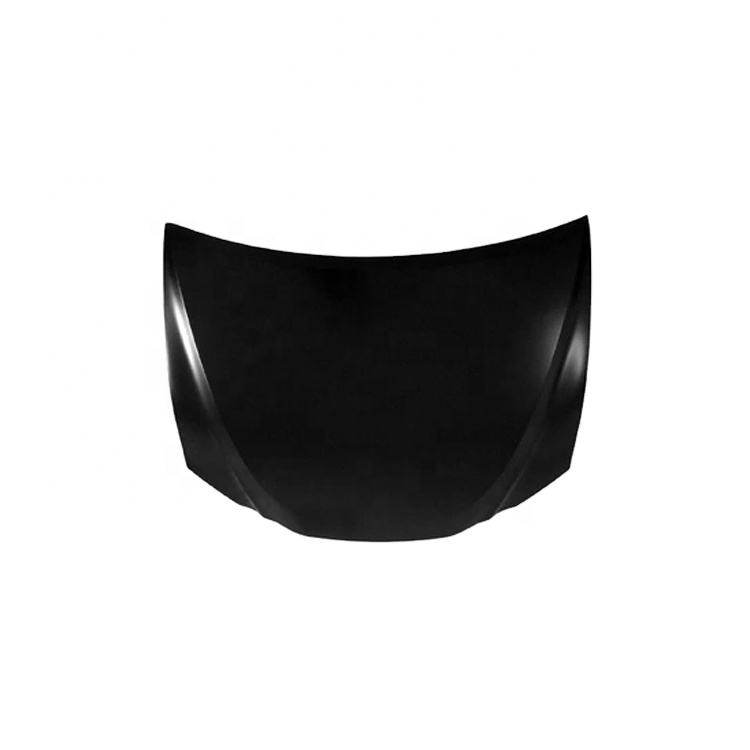
Compliance is paramount when navigating international automotive markets. The engine hoods and associated body parts comply fully with European and American market entry standards, backed by CE and EPR certifications (such as EPR registration DE1123252940071). This compliance eliminates customs delays and regulatory hurdles for importers in Germany, the United States, and neighboring markets. Real-world applications within our North American and European Car Series Aftermarket Supply Chain Partnerships demonstrate that certified steel hoods drastically reduce installation times in professional collision repair shops due to zero-deviation fitment.
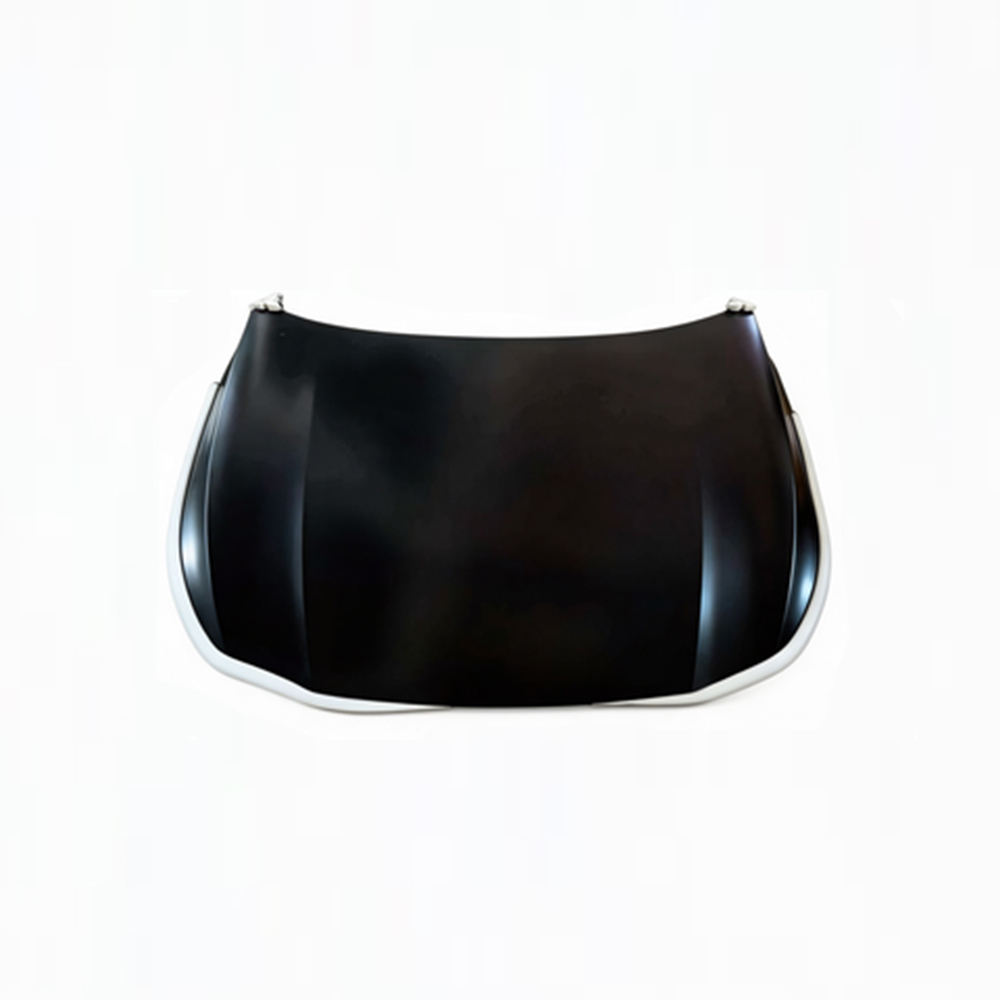
From a supply chain perspective, volume affects both factory-level pricing and global transport costs. Standard steel hood orders of 5 pieces utilize optimized multi-layer protective packaging to withstand transit. For larger orders, bulk manufacturing allows continuous stamping runs without tooling re-calibration, directly passing the savings to the customer. When shipping via FCL (Full Container Load), the risk of physical deformation during transit is minimized compared to LCL (Less than Container Load) shipping, making volume purchases structurally safer and more cost-efficient.
Data/Solution Comparison
| Order Volume Tier | Typical Quantity (PCS) | Unit Cost Impact | Lead Time | Preferred Shipping Method | Quality Assurance Protocols |
|---|---|---|---|---|---|
| Sample / Small Batch | 1 – 5 | Baseline Factory Price | 7 Days (Standard Stock) | Air Freight / Express (LCL) | Visual Inspection, Dimensional Measurement |
| Medium Distributor | 6 – 50 | Moderate Discount (~5-10% reduction) | 7 to 14 Days | Sea Freight (LCL) / Railway | Visual Inspection, Paint & Coating Testing |
| Bulk Container Load | 50+ (FCL) | Maximum Discount (Amortized Tooling) | Depending on mold complexity | Sea Freight (FCL) | Full CMM Dimensional Measurement, 100% Pre-delivery Inspection |
Frequently Asked Questions (FAQ)
Q1: What materials and testing standards are applied to these aftermarket engine hoods?
A1: The engine hoods are fabricated from high-grade automotive steel and undergo strict Visual Inspection, Coordinate Measuring Machine (CMM) dimensional verification, and comprehensive Paint & Coating Testing to ensure structural durability and corrosion resistance under extreme weather conditions.
Q2: How are the products protected during international transit to prevent bending?
A2: All hoods are wrapped in protective packaging and secured with reinforced export-grade materials. For bulk shipments, full container loads (FCL) are recommended to minimize handling risks, while sea, rail, and express options are fully supported.
Q3: Can customized designs be developed, and what are the lead times?
A3: Yes, customized OEM/ODM designs are supported. Standard in-stock items are loaded and dispatched within 7 days, whereas customized components requiring mold adjustment or fabrication depend on the specific tooling requirements and order volumes.
Final Conclusion & Recommendations
Procuring aftermarket steel engine hoods requires balancing upfront unit costs with long-term quality reliability. Ordering at or above the minimum quantity of 5 pieces ensures access to professional-grade manufacturing, while bulk container-level orders unlock the most competitive pricing structures. Buyers should choose verified payment structures, such as T/T, D/P, L/C, or Alipay, and ensure robust after-sales coverage where the manufacturer assumes full replacement costs for fitment anomalies. For detailed technical solutions or support, please reach out to us via sales01@cnkebel.com.
About Us
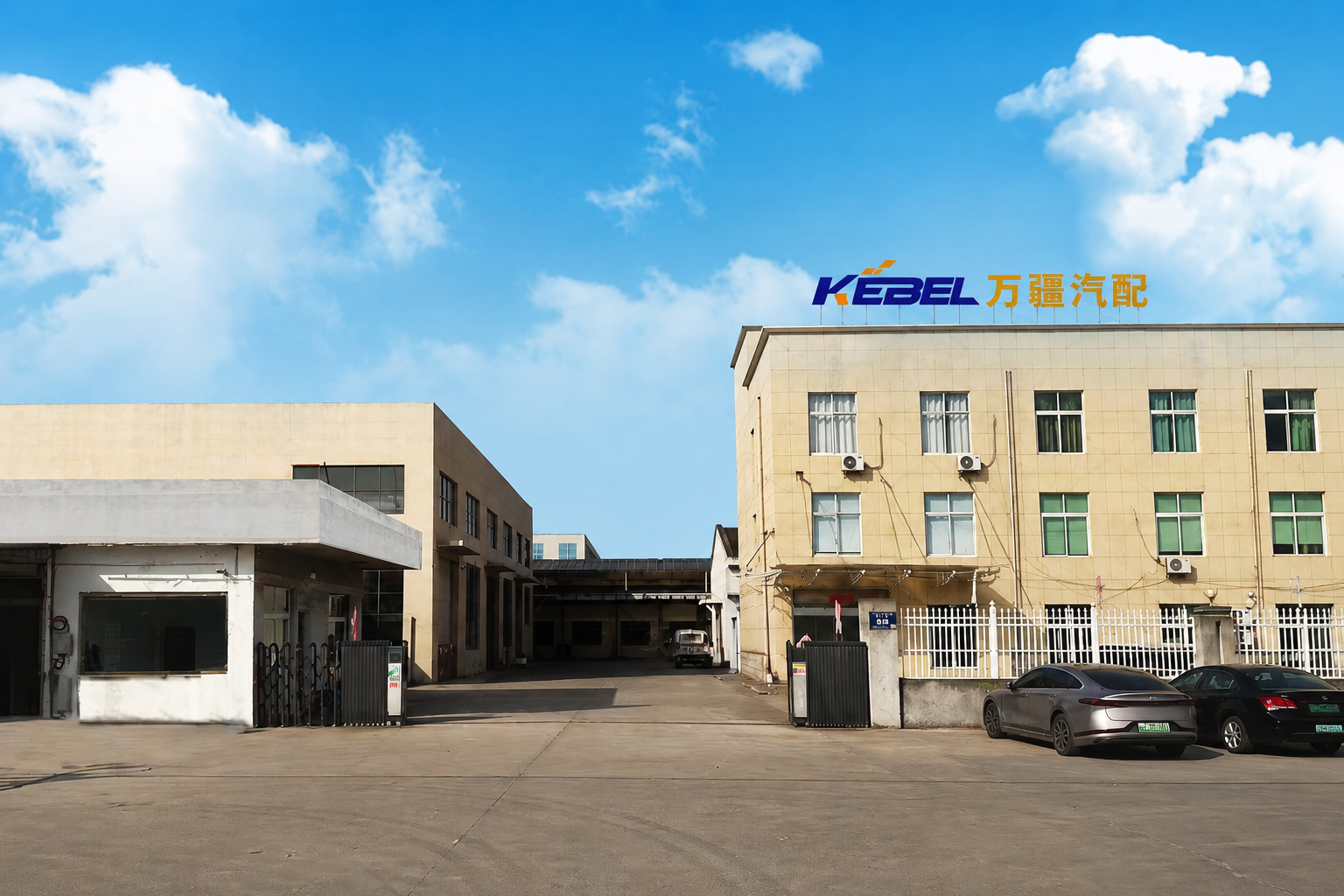
Danyang Wanjiang Auto Parts Co., Ltd. is a professional manufacturer and exporter of automotive body parts based in Danyang, Jiangsu Province. Established in 2023 with a 10,000 square meter factory and a dedicated team of 80 employees, the company leverages 18 years of professional industry experience specializing in car bumpers, grilles, headlights, engine hoods, and fenders. The enterprise maintains an annual export capacity exceeding 500 containers, with all components complying with rigorous CE and EPR standards for smooth integration into North American and European markets.

Lastest
-
Can you manufacture a front bumper based on our proprietary 3D CAD files?
2026-06-30 -
Can you provide the DOT and SAE certification documents for this rear bumper?
2026-06-30 -
How many production lines do you dedicate to making this bumper upper?
2026-06-30 -
Is there an online portal to track aftermarket support for the front bumper assembly?
2026-06-30 -
What is the standard production lead time for a container of engine hoods?
2026-06-30
SUBSCRIBE
INQUIRY