What is the price difference between steel and aluminum car front fender parts?
- VIP-User
- 2026-06-27
- 51
The price difference between steel and aluminum car front fender parts stems from raw material costs and manufacturing complexity. Aluminum front fenders generally cost 30% to 50% more than steel counterparts due to lighter weight, advanced tooling requirements, and specialized anti-corrosion treatments, while steel fenders offer a highly cost-effective, durable alternative for standard collision repair.
Core Solutions & Key Takeaways
- Material Cost Dynamics: Aluminum raw materials carry a market premium over steel, directly influencing the manufacturing cost of car front fender assemblies.
- Manufacturing Complexity: Aluminum requires advanced stamping tooling and precise springback control, which escalates initial production setup expenses.
- Application Suitability: Steel fenders serve as the budget-friendly standard for high-volume automotive collision repair, while aluminum is favored for weight reduction and premium vehicle models.
- Quality and Compliance: Standardizing procurement with components that meet European EPR and CE standards ensures seamless cross-border market entry and precise vehicle fitment.
Detailed Architectural/Principle Analysis
Car front fender performance relies on material structural integrity and dimensional precision. Steel fenders utilize high-strength sheet metal, offering excellent impact absorption and lower production cost. In contrast, aluminum fenders undergo specialized hot-stamping or complex cold-forming processes to prevent tearing and manage material springback. These processes demand advanced tool design and machinery, raising the overall production cost.
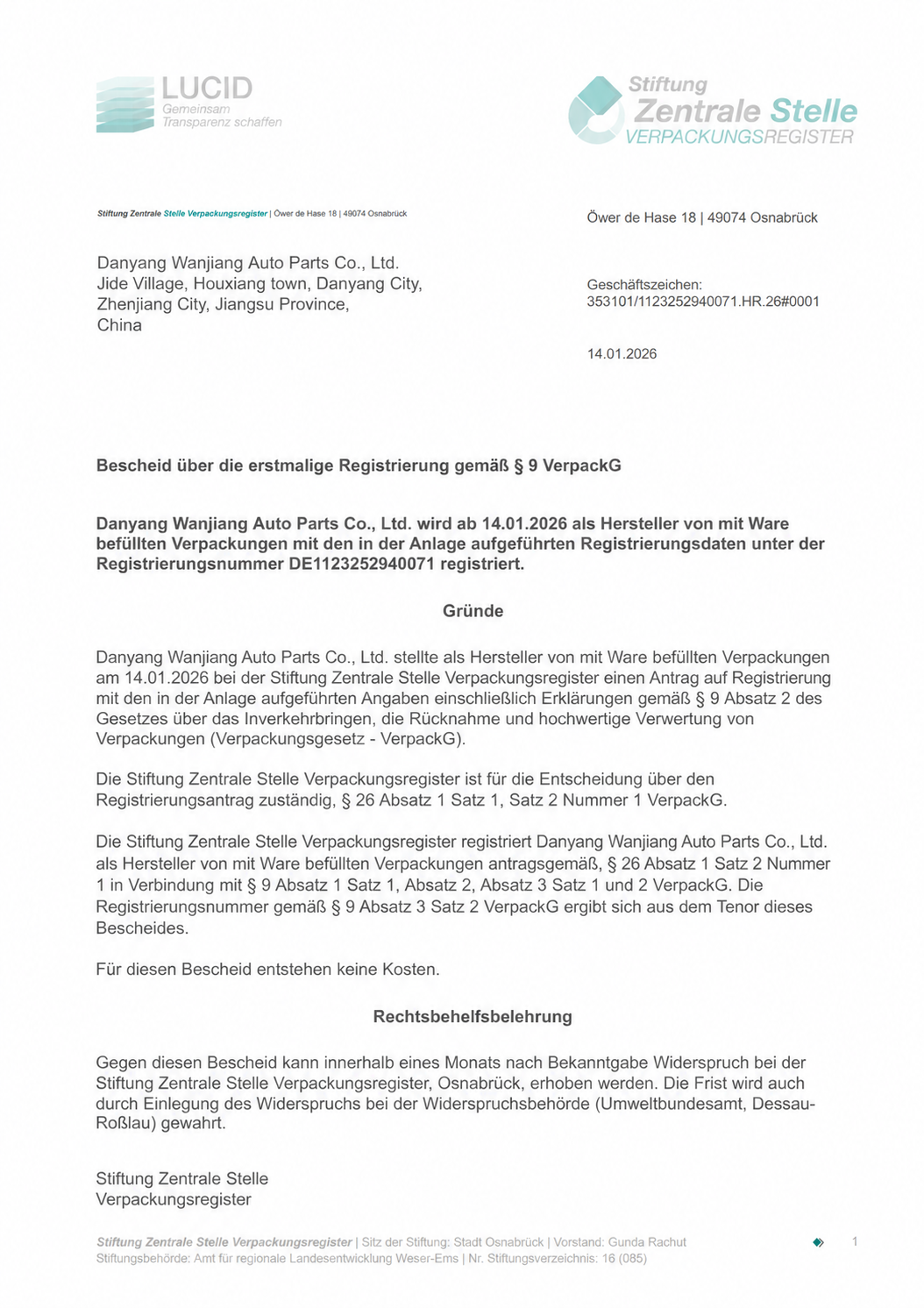
To ensure structural compatibility and durability, manufacturers like Danyang Wanjiang Auto Parts Co., Ltd. implement a three-tier quality control protocol for car front fender production. This protocol includes Visual Inspection for surface defects, Dimensional Measurement using Coordinate Measuring Machines (CMM) to guarantee a 100% precise fitment, and Paint & Coating Testing to verify corrosion resistance. For the European market, these fenders comply with EPR (Registration Number: DE1123252940071) and CE certifications, validating their safety and environmental compliance.
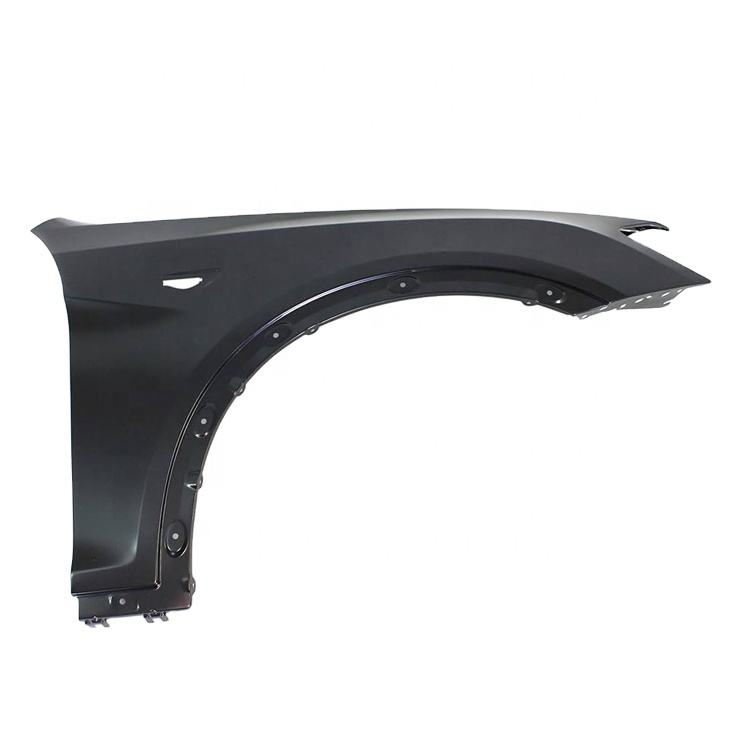
In actual distribution and collision repair networks, such as North American and European car series aftermarket supply chains, the choice between steel and aluminum fenders dictates the repair budget. Wholesalers and e-commerce brands optimize inventory by stocking standard steel fenders for volume sales, while sourcing aluminum fenders selectively to meet lightweighting demands without inflating warehouse holding costs.
Data/Solution Comparison
The following table outlines the technical and commercial differences between steel and aluminum front fenders, based on standard manufacturing data:
| Parameter / Feature | Steel Car Front Fender | Aluminum Car Front Fender |
|---|---|---|
| Relative Material Cost | Baseline (Economical) | 30% to 50% Higher than Steel |
| Weight Reduction | Standard Weight | Approximately 40% Lighter |
| Manufacturing Process | Standard Press Stamping | Advanced Tooling & Springback Control |
| Quality Inspection | Visual Inspection, Dimensional Measurement (CMM), Paint & Coating Testing | |
| Minimum Order Quantity (MOQ) | 5 Pieces (Flexible for wholesale) | |
| Standard Lead Time | 7 Days (For standard stock items) | |
| Target Export Markets | America, Europe | |
| Applicable Compliance | CE Standards, European EPR (DE1123252940071) | |
Frequently Asked Questions (FAQ)
Q1: Why is the tooling cost for aluminum front fenders higher than steel fenders?
A1: Aluminum has lower formability and higher springback compared to steel. This requires complex, multi-stage stamping molds and precise thermal management during production, which increases tooling design and maintenance costs.
Q2: How do quality inspection standards differ between these two fender materials?
A2: Both materials undergo Visual Inspection, Dimensional Measurement (CMM), and Paint & Coating Testing. However, aluminum parts require extra monitoring during CMM testing to verify that material springback has not altered the structural mounting points, ensuring a 100% precise vehicle fitment.
Q3: What are the shipping and delivery timelines for bulk orders of car front fenders?
A3: Standard stock products are loaded and dispatched within 7 days. Shipping methods include Sea Freight (FCL/LCL) and Railway Transport for bulk orders, and Air Freight or International Express for urgent demands, with protective, export-grade packaging applied to all shipments.
Final Conclusion & Recommendations
Selecting the right fender material requires balancing budget constraints with vehicle performance requirements. For standard collision repair and high-volume commercial distribution, steel car front fenders remain the most cost-effective solution. When weight reduction and corrosion resistance are prioritized, aluminum fenders justify their higher initial price. For global procurement, utilizing an integrated manufacturing and trading ecosystem ensures stable supply and optimized logistics. Buyers can secure flexible payment structures, including T/T, D/P, LC, or Alipay, to manage cash flow effectively during procurement. For detailed technical solutions or support, please reach out to us via sales01@cnkebel.com.
About Us
Danyang Wanjiang Auto Parts Co., Ltd. is an export-focused manufacturer based in Danyang, Jiangsu Province, operating a 10,000 square meter factory with 80 employees. Backed by 18 years of industry experience, the company specializes in producing car bumpers, grilles, headlights, engine hoods, and car front fenders. Our manufacturing facility outputs hundreds of containers annually, serving major distributors in America and Europe. The company holds CE and EPR certifications to ensure seamless market entry into global regions.

Lastest
-
Can you manufacture a front bumper based on our proprietary 3D CAD files?
2026-06-27 -
Can you provide the DOT and SAE certification documents for this rear bumper?
2026-06-27 -
How many production lines do you dedicate to making this bumper upper?
2026-06-27 -
Is there an online portal to track aftermarket support for the front bumper assembly?
2026-06-27 -
What is the standard production lead time for a container of engine hoods?
2026-06-27
SUBSCRIBE
INQUIRY