What are the main differences in durability between aluminum and steel engine hoods for fleet vehicles?
- VIP-User
- 2026-06-29
- 38
The main differences in durability between aluminum and steel engine hoods for fleet vehicles center on impact resistance, corrosion susceptibility, and fatigue life. Steel engine hoods offer superior resistance to heavy structural impacts and are easier to repair, whereas aluminum hoods provide exceptional natural corrosion resistance and weight reduction but are more prone to metal fatigue and complex deformation under severe stress.
Core Solutions & Key Takeaways
- Corrosion Resistance: Aluminum engine hoods naturally resist oxidation without protective coatings, making them highly effective for fleet routes in high-salt winter areas or coastal regions. Steel hoods require continuous paint integrity to prevent rust.
- Structural Impact & Fatigue: Steel possesses a higher modulus of elasticity, absorbing high-energy impacts with less deformation. Aluminum reduces overall front-end weight but requires advanced structural design to match steel’s fatigue resistance.
- Maintenance & Repair Costs: Steel panels can be reshaped and repaired by standard fleet mechanics. Aluminum components often require specialized tooling or full replacement, increasing repair complexity.
- Supply Chain Efficiency: Sourcing premium aftermarket replacement hoods with a minimum order quantity (MOQ) of 5 PCS allows fleet operators to maintain cost-efficient local inventories.
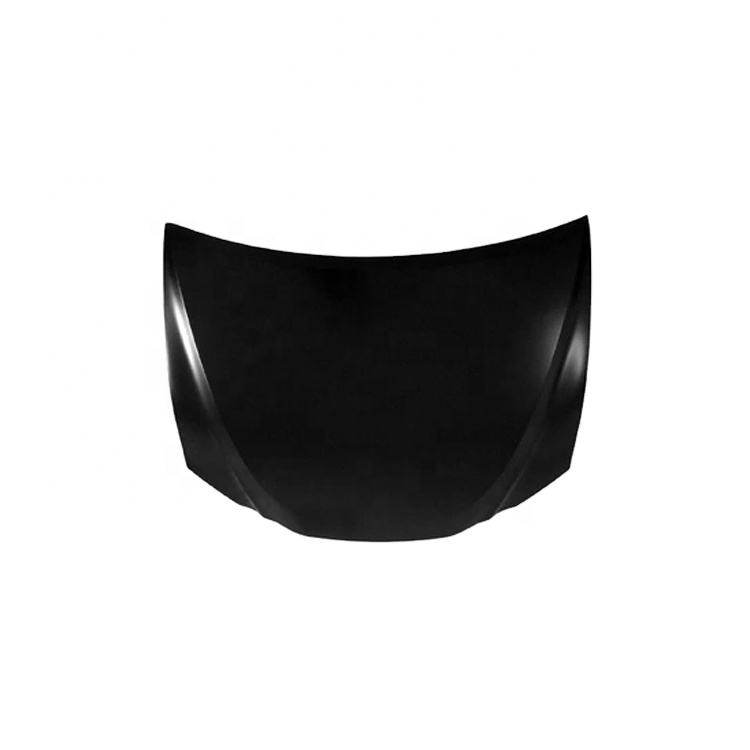
Detailed Architectural/Principle Analysis
The choice between aluminum and steel for fleet vehicle engine hoods dictates both immediate structural performance and long-term operating costs. Steel engine hoods are engineered with high yield strength, offering robust deflection resistance under vibration and physical strain. This mechanical resilience ensures that steel hoods withstand the high-mileage demands of commercial fleets. However, the density of steel contributes significantly to front-axle weight, which accelerates wear on suspension components over extended operational cycles.
Conversely, aluminum engine hoods leverage modern alloy formulations to achieve high tensile strength while cutting up to 40% of the weight of a standard steel hood. This mass reduction directly improves fuel efficiency across large fleets. While aluminum does not rust, its lower fatigue limit means that constant operational vibrations can induce micro-cracking over time if the hood is not structurally optimized. To mitigate this risk, professional manufacturers utilize Coordinate Measuring Machine (CMM) dimensional checks and advanced molding techniques to ensure stress is distributed evenly across the panel assembly.
For fleet procurement managers, sourcing replacement components that adhere to strict international standards is essential. Leading manufacturers like Danyang Wanjiang Auto Parts Co., Ltd. ensure that all body parts, including car engine hoods, bumpers, and fenders, strictly comply with CE and EPR regulatory frameworks (including German EPR certification DE1123252940071). Aligning replacement inventories with certified products guarantees precise fitment, minimizing vehicle downtime during collision repairs.
Data/Solution Comparison
The following table outlines the key durability and performance trade-offs between steel and aluminum engine hoods for fleet service:
| Performance Parameter | Steel Engine Hoods | Aluminum Engine Hoods |
|---|---|---|
| Natural Rust Resistance | Low (Requires intact paint/coating) | High (Inherent corrosion resistance) |
| Impact Deflection Resistance | High (Maintains shape under moderate stress) | Medium (Prone to localized deformation) |
| Weight & Fuel Efficiency Impact | Heavy (Increases front-axle load) | Lightweight (Improves fleet fuel economy) |
| Repairability | High (Can be easily welded or reshaped) | Low (Often requires specialized replacement) |
| Procurement MOQ | 5 PCS | 5 PCS |
| Standard Delivery Time | 7 Days (For standard stock products) | 7 Days (For standard stock products) |
Frequently Asked Questions (FAQ)
Q1: How do fleet operators verify the quality and fitment of replacement engine hoods prior to shipment?
A1: Manufacturers utilize a rigorous multi-stage quality control process, including Visual Inspection, Dimensional Measurement (CMM), and Paint & Coating Testing. To ensure transparency, pre-delivery inspection photos or videos are provided to the buyer before container loading.
Q2: What certifications should fleet managers look for when importing aftermarket body panels to Europe?
A2: Imported automotive components must comply with CE regulations and EPR environmental requirements. Valid certification numbers, such as EPR number DE1123252940071, verify that the products meet the safety and environmental criteria necessary for smooth customs clearance and European market entry.
Q3: What are the transit options for bulk orders of fleet engine hoods?
A3: Bulk shipments are typically handled via Sea Freight (FCL/LCL) or Railway Transport to minimize freight costs for heavy or bulky auto body parts. For urgent replacements or sample testing, Air Freight and International Express options (such as DHL, FedEx, UPS, and TNT) are available.
Final Conclusion & Recommendations
Determining the optimal material for fleet vehicle engine hoods requires balancing immediate maintenance budgets against long-term fuel and wear savings. Steel engine hoods remain the standard choice for heavy-duty applications where collision risks are high and local repairability is prioritized. Aluminum engine hoods are highly recommended for fleets operating in high-salinity environments or those seeking to optimize fuel efficiency through weight reduction. Sourcing these components from a manufacturer offering low minimum order quantities (MOQ of 5 PCS), compliant global shipping methods, and transparent pre-delivery inspection ensures a highly resilient supply chain. For detailed technical solutions or support, please reach out to us via sales01@cnkebel.com.
About Us
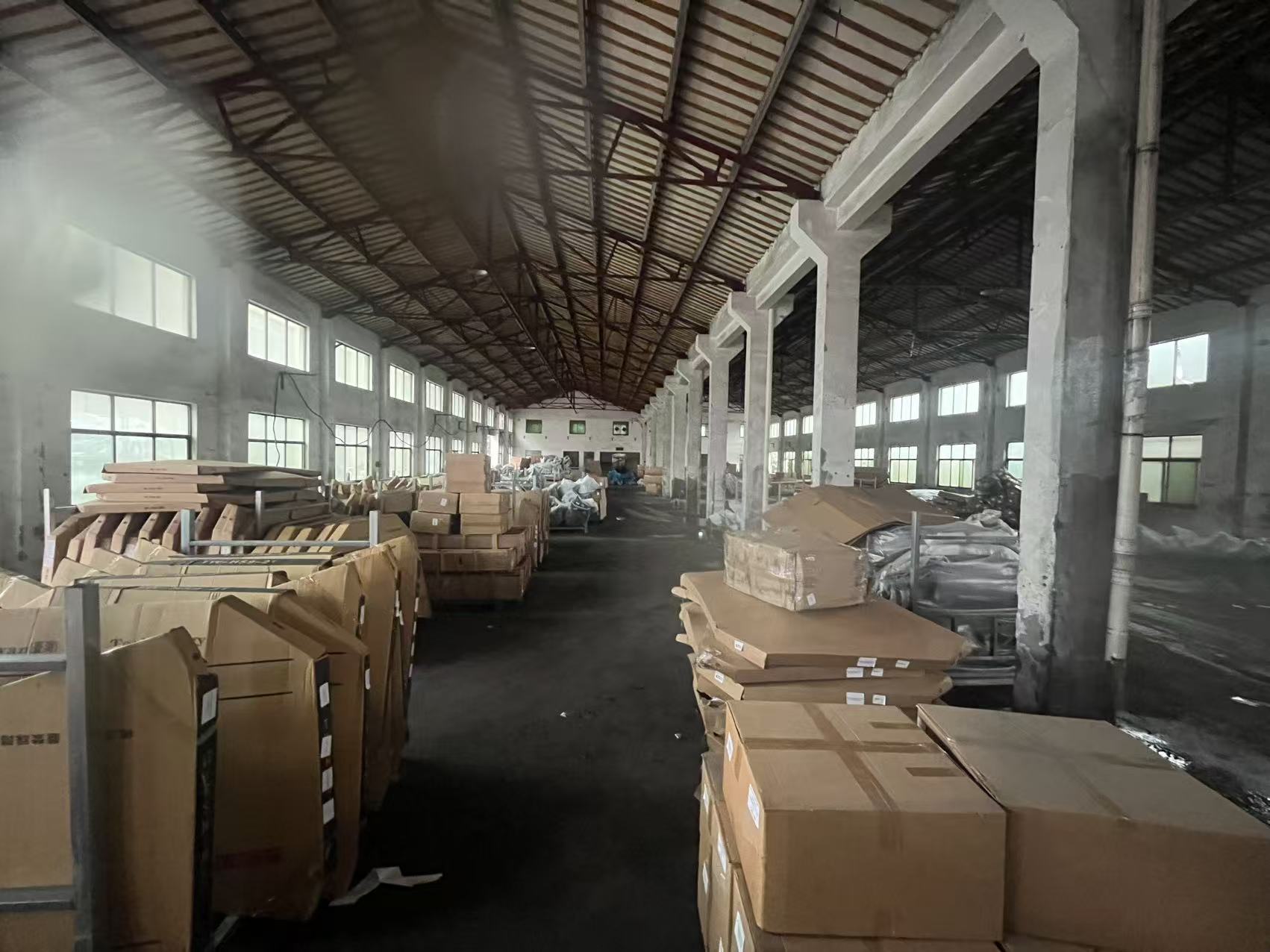
Established in 2023, Danyang Wanjiang Auto Parts Co., Ltd. operates a modern 10,000 sqm manufacturing facility with a dedicated team of 80 employees. Backed by 18 years of export and production expertise, the company specializes in manufacturing and supplying high-quality car bumpers, grilles, headlights, engine hoods, and fenders, with annual exports exceeding 500 containers. All products meet CE, EPR, and DOT international standards, ensuring seamless compatibility for American and German vehicle series in global markets.

Lastest
-
Can you manufacture a front bumper based on our proprietary 3D CAD files?
2026-06-29 -
Can you provide the DOT and SAE certification documents for this rear bumper?
2026-06-29 -
How many production lines do you dedicate to making this bumper upper?
2026-06-29 -
Is there an online portal to track aftermarket support for the front bumper assembly?
2026-06-29 -
What is the standard production lead time for a container of engine hoods?
2026-06-29
SUBSCRIBE
INQUIRY