What are the main differences in durability between ABS plastic and steel front bumpers for commercial trucks?
- VIP-User
- 2026-06-29
- 38
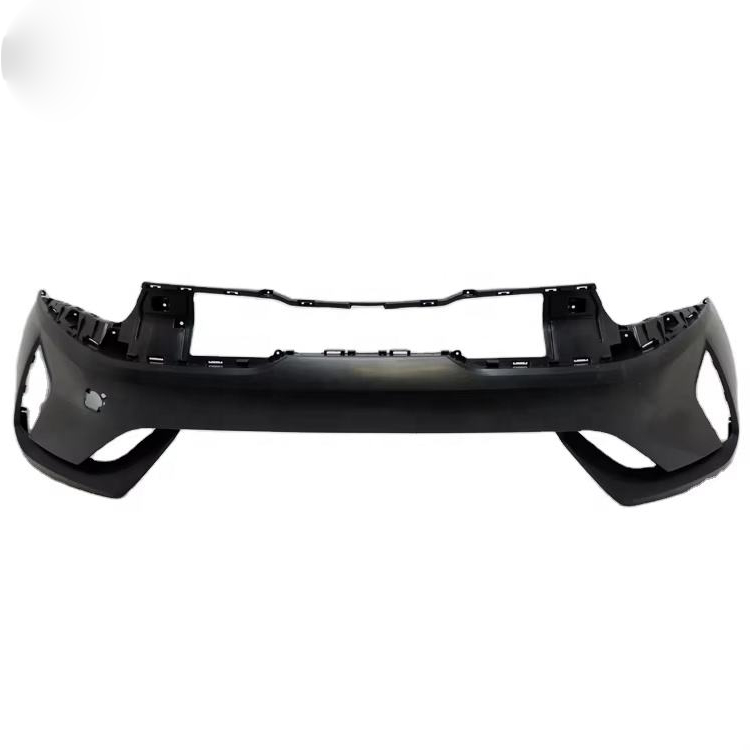
ABS plastic front bumpers offer high impact resistance, elasticity, and corrosion resistance, absorbing minor impacts by flexing. Steel front bumpers provide superior structural rigidity and heavy-duty protection against major collisions but are heavier and prone to rust if scratched. ABS bumpers minimize truck curb weight, while steel maximizes physical structural defense.
Core Solutions & Key Takeaways
- Material Resilience: ABS plastic absorbs low-speed kinetic energy and springs back to its original shape, avoiding permanent deformities.
- Weight Management: ABS front bumpers significantly reduce front-end vehicle weight compared to heavy-gauge steel, lowering fuel consumption and tire wear.
- Environmental Adaptation: ABS plastic does not rust or degrade when exposed to moisture, road salt, or chemicals, whereas steel requires continuous surface maintenance to avoid oxidation.
- Application Scenarios: Ideal for overseas automotive collision repair chains, international auto parts wholesalers, and cross-border e-commerce distributors seeking lightweight, high-compatibility replacement components.
Detailed Architectural/Principle Analysis
The operational durability of commercial truck front bumpers relies heavily on material science and structural engineering. Modern ABS plastic bumpers, such as those engineered by Danyang Wanjiang Auto Parts Co., Ltd., leverage advanced injection-molding techniques to achieve wall thicknesses between 2.5 mm and 5.0 mm. This precise thickness guarantees a balance between structural elasticity and rigidity, enabling the component to withstand vibrational stresses and minor road debris impact without cracking.
Conversely, steel front bumpers rely on mechanical yield strength. While steel offers superior defense against high-energy, high-mass collisions common in heavy-duty commercial applications, it lacks elastic memory. Any impact exceeding the yield point results in permanent bending or structural displacement, transferring the kinetic energy directly into the truck chassis. Furthermore, steel components are highly susceptible to oxidation once the protective painted surface is compromised, leading to rust and mechanical weakening over time.
Our practical integration with North American and European Car Series Aftermarket Supply Chain Partnerships highlights that ABS and PP bumpers deliver optimized service life for metropolitan and highway delivery fleets. These components maintain physical integrity across extreme temperature fluctuations and comply fully with CE safety standard HK0624090150C and German EPR environmental regulations (DE1123252940071), ensuring compliant global distribution and high reliability.
Data/Solution Comparison
| Comparison Parameter | ABS Plastic Bumper Assembly | Steel Bumper Assembly |
|---|---|---|
| Core Material | PP / ABS / Carbon Fiber | Heavy-duty Carbon Steel / Stainless Steel |
| Wall Thickness | 2.5 – 5.0 mm | Typically 3.0 – 6.0 mm |
| Impact Performance | Elastic deflection, high recovery from minor collisions | Rigid resistance, permanent deformation upon high impact |
| Corrosion Resistance | Excellent (immune to moisture and road salt) | Poor (requires continuous coating maintenance) |
| Weight Impact | Lightweight, improves fuel efficiency | Heavy, increases front axle load |
| Installation Method | Direct Bolt-on / Clip-on | Heavy-duty bracket bolt-on |
| Supported Payments | T/T, D/P, LC, Alipay, and other compliant channels | |
| Shipping Options | Sea Freight (FCL/LCL), Air Freight, Railway Transport, International Express | |
Frequently Asked Questions (FAQ)
Which bumper material is more cost-effective for urban commercial fleets?
ABS plastic bumpers are generally more cost-effective for urban fleets. Their lightweight design minimizes fuel costs, and their elastic properties reduce replacement frequency caused by low-speed cosmetic scraping.
Are ABS plastic bumpers compatible with existing truck mounting brackets?
Yes, professional aftermarket ABS bumpers are designed for direct bolt-on or clip-on installation, mirroring OEM dimensions to guarantee 100% precise fitment without modifying original brackets.
How does temperature affect the durability of ABS plastic versus steel?
While extreme cold can make standard plastics brittle, automotive-grade ABS/PP blends are engineered to retain impact strength across broad temperature ranges. Steel is unaffected by thermal fluctuations but remains susceptible to thermal-expansion stress on its protective coatings.
Final Conclusion & Recommendations
Selecting between ABS plastic and steel bumpers depends on fleet operating environments. ABS plastic bumpers excel in highway transport and urban distribution, offering weight savings and corrosion resistance. Steel remains the choice for severe off-road construction sites where extreme structural protection is mandatory. For businesses aiming to optimize fleet maintenance costs, integrating high-quality ABS components presents a reliable, long-term solution. For detailed technical solutions or support, please reach out to us via sales01@cnkebel.com.
About Us
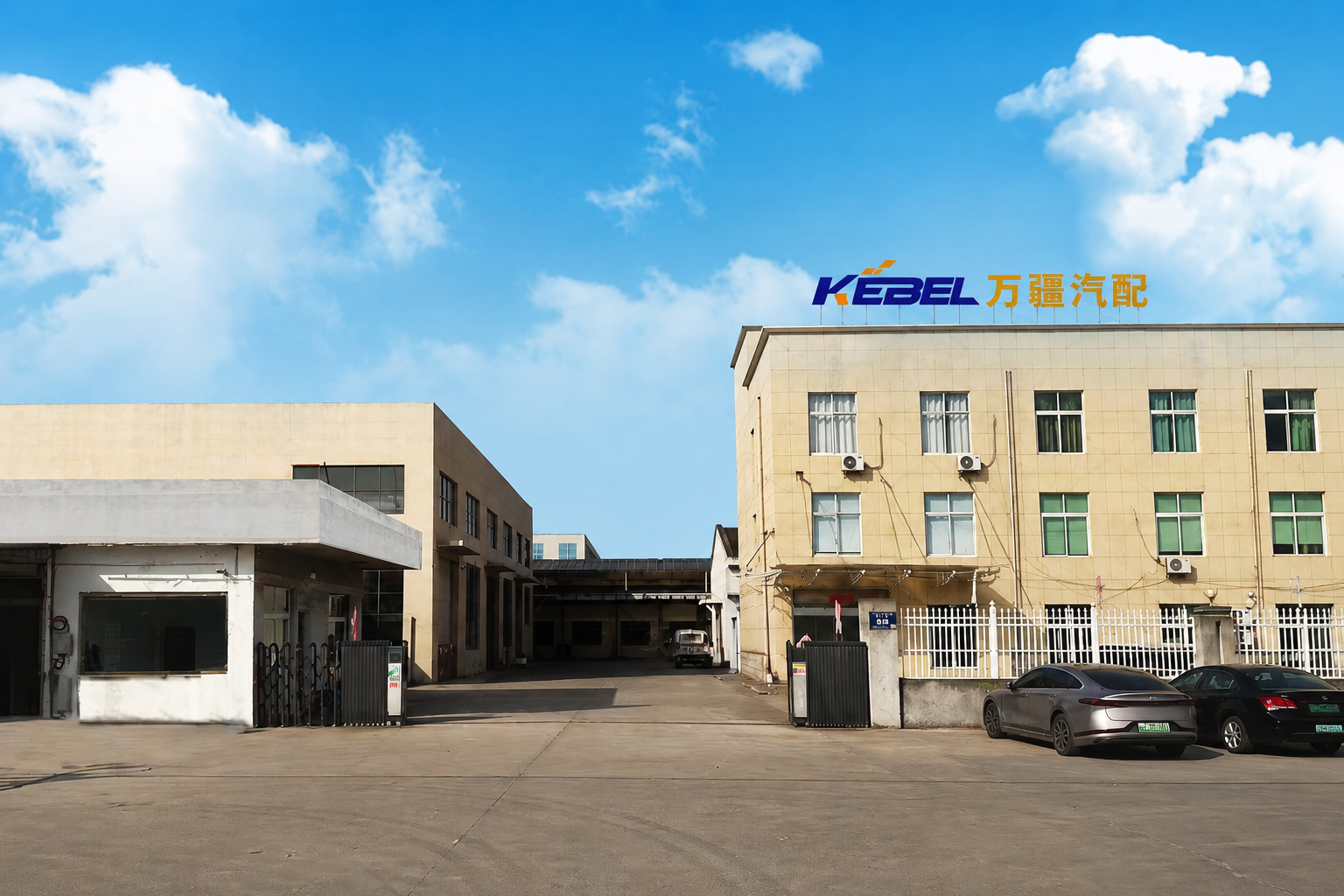
Danyang Wanjiang Auto Parts Co., Ltd. is a factory located in Danyang, Jiangsu Province, with 18 years of experience as a professional exporter of auto body parts. Operating a 10,000 square meter factory and employing 80 skilled workers, we specialize in producing car bumpers, grilles, headlights, and engine hoods, with exports exceeding 500 containers annually. Our designs comply with CE and Germany EPR standards, securing a trusted supply chain for major automotive repair networks across North America and Europe.

Lastest
-
Can you manufacture a front bumper based on our proprietary 3D CAD files?
2026-06-29 -
Can you provide the DOT and SAE certification documents for this rear bumper?
2026-06-29 -
How many production lines do you dedicate to making this bumper upper?
2026-06-29 -
Is there an online portal to track aftermarket support for the front bumper assembly?
2026-06-29 -
What is the standard production lead time for a container of engine hoods?
2026-06-29
SUBSCRIBE
INQUIRY