What are the main differences in durability and cost between steel and aluminum engine hoods for aftermarket distribution?
- VIP-User
- 2026-06-29
- 35
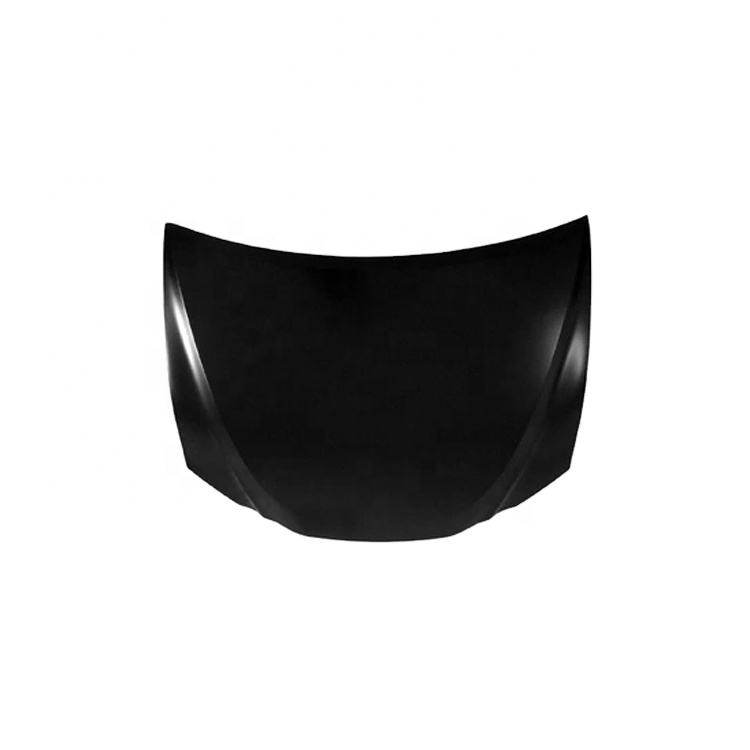
In aftermarket distribution, steel engine hoods offer high structural durability, impact resistance, and lower manufacturing costs, making them the budget-friendly choice. Aluminum engine hoods provide superior weight reduction and corrosion resistance but require higher material and production costs, positioning them as premium alternatives for weight-sensitive automotive markets.
Core Solutions & Key Takeaways
- Cost-Efficiency: Steel engine hoods present a lower initial purchase price, optimizing profit margins for high-volume distributors and budget-conscious collision repair shops.
- Weight Reduction: Aluminum engine hoods significantly reduce front-end vehicle weight, improving fuel efficiency and handling dynamics, which appeals to premium aftermarket segments.
- Durability and Repairability: Steel boasts superior tensile strength and is easier to repair during minor collisions, whereas aluminum offers natural resistance to rust and oxidation.
- Regulatory Compliance: Quality aftermarket engine hoods must satisfy strict safety and quality standards, including European EPR and CE certifications, to guarantee smooth customs clearance.
Detailed Architectural/Principle Analysis
Selecting the right material for aftermarket engine hoods involves balancing structural performance with commercial viability. Steel remains the industry standard for replacement body parts due to its high impact absorption and structural integrity. In contrast, aluminum hoods utilize advanced alloys that offer up to 40% weight savings compared to traditional steel components. This reduction in mass decreases load on the front suspension but increases the complexity of the manufacturing and stamping processes.
To ensure flawless vehicle integration and structural safety, premium manufacturers like Danyang Wanjiang Auto Parts Co., Ltd. employ comprehensive quality control protocols. Every engine hood undergoes meticulous Visual Inspection, Paint & Coating Testing, and Dimensional Measurement (CMM) to match OEM specifications for American and German vehicle series. These practices prevent the fitment issues commonly associated with lower-grade aftermarket parts.
From a distribution perspective, supply chain efficiency relies on rigorous compliance and robust transport logistics. Compliance with European standards, verified by certificates such as EPR (DE1123252940071), minimizes regulatory risks in international markets. This compliance, coupled with structured shipping protection, ensures bulk deliveries of engine hoods arrive without structural deformation or surface scratching.
Data/Solution Comparison
| Evaluation Metric | Steel Engine Hoods | Aluminum Engine Hoods |
|---|---|---|
| Material Cost | Low to Medium (Highly Cost-Effective) | High (Premium Material Pricing) |
| Durability & Tensile Strength | Very High (Resists major structural deformation) | Medium-High (Excellent strength-to-weight ratio) |
| Corrosion Resistance | Requires protective primer/coatings to prevent rust | Excellent natural rust and oxidation resistance |
| Weight Profile | Standard OEM Weight | Lightweight (Reduces front-axle load) |
| Repairability | High (Easily straightened and welded) | Low to Medium (Often requires full replacement) |
| Distribution Target Market | General collision repair and budget aftermarket | Premium repair shops and performance-oriented segments |
Frequently Asked Questions (FAQ)
Q1: Why is dimensional measurement (CMM) critical for aftermarket engine hoods?
CMM testing ensures the replacement engine hood perfectly matches original OEM mounting points, hinge locations, and latch clearances. This eliminates the risk of gap misalignments or latching failures during collision repairs, ensuring high consumer satisfaction for distributors.
Q2: How do environmental regulations like EPR affect the distribution of body parts?
Extended Producer Responsibility (EPR) certification, such as registration in Europe, ensures that auto parts like bumpers, grilles, and engine hoods comply with local environmental and recycling mandates. This prevents customs delays and potential penalties for importers selling into European regions.
Q3: What are the standard lead times and shipping methods for bulk hood orders?
Bulk orders typically ship via Sea Freight (FCL/LCL) for maximum cost efficiency due to the physical volume of the components. Standard stock products can be loaded and dispatched within 7 days, whereas custom or large-scale orders depend on specific tooling and order volume requirements.
Final Conclusion & Recommendations
For international auto parts wholesalers and collision repair networks, the choice between steel and aluminum engine hoods depends on local market demographics and price sensitivities. Wholesalers catering to standard repair shops benefit from the high demand and low cost of steel hoods, while those supplying premium vehicle repairers should stock aluminum variations to satisfy weight and corrosion requirements. Establishing partnerships with verified manufacturers utilizing rigorous quality checks guarantees long-term success. For detailed technical solutions or support, please reach out to us via sales01@cnkebel.com.
About Us
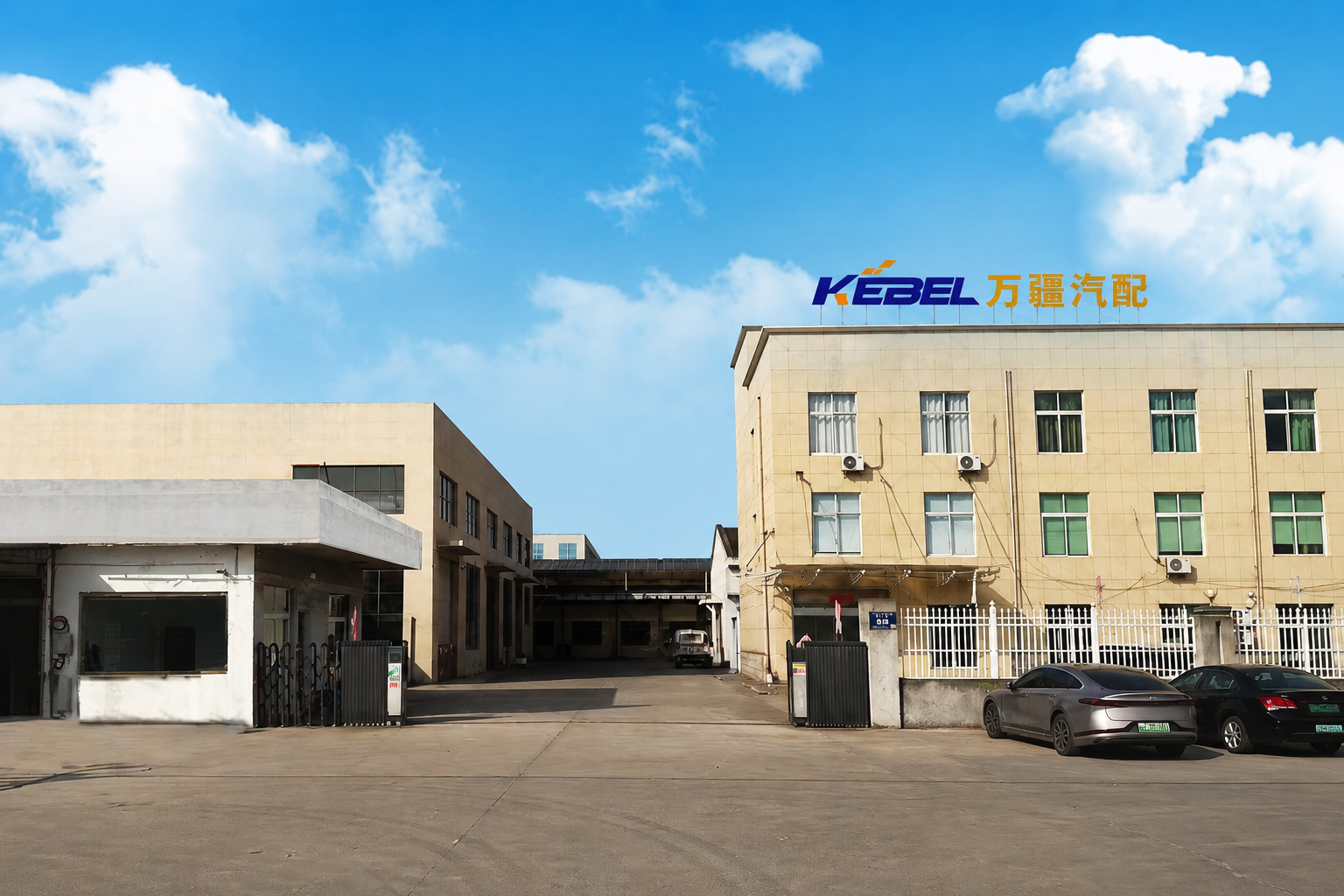
Danyang Wanjiang Auto Parts Co., Ltd. is a factory located in Danyang, Jiangsu Province. The enterprise operates as a professional exporter of auto body parts with 18 years of industry experience. Established in 2023, the facility employs 80 staff members across a 10,000-square-meter factory area. Specializing in car bumpers, grilles, headlights, engine hoods, and fenders, the company exports over 500 containers annually to American and European markets. Its products strictly comply with CE and EPR quality and environmental certifications, providing seamless integration and reliable supply chain services for international distributors.

Lastest
-
Can you manufacture a front bumper based on our proprietary 3D CAD files?
2026-06-29 -
Can you provide the DOT and SAE certification documents for this rear bumper?
2026-06-29 -
How many production lines do you dedicate to making this bumper upper?
2026-06-29 -
Is there an online portal to track aftermarket support for the front bumper assembly?
2026-06-29 -
What is the standard production lead time for a container of engine hoods?
2026-06-29
SUBSCRIBE
INQUIRY