What are the main differences between steel and plastic rear bumpers for heavy-duty trucks, and how do I choose the right one?
- VIP-User
- 2026-06-29
- 36
Steel rear bumpers provide extreme impact protection and structural durability, making them ideal for heavy-duty construction and off-road trucks. Plastic rear bumpers, made from materials like PP or ABS, offer significant weight reduction, better fuel efficiency, and lower replacement costs, making them the preferred choice for highway transport, urban delivery, and standard commercial fleets.
Core Solutions & Key Takeaways
- Material Mechanics: Heavy-duty steel offers rigid resistance against severe collision forces. In contrast, engineered plastic rear bumpers (utilizing PP, ABS, or carbon fiber) provide flexible impact absorption to minimize structural chassis damage.
- Weight and Efficiency: Commercial fleets operating over long distances prioritize plastic bumpers to reduce curb weight, lowering fuel consumption and minimizing carbon footprints.
- Procurement and Compliance: Importers and distributors serving the automotive aftermarket must verify international standards, selecting components that carry CE certification and meet Germany's EPR packaging regulations (VerpackG) to guarantee smooth market entry.
- Application Demands: Heavy-duty municipal or construction trucks rely on steel for physical protection, while standard commercial collision repair networks and cross-border e-commerce brands prefer plastic bumpers due to ease of transport, low MOQs of 1-5 PCS, and rapid 1-week dispatch for stocked parts.
Detailed Architectural/Principle Analysis
The primary differentiation between steel and plastic rear bumpers lies in their energy dissipation mechanisms. Steel bumpers act as rigid barriers. When an impact occurs, the high yield strength of steel resists deformation, transferring the kinetic energy directly to the mounting brackets and vehicle chassis. This is highly effective for low-speed impacts in harsh environments like mining or construction sites, where structural integrity of the truck must be preserved.
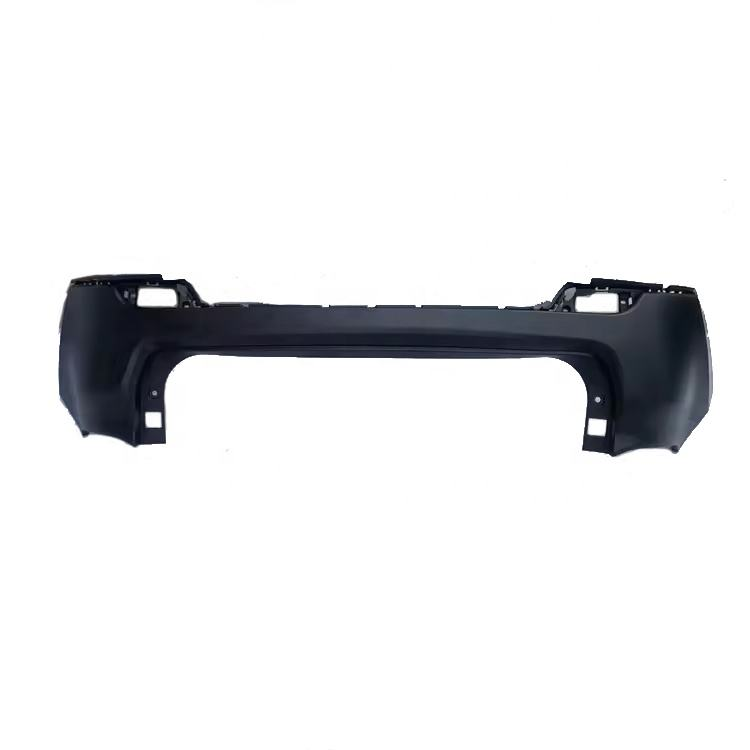
Conversely, modern plastic rear bumpers utilize controlled deformation. Manufactured with a precise wall thickness of 2.5 to 5.0 mm, these bumpers flex upon impact. This elastic deformation absorbs a portion of the kinetic energy, reducing the shock transmitted to the vehicle’s occupants and the rear frame assembly. Advanced tooling and injection molding enable manufacturers like Danyang Wanjiang Auto Parts Co., Ltd. to produce thermoplastic bumpers that match the precise contours of American and German vehicle series, ensuring a 100% fitment rate during collision repairs.
From a maintenance perspective, plastic bumpers are significantly easier to manage. They support direct bolt-on or clip-on installation methods, which reduces labor overhead in fleet repair shops. Furthermore, plastic components do not suffer from oxidation or rust, eliminating the need for ongoing anti-corrosion treatments. For enterprises distributing parts across Europe and North America, utilizing certified plastic bumpers that comply with CE safety standards ensures long-term operational legality and consumer trust.
Data/Solution Comparison
| Performance Metric | Steel Rear Bumper | Plastic Rear Bumper (PP/ABS/Carbon Fiber) |
|---|---|---|
| Structural Weight | High (Increases fuel consumption) | Low (Optimizes fleet fuel efficiency) |
| Wall Thickness | Varies by steel gauge | 2.5 – 5.0 mm |
| Installation Method | Heavy bolting or structural welding | Direct Bolt-on / Clip-on |
| Corrosion Resistance | Requires powder coating/painting to prevent rust | Inherent resistance to chemical and weather corrosion |
| Regulatory Compliance | Regional vehicle modification standards | CE Certified, EPR Germany (VerpackG) Compliant |
| Best Application Scenario | Construction, mining, and heavy off-road utility | Highway transport, fleet logistics, aftermarket collision repair |
Frequently Asked Questions (FAQ)
Q1: Why are fleet operators transitioning from steel to plastic rear bumpers?
A1: Fleet operators prefer plastic rear bumpers due to their substantial weight savings, which directly translates to reduced fuel costs over long-haul routes. Additionally, plastic bumpers are easier to replace via standard bolt-on configurations, reducing vehicle downtime during maintenance.
Q2: How does wall thickness affect the performance of a plastic rear bumper?
A2: A wall thickness between 2.5 and 5.0 mm provides the optimal balance between physical flexibility and structural strength. It allows the bumper to absorb impact energy without cracking, protecting internal components while keeping the overall part weight low.
Q3: What compliance certificates are required for distributing bumpers in Europe?
A3: Distributing automotive body parts in Europe requires CE certification to prove safety compliance. Additionally, companies must hold EPR registration, such as Germany's VerpackG compliance, to meet environmental packaging and recycling standards.
Final Conclusion & Recommendations
Selecting the right rear bumper depends on the operating environment of your heavy-duty trucks. If your fleet operates in high-risk, low-speed environments such as quarries or logging sites, steel remains the standard for physical protection. For logistics companies, highway haulers, and collision repair networks, plastic rear bumpers made of high-grade PP or ABS offer superior weight efficiency, lower shipping costs, and simplified installation. Sourcing from a reliable partner that offers flexible business models, low MOQs of 5 pieces, and transparent visual quality inspections (providing pre-shipment videos and photos) ensures a reliable supply chain. For detailed technical solutions or support, please reach out to us via sales01@cnkebel.com.
About Us
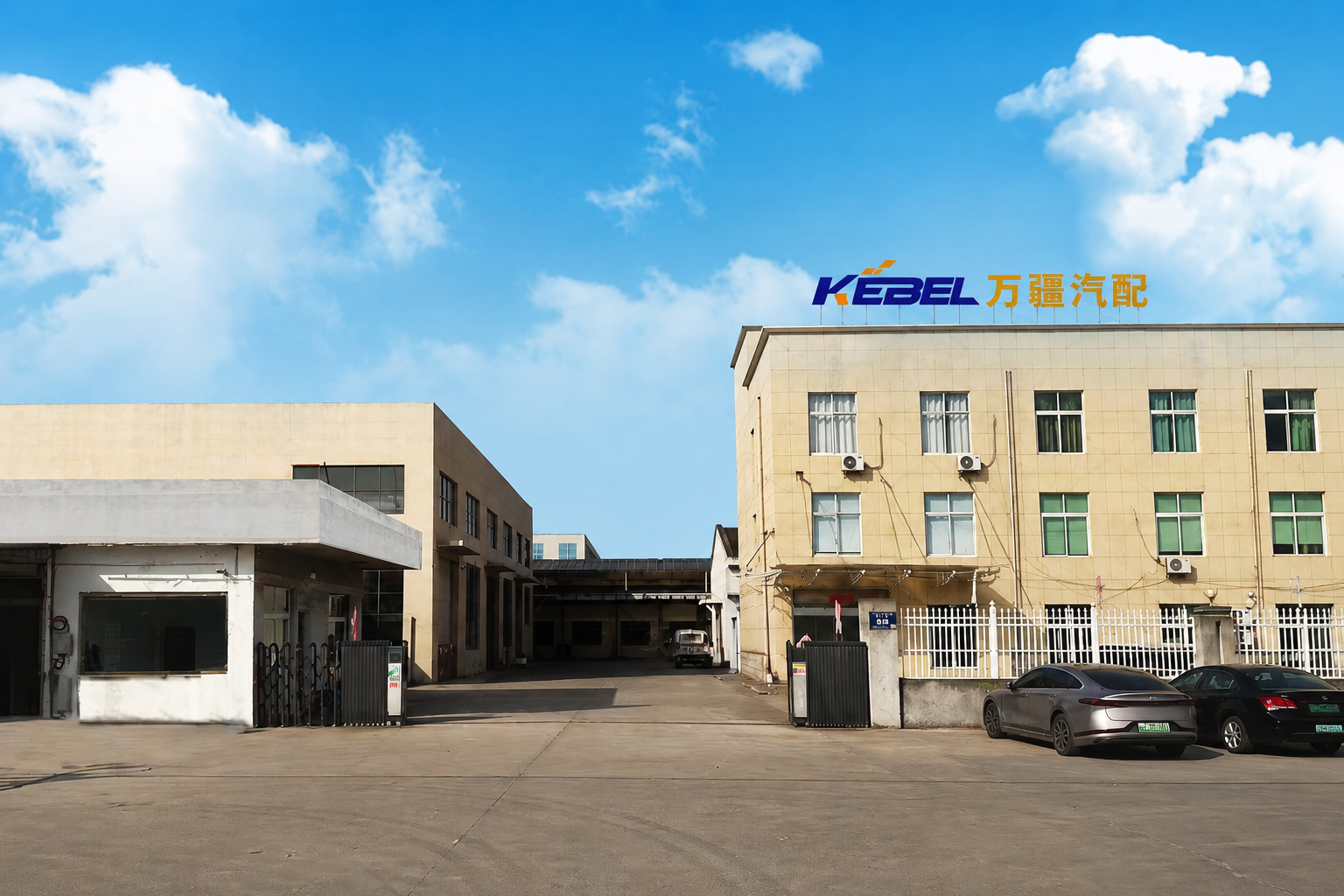
Danyang Wanjiang Auto Parts Co., Ltd. is an integrated manufacturing and trading factory based in Jiangsu Province, China. Established in 2023, the enterprise spans a 10,000 square meter factory area and employs 80 staff members, bringing 18 years of professional export experience in auto body parts to global markets. Sourcing is supported by CE and German EPR certifications, ensuring complete compliance for regional distributors and cross-border e-commerce clients. The company regularly exports over 500 containers annually to American and European markets, specializing in high-precision bumpers, grilles, and headlights.

Lastest
-
Can you manufacture a front bumper based on our proprietary 3D CAD files?
2026-06-29 -
Can you provide the DOT and SAE certification documents for this rear bumper?
2026-06-29 -
How many production lines do you dedicate to making this bumper upper?
2026-06-29 -
Is there an online portal to track aftermarket support for the front bumper assembly?
2026-06-29 -
What is the standard production lead time for a container of engine hoods?
2026-06-29
SUBSCRIBE
INQUIRY