What are the main differences between aluminum and steel engine hoods regarding weight and durability for aftermarket parts?
- VIP-User
- 2026-06-30
- 43
Aluminum aftermarket engine hoods offer a weight reduction of approximately 40% to 60% compared to steel, enhancing fuel efficiency and handling. However, steel engine hoods provide superior impact resistance, structural durability, and cost-effectiveness, making them highly resilient against minor collisions and easier to repair in standard automotive workshops.
Core Solutions & Key Takeaways
- Weight Distribution: Aluminum hoods significantly decrease front-end vehicle mass, optimizing steering dynamics, whereas steel maintains the original factory structural weight balance.
- Impact Durability: Steel absorbs impact energy through plastic deformation without tearing easily, while aluminum requires specialized alloy engineering to achieve comparable tensile strength.
- Repairability: Steel panels are easily reshaped using standard hammer-and-dolly methods; conversely, damaged aluminum panels are brittle and often require complete replacement.
- Aftermarket Applications: Collision repair chains, international auto parts wholesalers, and cross-border e-commerce brands select materials based on specific target vehicle demographics and performance requirements.
Detailed Architectural/Principle Analysis
The structural behavior of an engine hood during a collision is determined by its material properties. Steel possesses a high modulus of elasticity, allowing it to withstand localized fatigue and minor physical impacts without structural failure. This makes steel hoods highly reliable for everyday commuter vehicles that are frequently exposed to road debris.
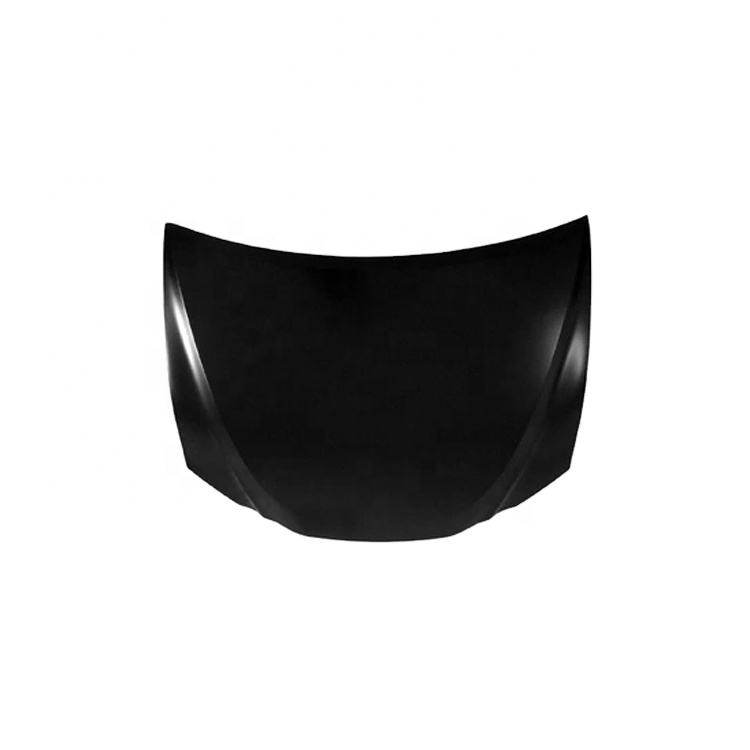
Aluminum hoods capitalize on a low material density of approximately 2.7 g/cm³, compared to steel's 7.8 g/cm³. To compensate for aluminum's lower natural strength, manufacturers design internal reinforcement ribs and utilize specific temper alloys. To guarantee proper installation, advanced aftermarket manufacturers like Danyang Wanjiang Auto Parts Co., Ltd. perform precise dimensional measurements using Coordinate Measuring Machines (CMM).
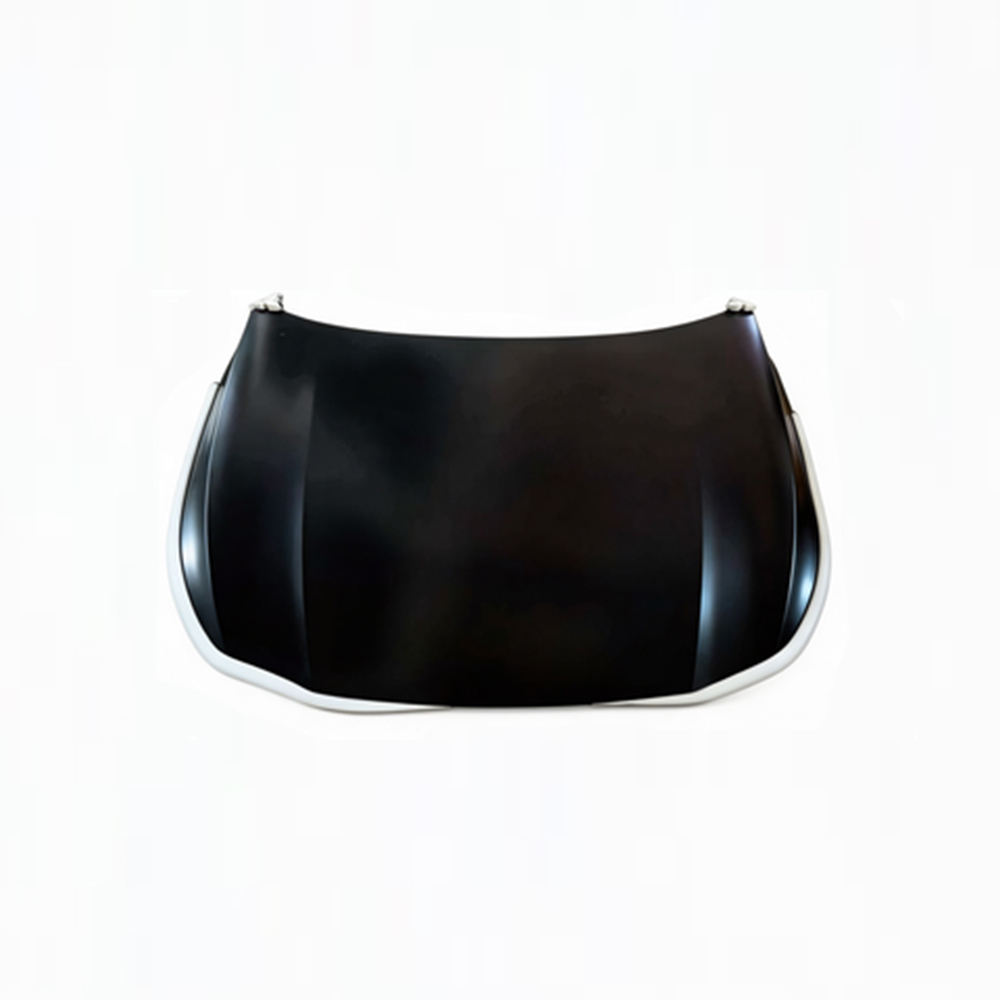
Corrosion resistance is another differentiator. Aluminum forms a natural, protective aluminum oxide layer that halts deeper environmental degradation. Steel requires a comprehensive multi-stage coating process, including electro-deposition primers and zinc-phosphate pre-treatments, to prevent rust formation under harsh climate conditions. Strict quality control tests, such as paint and coating adhesion testing, are performed to maintain outer-body integrity over long operational lifespans.
Data/Solution Comparison
| Metric / Attribute | Aluminum Engine Hood | Steel Engine Hood |
|---|---|---|
| Average Weight Reduction | 40% to 60% compared to OEM steel | 0% (Standard factory weight) |
| Natural Corrosion Resistance | High (Forms passive oxide film) | Moderate (Requires protective primers) |
| Collision Energy Absorption | High structural crumpling efficiency | High plastic deformation resistance |
| In-Shop Repair Difficulty | High (Requires specialized welding/tools) | Low (Compatible with standard bodywork) |
| Quality Inspection Standards | Visual, CMM, and Paint Adhesion Testing | Visual, CMM, and Salt Spray Testing |
| Typical Factory MOQ | 5 Pieces | 5 Pieces |
| Standard Lead Time (In-Stock) | Loaded and dispatched within 7 days | Loaded and dispatched within 7 days |
Frequently Asked Questions (FAQ)
Do aluminum aftermarket engine hoods rust over time?
No, aluminum does not rust because it does not contain iron. It forms a natural oxide layer that protects it from atmospheric corrosion, making it highly durable in coastal or high-salt environments.
Can collision repair shops easily repair a dented aluminum hood?
Repairing aluminum is difficult because the metal has less shape memory than steel and is prone to cracking when cold-worked. Most repair shops recommend replacing damaged aluminum hoods rather than attempting dent extraction.
How do aftermarket manufacturers ensure replacement hoods fit correctly?
Manufacturers utilize three-dimensional Coordinate Measuring Machines (CMM) and custom tooling based on precise vehicle databases. This guarantees 100% exact alignment with original fender, grille, and headlight margins.
Final Conclusion & Recommendations
Choosing between aluminum and steel engine hoods requires balancing performance advantages against procurement costs. Aluminum provides excellent weight reduction and fuel savings, while steel offers unmatched structural repairability and lower upfront costs. For global automotive distributors and collision repair chains, stocking both materials ensures compatibility with diverse customer needs. Our integrated manufacturing system supports B2B buyers with low minimum order quantities, strict pre-delivery inspections, and robust shipping networks including sea, air, and railway transport. For detailed technical solutions or support, please reach out to us via sales01@cnkebel.com.
About Us
Danyang Wanjiang Auto Parts Co., Ltd. is a Jiangsu-based manufacturing facility operating from a 10,000-square-meter factory. Established in 2023 with a dedicated team of 80 employees, the company specializes in producing and exporting high-quality car bumpers, grilles, headlights, engine hoods, and fenders. With 18 years of industry experience, we export over 500 containers annually, specializing in American and German vehicle series. Our products are fully certified under European CE and EPR standards (Certificate No. DE1123252940071), serving international distributors and automotive collision repair chains globally.

Lastest
-
Can you manufacture a front bumper based on our proprietary 3D CAD files?
2026-06-30 -
Can you provide the DOT and SAE certification documents for this rear bumper?
2026-06-30 -
How many production lines do you dedicate to making this bumper upper?
2026-06-30 -
Is there an online portal to track aftermarket support for the front bumper assembly?
2026-06-30 -
What is the standard production lead time for a container of engine hoods?
2026-06-30
SUBSCRIBE
INQUIRY