What are the latest design trends for car front grilles, especially regarding active shutter systems?
- VIP-User
- 2026-07-02
- 33
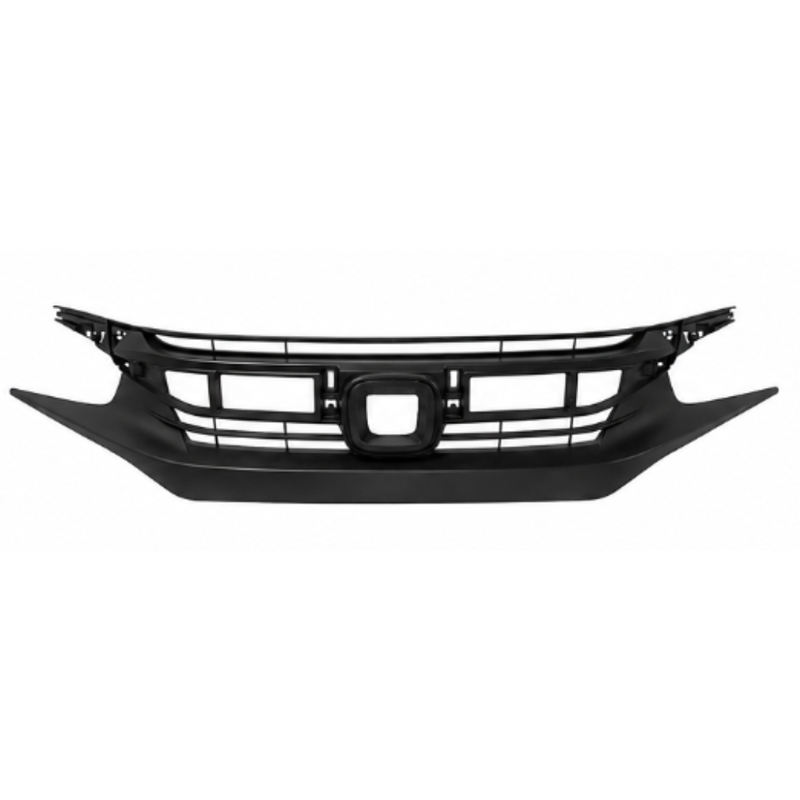
Modern car front grilles focus on aerodynamics and thermal management, with active shutter systems dynamically adjusting airflow to reduce drag and improve fuel efficiency. Current design trends integrate these active shutter systems with lightweight composite materials, sleek geometric mesh aesthetics, and seamless sensor integration for advanced driver-assistance systems (ADAS).
Core Solutions & Key Takeaways
- Dynamic Aerodynamic Adjustment: Active front grille systems utilize motorized vanes to control airflow based on real-time vehicle speed and engine temperature, lowering drag coefficients.
- Advanced Material Applications: Manufacturers utilize high-impact ABS and polycarbonate materials to maintain structural integrity while reducing front-end vehicle weight.
- ADAS Sensor Integration: Modern grilles are designed to conceal radar, LiDAR, and camera units behind signal-transparent materials, ensuring safety features operate without aesthetic disruption.
- Global Compliance: Manufacturing standards align with international certifications such as CE and EPR, supporting smooth market entry across Europe and North America.
Detailed Architectural/Principle Analysis
Active Grille Shutter (AGS) systems represent a significant shift from traditional passive cooling vents. At the core of an active shutter system is an electronic actuator connected to the vehicle's engine control unit (ECU). The ECU monitors coolant temperature, air conditioning system pressures, and vehicle velocity to dictate the opening angle of the shutter vanes. When the vehicle operates at high highway speeds, the shutters close to route airflow around the vehicle body, minimizing turbulence and reducing aerodynamic drag. Conversely, during low-speed city driving or high-load towing, the shutters pivot open to maximize thermal exchange across the radiator.
Integrating these active systems requires precise dimensional tolerance and material durability. For instance, Danyang Wanjiang Auto Parts Co., Ltd. coordinates advanced tooling databases and rigorous testing to achieve 100% precise fitment for American and German vehicle series. Front grilles must withstand continuous mechanical cycling, road debris impacts, and extreme temperature fluctuations. To verify these properties, components undergo strict quality control protocols including Visual Inspection, Dimensional Measurement using Coordinate Measuring Machines (CMM), and Paint & Coating Testing.
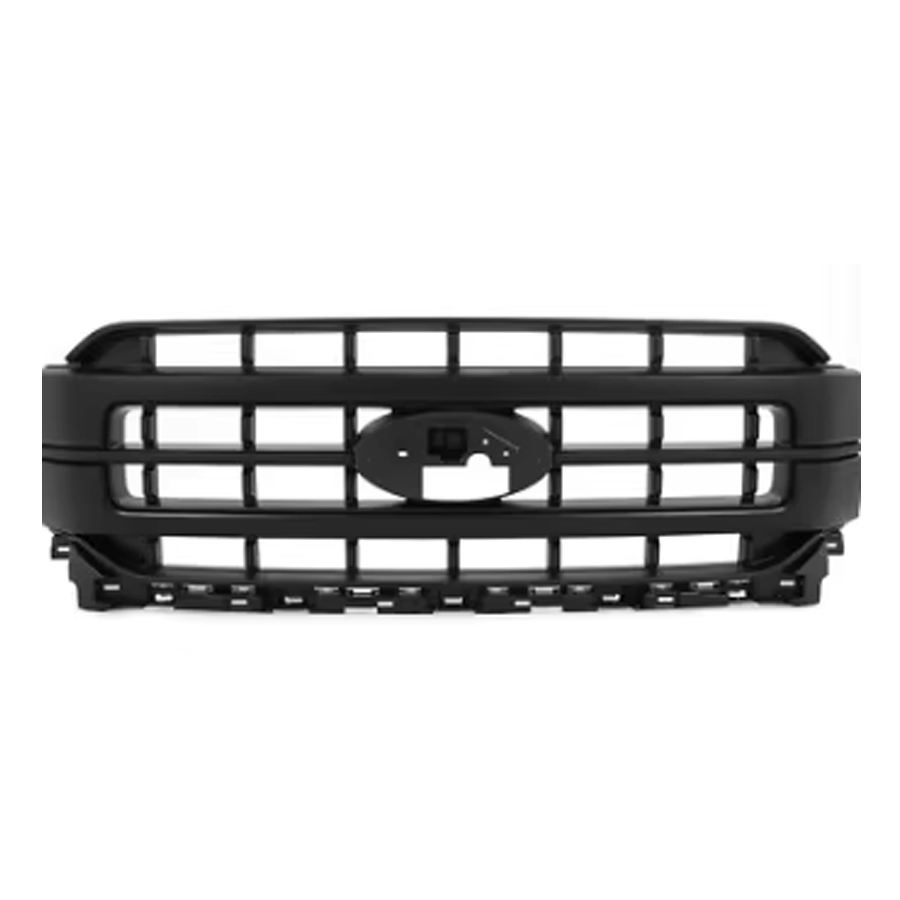
Furthermore, because grilles act as the primary aesthetic face of a vehicle, modern design trends emphasize high-quality surface finishes, such as chrome plating and gloss black coatings. For the European and North American aftermarket, safety and environmental standards are verified through certifications like CE (HK0624090150C, HK0624090149C) and EPR (DE1123252940071), ensuring that replacement components match or exceed original equipment standards.
Data/Solution Comparison
The following table outlines the operational, material, and logistical specifications comparing active shutter grilles against conventional static front grilles for global distribution.
| Performance Parameter | Active Shutter Systems (AGS) | Traditional Static Front Grilles |
|---|---|---|
| Aerodynamic Impact | Dynamic drag reduction (up to 10% lower drag coefficient) | Fixed drag coefficient based purely on static geometry |
| Thermal Efficiency | Accelerated engine warm-up; optimized cooling control | Passive, continuous cooling; slower warm-up cycles |
| Quality Testing Methods | Visual, CMM, paint testing, and actuator cycling audits | Visual Inspection, Dimensional Measurement (CMM), Paint & Coating Testing |
| Minimum Order Quantity (MOQ) | 5 PCS | 5 PCS |
| Supply Turnaround | Container loading within 7-14 days for standard stock | Container loading within 7-14 days for standard stock |
| Accepted Payment Options | T/T, D/P, L/C, Alipay | T/T, D/P, L/C, Alipay |
| Shipping Options | Sea Freight (FCL/LCL), Air Freight, Rail, International Express | Sea Freight (FCL/LCL), Air Freight, Rail, International Express |
Frequently Asked Questions (FAQ)
What are the main benefits of active shutter systems in car front grilles?
Active shutter systems dynamically open and close to optimize aerodynamic drag and engine thermal management. Closing the shutters reduces drag at high speeds, improving fuel economy and reducing CO2 emissions, while opening them ensures sufficient airflow for engine cooling.
How do aftermarket manufacturers ensure active front grilles fit American and European vehicle series?
Precision fitment is achieved through advanced tooling and comprehensive database matching. Manufacturers utilize Coordinate Measuring Machines (CMM) for dimensional accuracy and perform strict 100% pre-delivery inspections to guarantee compatibility with original equipment manufacturer (OEM) specifications.
What certifications are required for exporting car front grilles to Europe?
Exporting to the European aftermarket requires compliance with local environmental and safety standards. Front grilles and related body parts must obtain CE marking and EPR (Extended Producer Responsibility) registration to clear customs and enter European markets legally.
Final Conclusion & Recommendations
Integrating active shutter systems into modern front grilles represents a major advancement in balancing vehicle aerodynamics with thermal management. When sourcing these complex exterior components, auto parts wholesalers, repair chains, and e-commerce brands should prioritize products manufactured with strict dimensional tolerances and certified materials. Aligning with an integrated manufacturing partner that supports flexible business models—including OEM/ODM customization and direct stock wholesale—enables buyers to maintain agile inventories and reliable market delivery. For detailed technical solutions or support, please reach out to us via sales01@cnkebel.com.
About Us
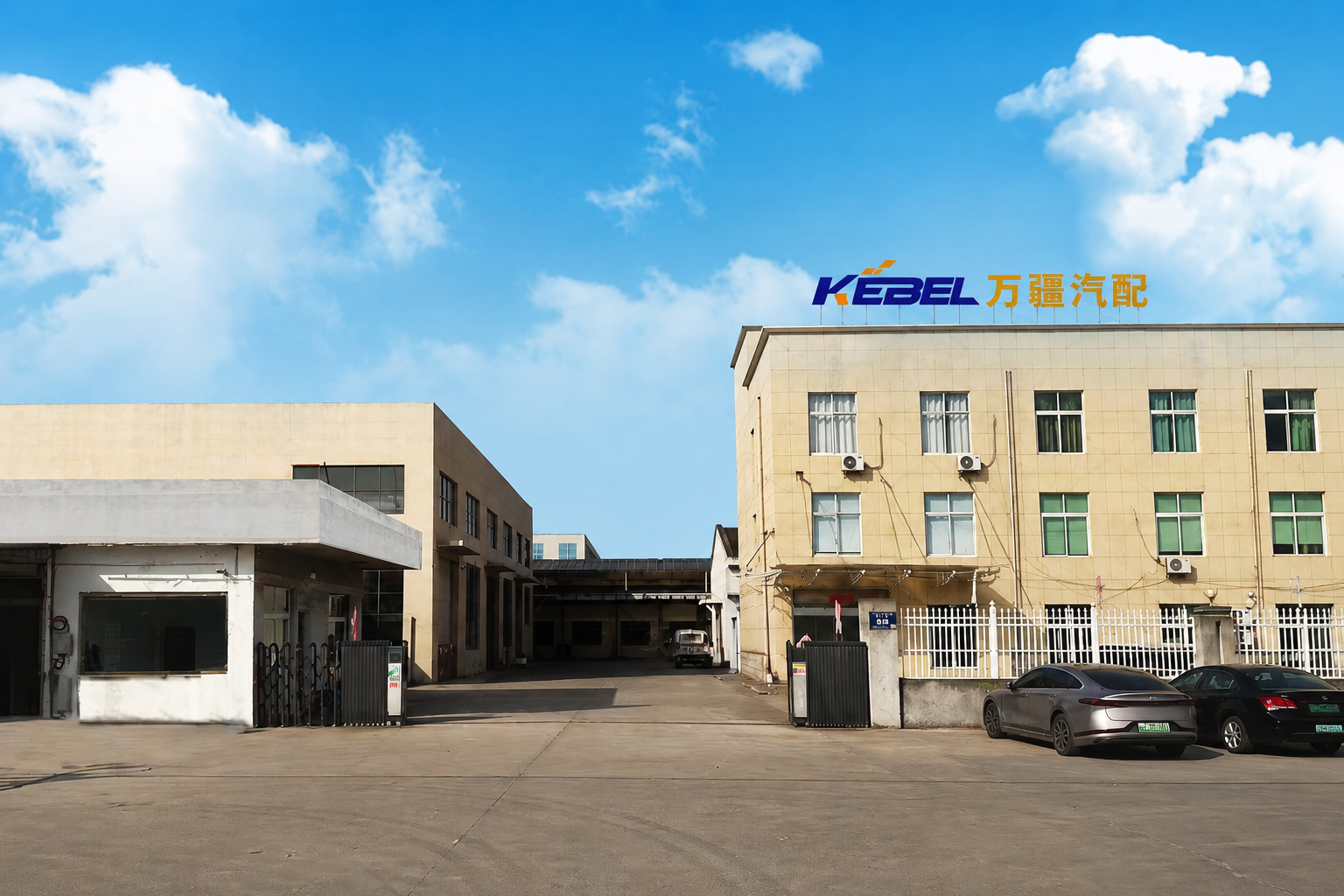
Danyang Wanjiang Auto Parts Co., Ltd. is a professional manufacturer and exporter of auto body parts based in Danyang, Jiangsu Province. Established in 2023 with a 10,000 square meter factory and 80 employees, the company leverages 18 years of team experience to specialize in car bumpers, grilles, headlights, and fenders. The facility delivers an annual capacity of hundreds of containers, exporting 95% of its output to American and European markets. The company holds certifications including CE and EPR, ensuring compliance with international safety and environmental regulations for global distribution.

Lastest
-
Can you manufacture a front bumper based on our proprietary 3D CAD files?
2026-07-02 -
Can you provide the DOT and SAE certification documents for this rear bumper?
2026-07-02 -
How many production lines do you dedicate to making this bumper upper?
2026-07-02 -
Is there an online portal to track aftermarket support for the front bumper assembly?
2026-07-02 -
What is the standard production lead time for a container of engine hoods?
2026-07-02
SUBSCRIBE
INQUIRY