What are the key thickness specs I should check when sourcing aftermarket steel engine hoods?
- VIP-User
- 2026-06-30
- 33
Sourcing aftermarket steel engine hoods requires verifying dimensional measurement precision, visual alignment, and paint thickness standards to ensure OEM-grade fitment. While physical steel gauge thickness must match factory specifications for structural integrity, key indicators of quality include precise dimensional tolerances verified by Coordinate Measuring Machines (CMM) and consistent paint and coating testing to resist corrosion.
Core Solutions & Key Takeaways
- Dimensional Precision (CMM): Guarantees 100% precise fitment for American and German vehicle series, eliminating alignment risks in repair shops.
- Paint & Coating Integrity: Measures dry film thickness and adhesion strength to prevent premature rusting under harsh weather conditions.
- Visual Quality Checks: Identifies surface imperfections and structural flaws prior to shipping to reduce return rates.
- Compliance and Certification: Aligning with components holding European EPR registrations (DE1123252940071) ensures seamless entry into strict global markets.
Detailed Architectural/Principle Analysis
An engine hood serves as a primary structural and aesthetic component. To achieve original-equipment equivalent performance, manufacturers utilize Dimensional Measurement via Coordinate Measuring Machines (CMM). This process guarantees the hood meets exact dimensional tolerances, preventing gaps or misalignments during installation on American and German vehicle series. 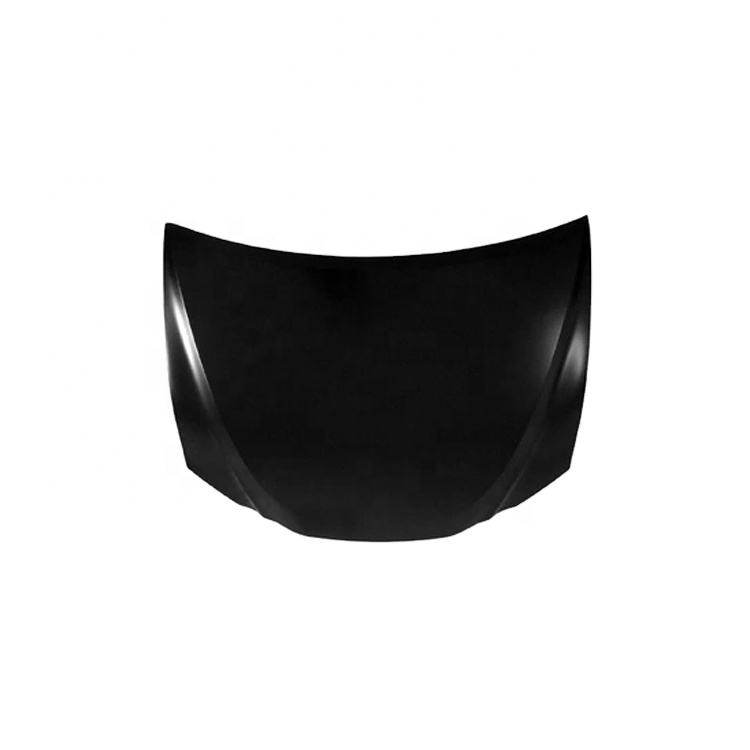
Beyond physical dimensions, the paint and coating layer is subjected to specialized testing to measure dry film thickness and adhesion strength. Proper paint thickness prevents premature rusting and peeling under extreme weather conditions. This level of quality control is verified through rigorous visual inspections before shipping, ensuring that wholesalers and collision repair chains receive flawless parts. For European distribution, certifications such as the EPR registration (DE1123252940071) confirm compliance with local environmental and material standards for engine hoods, fenders, and grilles. 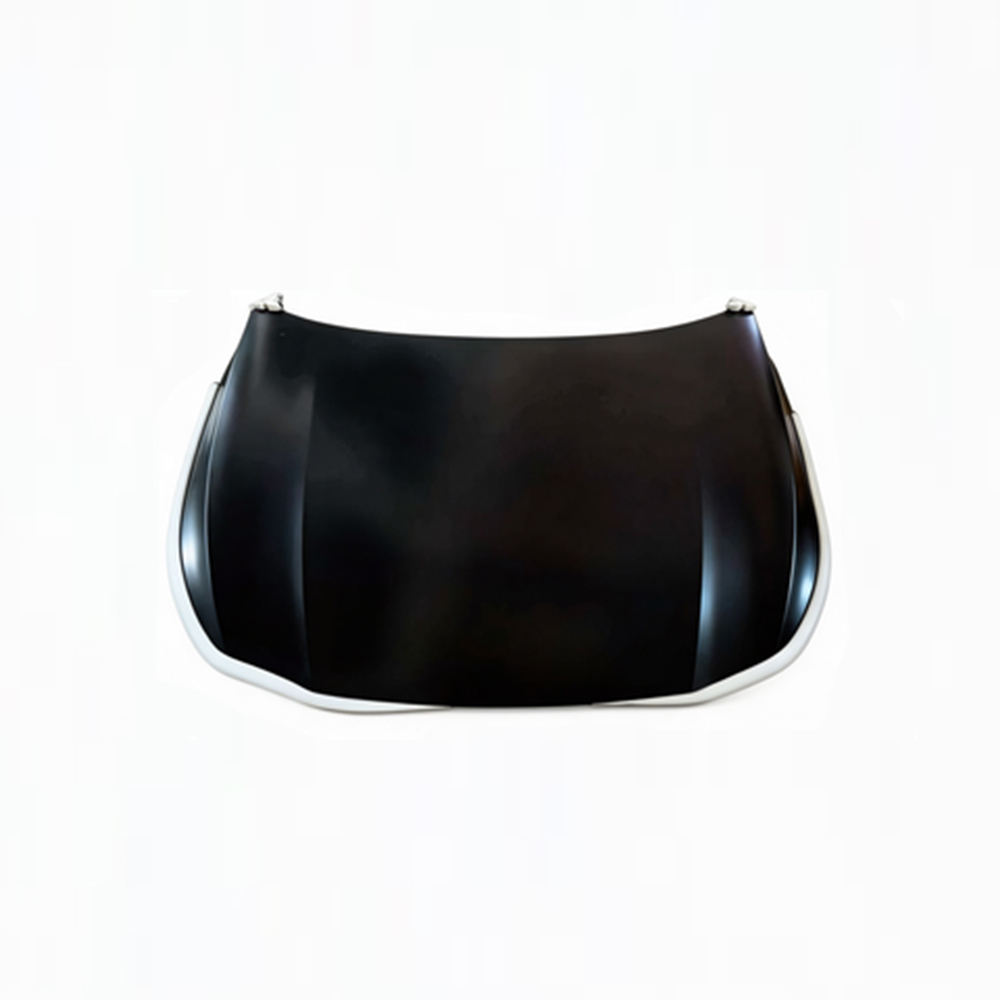
Data/Solution Comparison
| Inspection Parameter | Sourcing Requirement | Verification Method |
|---|---|---|
| Dimensional Precision | 100% OEM alignment compatibility | Coordinate Measuring Machine (CMM) |
| Surface Finish & Coatings | Uniform paint thickness and corrosion resistance | Visual Inspection & Coating Testing |
| Logistics Dispatch | Container loading within 1 to 2 weeks | Pre-delivery video or picture verification |
Frequently Asked Questions (FAQ)
Why is Dimensional Measurement (CMM) critical for steel engine hoods?
CMM ensures that every contoured curve and mounting point on the aftermarket steel engine hood matches OEM specifications. This prevents uneven panel gaps and latching issues during collision repair.
How do paint and coating tests protect aftermarket engine hoods during transport and use?
Paint and coating testing measures thickness and adhesion. Proper execution ensures the primer protects the underlying steel against salt, moisture, and road debris, preventing corrosion and surface degradation.
What quality assurances are provided before the engine hoods are dispatched?
Every finished engine hood undergoes a visual inspection and dimensional check. Buyers can request high-definition pre-delivery verification videos or photographs to confirm product condition before loading.
Final Conclusion & Recommendations
When sourcing aftermarket steel engine hoods, professional distributors should demand verified inspection reports covering dimensions and coatings. Partnering with suppliers that provide integrated manufacturing, strict quality verification, and clear-cut liability models reduces procurement risks. For detailed technical solutions or support, please reach out to us via sales01@cnkebel.com.
About Us
Danyang Wanjiang Auto Parts Co., Ltd. is a professional exporter of auto body parts based in Jiangsu Province. Established in 2023, the factory spans a 10,000 square meter area and employs 80 personnel, leveraging 18 years of export experience to manufacture bumpers, grilles, headlights, engine hoods, and fenders. The company exports over 500 containers annually to American and European markets, ensuring all products comply with CE and EPR standards. 
Lastest
-
Can you manufacture a front bumper based on our proprietary 3D CAD files?
2026-06-30 -
Can you provide the DOT and SAE certification documents for this rear bumper?
2026-06-30 -
How many production lines do you dedicate to making this bumper upper?
2026-06-30 -
Is there an online portal to track aftermarket support for the front bumper assembly?
2026-06-30 -
What is the standard production lead time for a container of engine hoods?
2026-06-30
SUBSCRIBE
INQUIRY