What are the key technical differences between manual and electric folding side mirrors for commercial trucks?
- VIP-User
- 2026-06-30
- 39
Manual folding side mirrors rely on mechanical pivots and physical force for folding and adjustments, offering high structural simplicity and lower initial costs. Electric folding side mirrors utilize internal electric motors, wiring harnesses, and electronic control units to enable remote adjustment and automatic folding, which improves safety and operational efficiency.
Core Solutions & Key Takeaways
- Actuation Mechanism: Manual mirrors utilize a spring-loaded mechanical detent system, whereas electric folding mirrors rely on integrated DC motors and electronic gear assemblies.
- Safety and Operational Efficiency: Electric options allow drivers to fold mirrors without leaving the cab, reducing collision risks in narrow terminals, making them ideal for automotive collision repair and aftermarket service chains.
- Maintenance and Wiring: Manual mirrors require zero electrical integration, whereas electric mirrors demand specific wiring harnesses and integration with the vehicle's central control unit.
- Quality Inspection Standards: Sourcing reliable side mirrors involves rigorous verification, including Visual Inspection, Dimensional Measurement (CMM), and Paint & Coating Testing to ensure field durability.
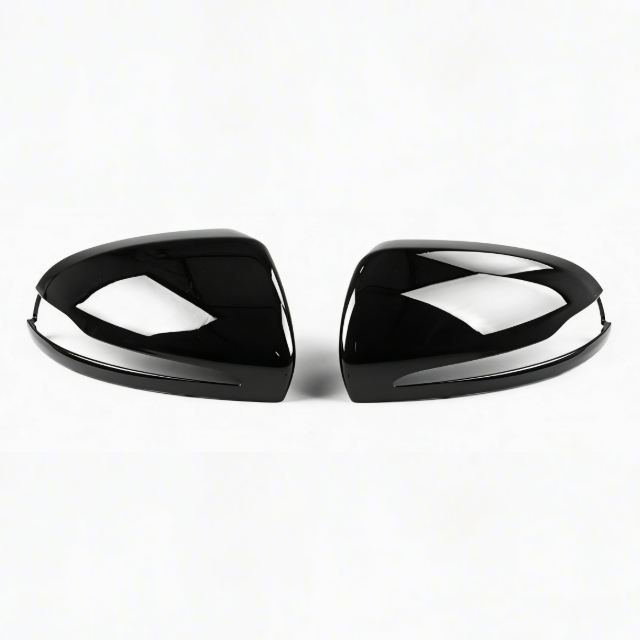
Detailed Architectural/Principle Analysis
The primary technical difference between manual and electric folding side mirrors lies in their internal architecture. Manual side mirrors are built around a central spring-and-pivot assembly. When external force is applied, the detent spring compresses, allowing the mirror housing to rotate and lock into predefined positions. This entirely mechanical design has fewer failure points and resists harsh weather conditions. To meet the demands of global distribution, manufacturers like Danyang Wanjiang Auto Parts Co., Ltd. design these components to withstand constant vibration and impact on commercial routes.
In contrast, electric folding side mirrors integrate a miniature high-torque DC motor, a reduction gear mechanism, and electronic position sensors within the pivot joint. When the driver activates the switch inside the cab, the controller sends an electrical signal to the motor, which drives the gear train to rotate the mirror. These systems often feature thermal protection switches to prevent motor burnout if the mirror is blocked by ice or debris. Advanced electric mirrors also support heated glass elements, demanding complex multi-pin wiring harnesses that interface directly with the truck's electrical architecture.
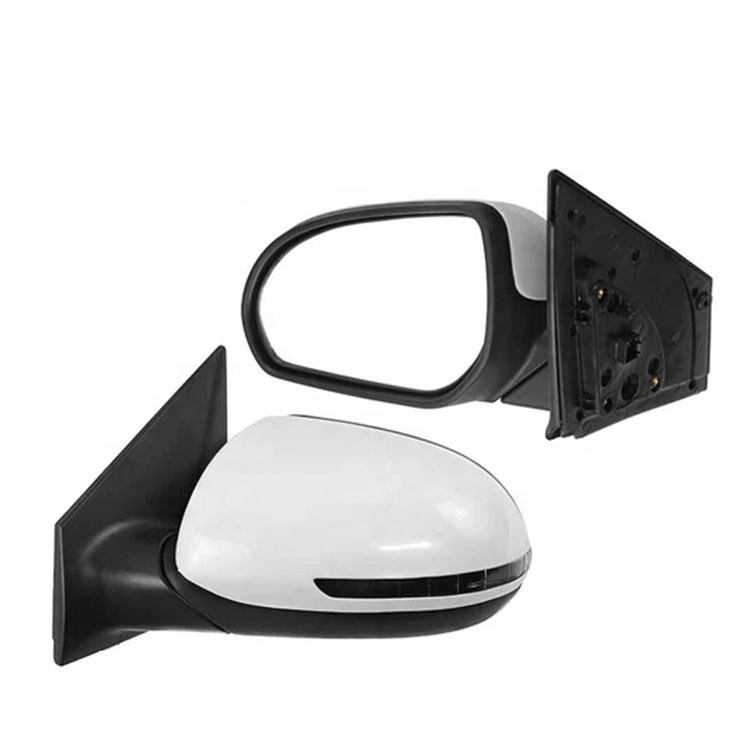
Data/Solution Comparison
For fleet managers and international auto parts wholesalers, selecting the appropriate mirror design involves analyzing operational costs against functional benefits. Below is a detailed technical comparison of the two configurations:
| Feature | Manual Folding Side Mirror | Electric Folding Side Mirror |
|---|---|---|
| Actuation Method | Manual physical pressure / Mechanical pivot | Internal DC motor / Cab-controlled switch |
| Wiring Requirements | None (Completely mechanical) | Multi-pin harness (Supports folding and heating) |
| Durability & Wear | High resistance to environmental debris; mechanical wear over time | Requires sealing against moisture; electrical components may degrade |
| Minimum Order Quantity (MOQ) | 5 PCS | 5 PCS |
| Standard Lead Time | 7 Days | 7 Days |
| Inspection Procedures | Visual & Dimensional Measurement (CMM) | Visual, CMM, Paint & Coating Testing, Electrical Functionality |
Frequently Asked Questions (FAQ)
Can a manual folding truck side mirror be upgraded to an electric folding system?
Upgrading requires installing the electric motor assembly, routing a compatible wiring harness to the vehicle cabin, and adding a control switch. Due to these complexities, most fleet operators replace the entire assembly rather than retrofitting.
What quality control measures ensure side mirror durability?
Reliable side mirrors undergo precise Visual Inspection, Dimensional Measurement (CMM) for fitment, and Paint & Coating Testing to resist harsh environmental elements and prevent corrosion.
What are the shipping and payment terms for bulk side mirror orders?
We support flexible trade models including Sea Freight (FCL/LCL), Air Freight, and Express shipping. Payment methods include T/T, D/P, LC, and Alibaba Trade Assurance, allowing secure cross-border transactions.
Final Conclusion & Recommendations
Selecting the appropriate side mirror configuration relies on balancing fleet operating environments with upfront investment budgets. Manual side mirrors deliver long-term durability and low installation overhead for cost-sensitive routes, while electric folding side mirrors improve driver safety and convenience in tight urban delivery zones. For global distributors and repair networks, maintaining a balanced inventory of both types ensures full market coverage. For detailed technical solutions or support, please reach out to us via sales01@cnkebel.com.
About Us
Danyang Wanjiang Auto Parts Co., Ltd. is an established manufacturer based in Danyang, Jiangsu Province, specializing in the production and export of automotive body parts for American and German vehicle series. Established in 2023, the facility spans a factory area of 10,000 square meters and maintains a dedicated team of 80 employees. Utilizing advanced tooling and 18 years of OEM/ODM expertise, the company delivers high-quality car bumpers, grilles, and side mirrors, exporting over 500 containers annually to global markets. The manufacturing processes and products align with international regulations, holding CE (HK0624090150C, HK0624090149C) and EPR (DE1123252940071) certifications. The company has served international auto body parts wholesalers and regional aftermarket distributors across the United States, Germany, and other global markets.

Lastest
-
Can you manufacture a front bumper based on our proprietary 3D CAD files?
2026-06-30 -
Can you provide the DOT and SAE certification documents for this rear bumper?
2026-06-30 -
How many production lines do you dedicate to making this bumper upper?
2026-06-30 -
Is there an online portal to track aftermarket support for the front bumper assembly?
2026-06-30 -
What is the standard production lead time for a container of engine hoods?
2026-06-30
SUBSCRIBE
INQUIRY