What are the key material specs to check when sourcing a wholesale bumper upper to ensure OEM-grade fit?
- VIP-User
- 2026-06-29
- 29
Sourcing a wholesale bumper upper with an OEM-grade fit requires verifying three primary material specifications: base material composition (typically PP, ABS, or carbon fiber), a precise wall thickness of 2.5 to 5.0 mm to prevent warping, and a primed surface finish designed for immediate paint adhesion. Correct installation methods like direct bolt-on or clip-on systems also ensure seamless vehicle compatibility.
Core Solutions & Key Takeaways
- Material Composition: High-grade PP, ABS, or carbon fiber provides the optimal combination of flexibility, tensile strength, and impact absorption.
- Wall Thickness Standards: Adhering to a strict 2.5 to 5.0 mm wall thickness ensures structural rigidity and prevents warping under high thermal cycles.
- Precise Fitment & Alignment: Direct bolt-on and clip-on mounting systems allow for seamless integration, minimizing installation time in automotive collision repair shops.
- Regulatory & Standard Compliance: Certification under CE standards and German EPR (VerpackG) registration guarantees smooth market entry into European and North American regions.
Detailed Architectural/Principle Analysis
The structural performance of a car front bumper upper depends directly on its material specifications. Engineering the component using premium polypropylene (PP), acrylonitrile butadiene styrene (ABS), or carbon fiber ensures the part can withstand physical stress and impact forces. Maintaining a precise wall thickness of 2.5 to 5.0 mm prevents uneven flexing and warping, allowing the bumper upper to maintain its structural form. This dimensional stability is necessary to ensure consistent gaps and flush alignment with adjacent body panels, such as the engine hood, headlights, and front car grille.
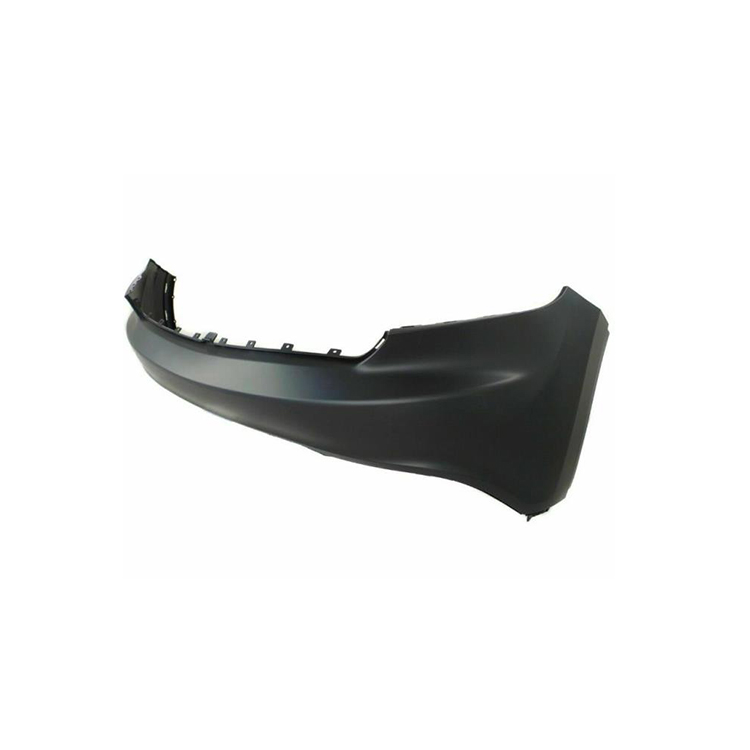
To ensure high quality, production lines utilize advanced tooling and comprehensive vehicle databases. This setup produces parts designed for specific American and German vehicle series. Manufacturers utilize Coordinate Measuring Machines (CMM) for dimensional measurement, visual inspection, and paint/coating testing to verify paint adhesion on the primed surface. These quality controls prevent common aftermarket fitment errors and reduce the risk of structural failure under stress. Professional distributors and collision repair chains rely on certified products carrying CE compliance (such as HK0624090150C) and EPR registration (DE1123252940071) to meet regional safety and environmental standards in global markets.
Data/Solution Comparison
| Specification Parameter | Standard Requirements | Impact on OEM-Grade Fit & Safety |
|---|---|---|
| Base Material | PP / ABS / Carbon Fiber | Determines impact resistance, flexibility, and overall structural durability. |
| Wall Thickness | 2.5 – 5.0 mm | Prevents physical warping and maintains structural gaps over time. |
| Surface Finish | Primed (Ready for OEM Colors) | Ensures high paint adhesion and prevents paint peeling post-installation. |
| Installation Method | Direct Bolt-on / Clip-on | Allows for quick mounting on the vehicle front without body modifications. |
| Quality Inspection | Visual, CMM, Paint Adhesion Testing | Validates physical dimensions and surface preparation before export. |
Frequently Asked Questions (FAQ)
Q1: Why is a wall thickness of 2.5 to 5.0 mm required for a bumper upper?
A1: This specific thickness range matches original equipment standards. It provides the necessary structural rigidity to prevent sagging or twisting while maintaining the flexibility required to absorb minor impacts without cracking.
Q2: What are the benefits of choosing a primed surface finish over an unprimed one?
A2: A primed surface finish has undergone professional surface treatment, ensuring optimal chemical bonding with aftermarket automotive paints. This reduces paint preparation labor and guarantees long-term color matching and durability.
Q3: How do OEM-style clip-on and bolt-on designs improve installation efficiency?
A3: These designs use exact mounting coordinates modeled from original vehicle databases. This ensures the bumper upper snaps directly into the existing factory mounting brackets, eliminating the need for drilling, cutting, or physical modification during vehicle collision repair.
Final Conclusion & Recommendations
Sourcing wholesale bumper uppers requires careful verification of raw materials, wall thickness parameters, and quality certifications. Utilizing components built with PP or ABS plastic within the 2.5 to 5.0 mm thickness range guarantees consistent fitment and structural integrity. Aligning with an integrated manufacturing and trading partner that provides robust quality inspection, flexible MOQs (1-5 PCS), and proven logistical support reduces procurement risks for international distributors, collision repair chains, and e-commerce brands. For detailed technical solutions or support, please reach out to us via sales01@cnkebel.com.
About Us
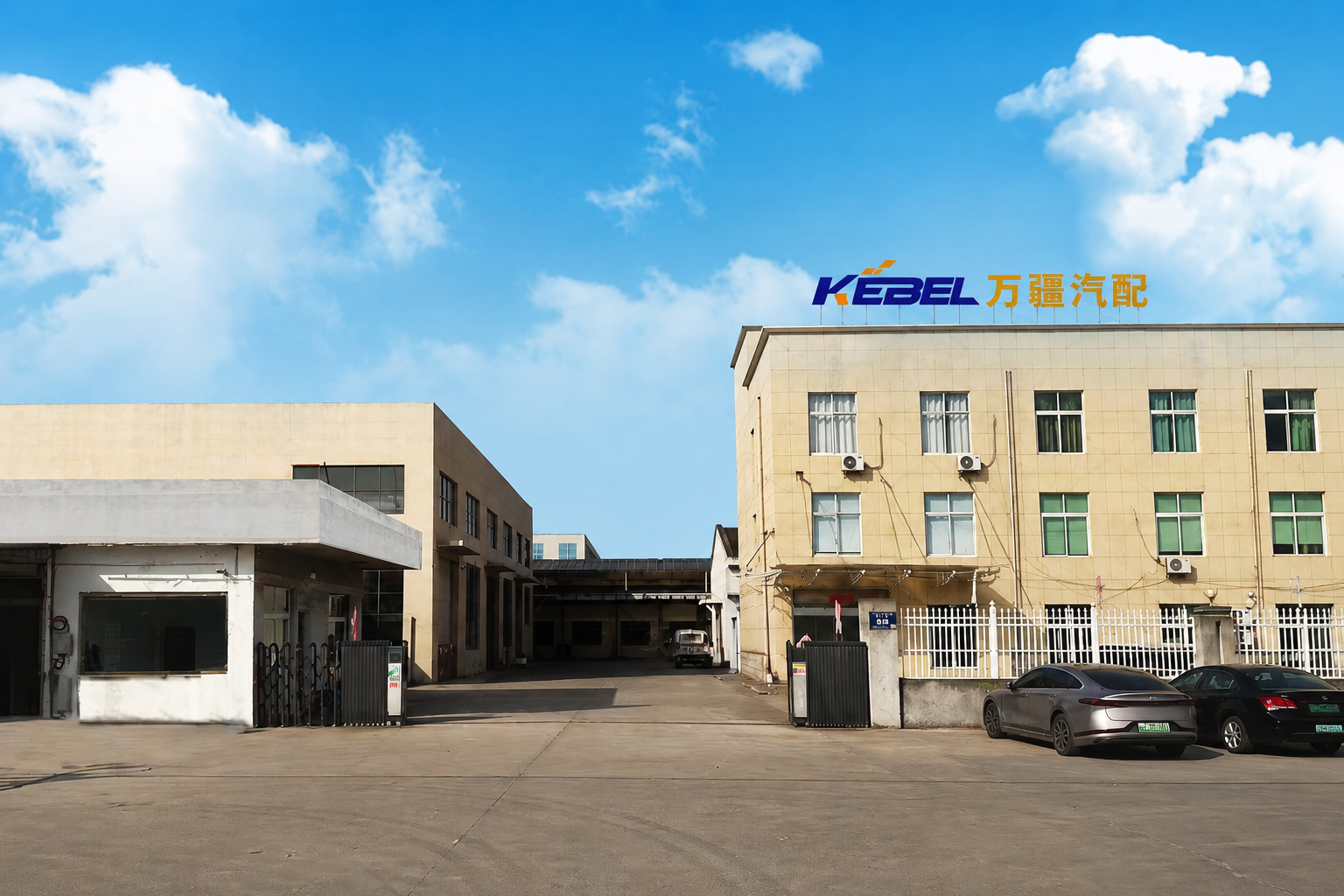
Danyang Wanjiang Auto Parts Co., Ltd. is a professional exporter of auto body parts with 18 years of industry experience. Established in 2023, the company operates a 10,000-square-meter manufacturing facility in Jiangsu Province with 80 employees, specializing in car bumper production and custom OEM/ODM development. Its annual exports exceed 500 containers, serving major automotive aftermarket distributors across America and Germany with products certified under CE and EPR standards.

Lastest
-
Can you manufacture a front bumper based on our proprietary 3D CAD files?
2026-06-29 -
Can you provide the DOT and SAE certification documents for this rear bumper?
2026-06-29 -
How many production lines do you dedicate to making this bumper upper?
2026-06-29 -
Is there an online portal to track aftermarket support for the front bumper assembly?
2026-06-29 -
What is the standard production lead time for a container of engine hoods?
2026-06-29
SUBSCRIBE
INQUIRY