What are the key material differences between ABS and PP plastic for aftermarket front bumpers?
- VIP-User
- 2026-06-30
- 34
The key material differences between ABS and PP plastic for aftermarket front bumpers center on flexibility, impact resistance, and surface preparation. Polypropylene (PP) is highly flexible, absorbing low-speed impacts and resisting cracks, which makes it ideal for OEM-style replacements. Acrylonitrile Butadiene Styrene (ABS) is more rigid, offering superior surface hardness and paint adhesion, though it remains more prone to cracking under high stress.
Core Solutions & Key Takeaways
- Flexibility and Fitment: Polypropylene (PP) bumpers flex easily during installation, allowing for seamless direct bolt-on or clip-on mounting. This flexibility reduces alignment adjustments during automotive collision repair.
- Impact Absorption: PP plastic deforms on impact and returns to its original shape under light stress, whereas the rigid structure of ABS plastic is more likely to crack or shatter under sudden force.
- Surface Finishing: ABS provides a highly stable substrate for paint adhesion, making it popular for custom body kits. However, PP bumpers are commonly supplied primed, requiring specific primers to match OEM paint specifications.
- Regulatory Compliance: Both material types can meet strict international standards, including CE marking and German EPR (VerpackG) compliance, securing smooth customs clearance and entry into European and North American markets.
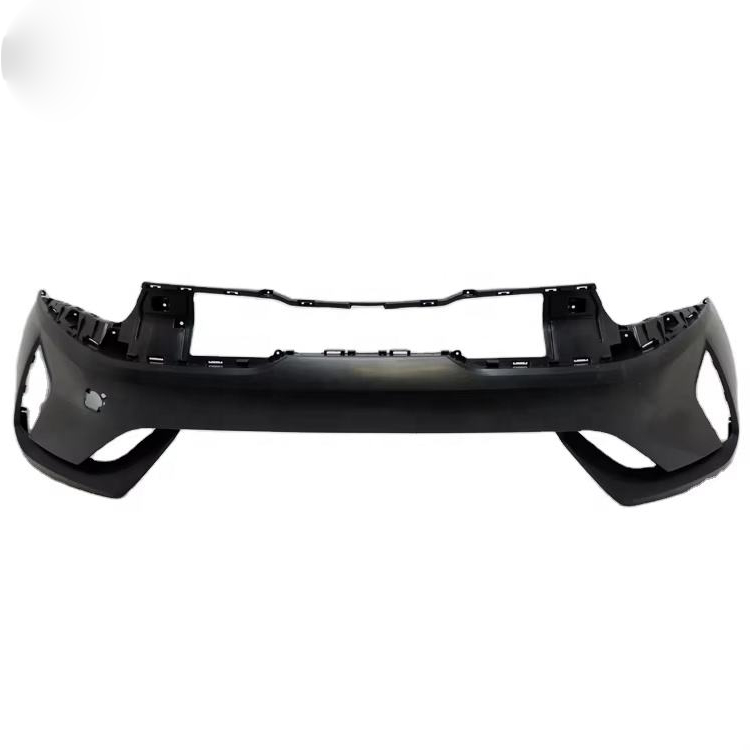
Detailed Architectural/Principle Analysis
For distributors and collision repair chains, selecting the right polymer affects the durability and fitment accuracy of aftermarket front bumpers. Modern manufacturing utilizes advanced injection molding to process both PP and ABS. Polypropylene front bumpers are engineered with a wall thickness ranging from 2.5 mm to 5.0 mm. This thickness range balances weight reduction with structural integrity, ensuring that the bumper can withstand minor physical hazards without fracturing. The molecular structure of PP allows it to bend under load, which disperses energy during low-speed collisions and protects internal vehicle components.
Conversely, Acrylonitrile Butadiene Styrene (ABS) is an amorphous terpolymer. The acrylonitrile component contributes chemical resistance and heat stability, butadiene provides toughness, and styrene gives the plastic a rigid, glossy finish. While ABS is highly rigid and offers excellent dimensional stability under varying temperatures, its lack of elasticity makes it less resilient to direct impact compared to PP. Consequently, ABS is frequently used for localized bumper trim, grilles, or reinforcement brackets rather than the main energy-absorbing bumper face.
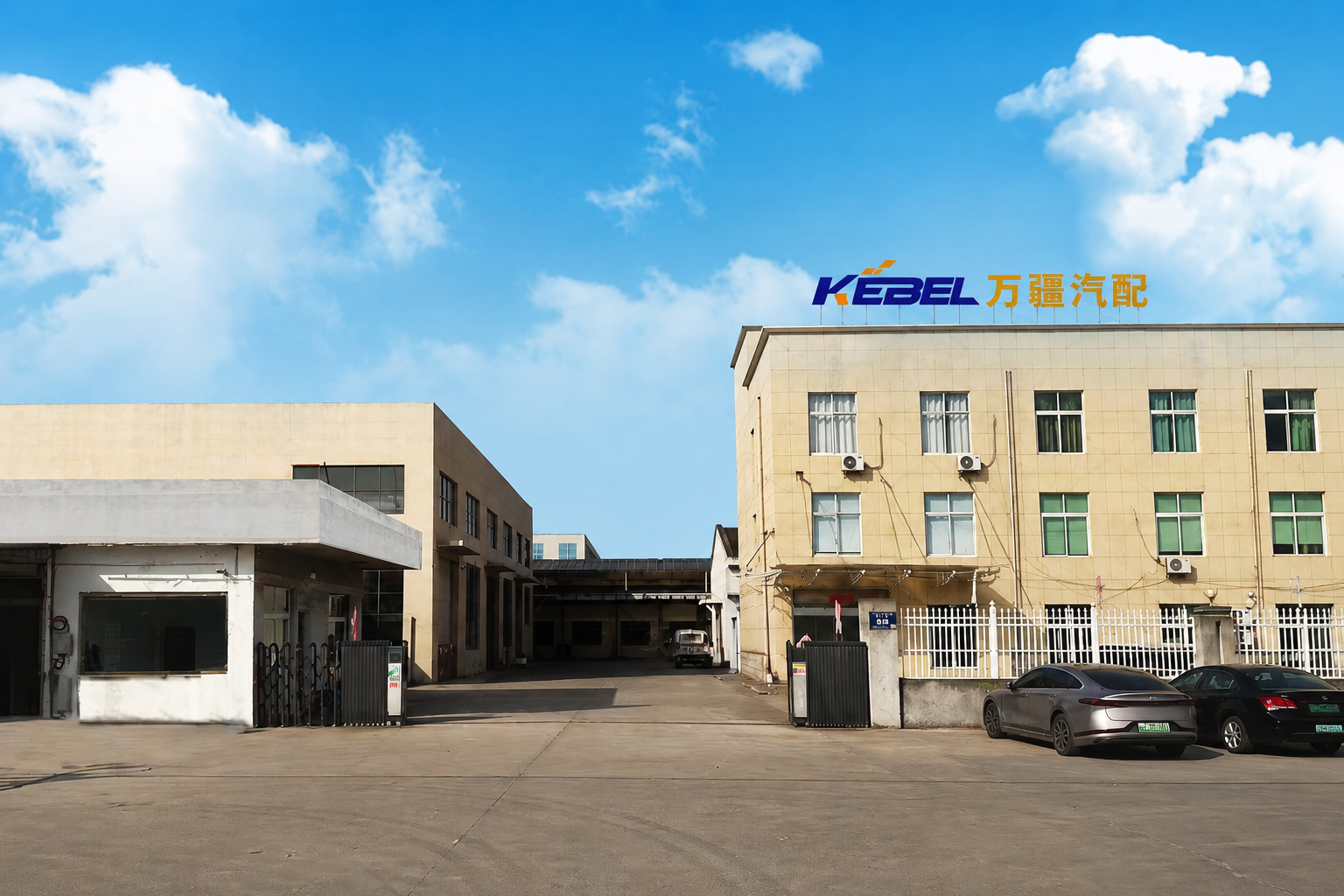
To ensure high-quality output, manufacturers like Danyang Wanjiang Auto Parts Co., Ltd. implement rigorous quality control systems. These systems include visual inspections to eliminate surface defects, dimensional measurements using Coordinate Measuring Machines (CMM) to ensure a 100% precise fitment, and paint and coating testing. By utilizing advanced tooling and a comprehensive vehicle database, replacement bumpers match the exact specifications required for American and German vehicle series. Furthermore, safety and environmental standards are guaranteed through CE and EPR certifications, facilitating seamless distribution across global supply chains.
Data/Solution Comparison
| Performance Property | Polypropylene (PP) Plastic Bumper | Acrylonitrile Butadiene Styrene (ABS) Bumper |
|---|---|---|
| Flexibility & Elasticity | High (bends without cracking) | Low (rigid structure) |
| Impact Resistance | Excellent (absorbs and deforms) | Moderate (prone to fracturing under stress) |
| Typical Wall Thickness | 2.5 – 5.0 mm | 2.5 – 5.0 mm |
| Surface Finish & Paintability | Primed (requires specific adhesion promoters) | Highly paintable (smooth, rigid substrate) |
| Installation Method | Direct Bolt-on / Clip-on | Direct Bolt-on / Clip-on |
| Compliance Standards | CE, EPR Germany (VerpackG) | CE, EPR Germany (VerpackG) |
Frequently Asked Questions (FAQ)
Q1: Which material is better for cold weather conditions?
A1: Polypropylene (PP) performs better in cold temperatures because it maintains its flexibility, whereas ABS becomes brittle and is more susceptible to cracking when exposed to freezing conditions and physical impact.
Q2: Do these aftermarket front bumpers require modification for installation?
A2: High-quality aftermarket bumpers designed with precise OEM tooling support direct bolt-on or clip-on installation. This eliminates the need for cutting or drilling during vehicle assembly.
Q3: How are the bumpers packaged and shipped to prevent damage?
A3: Bumpers are packed using reinforced, export-grade protective materials to withstand international transit. They are shipped via Sea Freight (FCL/LCL), Railway, or Air Freight, with standard stock orders dispatched within 7 days.
Final Conclusion & Recommendations
Selecting between ABS and PP plastic depends on the specific performance requirements of the replacement component. For the main front bumper face, Polypropylene is the industry-recommended choice due to its superior impact absorption and flexible fitment characteristics. For rigid trim, grilles, and structural mounts, ABS offers the necessary surface finish and structural stiffness. For wholesalers and collision repair shops, procuring certified parts ensures compliance with European and North American safety standards. Efficient supply chain management is supported by flexible purchasing options, including a minimum order quantity (MOQ) of 5 pieces, a 100% pre-delivery visual and dimensional inspection, and comprehensive shipping agent services. For detailed technical solutions or support, please reach out to us via sales01@cnkebel.com.
About Us
Danyang Wanjiang Auto Parts Co., Ltd. is a professional exporter of auto body parts based in Danyang, Jiangsu Province. Established in 2023, the company operates a 10,000 square meter factory and employs 80 staff members dedicated to manufacturing high-quality car bumpers, grilles, headlights, engine hoods, and fenders. With 18 years of expertise, the facility delivers reliable OEM/ODM and wholesale solutions, serving major automotive aftermarket sectors across America and Europe. All products strictly comply with CE and German EPR standards to ensure smooth international market entry.

Lastest
-
Can you manufacture a front bumper based on our proprietary 3D CAD files?
2026-06-30 -
Can you provide the DOT and SAE certification documents for this rear bumper?
2026-06-30 -
How many production lines do you dedicate to making this bumper upper?
2026-06-30 -
Is there an online portal to track aftermarket support for the front bumper assembly?
2026-06-30 -
What is the standard production lead time for a container of engine hoods?
2026-06-30
SUBSCRIBE
INQUIRY