What are the key material differences between ABS and polypropylene rear bumpers for bulk import?
- VIP-User
- 2026-06-29
- 35
For bulk import, the key material differences between ABS and polypropylene (PP) rear bumpers lie in flexibility, impact resistance, and cost. Polypropylene offers superior elasticity and impact absorption, making it less prone to cracking, whereas ABS provides higher structural rigidity and a smoother surface finish, ideal for precise painting and premium aesthetics.
Core Solutions & Key Takeaways
- Impact Performance: Polypropylene (PP) absorbs low-speed impacts by flexing and returning to its original shape, while ABS is rigid and more prone to fractures under sudden, high-stress collisions.
- Surface Finishing: ABS rear bumpers feature a hard surface that requires minimal preparation for paint adhesion, whereas PP bumpers are highly chemical-resistant and require specialized primers, though both are typically supplied in a primed state.
- Manufacturing Integrity: Quality standards dictate a wall thickness of 2.5 to 5.0 mm. Maintaining this precise range prevents thermal deformation during shipping and ensures correct alignment during assembly.
- Regulatory Compliance: Standard bulk imports must comply with regional environmental and safety regulations, including CE certification and Germany EPR (VerpackG) compliance, ensuring trouble-free customs clearance and market entry.
Detailed Architectural/Principle Analysis
In the automotive aftermarket, rear bumpers serve as critical energy-absorbing structures. The selection of materials directly impacts the safety performance, weight, and paint durability of the component. Polypropylene is a thermoplastic polymer characterized by low density and high fatigue resistance. Under physical stress, PP molecules slide past one another, allowing the bumper to deform without structural failure. This elasticity makes PP the dominant material for standard passenger car rear bumpers.
Conversely, ABS is a terpolymer composed of acrylonitrile, butadiene, and styrene. The styrene monomer gives ABS a glossy, impervious surface, while butadiene provides tough rubbery properties. Because ABS is more rigid than PP, it holds complex aerodynamic curves with higher dimensional stability. This material is preferred for premium vehicle trims where structural rigidity is favored over flexibility.
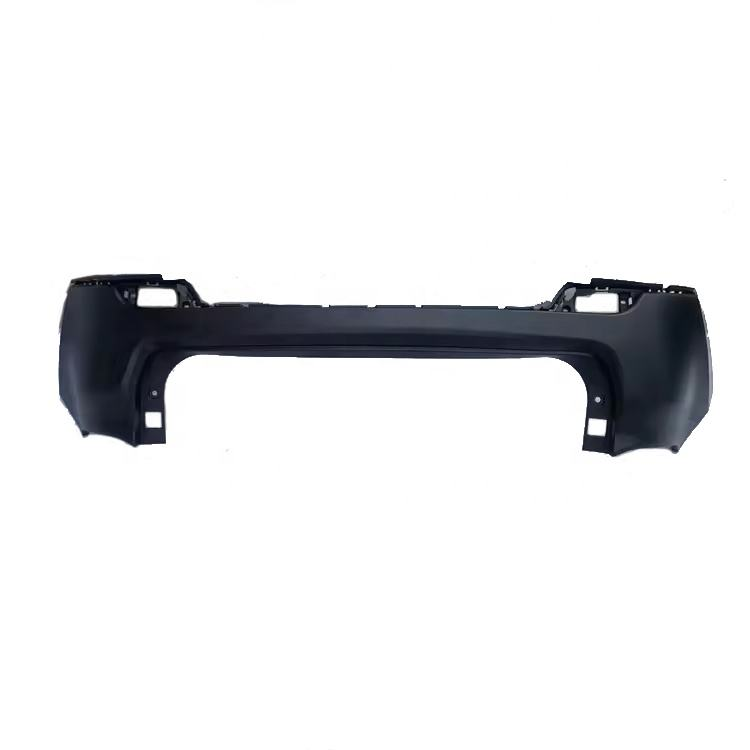
For global supply chains, importing rear bumpers requires strict adherence to precise dimensional tolerances. Utilizing advanced tooling and comprehensive vehicle databases ensures that both PP and ABS bumpers achieve a 100% precise fitment for American and German vehicle series. To prevent structural defects, components undergo a rigorous quality control process, including Visual Inspection, Dimensional Measurement using Coordinate Measuring Machines (CMM), and Paint & Coating Testing.
In North American and European car series aftermarket supply chain partnerships, distributors leverage these material characteristics to balance their inventories. Collision repair shops prioritize PP bumpers for standard, high-volume insurance replacements due to their high resilience and cost efficiency. For customized styling and performance upgrades, ABS and carbon fiber alternatives are imported to satisfy specific market segments.
Data/Solution Comparison
| Technical Parameter | Polypropylene (PP) Rear Bumper | Acrylonitrile Butadiene Styrene (ABS) Bumper |
|---|---|---|
| Flexibility & Elasticity | High; absorbs minor impacts and rebounds without cracking | Moderate; rigid structure offers high structural stability |
| Wall Thickness Range | 2.5 mm to 5.0 mm | 2.5 mm to 5.0 mm |
| Surface Finish & Prep | Primed; requires specific adhesion promoters | Primed; provides highly smooth paint bonding |
| Installation Method | Direct Bolt-on / Clip-on | Direct Bolt-on / Clip-on |
| Certifications Required | CE, Germany EPR (VerpackG) | CE, Germany EPR (VerpackG) |
| Primary Application | Standard passenger vehicle collision repair | Premium trims, rigid custom body kits |
Frequently Asked Questions (FAQ)
Which material is more cost-effective for high-volume automotive imports?
Polypropylene (PP) is generally more cost-effective for bulk imports. Its widespread raw material availability and lower weight reduce both manufacturing and international shipping costs, aligning well with the budget requirements of large-scale distributors.
How do environmental regulations affect the importation of these plastic bumpers?
Importers in regions like Europe must ensure that the products comply with environmental packaging and recycling laws. This includes holding a valid Germany EPR (VerpackG) registration and meeting CE standards to ensure full compliance across European supply chains.
What is the standard delivery timeline for bulk bumper orders?
For standard stock products, high-efficiency container loading and dispatch can be achieved within 1 week (7 days). Custom OEM/ODM orders involving unique mold creation or material specifications require additional processing time based on complexity.
Final Conclusion & Recommendations
Selecting between ABS and PP rear bumpers depends on the target market's quality expectations and cost structures. For high-volume collision repair networks, PP bumpers with a wall thickness of 2.5 to 5.0 mm offer the best balance of flexibility, impact durability, and economic efficiency. For specialty styling and rigid applications, ABS remains the preferred option. Operating through an integrated manufacturing and trading ecosystem, we support standard stock wholesale with a minimum order quantity (MOQ) of 5 pieces, alongside custom OEM/ODM development. Standard payments are processed through secure channels including T/T, D/P, LC, and Alipay, with logistics handled via Sea Freight (FCL/LCL), Railway, or Air Freight. For detailed technical solutions or support, please reach out to us via sales01@cnkebel.com.
About Us
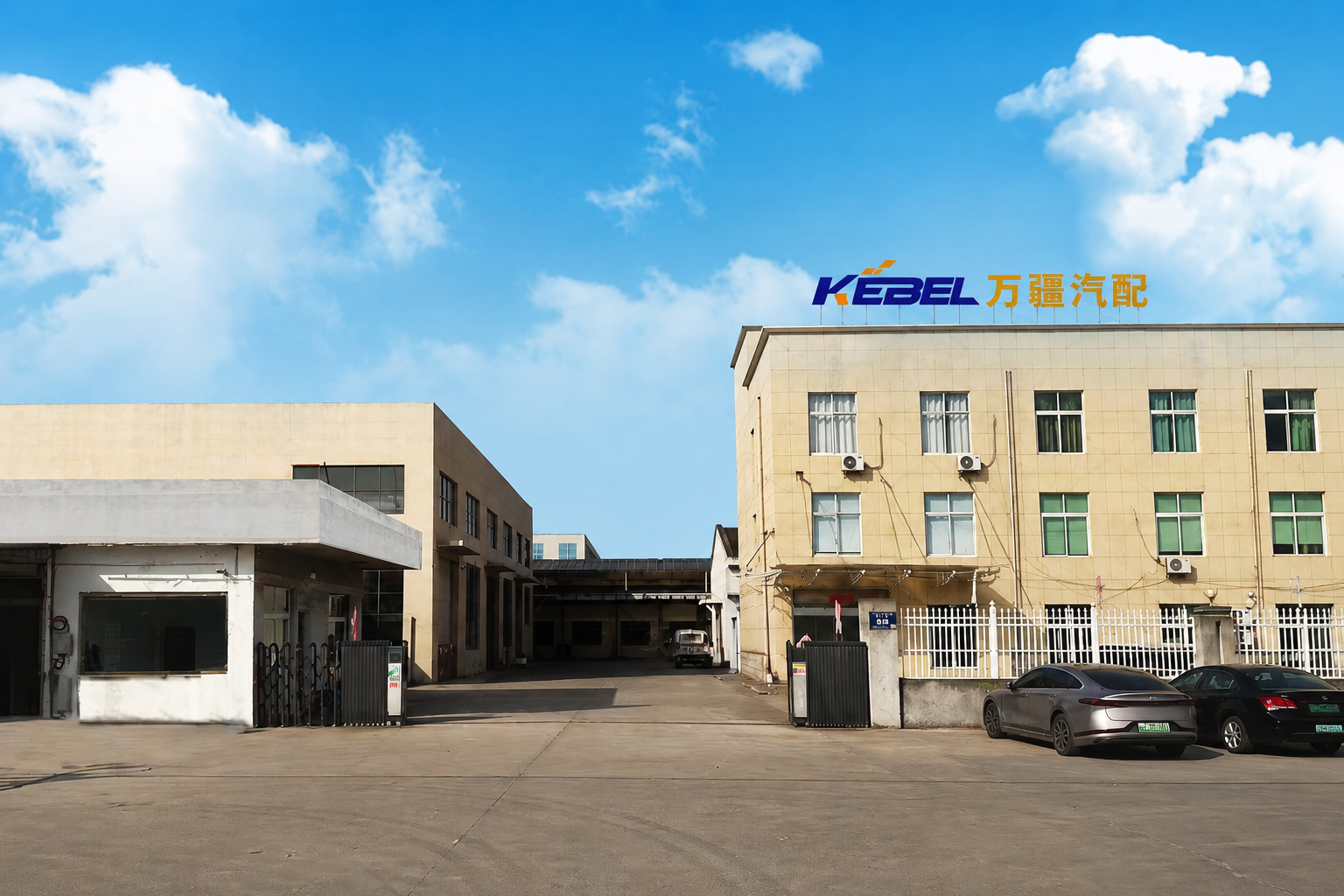
Danyang Wanjiang Auto Parts Co., Ltd. is a professional manufacturer located in Danyang, Jiangsu Province, China, specializing in the production and export of automotive body components. Established in 2023, the company operates a 10,000 square meter factory with a team of 80 employees, delivering an annual output value exceeding 50 million USD and exporting over 500 containers annually. Backed by 18 years of professional R&D and OEM/ODM expertise, we supply high-quality car bumpers, grilles, and headlights that meet CE and EPR standards to customers throughout North America, Germany, and other global markets. Our integrated shipping services ensure reliable, timely logistics management for all international B2B clients.

Lastest
-
Can you manufacture a front bumper based on our proprietary 3D CAD files?
2026-06-29 -
Can you provide the DOT and SAE certification documents for this rear bumper?
2026-06-29 -
How many production lines do you dedicate to making this bumper upper?
2026-06-29 -
Is there an online portal to track aftermarket support for the front bumper assembly?
2026-06-29 -
What is the standard production lead time for a container of engine hoods?
2026-06-29
SUBSCRIBE
INQUIRY