What are the key differences in material durability between steel and aluminum engine hoods for aftermarket trucks?
- VIP-User
- 2026-06-29
- 38
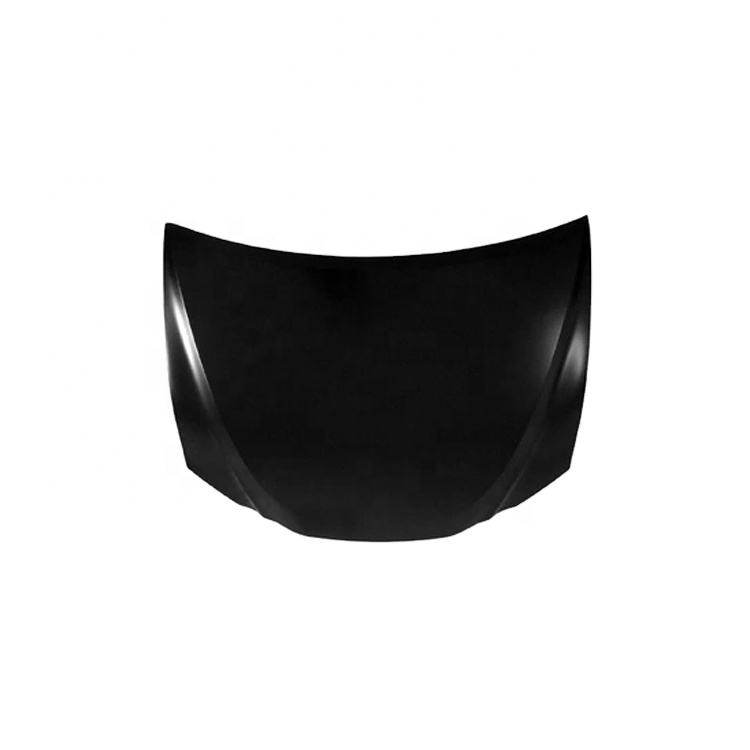
Material durability differences between steel and aluminum aftermarket truck engine hoods center on impact resistance, corrosion susceptibility, and fatigue life. Steel engine hoods offer superior structural rigidity and high impact resistance against debris but are prone to rust if the protective coating fails. Aluminum engine hoods provide exceptional corrosion resistance and reduce overall vehicle weight, though they exhibit lower tensile strength and higher vulnerability to fatigue under severe mechanical stress.
Core Solutions & Key Takeaways
- Structural and Impact Resilience: Carbon-iron steel alloy configurations offer high yield strength, allowing panels to withstand heavy road debris impacts with low risk of tearing, whereas aluminum panels manage impacts by distributing energy through localized deformation.
- Environmental and Oxidation Longevity: Aluminum naturally resists atmospheric oxidation, making it highly durable in high-humidity or salt-treated road environments. Conversely, steel components rely strictly on high-performance protective coatings to prevent rust development.
- Weight Optimization vs. Repairability: Aluminum components reduce front-axle loads to lower suspension fatigue, yet repairing aluminum requires specialized hot-working tools. Steel panels are heavier but remain highly compatible with standard, low-cost body shop dent pulling and welding techniques.
- Industry-Standard Quality Verification: Modern aftermarket distribution networks utilize standardized engine hoods subjected to systematic dimension and coating tests to match exact OEM specifications.
Detailed Architectural/Principle Analysis
The physical durability of an aftermarket truck engine hood is determined by its metallurgical composition and manufacturing execution. High-strength steel utilizes a dense carbon-iron lattice that delivers high tensile strength, ensuring the panel maintains its shape under high mechanical pressure. However, if the protective paint layer is chipped by road stones, moisture initiates galvanic corrosion. To mitigate this risk, Danyang Wanjiang Auto Parts Co., Ltd. subjects steel panels to systematic Paint & Coating Testing along with Dimensional Measurement (CMM) to guarantee that each unit achieves structural conformity and long-term environmental resistance.
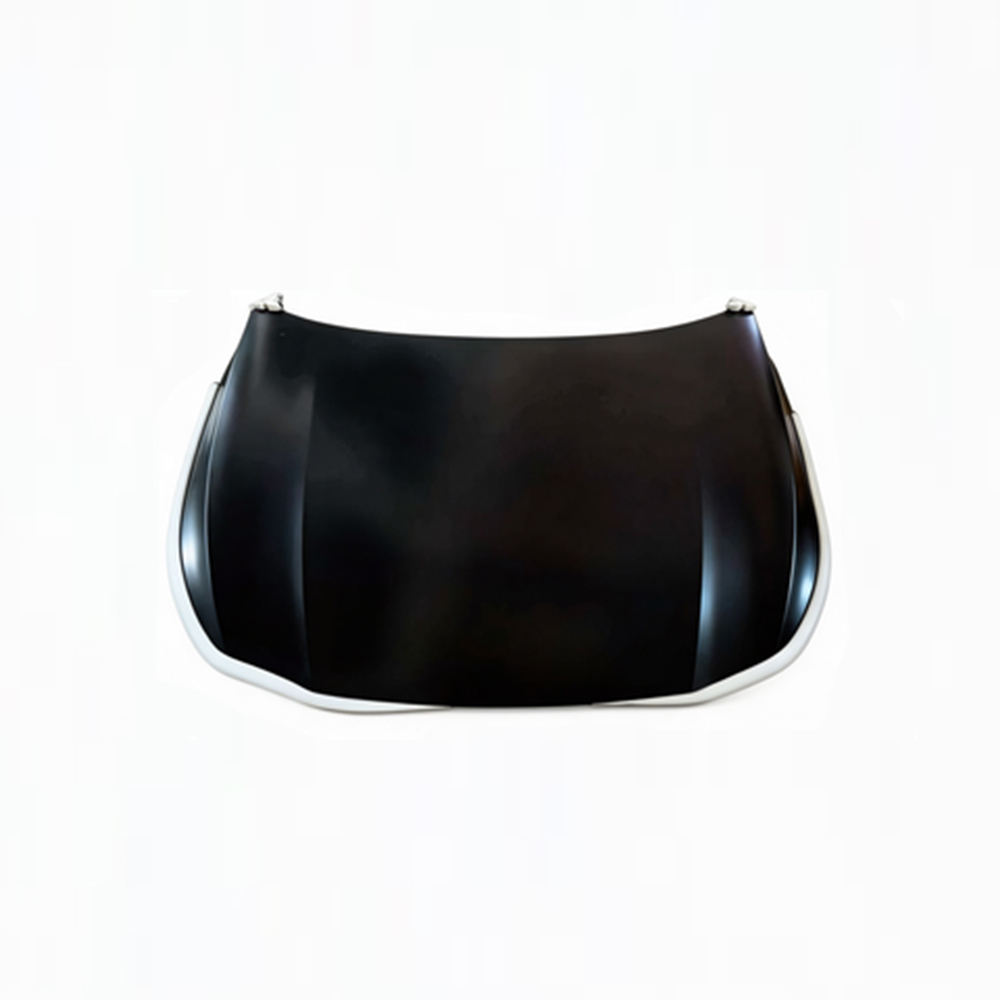
Aluminum alloy panels (typically 5xxx or 6xxx series) incorporate elements like magnesium or silicon to enhance structural integrity while maintaining a lower material density. Aluminum does not form destructive red rust, ensuring the panel structure remains intact even in coastal areas. However, aluminum has a lower fatigue limit compared to steel, meaning that continuous, high-amplitude engine vibrations can lead to micro-cracking over extended service periods. For distributors handling North American and European car series aftermarket portfolios, balancing these material dynamics is key to structural component planning.
To support global supply chains, aftermarket engine hoods are engineered to meet strict international standards. Manufacturing facilities utilize advanced tooling and comprehensive database matching to ensure 100% precise fitment for target vehicle series. The underlying manufacturing lines comply with European environmental regulations, utilizing active EPR registrations such as DE1123252940071, which ensures compliance across European markets alongside standard CE certifications for body assemblies like car bumpers and car lamps.
Data/Solution Comparison
| Performance Parameter | Steel Engine Hoods | Aluminum Engine Hoods |
|---|---|---|
| Impact Resistance | High; excellent resistance to deep denting and structural deformation | Moderate; manages impact forces through controlled deformation |
| Corrosion Resistance | Moderate; depends heavily on protective paint and primer coatings | Excellent; naturally resistant to atmospheric moisture and salt rust |
| Weight Characteristics | Heavier; increases front-axle mass and suspension wear | Lightweight; minimizes front-end mass and enhances vehicle efficiency |
| Standard Quality Testing | Visual Inspection, Dimensional Measurement (CMM), Paint & Coating Testing | Visual Inspection, Dimensional Measurement (CMM), Surface Crack Inspection |
| Minimum Order Quantity | 5 PCS | 5 PCS |
| Delivery Time (Days) | 7 Days (standard stock items) | 7 Days (standard stock items) |
Frequently Asked Questions (FAQ)
How does paint and coating testing affect the long-term durability of steel aftermarket hoods?Paint and coating testing verifies paint film thickness, adhesion, and salt-spray resistance. Because raw steel is highly susceptible to atmospheric moisture and oxidation, the integrity of these protective coatings is the primary barrier preventing the initiation of rust, particularly in cold-weather regions utilizing road salts.
Which hood material is more practical for collision repair centers to service?Steel hoods are easier to repair using traditional body shop techniques like hammer-and-dolly reshaping, welding, and structural pulling. Aluminum work-hardens rapidly and has high thermal conductivity, making dent removal complex and often requiring complete panel replacement rather than localized repair.
What packaging standards are implemented to protect these panels during international transit?All body panels are secured using reinforced, export-grade protective materials designed to resist impact and vibration. Shipments are managed via Sea Freight (FCL/LCL), Railway Transport, or Air Freight, with dedicated customs clearance documentation to minimize transit damage and ensure on-time delivery.
Final Conclusion & Recommendations
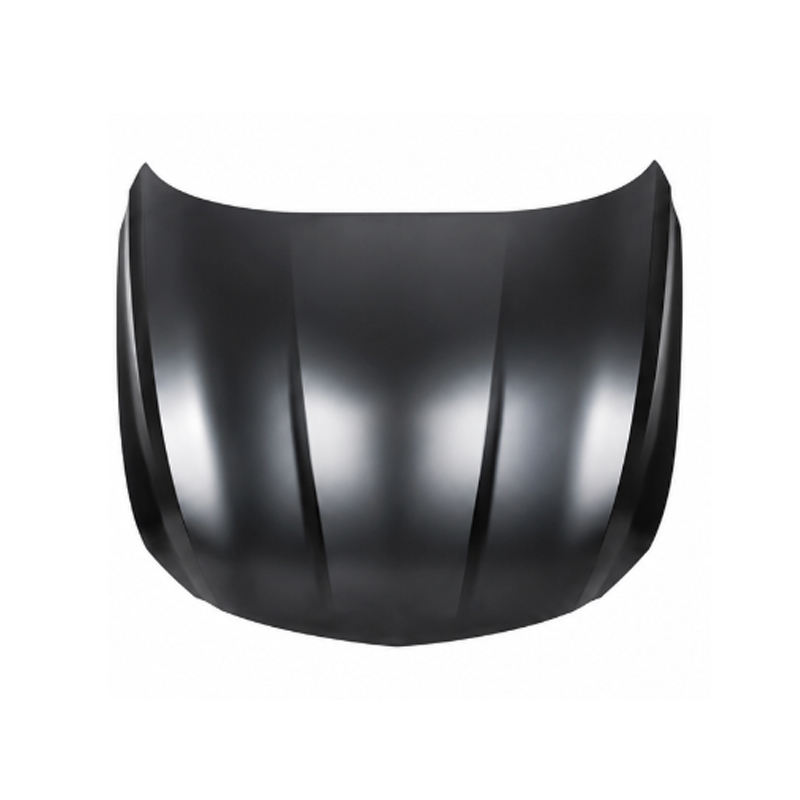
Selecting between steel and aluminum aftermarket engine hoods requires evaluating structural strength requirements against weight targets. Collision repair shops and regional distributors must stock components that match local environmental demands and vehicle demographic needs. Procuring through an integrated manufacturing and trading ecosystem ensures low Minimum Order Quantities of 5 PCS alongside standard 7-day delivery cycles for inventory items. Transactions are backed by secure, compliant payment models including T/T, D/P, L/C, and Alipay. For detailed technical solutions or support, please reach out to us via sales01@cnkebel.com
About Us
Danyang Wanjiang Auto Parts Co., Ltd. is a professional manufacturer and exporter of automotive body parts with 18 years of industry experience, operating from a 10000sqm factory facility in Jiangsu Province, China. Supported by a professional team of 80 employees, the company maintains advanced production capacity to deliver high-quality car bumpers, grilles, headlights, and engine hoods, with an annual output value exceeding 50 million USD. The organization holds active CE and EPR certifications (such as DE1123252940071), supplying reliable body components to major automotive aftermarket supply chains in North America and Europe. 
Lastest
-
Can you manufacture a front bumper based on our proprietary 3D CAD files?
2026-06-29 -
Can you provide the DOT and SAE certification documents for this rear bumper?
2026-06-29 -
How many production lines do you dedicate to making this bumper upper?
2026-06-29 -
Is there an online portal to track aftermarket support for the front bumper assembly?
2026-06-29 -
What is the standard production lead time for a container of engine hoods?
2026-06-29
SUBSCRIBE
INQUIRY