What are the key differences between aluminum and steel engine hoods regarding weight and durability for fleet cars?
- VIP-User
- 2026-06-29
- 38
Aluminum engine hoods offer up to a 50% weight reduction compared to steel, significantly improving fuel efficiency and reducing front-axle wear for fleet cars. Steel engine hoods provide superior impact durability, higher resistance to minor road debris, and lower manufacturing costs, though they are heavier and prone to rust if the coating is compromised.
Core Solutions & Key Takeaways
- Weight Savings: Aluminum hoods reduce overall vehicle curb weight, directly translating to lowered fuel consumption and reduced emissions across large commercial fleets.
- Impact Durability: Steel hoods withstand physical impacts and harsh fleet operating conditions better than aluminum, which is more prone to creasing and harder to repair.
- Corrosion Resistance: Aluminum naturally resists rust, whereas steel requires advanced paint and coating testing to prevent corrosion in humid or salted winter road conditions.
- Aftermarket Supply Integration: Fleet operators and parts distributors utilize premium replacement hoods to minimize vehicle downtime during collision repairs.
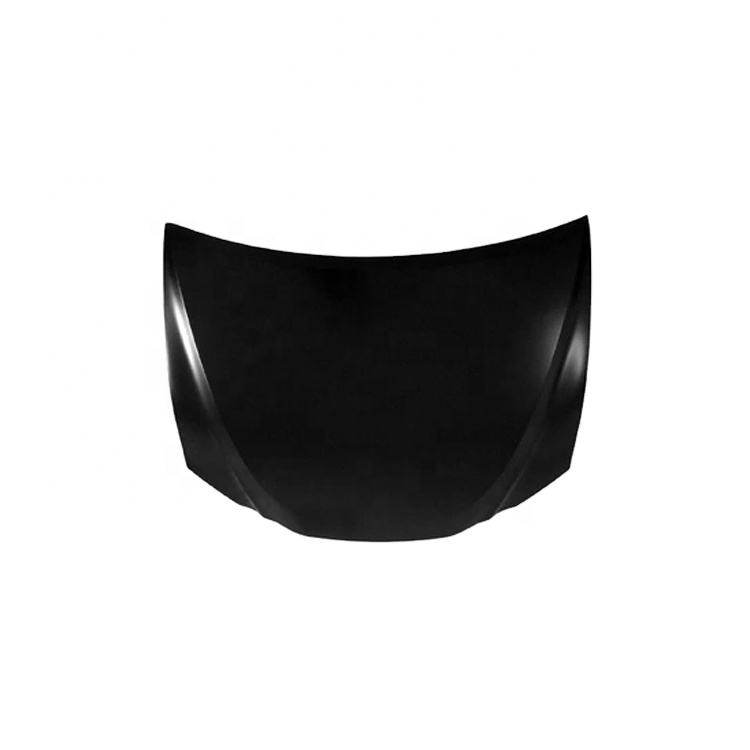
Detailed Architectural/Principle Analysis
The structural performance of an engine hood depends on material thickness and geometric design. Steel possesses a high modulus of elasticity, absorbing high-energy impacts by deforming predictably, which is why it remains a standard for heavy-duty fleet operations. To prevent rust, modern steel hoods must undergo rigorous paint and coating testing.
Aluminum, with a lower density, requires thicker structural stamping to achieve comparable safety metrics. This material choice is highly favored in the European and North American markets for passenger fleets seeking optimal fuel economy.
As an established supplier, Danyang Wanjiang Auto Parts Co., Ltd. manufactures car engine hoods that comply with international standards. These products are backed by EPR registration (DE1123252940071) for the European market, ensuring seamless compliance and distribution. In North American and European collision repair networks, supplying dimensionally precise engine hoods helps fleet managers restore vehicles to factory specifications quickly.
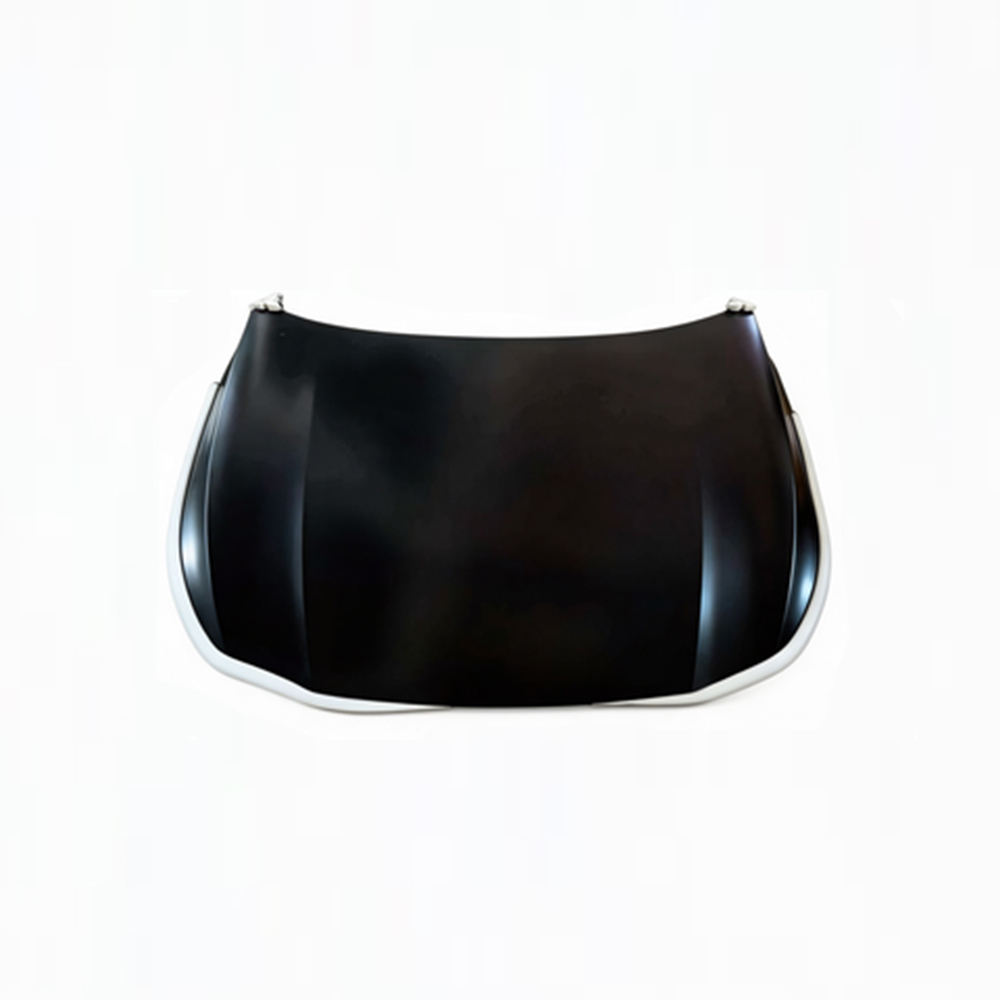
Data/Solution Comparison
| Parameter/Feature | Aluminum Engine Hoods | Steel Engine Hoods |
|---|---|---|
| Weight | Lightweight (up to 50% lighter) | Heavyweight |
| Durability & Dent Resistance | Moderate; prone to creasing | High; absorbs impact without creasing easily |
| Corrosion Resistance | Excellent (inherent rust resistance) | Dependent on paint & coating quality |
| Repairability | Difficult (often requires replacement) | Easy (standard body shop dent pulling) |
| Quality Control Protocol | Visual, CMM dimensional measurement | Visual, CMM, paint & coating testing |
| Minimum Order Quantity (MOQ) | 5 pieces | 5 pieces |
Frequently Asked Questions (FAQ)
Why do fleet operators choose steel hoods over aluminum?
Steel hoods are more cost-effective upfront and easier to repair using traditional body shop techniques. This minimizes long-term maintenance costs for fleets operating in high-risk collision environments.
How are aftermarket engine hoods verified for correct fitment?
Leading manufacturers use Coordinate Measuring Machines (CMM) for dimensional measurement, ensuring 100% precise alignment with the vehicle's frame before shipping.
What shipping options are available for bulk engine hood orders?
Bulk shipments are typically handled via Sea Freight (FCL/LCL) or Railway Transport to minimize costs, while urgent sample orders can be dispatched via Air Freight or International Express.
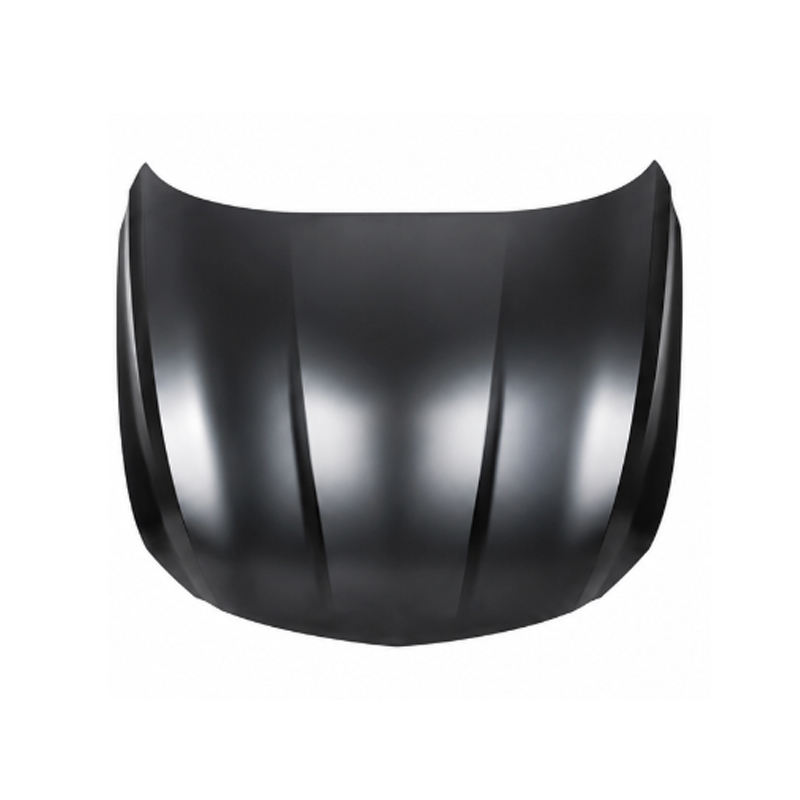
Final Conclusion & Recommendations
For fleet cars traveling high annual mileages where fuel economy is the primary operational concern, aluminum engine hoods offer the best return on investment through weight reduction. Conversely, for urban delivery fleets or service vehicles prone to frequent minor collisions, steel hoods provide structural durability and lower repair overheads.
When sourcing replacement parts, partnering with an integrated manufacturer ensures consistent quality. Standard shipping methods include cost-effective Sea Freight and Railway transport, with standard stock items dispatched in as little as 7 days. Flexible transaction terms like T/T, D/P, LC, and Alipay are widely accepted to accommodate global procurement channels. For detailed technical solutions or support, please reach out to us via sales01@cnkebel.com.
About Us
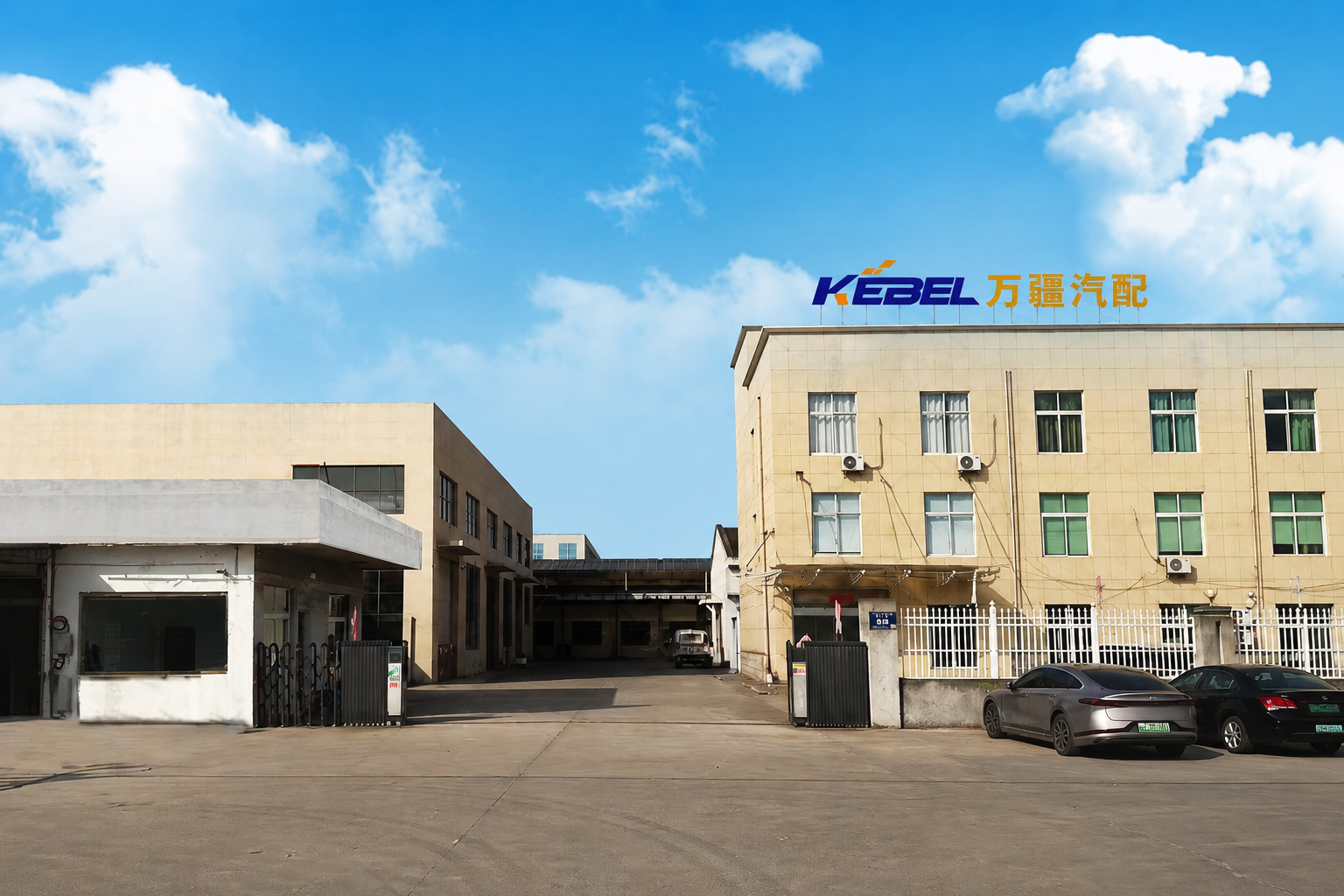
Located in Danyang, Jiangsu Province, Danyang Wanjiang Auto Parts Co., Ltd. is a factory specializing in producing car bumpers and supplying body parts such as car grilles, headlights, engine hoods, and car fenders. With 18 years of OEM/ODM expertise, the facility houses 80 employees and spans a factory area of 10000sqm. Leveraging multiple advanced production lines, the company achieves an annual output value exceeding 50 million USD, with annual exports exceeding 500 containers. The company's products meet strict CE and DOT standards, backed by European EPR registration to ensure compliant market entry.

Lastest
-
Can you manufacture a front bumper based on our proprietary 3D CAD files?
2026-06-29 -
Can you provide the DOT and SAE certification documents for this rear bumper?
2026-06-29 -
How many production lines do you dedicate to making this bumper upper?
2026-06-29 -
Is there an online portal to track aftermarket support for the front bumper assembly?
2026-06-29 -
What is the standard production lead time for a container of engine hoods?
2026-06-29
SUBSCRIBE
INQUIRY