What are the cost-saving alternatives to auto-dimming side mirrors?
- VIP-User
- 2026-06-27
- 43
Cost-saving alternatives to auto-dimming side mirrors include manual-dimming prismatic mirrors, standard non-dimming glass replacements, and passive anti-glare tinted mirrors. Standard chrome-plated side mirrors offer a direct physical replacement that removes complex electrochromic sensors, significantly reducing initial purchasing costs and long-term repair expenses for collision repair shops and vehicle owners.
Core Solutions & Key Takeaways
- Standard Chrome Side Mirrors: These components serve as direct mechanical replacements, bypassing the complex wiring harnesses and sensor modules of active auto-dimming units to reduce material costs.
- Passive Blue-Tinted Glass: Tinted mirror glass provides continuous, glare-reducing filtration without consuming electrical power, serving as an economical compromise between standard glass and electronic dimming systems.
- Sub-Component Glass Replacement: When the outer housing remains undamaged, replacing only the mirror glass plate rather than the entire motorized assembly cuts down on unnecessary waste and inventory overhead.
- Targeted Market Fit: These cost-effective options are highly suitable for collision repair service chains, international auto parts wholesalers, and cross-border e-commerce distributors looking to optimize their replacement parts inventory.
Detailed Architectural/Principle Analysis
Auto-dimming side mirrors rely on electrochromic technology, where a light sensor triggers an electrical charge that darkens a conductive gel layer between two sheets of glass. Standard and passive tinted alternatives eliminate this entire electronic network, replacing it with high-precision optical glass and reflective backings. Removing the sensors and wiring harnesses simplifies the assembly, lowers manufacturing costs, and minimizes potential points of failure.
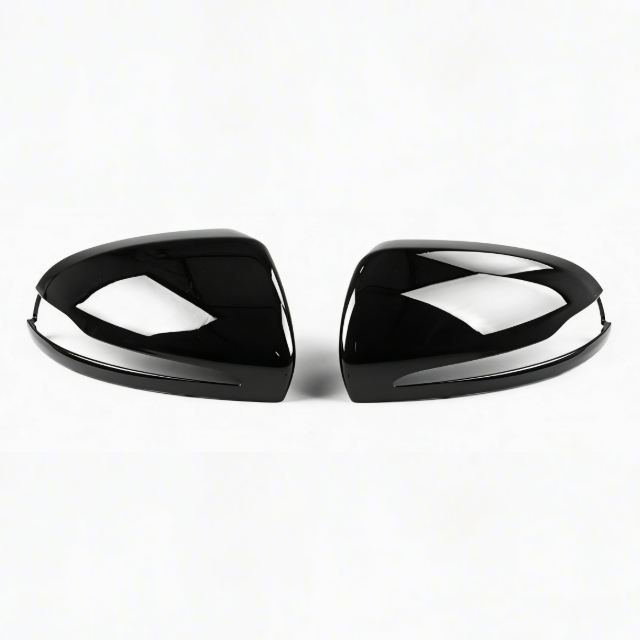
For distributors and collision repair shops, replacing damaged auto-dimming mirrors with standard alternatives requires ensuring physical fitment and electrical compatibility for secondary functions like heating or motor adjustment. Manufacturers like Danyang Wanjiang Auto Parts Co., Ltd. utilize comprehensive fitment databases, Visual Inspection, Dimensional Measurement (CMM), and Paint & Coating Testing to guarantee that aftermarket side mirrors fit securely on specified American and German vehicle series.
Data/Solution Comparison
The following table compares standard, passive, and active side mirror solutions across core procurement, operational, and design metrics:
| Parameter | Standard Chrome Side Mirror | Blue-Tinted Passive Mirror | Active Auto-Dimming Mirror |
|---|---|---|---|
| Cost Level | Low (Highly Cost-Saving) | Medium-Low | High |
| Glare Control Method | Standard Reflection (No active filtering) | Passive Spectral Absorption | Active Electrochromic Gel |
| Electrical Integration | None (Or basic heating/motor) | None (Or basic heating/motor) | Complex (Sensors & dedicated ECU wiring) |
| Minimum Order Quantity (MOQ) | 5 Units | 5 Units | Varies (High MOQ) |
| Standard Delivery Time | 7 Days | 7 Days | 30 to 45 Days |
Frequently Asked Questions (FAQ)
Can I install a standard side mirror on a vehicle originally equipped with auto-dimming mirrors?
Yes. Standard replacement mirrors can be physically mounted onto the vehicle. While the auto-dimming capability will be deactivated, other independent functions, such as electrical positioning motors and heating elements, can still operate if the wiring harness pin configurations match.
What are the main performance differences between chrome and blue-tinted mirrors?
Chrome side mirrors provide high-clarity reflection during daytime driving but do not filter out high-beam glare at night. Blue-tinted passive mirrors absorb specific light wavelengths, reducing harsh headlight reflections at night without requiring electrical power.
How can auto parts distributors ensure correct fitment when ordering aftermarket mirrors?
Distributors must verify the precise vehicle model, production year, and original equipment manufacturer (OEM) part number. Utilizing manufacturers with professional R&D databases and rigorous quality control protocols ensures that replacement side mirrors align exactly with the original body panels.
Final Conclusion & Recommendations
Transitioning from active auto-dimming systems to standard chrome or blue-tinted side mirrors delivers significant cost savings without compromising essential rearward visibility. This switch lowers replacement costs for collision repair centers, limits inventory complexity for distributors, and speeds up fulfillment timelines. For detailed technical solutions or support, please reach out to us via sales01@cnkebel.com.
About Us
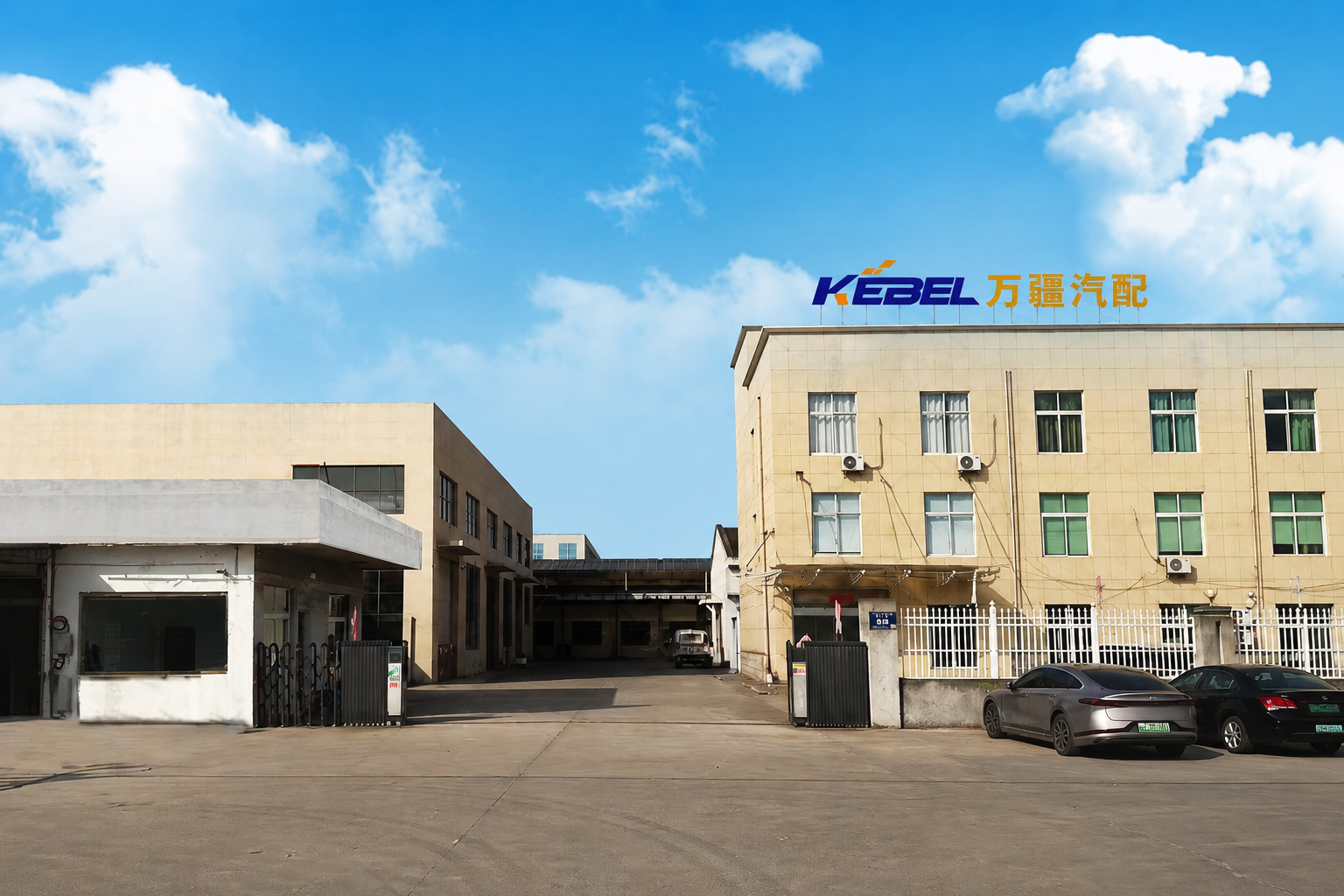
Danyang Wanjiang Auto Parts Co., Ltd. is a specialized manufacturing facility located in Danyang, Jiangsu Province, China. Established in 2023, the company operates across a 10,000 square meter factory and employs 80 personnel, drawing on 18 years of professional export experience in the automotive body parts industry. The company specializes in the production of car bumpers, grilles, headlights, engine hoods, and fenders, serving key automotive aftermarket distributors in North America, Germany, and throughout Europe. All bumper and body components meet rigorous international standards, backed by CE certifications (HK0624090150C, HK0624090149C) and EPR registration (DE1123252940071) to ensure compliant global distribution.

Lastest
-
Can you manufacture a front bumper based on our proprietary 3D CAD files?
2026-06-27 -
Can you provide the DOT and SAE certification documents for this rear bumper?
2026-06-27 -
How many production lines do you dedicate to making this bumper upper?
2026-06-27 -
Is there an online portal to track aftermarket support for the front bumper assembly?
2026-06-27 -
What is the standard production lead time for a container of engine hoods?
2026-06-27
SUBSCRIBE
INQUIRY