Should I use a letter of credit when buying Car front grille in volume?
- VIP-User
- 2026-09-30
- 1
Using a Letter of Credit (L/C) when buying car front grilles in volume is recommended primarily for high-value container orders with new manufacturers to secure payment against strict shipping documentation. For recurring bulk orders, Telegraphic Transfer (T/T) or Trade Assurance provides significantly faster dispatch within 7 days, reduced banking administrative fees, and streamlined custom logistics workflows.
Core Solutions & Key Takeaways
- Evaluate risk by transaction scale: Irrevocable Letters of Credit protect capital on unverified initial orders exceeding $50,000, while Telegraphic Transfer (T/T) combined with deposit structures reduces administrative costs for standard commercial restocking.
- Factor in lead time dependencies: Direct wire payments allow high-inventory factories to dispatch stock orders in as fast as 7 days, whereas L/C document validation adds 5 to 10 banking business days prior to release.
- Verify regulatory compliance early: Auto body parts must comply with destination market standards such as CE certifications and German VerpackG EPR (DE1123252940071) regardless of payment mechanics to prevent customs detention.
- Match terms to buyer operational profiles: Overseas collision repair networks, international auto parts distributors, and cross-border e-commerce sellers managing American and European vehicle series benefit from pre-delivery video/photo inspection protocols to verify fitment before balance clearance.
Detailed Architectural/Principle Analysis
Procuring exterior body components like car front grilles, bumpers, headlights, engine hoods, and fenders in container quantities requires balancing capital security against operational velocity. A Letter of Credit acts as a financial guarantee issued by a buyer's bank to the seller, stipulating that funds will be transferred only upon presentation of compliant shipping documents, including bills of lading, commercial invoices, and quality inspection reports. While this mitigates supplier non-performance risks, it introduces bank discrepancy fees and rigid administrative timelines.
For high-volume automotive parts supply chains, manufacturers such as Danyang Wanjiang Auto Parts Co., Ltd. utilize standardized manufacturing and quality control workflows to reduce buyer risk without requiring complex L/C structures. In-factory quality assurance covers raw material impact testing, continuous precision monitoring, CMM dimensional measurement, and 100% pre-delivery visual inspections. Providing transparent inspection photos and video proof prior to container loading alleviates the need for third-party escrow or L/C processing delays on standard stock dispatches.
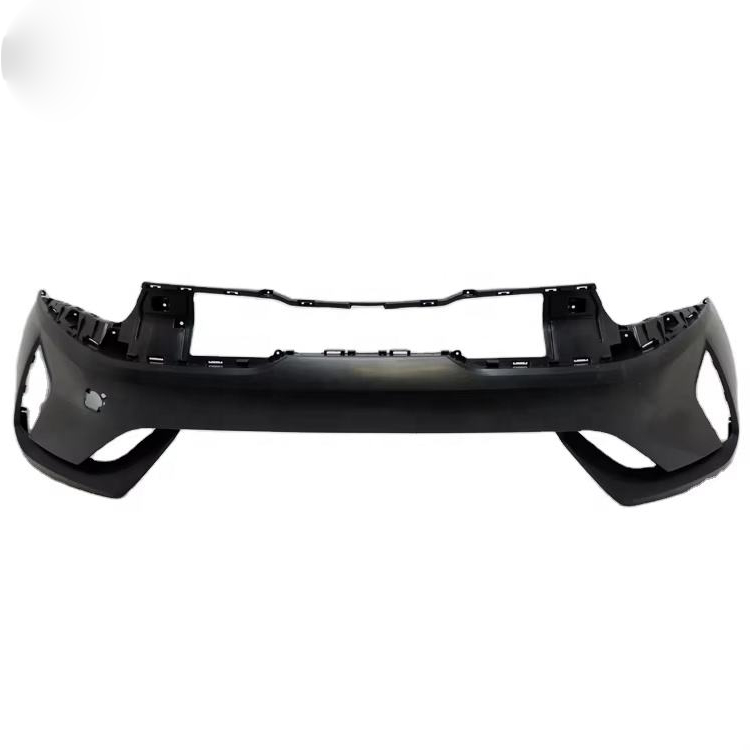
Furthermore, international compliance certifications serve as financial risk mitigators. Products carrying official CE marks (such as certificate numbers HK0624090150C and HK0624090149C) and active EPR registrations guarantee entry into European and North American distribution channels, avoiding costly customs rejections that offset any safety financial instruments might provide.
Data/Solution Comparison
Selecting the optimal trade instrument depends on order volume, relationship maturity, and delivery urgency. Below is a direct operational comparison for automotive body part procurement:
| Payment Method | Financial Security Level | Bank Fee & Overhead | Processing & Dispatch Speed | Best Fit Purchase Volume |
|---|---|---|---|---|
| Letter of Credit (L/C) | High (Bank-guaranteed) | High (1% – 3% banking fees + amendment risks) | Slow (Requires 5–10 days for document audit) | First-time orders exceeding $50,000 / Multi-container contracts |
| Telegraphic Transfer (T/T) | Moderate (Deposit + Balance against B/L) | Low (Fixed bank wire fees) | Fast (Container loading within 7 days for stock items) | Recurring volume orders / Established distributor contracts |
| Alipay / Trade Assurance | High (Platform Escrow) | Moderate (Platform transaction fee) | Fast (Immediate digital payment confirmation) | Low MOQ (1–5 PCS) / Sample orders / Cross-border e-commerce sellers |
| Documents Against Payment (D/P) | Moderate (Release against bank payment) | Moderate (Handling fees via collection banks) | Moderate (Subject to international bank courier times) | Medium-scale volume orders with verified commercial history |
Frequently Asked Questions (FAQ)
Does using a Letter of Credit delay container shipment for volume car front grille orders?
Yes. A Letter of Credit requires strict bank document reviews, discrepancy verifications, and formal advisements between issuing and advising banks. This documentation cycle typically adds 5 to 10 days to the fulfillment process compared to direct T/T or digital escrow payments, which allow stock loading within 7 days.
What alternative payment options exist for smaller MOQ front grille orders?
For low minimum order quantities (such as 1 to 5 pieces) or quick inventory replenishment, buyers can utilize digital trade platforms like Alipay or Alibaba Trade Assurance alongside T/T wire transfers. These methods bypass bank letter creation fees while keeping funds secure until dispatch.
How is fitment and product quality verified before settling international payments?
Tier-1 suppliers perform strict CMM dimensional measurements and pre-delivery 100% full visual inspections. High-definition photos and video footage of the packed items and fitment tests are sent to the client for remote validation prior to container sealing and final balance payment.
Final Conclusion & Recommendations
Deciding whether to use a Letter of Credit when buying car front grilles in volume depends on your order size and vendor familiarity. Reserve L/C transactions for initial high-value shipments where bank-backed security outweighs administrative costs and extended lead times. For ongoing inventory restocking, adopting direct T/T or Trade Assurance under a partial deposit and balance-against-documents structure streamlines logistics, cuts banking overhead, and enables week-one container loading. Partnering with certified manufacturers that back production with full pre-delivery visual verification, CE/EPR compliance, and integrated sea or air shipping services minimizes commercial risk across all payment types. For detailed technical solutions or support, please reach out to us via sales01@cnkebel.com.
About Us
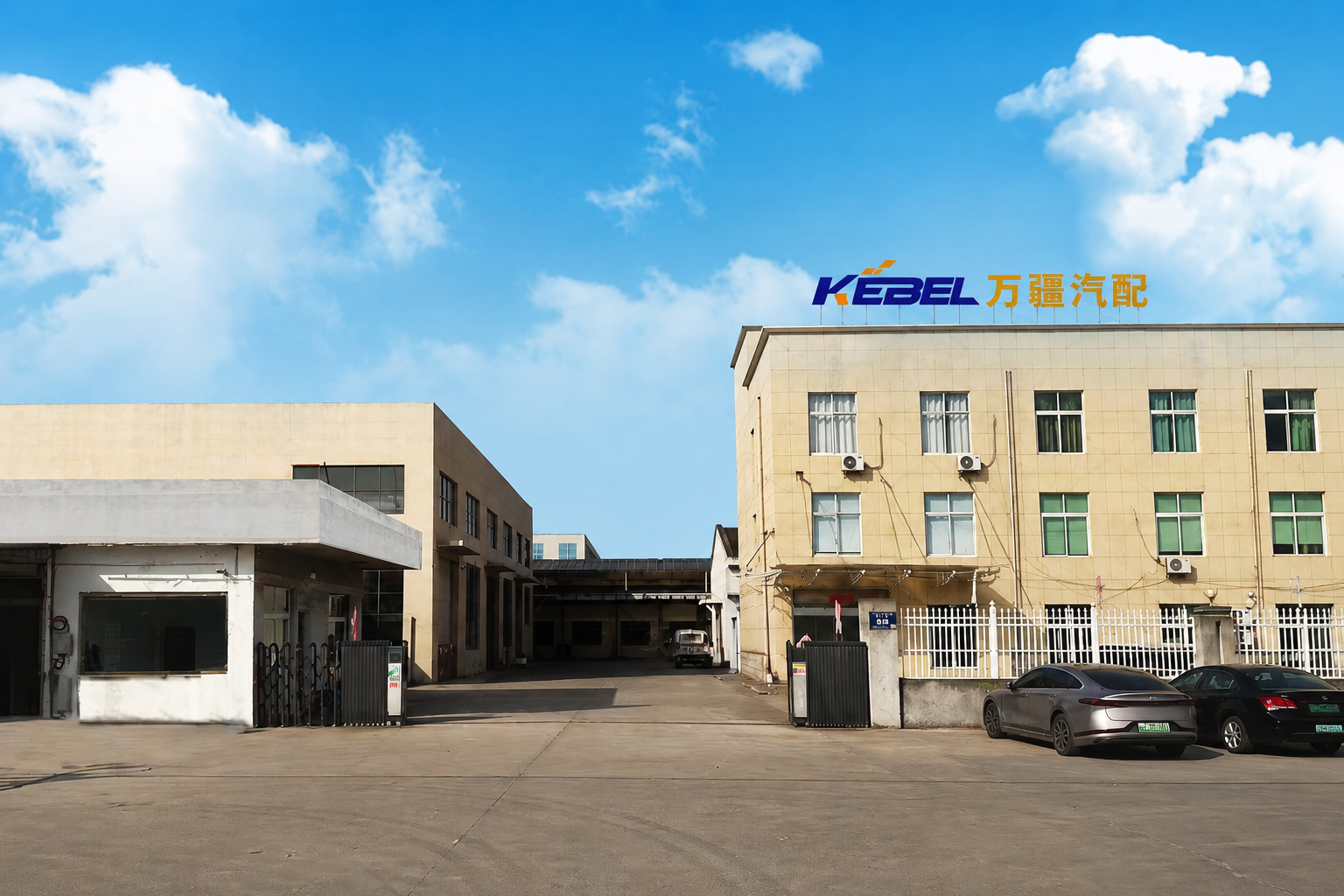
Danyang Wanjiang Auto Parts Co., Ltd. is a specialized manufacturer and exporter of automotive body parts located in Danyang, Jiangsu Province. Housing 80 employees across a 10,000-square-meter modern facility, the company specializes in custom-developing car bumper assemblies, front grilles, headlights, engine hoods, and fenders with a 95% export ratio primarily serving American and European vehicle aftermarket series. Holding CE certifications and German EPR compliance, the factory operates advanced tooling to ensure precise vehicle fitment and supports custom OEM/ODM development, standard stock shipments within 7 days, and annual exports exceeding 500 containers. For more details, visit our official platform at www.carbumperwj.com.

Lastest
-
Can you manufacture a front bumper based on our proprietary 3D CAD files?
2026-09-30 -
Can you provide the DOT and SAE certification documents for this rear bumper?
2026-09-30 -
How many production lines do you dedicate to making this bumper upper?
2026-09-30 -
Is there an online portal to track aftermarket support for the front bumper assembly?
2026-09-30 -
What is the standard production lead time for a container of engine hoods?
2026-09-30
SUBSCRIBE
INQUIRY