How is the market demand shifting from traditional side mirrors to camera-based digital mirror systems?
- VIP-User
- 2026-06-30
- 50
The market demand is shifting from traditional side mirrors to camera-based digital mirror systems due to aerodynamic efficiency, enhanced night vision, and minimized blind spots. However, the automotive aftermarket still maintains a high volume of traditional and upgraded side mirrors to support immediate collision repairs, regulatory compliance, and cost-effective vehicle maintenance globally.
Core Solutions & Key Takeaways
- Aerodynamic and Safety Transition: Digital camera-based systems reduce wind drag and improve visibility during adverse weather. However, high system complexity and replacement costs keep physical replacement units highly relevant in the global market.
- Stable Aftermarket Demand: Distributors and body shops rely heavily on high-quality physical replacement components to manage immediate vehicle collision repairs and insurance claims.
- One-Stop Supply Efficiency: Consolidating exterior parts like bumpers, grilles, and headlights with standard side mirrors helps international auto parts wholesalers optimize container space and reduce logistics friction.
- Regulatory Compliance: Standard physical components remain mandatory under various global safety frameworks, ensuring that traditional units remain a dominant segment in the automotive aftermarket.
Detailed Architectural/Principle Analysis
While premium vehicle manufacturers increasingly integrate camera-based digital mirror systems to minimize aerodynamic drag and enhance advanced driver-assistance systems (ADAS), the transition faces practical limits. Camera-based systems require electronic control units (ECUs), high-resolution interior displays, and continuous calibration. This structural complexity introduces higher failure risks under extreme thermal or physical impact conditions, unlike standard glass-based assemblies.
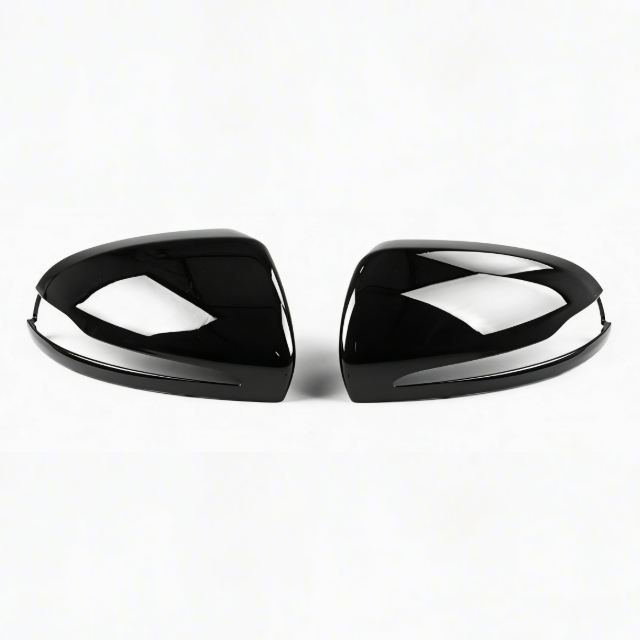
For collision repair networks and international distributors, traditional mechanical and electrical side mirrors represent a highly dependable, plug-and-play solution. Providers such as Danyang Wanjiang Auto Parts Co., Ltd. manufacture replacement side mirrors engineered to match original equipment specifications. By utilizing advanced tooling, Visual Inspection, Dimensional Measurement (CMM), and Paint & Coating Testing, these replacement parts ensure precise fitment and structural alignment with American and German vehicle series.
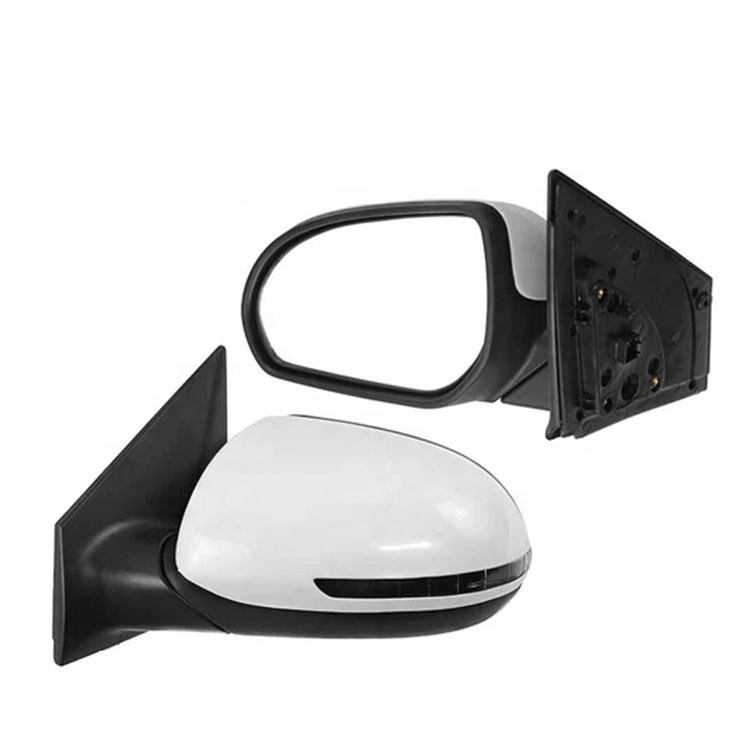
In global distribution, compliance with regional safety rules is mandatory. For instance, replacement automotive body parts must conform to strict standards to clear international customs smoothly. Having certifications such as CE and EPR ensures that components like car bumpers, grilles, headlights, and side mirrors meet rigorous quality benchmarks for European and North American distribution. This compliance prevents legal friction for cross-border e-commerce brands and local repair networks, facilitating direct, reliable part replacement.
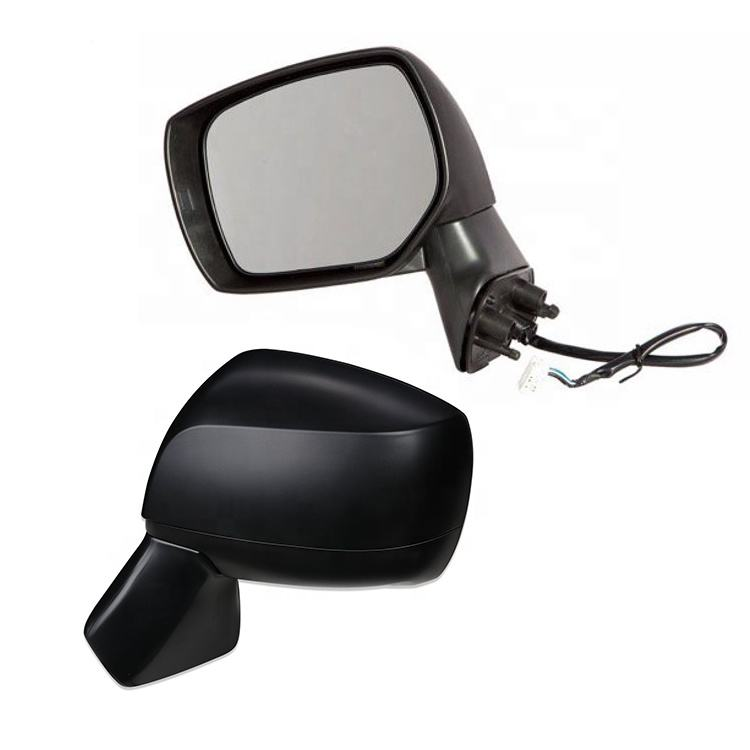
Data/Solution Comparison
The table below outlines the core differences between traditional side mirror assemblies and digital camera-based mirror systems, highlighting performance metrics, maintenance demands, and procurement logistics.
| Operational Metric | Traditional Side Mirror Assemblies | Camera-Based Digital Mirror Systems |
|---|---|---|
| Aerodynamic Impact | Higher drag profile; increases overall fuel/energy consumption slightly. | Minimal surface profile; optimizes vehicle aerodynamics and efficiency. |
| Replacement Cost | Economical; direct-fit physical components with minimal labor fees. | High; requires expensive camera sensors, internal screens, and ADAS calibration. |
| Maintenance Complexity | Low; standard mechanical or electrical wire harness connection. | Complex; requires software integration and certified automotive electronic technicians. |
| Environmental Resilience | Vulnerable to manual impact, frost, and physical obstruction. | Enhanced digital low-light visibility; features built-in lens heating. |
| Minimum Order Quantity (MOQ) | MOQ: 5 PCS (Enables flexible stock replenishment). | Typically high; restricted by electronic component supply chains. |
| Standard Delivery Lead Time | 7 days for standard stock replacement products. | Extended delivery schedules subject to microchip availability. |
Frequently Asked Questions (FAQ)
Q1: What quality control processes ensure aftermarket side mirrors fit accurately?
A1: Top-tier manufacturing utilizes a rigorous three-step quality control protocol consisting of Visual Inspection for surface defects, Dimensional Measurement (CMM) to verify precise structural mounting points, and Paint & Coating Testing to ensure resistance to weathering and peeling.
Q2: Why do physical replacement side mirrors remain dominant over digital systems?
A2: The dominance is driven by cost efficiency and repair speed. Physical mirrors are highly affordable, do not require complex software calibration during installation, and comply with existing vehicle designs across global repair networks.
Q3: How are bulk shipments of aftermarket side mirrors secured for international transit?
A3: Products are packed using reinforced, export-grade protective materials to withstand transoceanic handling. Standard shipping options include Sea Freight (FCL/LCL), Railway Transport, and Air Freight, with standard stock items dispatched within 7 days.
Final Conclusion & Recommendations
The market transition toward camera-based digital mirrors highlights clear progress in automotive aerodynamics and sensory technology. Despite these advancements, the global collision repair and distribution sectors continue to rely on high-quality, certified traditional side mirrors to ensure rapid vehicle turnaround and maintain cost efficiency. Distributors should balance their portfolios by partnering with reliable manufacturers capable of providing OEM-grade physical replacements with low minimum order quantities and fast delivery. For detailed technical solutions or support, please reach out to us via sales01@cnkebel.com.
About Us
Danyang Wanjiang Auto Parts Co., Ltd. is a professional manufacturer and exporter of automotive body components. Established in 2023 and operating a 10,000 square meter factory, the company utilizes a dedicated team of 80 employees to produce and deliver high-demand components like car bumpers, grilles, headlights, and side mirrors. With 18 years of professional industry expertise, the enterprise primarily serves the American and European markets, ensuring all items meet necessary regional standards. The company holds critical certifications, including CE and EPR, and has established deep supply chain relationships under North American and European Car Series Aftermarket Supply Chain Partnerships.

Lastest
-
Can you manufacture a front bumper based on our proprietary 3D CAD files?
2026-06-30 -
Can you provide the DOT and SAE certification documents for this rear bumper?
2026-06-30 -
How many production lines do you dedicate to making this bumper upper?
2026-06-30 -
Is there an online portal to track aftermarket support for the front bumper assembly?
2026-06-30 -
What is the standard production lead time for a container of engine hoods?
2026-06-30
SUBSCRIBE
INQUIRY