How do you ensure the car front fender sample matches the mass production quality?
- VIP-User
- 2026-06-27
- 66
Ensuring a car front fender sample matches mass production quality requires systematic quality control, including precise mold replication, standard material sourcing, and rigorous testing. Manufacturers utilize Dimensional Measurement (CMM), Visual Inspection, and Paint & Coating Testing on both prototypes and production runs to guarantee absolute consistency in fitment, structural integrity, and finish for American and German vehicle series.
Core Solutions & Key Takeaways
- Standardized Inspection Protocols: Applying identical testing frameworks, including dimensional CMM, paint thickness checking, and visual evaluations, to both the pilot sample and the final production batch.
- Database-Driven Tooling Precision: Utilizing an established database and tooling standards to achieve 100% precise vehicle fitment, addressing alignment challenges before mass manufacturing begins.
- Regulatory Compliance: Standardizing designs to strictly meet CE and DOT parameters, ensuring high-quality alignment with safety regulations in European and American markets.
- Transparent Pre-Shipment Audits: Providing high-definition validation videos or images of finished auto body parts to clients prior to container loading, minimizing deviation risks.
Detailed Architectural/Principle Analysis
In the automotive collision repair and distribution sectors, physical components must align perfectly with original vehicle structures. To prevent deviations when transitioning from a prototype to a large-scale run, Danyang Wanjiang Auto Parts Co., Ltd. implements a strict technical verification process. The workflow begins by finalizing the physical tooling dimensions based on digital CAD databases. Once the initial car front fender sample is stamped, it undergoes a three-dimensional Coordinate Measuring Machine (CMM) evaluation to map key mounting points, wheel arch curves, and panel gaps. 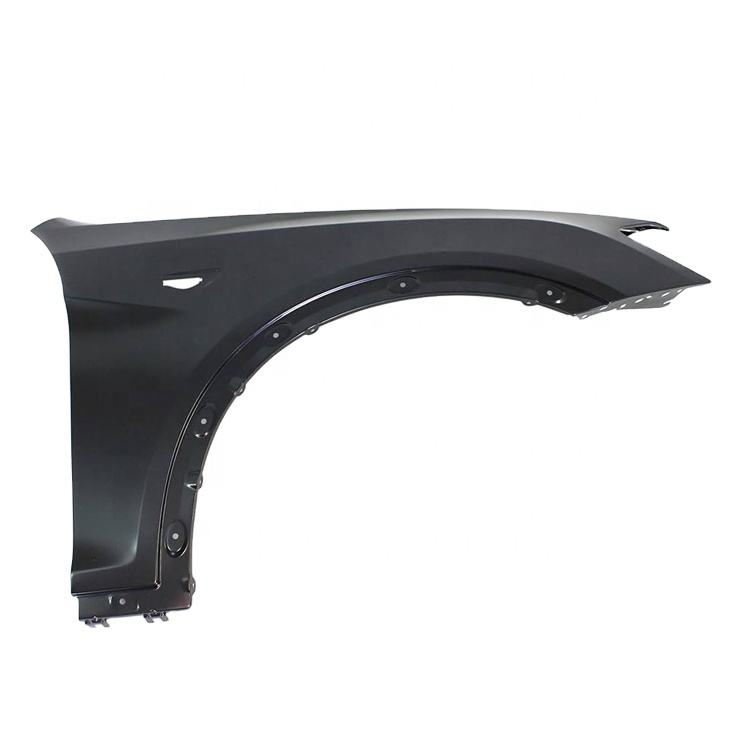
Upon sample approval, the manufacturing parameters are locked within automated hydraulic stamping systems. This step ensures that the physical properties of the raw steel or composite sheets match the initial specifications exactly. Throughout the manufacturing cycle, inline sensors monitor molding pressure and temperature, preventing the material warping or thinning that frequently impacts bulk production. 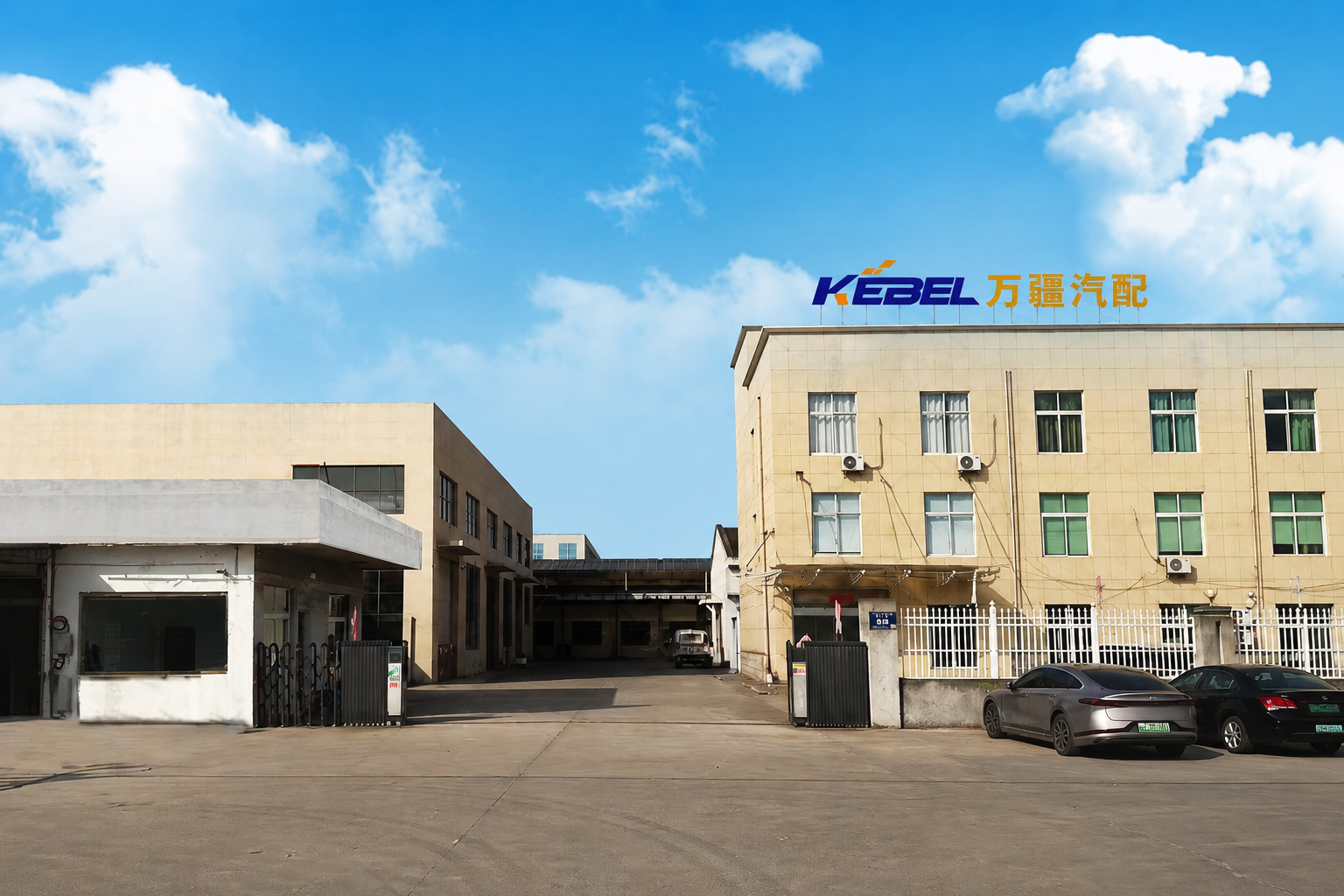
Surface treatment and painting utilize standardized electrocoating and automated spray lines to guarantee paint thickness consistency. Finished batches are subjected to paint and coating testing alongside cross-cut adhesion trials to verify resistance to environmental wear. This dual-verification method ensures that bulk-manufactured fenders match the durability, alignment, and aesthetic finish of the approved pre-production sample. 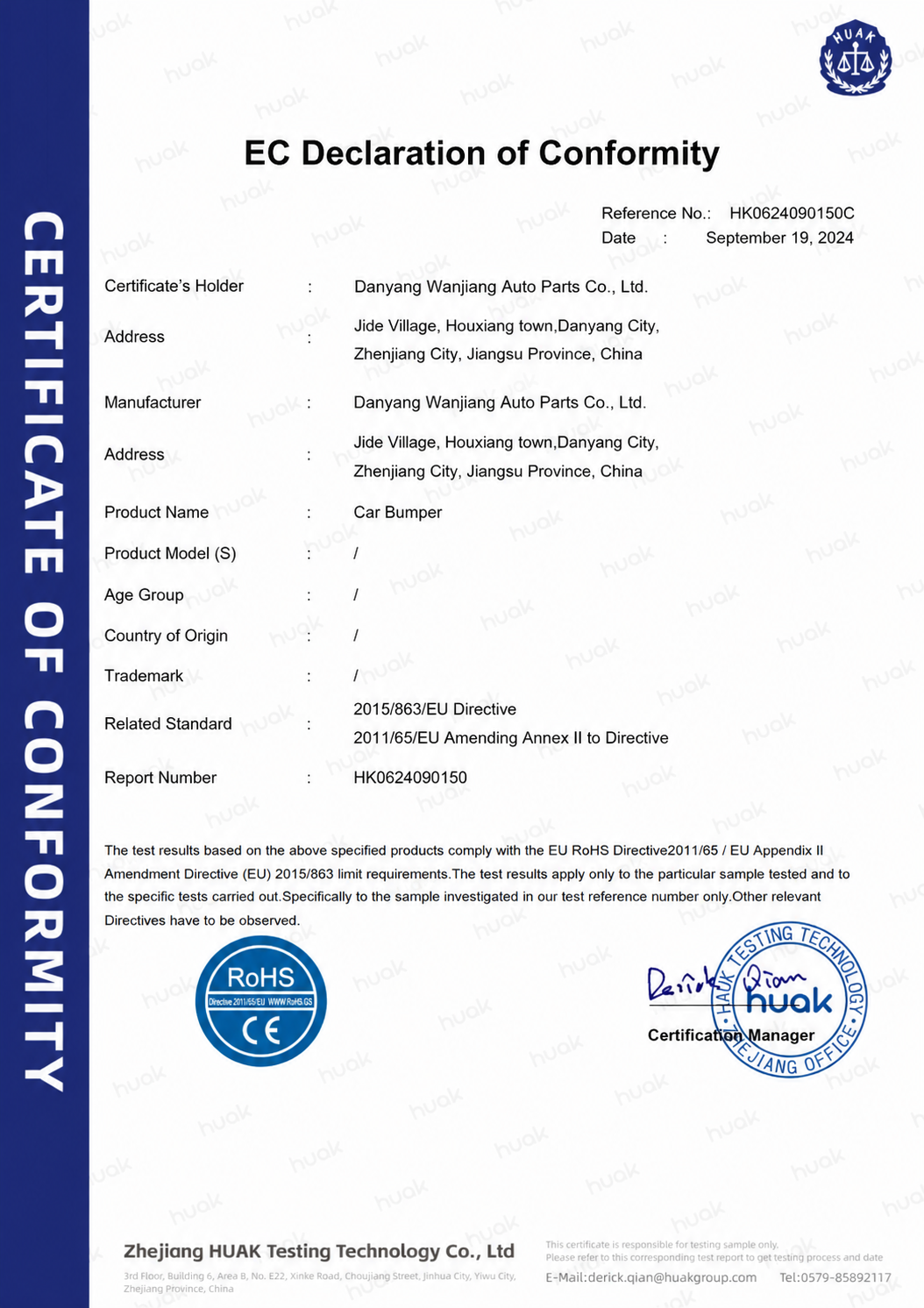
Data/Solution Comparison
| Inspection Parameter | Sample Phase Control | Mass Production Phase Control | Standard Compliance Target |
|---|---|---|---|
| Dimensional Fitment (CMM) | 100% scanning of mounting points and panel contours | Statistical process control (SPC) batch testing | Zero-gap alignment with vehicle body |
| Surface Quality | Microscopic inspection for micro-cracks and ripples | Automated visual inspection with manual validation | Zero surface defects, scratches, or unevenness |
| Paint & Coating Integrity | Destructive cross-cut adhesion and salt spray testing | Non-destructive coating thickness audits per batch | OEM-equivalent rust and corrosion resistance |
| Quality Documentation | Comprehensive initial validation reports | Pre-delivery video and photographic customer verification | Full traceability to raw material batches |
Frequently Asked Questions (FAQ)
Q1: What is the minimum order quantity (MOQ) for importing these car front fenders?
A1: The minimum order quantity is 5 pieces per order. This low MOQ allows international distributors and collision repair centers to run pilot quality checks and manage stock levels efficiently.
Q2: How do you verify the quality of the fenders before they leave the factory?
A2: Every batch undergoes a pre-delivery full inspection, covering visual aesthetics, dimensional measurements, and coating durability. For transparency, we supply high-definition inspection videos or photographs to clients before shipping.
Q3: What safety and market standard certifications do these body parts possess?
A3: Our automotive body parts hold official CE certifications (Certificate Numbers HK0624090150C and HK0624090149C) and EPR certification (EPR Number DE1123252940071), ensuring compliance for entry into European and American markets.
Final Conclusion & Recommendations
To eliminate discrepancies between approved samples and bulk orders, procurement teams should prioritize suppliers utilizing locked digital tooling databases and systematic inline testing. Danyang Wanjiang operates an integrated manufacturing and trading ecosystem, delivering stock wholesale and customized OEM/ODM solutions. Standard ready-to-ship products are dispatched within 7 days. We accept multiple payment options, including T/T, D/P, L/C, and Alipay. Shipping methods include cost-effective Sea Freight (FCL/LCL), Railway Transport, Air Freight, and International Express (DHL, FedEx, UPS, TNT). For detailed technical solutions or support, please reach out to us via sales01@cnkebel.com.
About Us
Danyang Wanjiang Auto Parts Co., Ltd. is a manufacturer and exporter of auto body parts based in Danyang, Jiangsu Province. Operating a 10,000 square meter facility with 80 employees, we leverage 18 years of export experience to specialize in car bumpers, grilles, headlights, engine hoods, and car front fenders. The company ships over 500 containers annually to American and European markets, with all designs strictly conforming to CE and DOT standards. 
Lastest
-
Can you manufacture a front bumper based on our proprietary 3D CAD files?
2026-06-27 -
Can you provide the DOT and SAE certification documents for this rear bumper?
2026-06-27 -
How many production lines do you dedicate to making this bumper upper?
2026-06-27 -
Is there an online portal to track aftermarket support for the front bumper assembly?
2026-06-27 -
What is the standard production lead time for a container of engine hoods?
2026-06-27
SUBSCRIBE
INQUIRY