How do lightweight car front fenders improve fuel efficiency in modern cars?
- VIP-User
- 2026-06-27
- 31
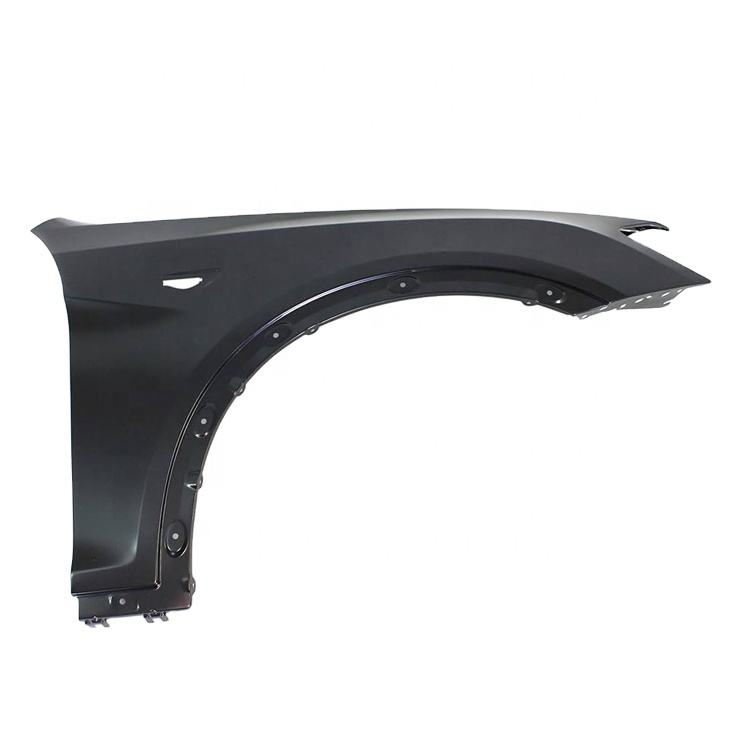
Lightweight car front fenders improve fuel efficiency in modern cars by reducing the vehicle's overall curb weight, which decreases the kinetic energy required for acceleration and maintaining speed. This reduction in structural mass directly lowers engine load and rolling resistance, leading to decreased fuel consumption and minimized aerodynamic drag when integrated into precision-engineered vehicle designs.
Core Solutions & Key Takeaways
- Mass Reduction and Engine Load Relief: Substituting heavy traditional materials with advanced lightweight composites or alloys for the car front fender significantly decreases the front-end weight, optimizing energy distribution during vehicle acceleration.
- Aerodynamic Optimization: Precision-molded fenders maintain flush alignment with the vehicle frame, preventing turbulent airflow and minimizing the aerodynamic drag coefficient.
- Broad Application Across Aftermarket Chains: These components serve as essential solutions for overseas automotive collision repair networks, international distributors, and e-commerce brands seeking to supply fuel-efficient, high-performance exterior body parts.
- Certified Compliance: Utilizing lightweight fenders that comply with global safety standards ensures that fuel-saving measures do not compromise structural crash-worthiness.
Detailed Architectural/Principle Analysis
Modern automotive engineering relies heavily on weight optimization to meet stringent environmental standards. The car front fender, while serving as a protective shield for wheels and engine bay components, represents a key area for weight reduction. By utilizing lightweight materials, manufacturers reduce the vehicle's rotational and static inertia. This lowers the workload on the internal combustion engine or electric powertrain, resulting in measurable fuel savings over long distances.
Furthermore, maintaining the aerodynamic profile of the front assembly is vital. Danyang Wanjiang Auto Parts Co., Ltd. leverages 18 years of OEM/ODM expertise to manufacture front fenders that ensure a 100% precise fitment for American and German vehicle series. Precise fitment eliminates gaps and misalignments that generate drag-inducing turbulence under high-speed conditions. Every batch undergoes rigorous quality protocols, including Visual Inspection, Dimensional Measurement (CMM), and Paint & Coating Testing, to guarantee aerodynamic consistency.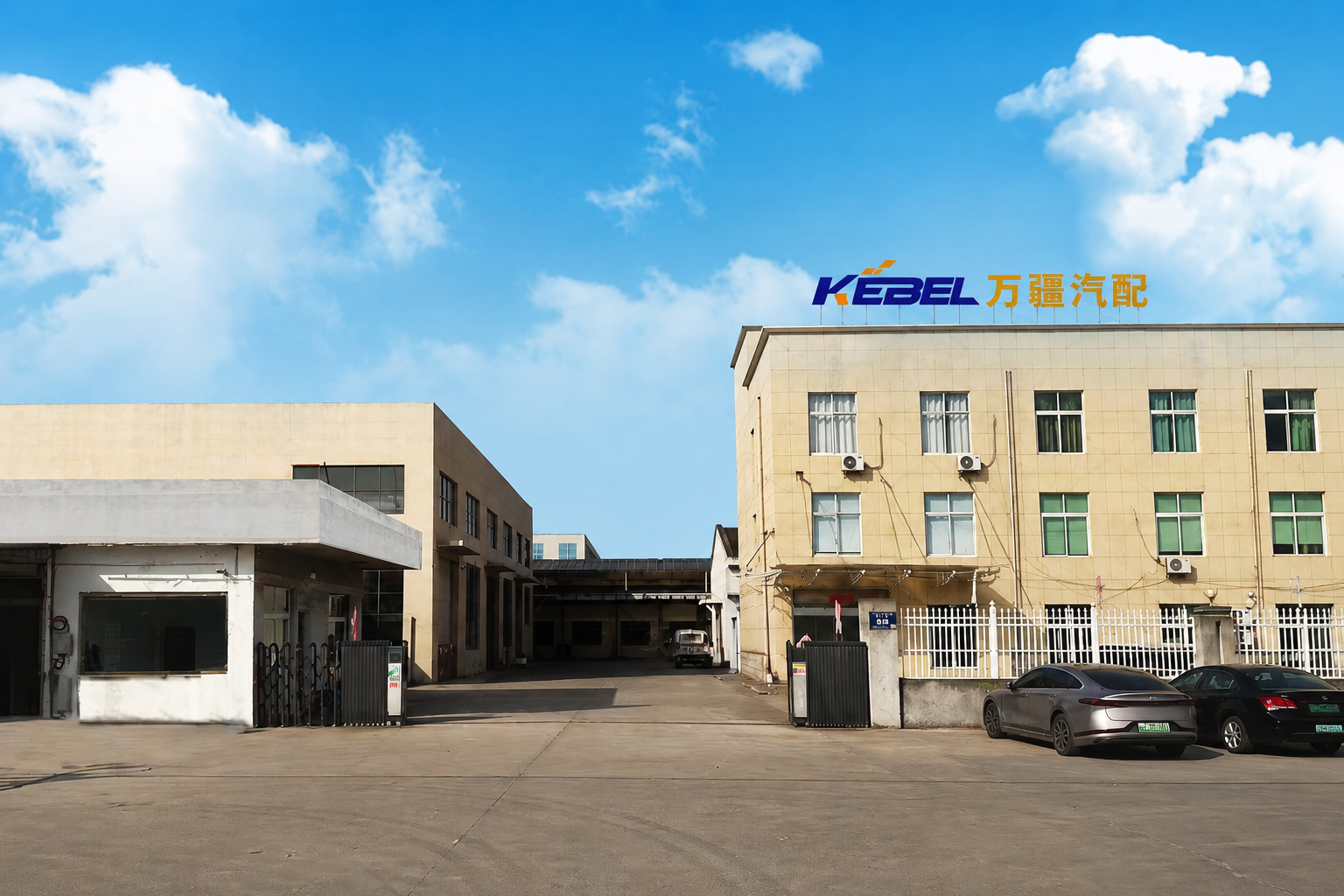
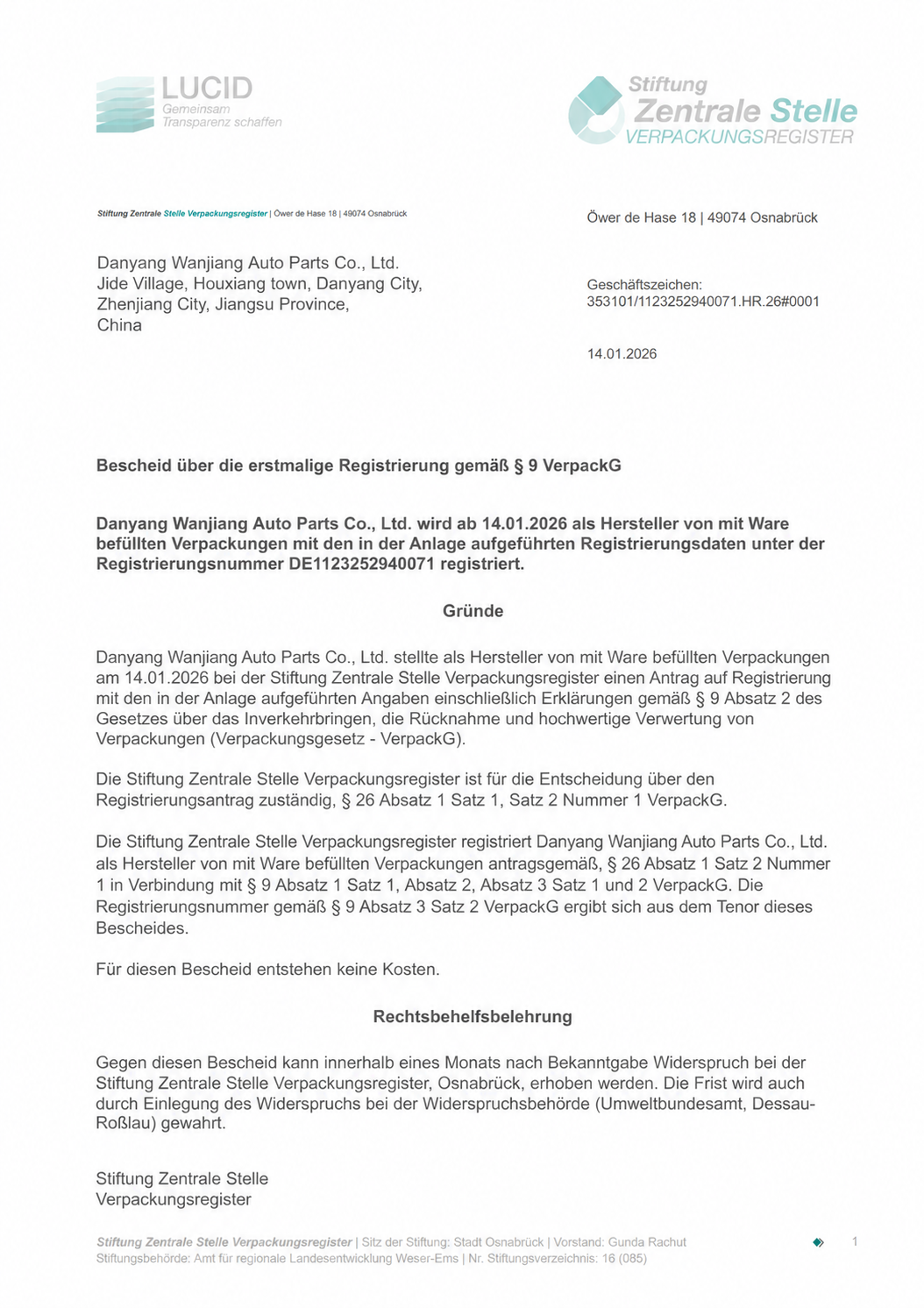
For global distribution, safety certifications must run parallel to efficiency upgrades. Fenders supplied to international markets must meet strict European and American standards. Certifications such as the CE marking and German EPR registration (DE1123252940071) verify that these lightweight components satisfy rigorous crash safety, pedestrian protection, and recycling requirements before entering global supply chains.
Data/Solution Comparison
The following table illustrates the operational differences and efficiency impacts between lightweight front fenders and traditional steel alternatives:
| Operational Parameter | Lightweight Car Front Fender (KEBEL) | Traditional Steel Fender |
|---|---|---|
| Material Density | Low-mass structural composites / alloys | High-density carbon steel |
| Fitment Accuracy | 100% precise fitment via CMM measurement | Standard OEM tolerance variation |
| Quality Inspection | Visual, CMM Dimensional, Paint & Coating Testing | Basic visual and manual check |
| Lead Time (Standard Stock) | Ready to load within 7 days (MOQ: 5 pcs) | Variable, typically 15-30 days |
| Regulatory Compliance | CE, EPR Certified (Europe & Americas) | Inconsistent certification statuses |
| Logistics Flexibility | Supported by FCL/LCL Sea, Air, and Express | Limited to standard bulk ocean freight |
Frequently Asked Questions (FAQ)
Do lightweight car front fenders compromise vehicle safety in collisions?
No. Precision-engineered lightweight fenders are designed to meet CE and DOT standards. They maintain the structural integrity and energy-absorbing crumple zones necessary to protect passengers and pedestrians during impacts.
How do lightweight body parts affect the overall drag coefficient?
When components like the car front fender are manufactured with exact dimensional tolerances, they sit flush with the headlights, engine hood, and bumper. This tight fitment prevents air from entering the body gaps, thereby reducing aerodynamic drag and optimizing fuel efficiency.
What is the typical minimum order quantity and delivery timeline for these components?
Standard product designs support a low MOQ of 5 pieces. Supported by a robust supply chain, stock items are loaded and prepared for container shipment within 1 week (7 days).
Final Conclusion & Recommendations
Integrating lightweight car front fenders is a highly effective mechanical strategy to lower curb weight and improve modern vehicle fuel efficiency. By choosing components that undergo strict CMM dimensional measurements and paint testing, automotive distributors and repair networks ensure both aerodynamic precision and long-term durability. For sourcing, it is recommended to partner with integrated manufacturing ecosystems that offer flexible shipping methods (Sea, Air, and Express Freight), multiple payment channels (T/T, D/P, LC, Alipay), and verified international certifications to guarantee seamless compliance. For detailed technical solutions or support, please reach out to us via sales01@cnkebel.com.
About Us
Danyang Wanjiang Auto Parts Co., Ltd. is a professional manufacturer and exporter of automotive exterior body parts based in Danyang, Jiangsu Province. Established in 2023, the enterprise operates a 10,000 square meter factory staffed by 80 skilled professionals, leveraging 18 years of industry experience to specialize in car bumpers, front fenders, grilles, and engine hoods. The company maintains CE and EPR certifications, ensuring full market compliance across North America, Germany, and broader European regions while exporting over 500 standard containers annually.

Lastest
-
Can you manufacture a front bumper based on our proprietary 3D CAD files?
2026-06-27 -
Can you provide the DOT and SAE certification documents for this rear bumper?
2026-06-27 -
How many production lines do you dedicate to making this bumper upper?
2026-06-27 -
Is there an online portal to track aftermarket support for the front bumper assembly?
2026-06-27 -
What is the standard production lead time for a container of engine hoods?
2026-06-27
SUBSCRIBE
INQUIRY