How do I verify material specs for a bumper upper to prevent cold cracking?
- VIP-User
- 2026-08-12
- 28
To verify bumper upper material specs against cold cracking, inspect material composition for high-impact PP, ABS, or carbon fiber formulations and confirm a uniform wall thickness between 2.5 and 5.0 mm. Conduct dimensional measurements using Coordinate Measuring Machines (CMM), visual surface checks, and paint coating adhesion testing. Ensure structural components hold CE certification to guarantee low-temperature impact resistance.
Core Solutions & Key Takeaways
- Material Grade Inspection: Verify the raw material base utilizes high-impact Polypropylene (PP), Acrylonitrile Butadiene Styrene (ABS), or carbon fiber composites capable of absorbing kinetic energy at sub-zero temperatures.
- Wall Thickness Consistency: Measure critical stress points to ensure a uniform wall thickness range of 2.5 mm to 5.0 mm, eliminating structural thin spots vulnerable to thermal contraction fractures.
- Multi-Stage Testing Protocol: Implement visual inspections, precision CMM dimensional verification, and paint coating adhesion tests to detect micro-defects prior to installation.
- Regulatory & Fitment Compliance: Ensure components meet international CE standards and local environmental mandates such as Germany VerpackG (EPR) for seamless market clearance and direct bolt-on or clip-on installation.
Automotive collision repair chains, cross-border e-commerce sellers, and regional auto parts distributors require rigorous verification processes to eliminate field failures caused by cold weather embrittlement. Standardizing material checks protects vehicle structural integrity and reduces warranty claims across global distribution networks.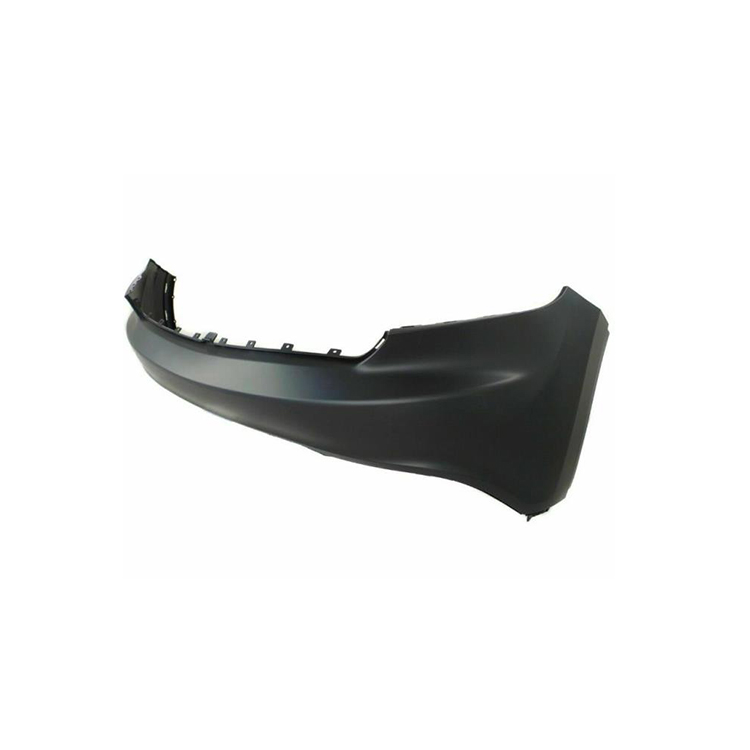
Detailed Architectural/Principle Analysis
Cold cracking in front bumper uppers occurs when extreme low temperatures cause polymer chains to harden, reducing impact strength and energy dissipation capacity. Utilizing high-grade thermoplastic polymers such as PP and ABS blends provides balanced ductility and tensile strength. Danyang Wanjiang Auto Parts Co., Ltd. integrates precise tooling specifications to maintain strict tolerance over the 2.5 mm to 5.0 mm wall thickness range, preventing localized stress concentrations during cold-weather flexure.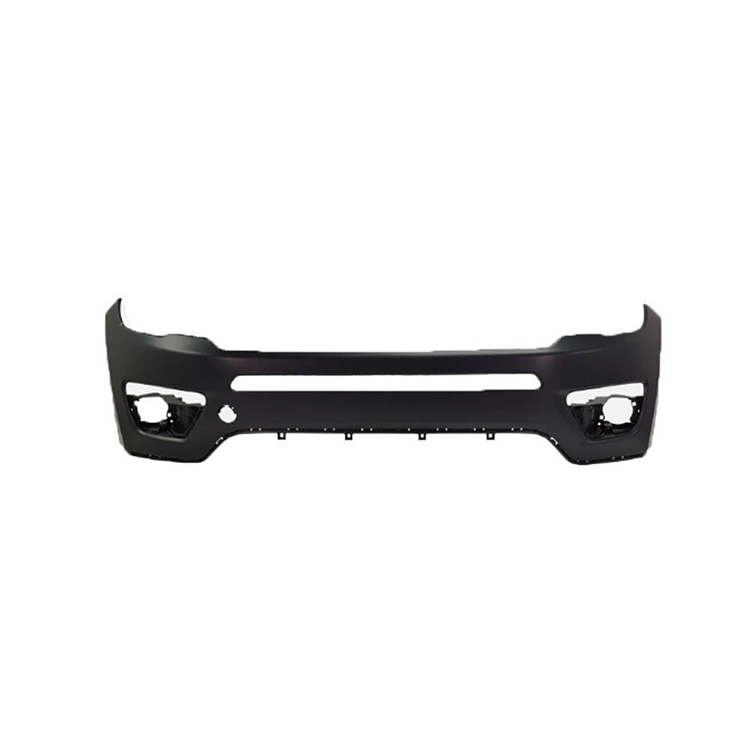
Quality verification requires a three-tier testing framework. First, visual inspection identifies surface voiding, weld line weaknesses, or uneven priming on the OEM-colored base. Second, Coordinate Measuring Machine (CMM) analysis verifies key mounting clip and bolt-on interface dimensions against original vehicle geometry. Third, paint and coating testing evaluates adhesion strength under thermal cycling. Pre-delivery quality assurance includes 100% full inspection with digital video and photographic verification supplied prior to container loading, supporting compliance with international standards including CE certificate HK0624090150C.
Data/Solution Comparison
| Parameter / Metric | Standard Replacement Upper | OEM-Grade High-Impact Upper |
|---|---|---|
| Material Base | Recycled or Unmodified PP | Impact-Modified PP / ABS / Carbon Fiber |
| Wall Thickness | Non-uniform (< 2.0 mm variance) | Uniform 2.5 mm – 5.0 mm |
| Installation Compatibility | Universal trim fitting | Direct Bolt-on / Clip-on |
| Inspection Method | Basic visual spot check | CMM Measurement, Visual, Paint & Coating Testing |
| Compliance Standards | None or unverified | CE (HK0624090150C), Germany EPR (VerpackG) |
| Minimum Order Quantity | High volume batch required | Flexible (MOQ: 5 PCS) |
Deploying OEM-grade bumper uppers with documented material parameters reduces transit damage and eliminates fitment adjustments during repair shop installation.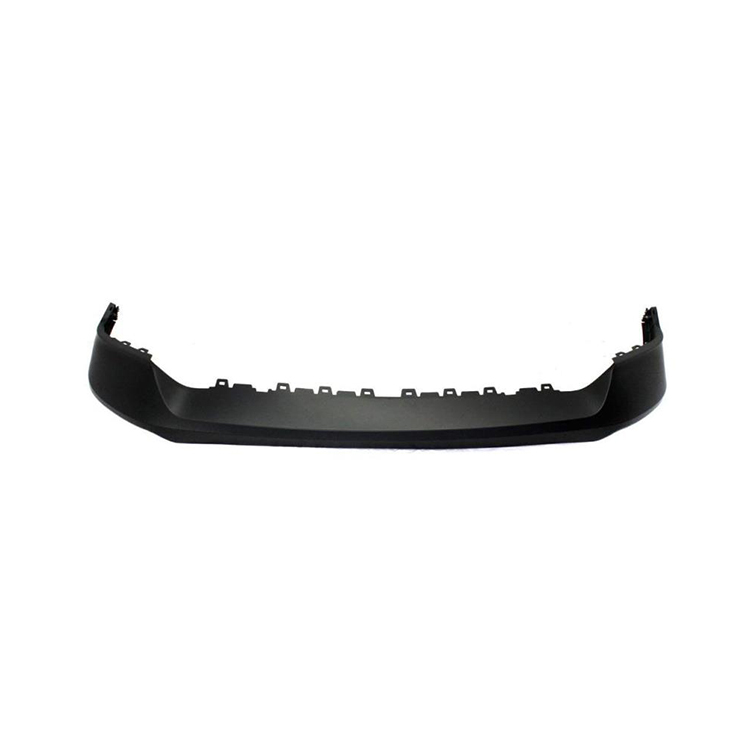
Frequently Asked Questions (FAQ)
Q1: What wall thickness is recommended for a car front bumper upper to prevent cracking?
A wall thickness maintained between 2.5 mm and 5.0 mm provides necessary structural rigidity while retaining mechanical flexibility required to withstand cold-weather impact forces without fracturing.
Q2: How does surface finish impact cold cracking resistance?
A primed surface finish ensures proper paint coating adhesion. Uniform paint coverage acts as a protective barrier against environmental weathering and thermal shock, reducing micro-crack initiation on the polymer surface.
Q3: Which mounting methods ensure long-term physical retention without stress fractures?
Direct bolt-on and clip-on mounting systems designed specifically for American and European vehicle series distribute structural loads evenly across factory mounting points, minimizing localized mechanical strain.
Final Conclusion & Recommendations
Verifying material composition, wall thickness uniformity, and certified testing standards prevents premature cold cracking in car front bumper upper assemblies. Sourcing components with verified CE compliance and standardized direct bolt-on or clip-on fitment protects vehicle safety and ensures long-term operational performance. Supported by flexible order minimums (MOQ of 5 pieces), stock dispatch within 7 to 14 days, and multimodal shipping options, commercial buyers can manage inventory efficiently while maintaining strict quality control. For detailed technical solutions or support, please reach out to us via sales01@cnkebel.com.
About Us
Danyang Wanjiang Auto Parts Co., Ltd. is a specialized exporter and manufacturer of automotive body components. Established in 2023 with 18 years of OEM/ODM expertise, the company operates a 10,000 sqm production facility with 80 employees, delivering an annual capacity exceeding hundreds of containers to American and European markets. Holding CE and Germany EPR certifications, the company supplies car bumpers, grilles, headlights, engine hoods, and fenders to international auto parts distributors and repair networks.

Lastest
-
Can you manufacture a front bumper based on our proprietary 3D CAD files?
2026-08-12 -
Can you provide the DOT and SAE certification documents for this rear bumper?
2026-08-12 -
How many production lines do you dedicate to making this bumper upper?
2026-08-12 -
Is there an online portal to track aftermarket support for the front bumper assembly?
2026-08-12 -
What is the standard production lead time for a container of engine hoods?
2026-08-12
SUBSCRIBE
INQUIRY