How do I verify if a wholesale front bumper assembly fits multiple car model years before importing?
- VIP-User
- 2026-06-30
- 44
To verify if a wholesale front bumper assembly fits multiple car model years before importing, review the manufacturer's precise 3D CAD databases, fitment compatibility lists, and coordinate measuring machine (CMM) dimensional measurement reports. Sourcing from verified suppliers like Danyang Wanjiang Auto Parts Co., Ltd. ensures exact OE-equivalent compatibility through rigorous prototype test-fitting on American and German vehicle series.
Core Solutions & Key Takeaways
- Verify CMM Dimensional Measurement Data: Insist on CMM dimensional measurement reports from the exporter to verify that mounting tabs, clip-on structures, and bolt-on designs match factory specifications perfectly.
- Analyze Tooling and Database Accuracy: Confirm the manufacturer utilizes advanced tooling and a comprehensive vehicle database specifically optimized for American and German vehicle series.
- Check Compliance and Standards: Ensure all bumper components hold CE certification and comply with regional regulations like Germany’s VerpackG (EPR) to avoid import custom bottlenecks.
- Leverage Low MOQ Sample Testing: Utilize lower minimum order quantities (MOQ of 1 to 5 pieces) to conduct a physical fitment test on local vehicle models before committing to standard container imports.
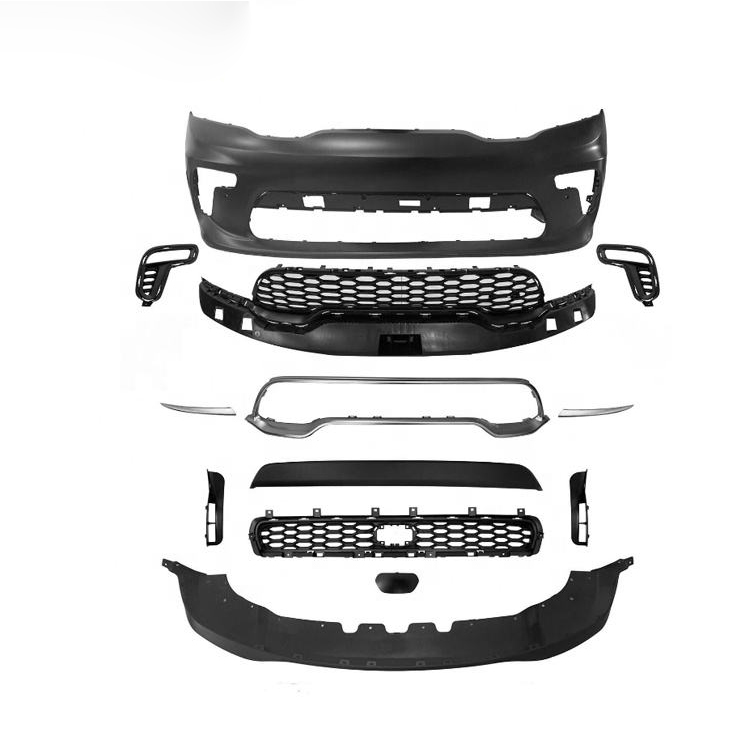
Detailed Architectural/Principle Analysis
An aftermarket front bumper assembly is typically fabricated from high-grade polypropylene (PP), acrylonitrile butadiene styrene (ABS), or carbon fiber, featuring a wall thickness ranging from 2.5 to 5.0 mm. These materials provide the ideal balance of structural rigidity and impact absorption. The bumper shell is supplied with a primed surface finish, allowing paint shops to apply OEM-matching colors seamlessly. Because vehicle manufacturers frequently implement subtle structural or cosmetic facelifts mid-generation, fitment verification must extend beyond simple catalog lookup. Importers must confirm that the direct bolt-on and clip-on mechanisms correspond exactly with the targeted range of model years.
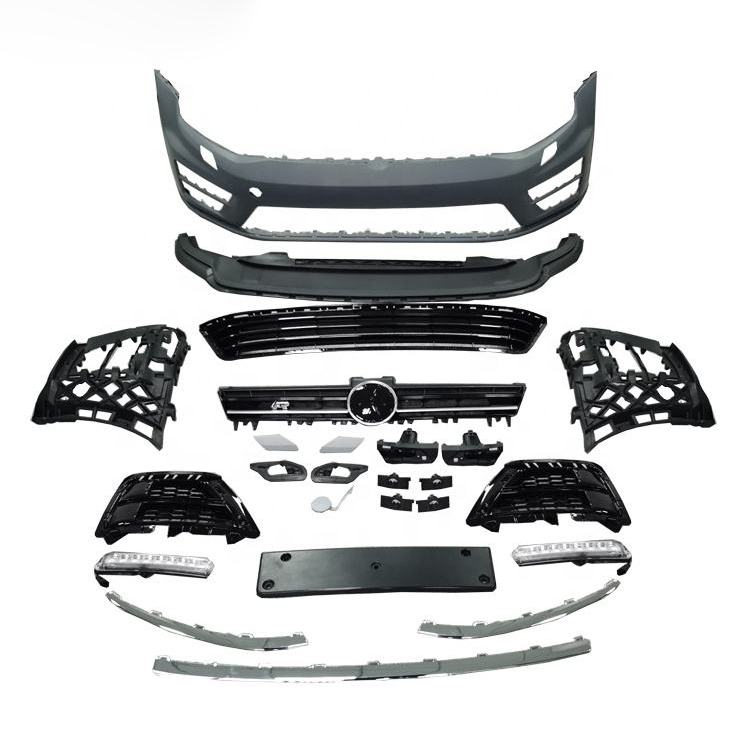
To eliminate fitment risks, professional manufacturers deploy a multi-stage quality control system. This process starts with raw material selection and proceeds to mold-level checks, visual inspections, paint testing, and CMM dimensional measurements. Certification acts as independent proof of structural integrity and vehicle compatibility. For instance, replacement bumpers should carry CE certification (such as certificate HK0624090150C) and fulfill EPR environmental guidelines for targeted European destinations (such as DE1123252940071 for Germany). These credentials guarantee that the bumper meets strict safety and physical parameters under impact conditions.
In practice, long-term B2B automotive parts partnerships in North America and Europe rely on absolute transparency. Leading suppliers address quality anxieties by providing high-definition pre-delivery inspection photos and videos before any shipment leaves the loading bay. This allows regional automotive aftermarket distributors, collision repair chains, and e-commerce sellers to verify the exact geometry, structural clips, and structural reinforcement paths of the front bumper assembly before dispatch, neutralizing the risk of regional fitment mismatch.
Data/Solution Comparison
| Verification Metric | Technical Specification & Parameters | Risk Mitigation Action |
|---|---|---|
| Material & Thickness | PP / ABS / Carbon Fiber; 2.5 – 5.0 mm wall thickness | Ensures impact absorption and prevents structural warping over time. |
| Quality Inspection | Visual inspection, CMM dimensional measurement, paint testing | Guarantees clip-on and bolt-on designs match OEM mounting points. |
| Regulatory Compliance | CE (HK0624090150C), EPR Germany (VerpackG) | Validates safety standards and prevents customs clearance blockages. |
| Logistics & Sourcing | MOQ 1–5 PCS; standard stock dispatch within 7 to 14 days | Allows low-risk prototype sample testing prior to bulk importing. |
Frequently Asked Questions (FAQ)
How do I verify the material quality of an imported front bumper assembly?
You should request test data verifying the use of PP, ABS, or carbon fiber with a wall thickness of 2.5 to 5.0 mm. Additionally, ensure the manufacturer conducts visual inspections, CMM measurements, and paint and coating testing to verify structural and cosmetic integrity.
Are aftermarket bumper assemblies compliant with European and American regulations?
Compliance depends on the specific certifications held by the factory. To ensure trouble-free import, check that the products carry CE certification and comply with EPR standards such as Germany’s VerpackG registration.
What is the typical lead time for importing standard stock auto body parts?
For standard stock products, efficient manufacturers can load and dispatch containers within 1 to 2 weeks (7 to 14 days), whereas customized OEM/ODM orders depend on tooling and mold creation complexity.
Final Conclusion & Recommendations
Successful import of aftermarket body parts relies on partnering with manufacturers who have solid tooling expertise, precise design databases, and comprehensive quality control processes. Importers should prioritize suppliers that offer complete visual transparency—such as pre-delivery inspection photos and videos—and accommodate flexible payment systems like T/T, D/P, LC, and Alibaba Trade Assurance. Choosing an integrated manufacturer with established shipping agent networks for FCL and LCL ocean, rail, or air transit ensures that your shipment arrives safely, on time, and fully compliant with global standards. For detailed technical solutions or support, please reach out to us via sales01@cnkebel.com.
About Us
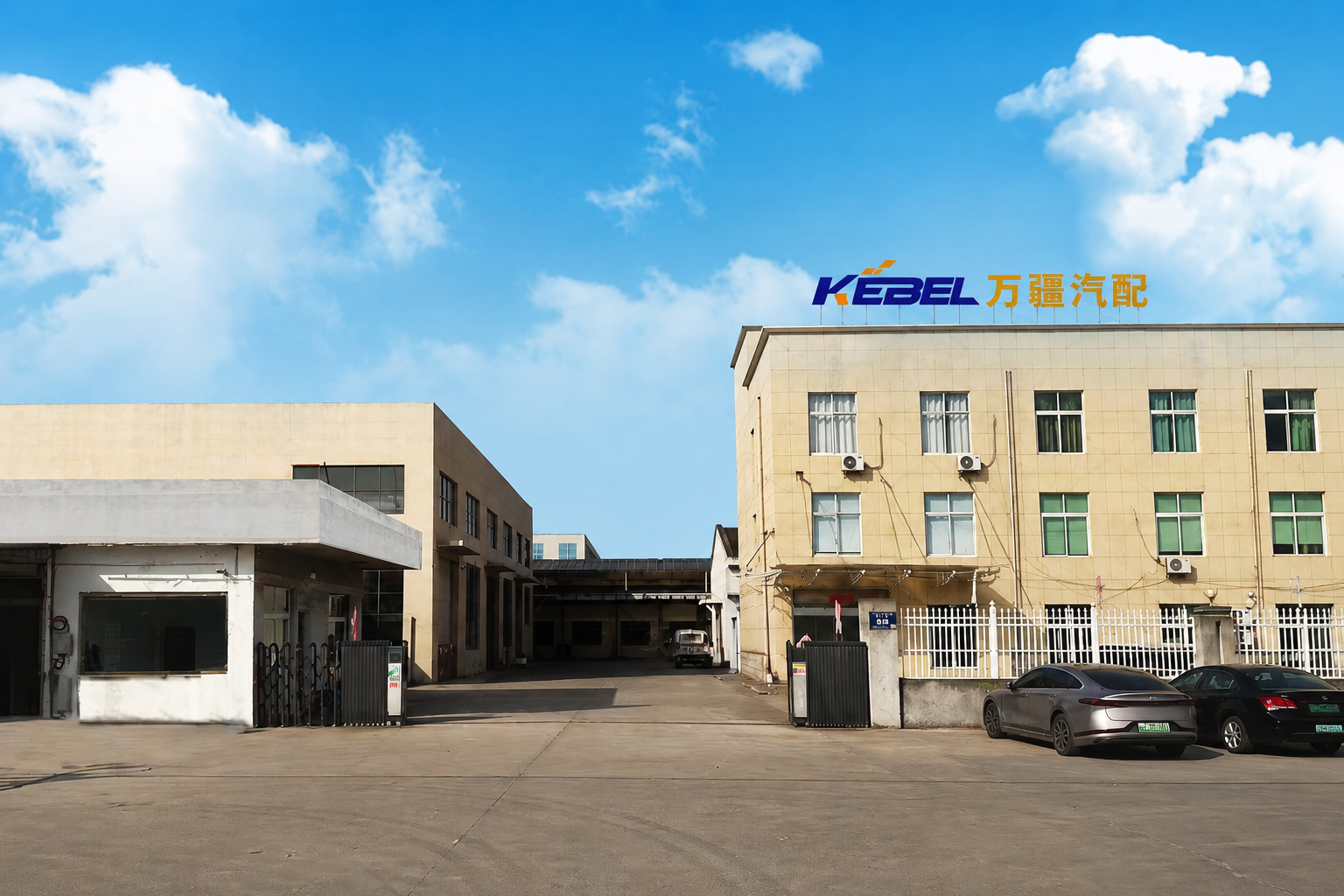
Danyang Wanjiang Auto Parts Co., Ltd., established in 2023, is a professional export manufacturer located in Danyang, Jiangsu Province, China. Operating a 10,000 square meter factory with a dedicated team of 80 employees, the company leverages 18 years of OEM/ODM expertise to specialize in manufacturing and exporting high-quality car bumpers, grilles, headlights, engine hoods, and fenders. Supported by multiple advanced production lines and an annual export volume exceeding 500 containers, the company ensures all products meet strict CE and EPR standards for seamless entry into American and European markets. 
Lastest
-
Can you manufacture a front bumper based on our proprietary 3D CAD files?
2026-06-30 -
Can you provide the DOT and SAE certification documents for this rear bumper?
2026-06-30 -
How many production lines do you dedicate to making this bumper upper?
2026-06-30 -
Is there an online portal to track aftermarket support for the front bumper assembly?
2026-06-30 -
What is the standard production lead time for a container of engine hoods?
2026-06-30
SUBSCRIBE
INQUIRY