How do I verify if a wholesale bumper upper fits both OEM and aftermarket bumper covers perfectly?
- VIP-User
- 2026-06-29
- 38
Verifying if a wholesale bumper upper fits both OEM and aftermarket bumper covers requires confirming dimensional measurement accuracy via Coordinate Measuring Machines, verifying OEM-matching clip-on or direct bolt-on installation interfaces, and ensuring structural material compatibility using high-grade PP, ABS, or carbon fiber with wall thicknesses of 2.5 to 5.0 mm.
Core Solutions & Key Takeaways
- Dimensional Precision Verification: Utilizing 3D scanning and Coordinate Measuring Machine (CMM) testing guarantees that the bumper upper matches the exact contours of both original and aftermarket covers.
- Interface Compatibility: Selecting components designed with dual-compatibility attachment points (direct bolt-on and clip-on systems) ensures seamless integration with various bumper cover brands.
- Regulatory & Safety Compliance: Sourcing parts certified under CE and EPR standards (such as CE Certificate HK0624090150C and German EPR compliance) guarantees that structural tolerances and material safety match OEM requirements.
- Application-Specific Selection: Tailoring specifications to fit high-demand environments like overseas automotive collision repair, wholesale distribution, and cross-border e-commerce platforms.
Detailed Architectural/Principle Analysis
Achieving a flawless fitment between a wholesale bumper upper and an OEM or aftermarket bumper cover relies on strict engineering tolerances. When manufacturing bumper uppers, Danyang Wanjiang Auto Parts Co., Ltd. utilizes advanced tooling and a comprehensive database built on 18 years of OEM/ODM expertise. This ensures the component replicates original factory dimensions exactly, preventing gaps or misalignments during installation.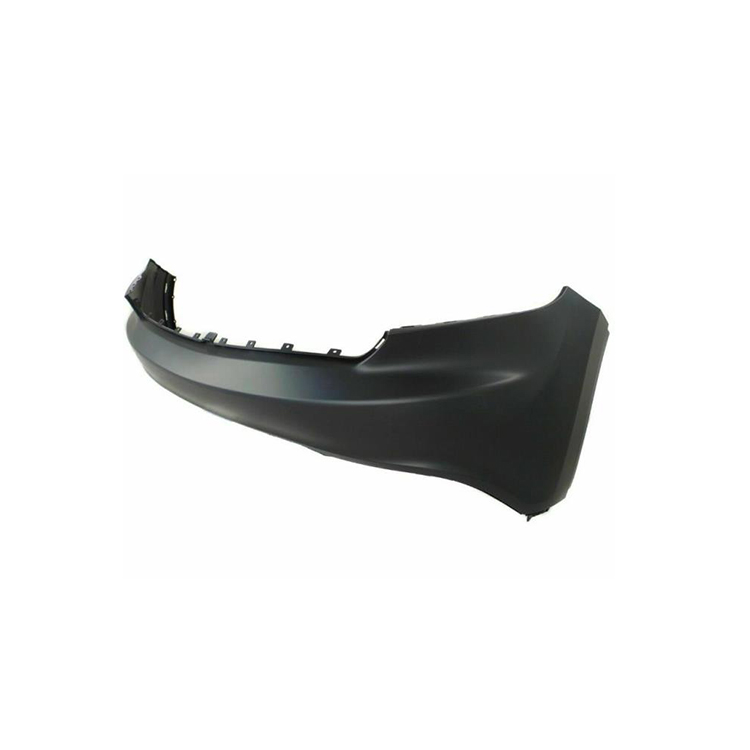
Material selection directly impacts the flexibility and structural integrity required for precise fitment. Bumper uppers molded from premium Polypropylene (PP), Acrylonitrile Butadiene Styrene (ABS), or carbon fiber feature wall thicknesses ranging from 2.5 mm to 5.0 mm. This balance provides the necessary elasticity to flex slightly during installation onto aftermarket covers, which may have minor dimensional variances, while maintaining the rigid structural support needed for OEM setups.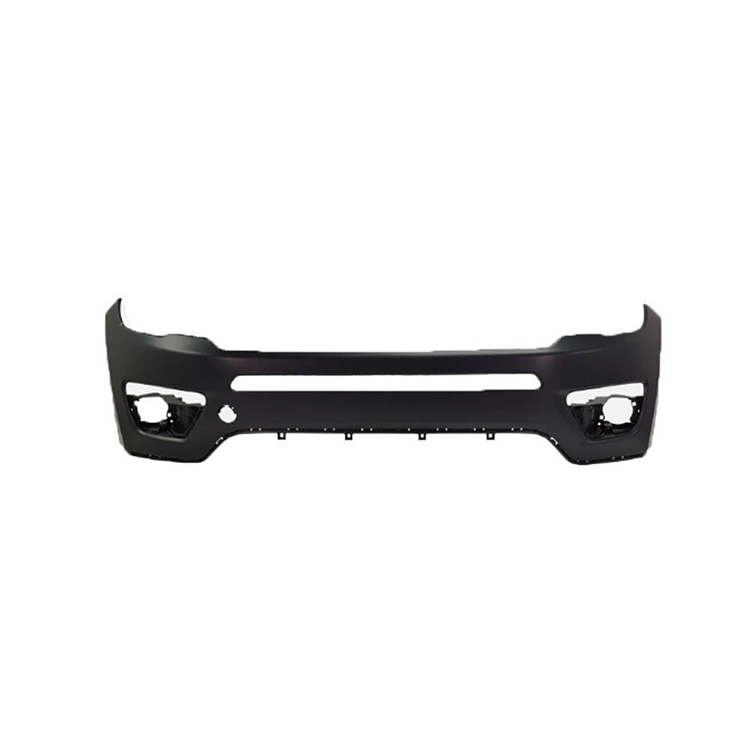
Standardized quality control protocols, including visual inspections, CMM dimensional measurements, and paint/coating testing on primed surfaces, confirm that each batch meets safety standards. This systematic verification process ensures compatibility with American and German vehicle series, making the parts reliable for collision repair shops and international auto parts distributors who manage high volumes of diverse inventory.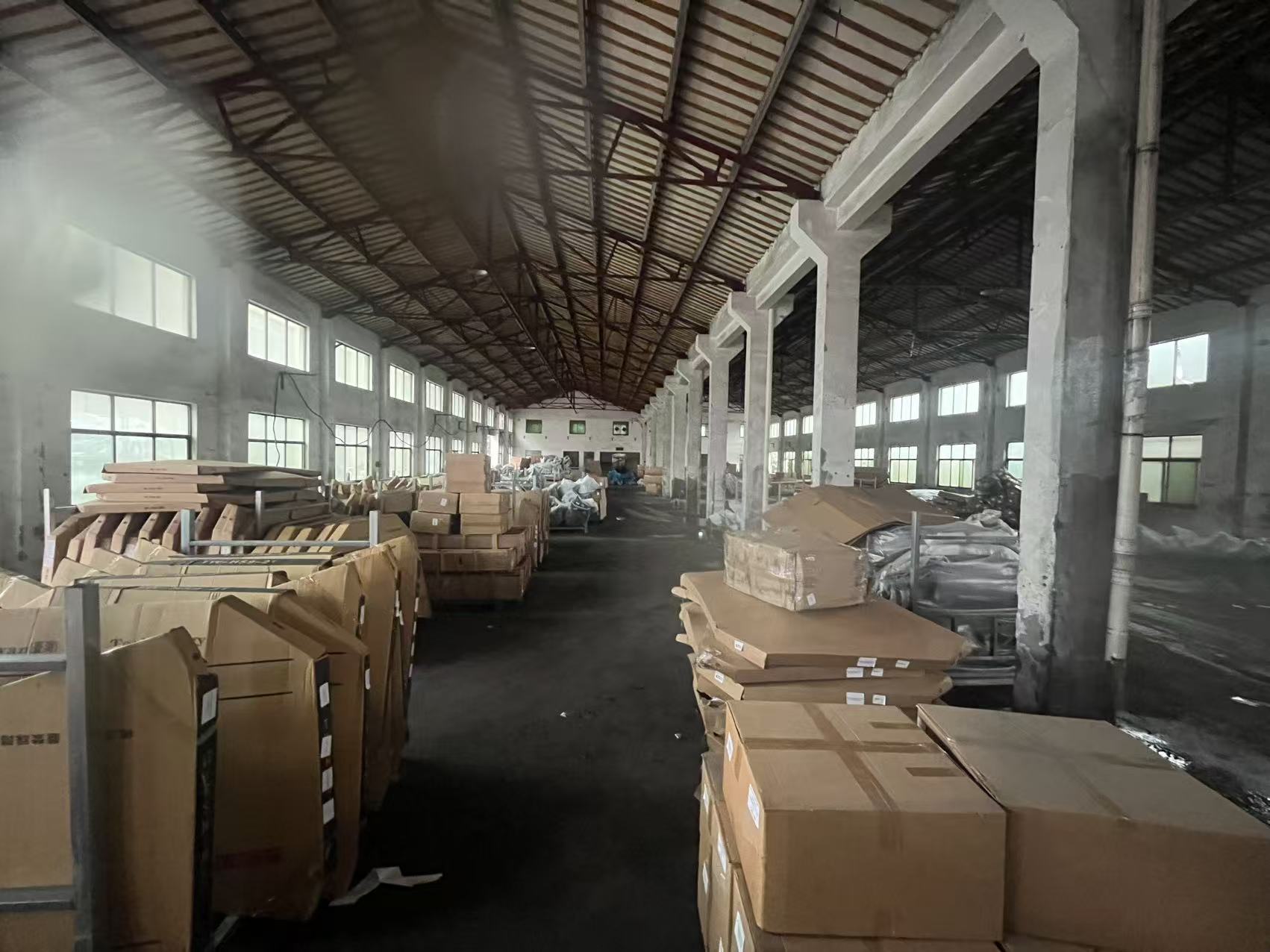
Data/Solution Comparison
| Parameter / Feature | PP (Polypropylene) Bumper Upper | ABS Bumper Upper | Carbon Fiber Bumper Upper |
|---|---|---|---|
| Material Strength | Medium-High (Flexible) | High (Rigid) | Extremely High (Rigid & Lightweight) |
| Wall Thickness | 2.5 – 5.0 mm | 2.5 – 5.0 mm | 2.0 – 3.5 mm |
| Surface Finish | Primed (Paintable) | Primed or Textured | Glossy / Clear Coat |
| Fitment Versatility | Excellent (flexes to fit aftermarket) | Good (rigid fitment for OEM) | Precise (requires strict OEM specs) |
| Installation Method | Direct Bolt-on / Clip-on | Direct Bolt-on / Clip-on | Direct Bolt-on |
| Quality Compliance | CE Standard, German EPR | CE Standard, German EPR | CE Standard |
Frequently Asked Questions (FAQ)
What causes fitment issues between aftermarket bumper uppers and OEM covers?
Fitment issues typically arise from dimensional deviations during the molding process, incorrect wall thickness, or misaligned clip-on slots. Selecting bumper uppers verified by CMM dimensional measurement and designed with 2.5 to 5.0 mm wall thickness minimizes these tolerance variations.
Why is a primed surface finish preferred for wholesale bumper uppers?
A primed surface finish ensures the bumper upper is ready for immediate painting, allowing collision repair shops to easily match the OEM paint color of the specific vehicle, ensuring a seamless visual blend.
How does the installation method affect fitment validation?
A dual installation design supporting both direct bolt-on and clip-on methods allows the bumper upper to securely lock into both rigid OEM frames and slightly varied aftermarket cover slots, providing a reliable, secure fit.
Final Conclusion & Recommendations
Verifying compatibility of a wholesale bumper upper requires selecting manufacturers that combine extensive industry experience with standardized compliance certifications, such as CE and EPR. Utilizing an integrated manufacturing and trading model provides access to large-scale inventory with a low MOQ of 5 pieces, loading standard stock items within 7 days. This supply chain reliability, coupled with 100% pre-delivery inspections and video verifications, ensures smooth customs clearance and secure global market entry across American and European regions. For detailed technical solutions or support, please reach out to us via sales01@cnkebel.com.
About Us
Danyang Wanjiang Auto Parts Co., Ltd. is a professional manufacturer and exporter of auto body parts based in Danyang, Jiangsu Province. Established in 2023 with a 10,000 square meter factory and 80 employees, the company specializes in producing car bumpers and supplying other body components like grilles, headlights, hoods, and fenders. The facility maintains an annual export volume exceeding 500 containers, serving major markets in America and Germany. All products meet CE and DOT standards, with rigorous quality checks conducted prior to shipping. The company holds CE certifications for car bumpers and lamps, alongside German EPR compliance certifications.
Lastest
-
Can you manufacture a front bumper based on our proprietary 3D CAD files?
2026-06-29 -
Can you provide the DOT and SAE certification documents for this rear bumper?
2026-06-29 -
How many production lines do you dedicate to making this bumper upper?
2026-06-29 -
Is there an online portal to track aftermarket support for the front bumper assembly?
2026-06-29 -
What is the standard production lead time for a container of engine hoods?
2026-06-29
SUBSCRIBE
INQUIRY