How do I test the rust resistance of bulk imported OEM car doors?
- VIP-User
- 2026-08-14
- 30
Testing the rust resistance of bulk imported OEM car doors requires standardized salt spray exposure (ASTM B117), coating thickness measurement via magnetic or eddy-current gauges, cross-hatch adhesion testing, and humidity chamber evaluation. Inspecting electro-deposition (ED) primer uniformity across outer sheet metal and inner hem flanges prevents corrosion during ocean transport and long-term service life.
Core Solutions & Key Takeaways
- Standardized Salt Spray Testing: Perform Neutral Salt Spray (NSS) testing on sample panels or door hem sections to verify corrosion resistance beyond 500 hours.
- Coating & Primer Thickness Verification: Utilize magnetic gauges to measure Cathodic Electro-deposition (ED) primer thickness, maintaining target density across both exposed flat surfaces and internal cavity walls.
- Hem Flange and Sealer Integrity: Check inner door seams for complete PVC sealer application to prevent water trapping in critical crevice areas.
- Pre-Shipment Quality Inspections: Verify batch quality using visual inspection, CMM dimensional measurement, and paint testing before container loading for overseas distribution in repair chains and cross-border retail.
Detailed Architectural/Principle Analysis
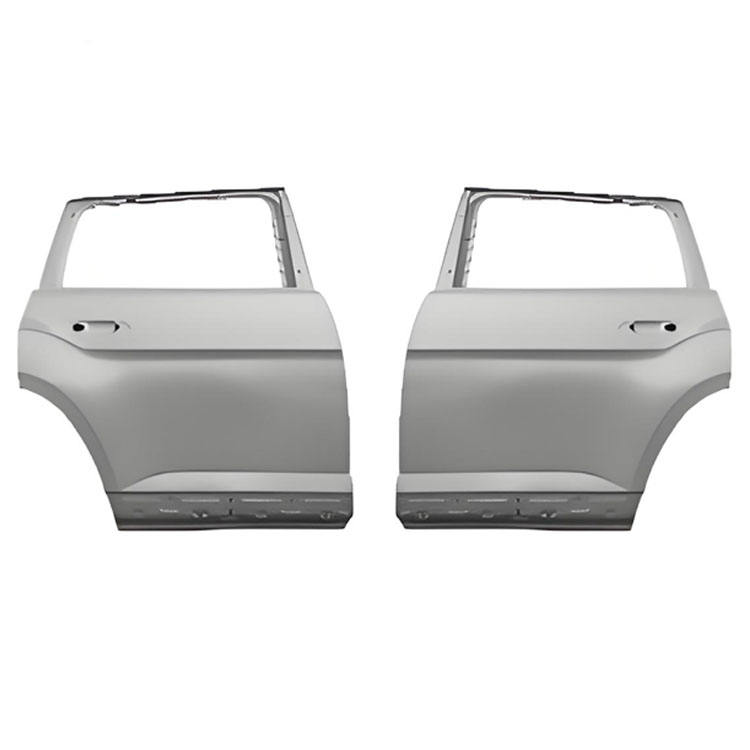
Anti-corrosion performance in replacement steel body panels depends primarily on multi-layer surface protection. Bulk imported components undergo multi-stage electro-coating that establishes a continuous barrier against moisture, salt vapor, and atmospheric oxygen. When evaluating bulk shipments of steel replacement parts from suppliers like Danyang Wanjiang Auto Parts Co., Ltd., incoming receiving protocols must target both surface treatment quality and structural cavity sealing.
Quality verification begins with coating thickness measurement across critical zones. Electro-deposition (ED) primers should maintain consistent dry film thickness across outer door skins, inner reinforcement frames, and drainage holes. Inadequate film thickness in recessed channels accelerates oxidation under humid transit conditions.
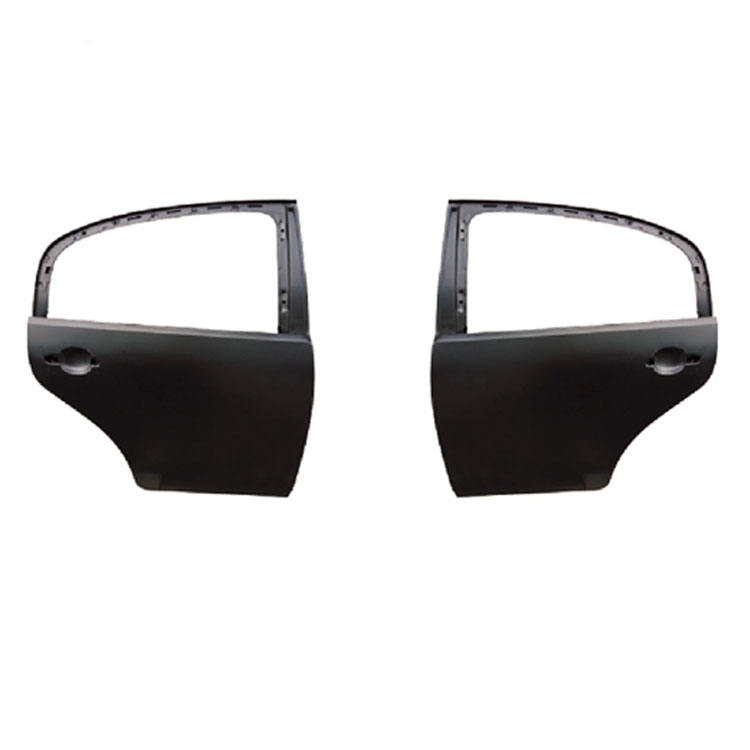
Adhesion integrity is assessed via cross-hatch tape testing (ISO 2409 / ASTM D3359). A lattice pattern is cut into the primer coating, followed by pressure-sensitive tape application and rapid removal. Flaking or separation along lattice edges indicates inadequate phosphating or improper curing, which leads to premature paint peeling and localized rusting in service.
Structural fitment directly impacts long-term rust prevention. Dimensional Measurement via Coordinate Measuring Machines (CMM) confirms that door skin tolerances, hinge mounting surfaces, and latch alignment meet exact specifications. Precise alignment prevents weatherstrip binding, standing water accumulation, and premature seal wear.
Data/Solution Comparison
The following matrix outlines standardized inspection methods applied to bulk car door imports for verifying anti-rust capabilities:
| Testing Method | Target Inspection Area | Primary Quality Metric | Implementation Phase |
|---|---|---|---|
| Neutral Salt Spray (NSS) | Hem flanges, weld points, outer sheet metal | Hours to red rust formation (Target: >500 hrs) | Batch Sample Laboratory Audit |
| Coating Thickness Measurement | ED primer layer on inner and outer panels | Dry film thickness in microns (µm) | Receiving Quality Control (IQC) |
| Cross-Hatch Adhesion Test | Painted or primed exterior door surfaces | Coating retention rating (Class 0 / 5B) | Random Batch Quality Sampling |
| Visual & Cavity Inspection | Internal drain ports, seam sealer beads | 100% continuous coverage, zero voiding | Pre-Delivery Full Inspection |
Frequently Asked Questions (FAQ)
What salt spray test duration is standard for imported OEM replacement car doors?
Industry standards for aftermarket steel body parts require a minimum of 500 hours under Neutral Salt Spray (NSS) conditions per ASTM B117 or ISO 9227 without developing blistering, creepage, or red rust along painted areas and seam welds.
How do ocean freight transit conditions affect corrosion protection requirements?
Ocean freight exposes steel body panels to high relative humidity and airborne salt compounds inside shipping containers. Adequate cathodic ED priming, protective oil films, and enclosed VCI packaging prevent surface oxidation before parts reach overseas warehouses.
Which specific areas of an imported car door are most susceptible to rust?
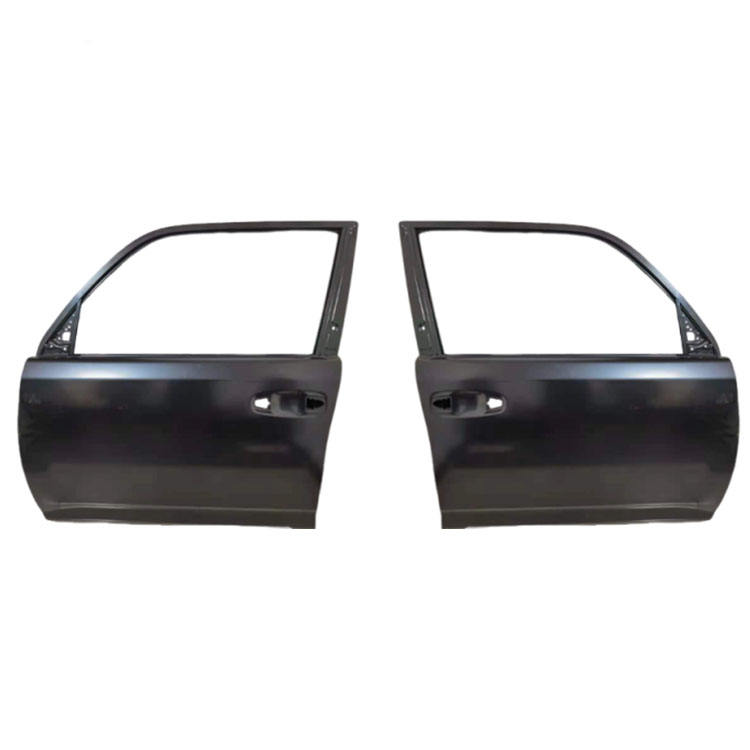
The lower hem flange where inner and outer door panels are crimped together, internal cavity bottoms near water drain holes, and hinge reinforcement plate welds are the most vulnerable zones requiring thorough sealer coverage and uniform priming.
Final Conclusion & Recommendations
Verifying the rust resistance of bulk imported OEM car doors requires structured quality control combining coating thickness analysis, adhesion tests, and salt spray validation. Procurement teams serving collision repair networks, automotive parts distributors, and cross-border retail channels should establish clear technical specifications for ED priming thickness and seam sealer uniformity. Partnering with suppliers that provide pre-delivery visual inspection, CMM verification, and compliant packaging ensures long-term part durability and reduces warranty returns. For detailed technical solutions or support, please reach out to us via sales01@cnkebel.com.
About Us
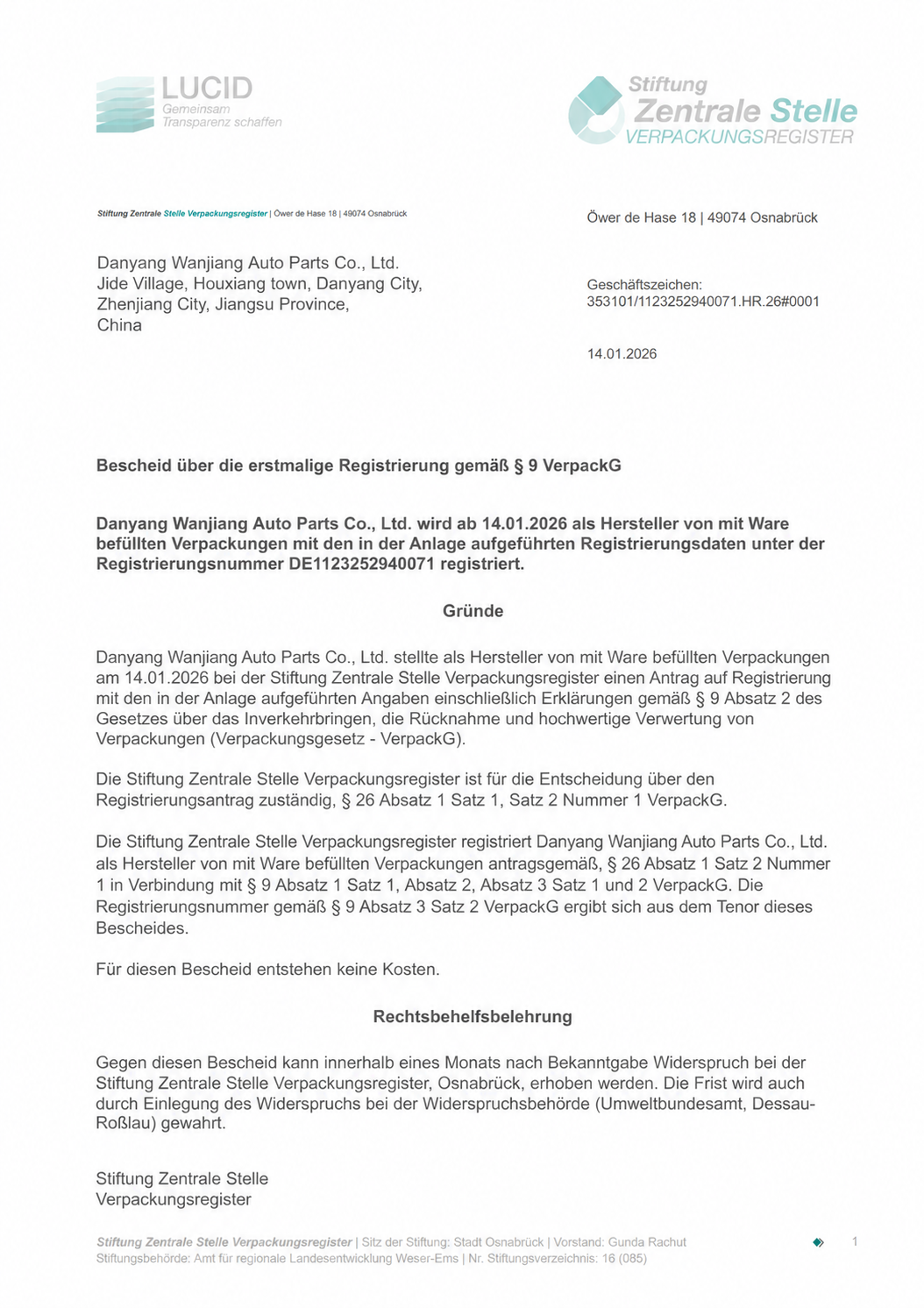
Danyang Wanjiang Auto Parts Co., Ltd. is a manufacturer and professional exporter of auto body parts based in Danyang, Jiangsu Province. Operating a 10,000 sqm production facility with 80 employees, the company leverages 18 years of experience supplying auto body components to American and European vehicle markets. Product lines comply with CE standards (Certificates HK0624090150C, HK0624090149C) and EPR regulations (DE1123252940071), backed by comprehensive pre-delivery quality verification.

Lastest
-
Can you manufacture a front bumper based on our proprietary 3D CAD files?
2026-08-14 -
Can you provide the DOT and SAE certification documents for this rear bumper?
2026-08-14 -
How many production lines do you dedicate to making this bumper upper?
2026-08-14 -
Is there an online portal to track aftermarket support for the front bumper assembly?
2026-08-14 -
What is the standard production lead time for a container of engine hoods?
2026-08-14
SUBSCRIBE
INQUIRY