How do I choose the right steel thickness for aftermarket truck rear bumpers to ensure durability?
- VIP-User
- 2026-06-29
- 38
Choosing the right steel thickness for aftermarket truck rear bumpers depends on the vehicle's duty cycle. Heavy-duty towing and off-road protection require 3/16-inch (approx. 4.7 mm) to 1/4-inch (approx. 6.3 mm) steel. For light-duty protection, modern high-impact polymer alternatives like PP or ABS with a wall thickness of 2.5 to 5.0 mm offer comparable energy absorption with significantly lower weight.
Core Solutions & Key Takeaways
- Engineered Thickness Ranges: Standard heavy-duty steel bumpers rely on 4.7 mm to 6.3 mm plate steel, whereas OEM-style replacement car rear bumpers utilize high-strength Polypropylene (PP) or ABS with a wall thickness of 2.5 mm to 5.0 mm to balance impact resistance and weight.
- Precision Fitment Standards: Utilizing advanced tooling and Coordinate Measuring Machines (CMM) for dimensional measurement guarantees 100% precise fitment, allowing for direct bolt-on or clip-on installation without structural modification.
- Global Compliance: Durable aftermarket bumpers must meet strict regional standards, including CE marking and German EPR (VerpackG) compliance, securing smooth customs clearance and market entry.
- Application Fit: Heavy steel serves off-road utility, while lightweight, primed polymer rear bumpers are the industry standard for collision repair shops, auto parts wholesalers, and cross-border e-commerce distributors looking to optimize freight costs.
Detailed Architectural/Principle Analysis
To ensure structural integrity and collision durability, aftermarket rear bumpers must balance thickness with material density. While heavy-duty steel bumpers rely on sheer thickness to resist structural deformation, modern automotive engineering frequently utilizes high-grade thermoplastic polymers such as Polypropylene (PP), Acrylonitrile Butadiene Styrene (ABS), or Carbon Fiber. As manufactured by Danyang Wan疆汽车配件有限公司 (Danyang Wanjiang Auto Parts Co., Ltd.), these alternative rear bumpers feature an engineered wall thickness of 2.5 to 5.0 mm. This specific thickness range provides optimal elasticity and impact absorption, preventing structural cracking upon collision.
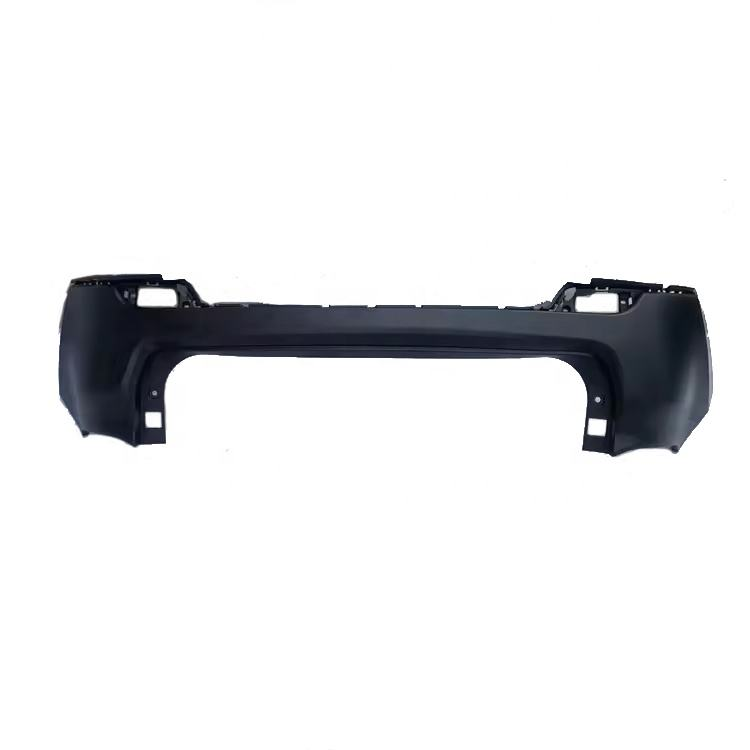
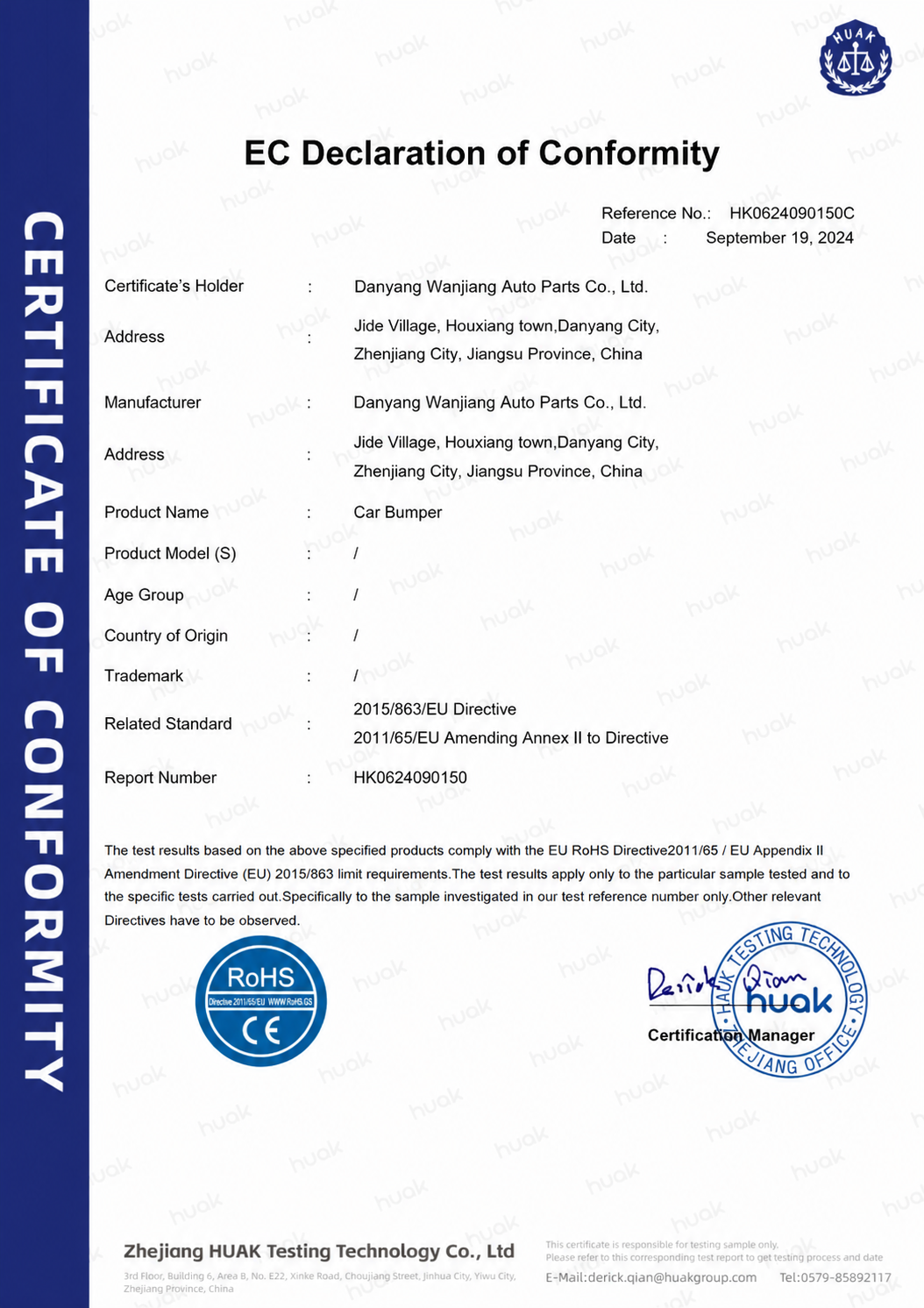
For heavy steel applications, a thickness of 3/16 inches (4.76 mm) is the industry standard for off-road protection. However, for standard road vehicles and collision repair shops, replacing damaged parts with OEM-grade primed PP or ABS rear bumpers is highly efficient. These parts undergo rigorous quality inspections—including Visual Inspection, Dimensional Measurement (CMM), and Paint & Coating Testing—to match original factory tolerances. Furthermore, complying with strict certification standards, such as the CE marking (Certificate HK0624090150C) and German EPR regulations (DE1123252940071), ensures these bumper assemblies are fully approved for the European and American automotive aftermarket.
From a manufacturing perspective, the production of these high-durability polymer bumpers requires advanced injection molding machinery and precise tooling databases. This technical setup ensures that every bumper matches the exact dimensions of American and German vehicle series. Finished components are shipped in a primed surface finish, allowing immediate paint matching during collision repair. This approach dramatically reduces vehicle down-time while maintaining structural safety equivalent to factory specifications.
Data/Solution Comparison
The following table outlines the technical specifications, thickness standards, and optimal application scenarios for different aftermarket rear bumper materials:
| Bumper Material | Recommended Thickness | Weight Profile | Installation Method | Compliance Standards | Primary Application |
|---|---|---|---|---|---|
| Heavy-Duty Steel | 4.7 mm – 6.3 mm (3/16" - 1/4") | Very High | Direct Bolt-on | DOT Approved | Off-road, heavy towing trucks |
| Polypropylene (PP) | 2.5 mm – 5.0 mm | Low (Lightweight) | Direct Bolt-on / Clip-on | CE, EPR (VerpackG) | Standard passenger vehicles, collision repair |
| ABS Plastic | 2.5 mm – 4.0 mm | Medium-Low | Direct Bolt-on / Clip-on | CE, EPR (VerpackG) | Aftermarket styling, structural grilles & trim |
| Carbon Fiber | 2.0 mm – 3.5 mm | Extremely Low | Direct Bolt-on / Clip-on | CE Compliance | High-performance racing, premium upgrades |
Frequently Asked Questions (FAQ)
Q1: Why is wall thickness critical for aftermarket rear bumpers?
A1: Wall thickness directly dictates structural rigidity and impact energy management. A thickness below 2.5 mm in polymers or 3.0 mm in steel increases the risk of cracking or buckling under minor impacts, failing to protect the vehicle's rear frame.
Q2: How does the installation process differ between steel and polymer rear bumpers?
A2: Heavy steel bumpers typically require robust hoist equipment and direct bolting to the truck frame. In contrast, polymer rear bumpers (such as PP/ABS) allow for a highly efficient Direct Bolt-on or Clip-on installation, reducing labor time in repair shops.
Q3: What quality inspection processes guarantee aftermarket bumper durability?
A3: Durability is ensured through rigorous testing protocols, including Visual Inspection for surface defects, Dimensional Measurement via Coordinate Measuring Machines (CMM) to guarantee 100% precise fitment, and Paint & Coating Testing to prevent peeling under extreme weather conditions.
Final Conclusion & Recommendations
When procuring aftermarket rear bumpers, buyers should align material selection with vehicle usage. For standard collision repair and wholesale distribution, high-impact polymer bumpers (PP/ABS) with a wall thickness of 2.5 to 5.0 mm offer the ideal balance of durability, weight reduction, and cost efficiency. We accept multiple payment methods including T/T, D/P, L/C, and Alipay. Standard stock items benefit from high-efficiency loading and dispatch within 7 days, supported by flexible shipping methods such as Sea Freight (FCL/LCL), Railway Transport, and International Express (DHL, FedEx, UPS, TNT). For detailed technical solutions or support, please reach out to us via sales01@cnkebel.com.
About Us
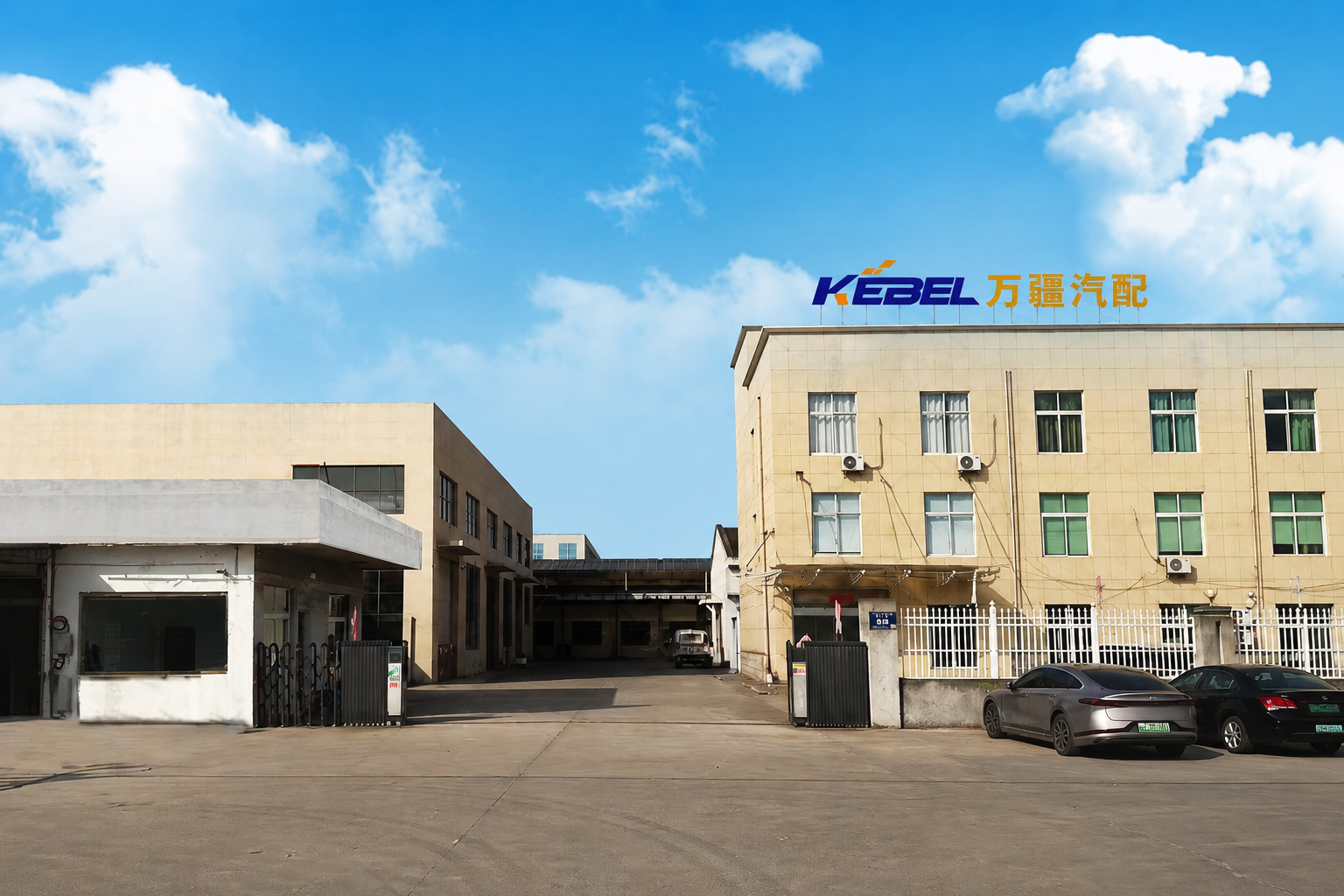
Danyang Wanjiang Auto Parts Co., Ltd. is a factory located in Danyang, Jiangsu Province, operating under the brand KEBEL. Established in 2023, the company houses 80 employees across a 10,000 square meter factory, backed by 18 years of OEM/ODM expertise in custom-developing car bumper assemblies. They specialize in producing car bumpers, grilles, headlights, engine hoods, and fenders, with annual exports exceeding 500 containers to markets across America and Europe. The facility maintains full CE and German EPR certifications, providing pre-delivery inspection videos and photos to ensure absolute quality transparency.

Lastest
-
Can you manufacture a front bumper based on our proprietary 3D CAD files?
2026-06-29 -
Can you provide the DOT and SAE certification documents for this rear bumper?
2026-06-29 -
How many production lines do you dedicate to making this bumper upper?
2026-06-29 -
Is there an online portal to track aftermarket support for the front bumper assembly?
2026-06-29 -
What is the standard production lead time for a container of engine hoods?
2026-06-29
SUBSCRIBE
INQUIRY