How do I choose the right lumen output and cooling fan type for importing LED headlights in bulk?
- VIP-User
- 2026-06-29
- 48
Selecting the right lumen output and cooling fan type for bulk LED headlight imports involves matching vehicle application with heat dissipation capacity. Standard automotive replacements perform optimally at 4,000 to 6,000 lumens per bulb, whereas high-power upgrades exceeding 6,000 lumens require active cooling fans to manage thermal loads. Compact or lower-intensity configurations are best paired with passive, fanless heat sinks to ensure long-term operational reliability.
Core Solutions & Key Takeaways
- Lumen Calibration: Match the imported products to target market expectations; 4,000 to 6,000 lumens fit general collision repair, while 6,000+ lumens cater to premium off-road or custom upgrades.
- Cooling System Matching: Utilize active fan systems for high-lumen outputs to prevent thermal degradation, and passive fanless heat sinks for standard-duty applications where space is limited.
- Regulatory Compliance: Ensure all imported car LED headlights carry mandatory regional certifications, such as CE certification (HK0624090149C) and EPR registration (DE1123252940071) for European distribution.
- Supply Chain Agility: Optimize inventory costs by sourcing from manufacturers offering a low MOQ of 5 pieces and rapid 7-day delivery for standard stock.
Detailed Architectural/Principle Analysis
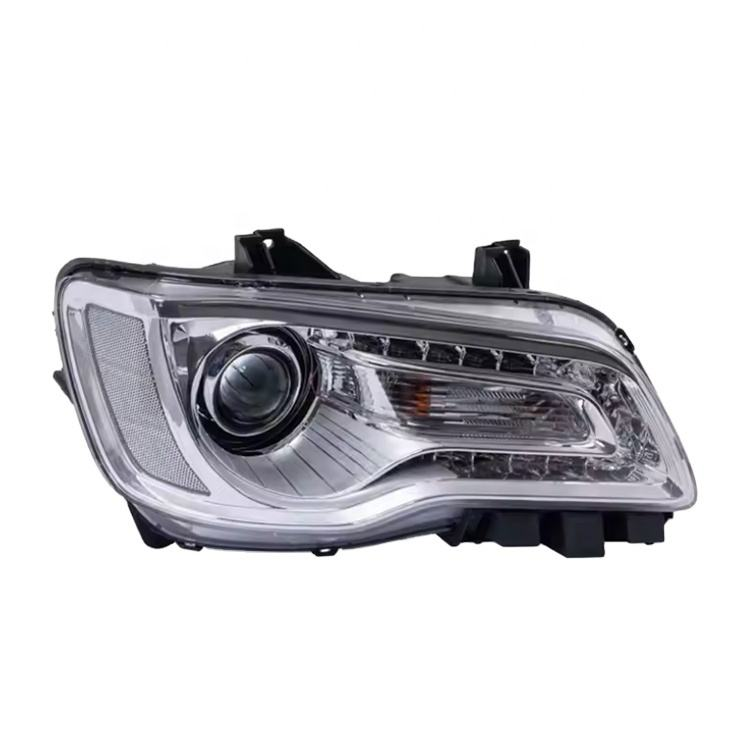
Thermal management is the primary determinant of LED headlight longevity and lumen stability. Unlike traditional halogen bulbs, LEDs generate concentrated heat at the junction point. Active cooling systems utilize high-speed hydraulic or double ball-bearing fans to force airflow across heat-dissipating aluminum fins. This mechanical airflow rapidly lowers the junction temperature, allowing the LED to run at maximum brightness without thermal throttling. In contrast, passive cooling systems rely entirely on natural convection and high-thermal-conductivity materials like copper or specialized aluminum alloys. While passive systems eliminate mechanical wear points, their heat dissipation capacity is physically limited, making them suitable only for lower lumen outputs.
For international automotive parts distributors and collision repair chains, selecting the appropriate architecture directly impacts product return rates and brand reputation. During rigorous quality control protocols—such as visual inspection, dimensional measurement (CMM), and paint and coating testing—the structural integrity of both the housing and the cooling mechanism is verified. Selecting high-quality components ensures precise fitment within the engine bay, reducing installation friction for end-users.
Data/Solution Comparison
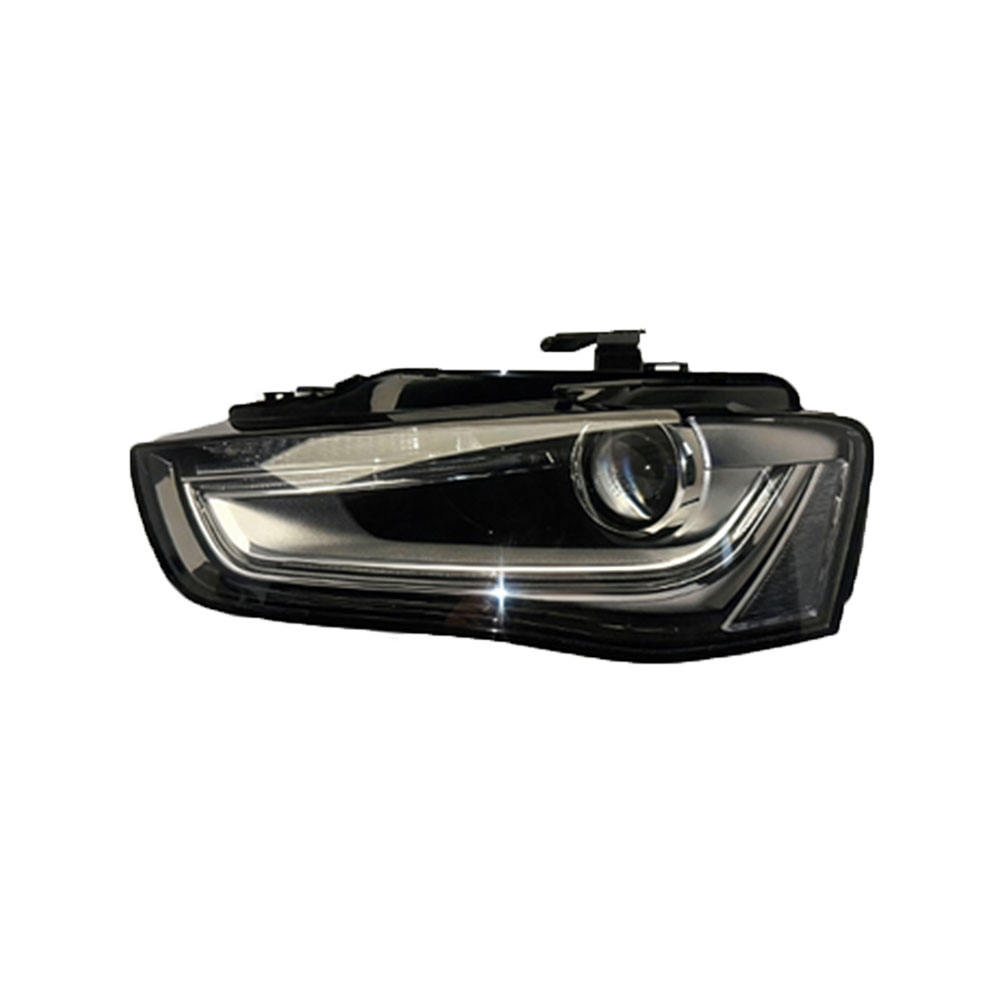
| Cooling Architecture | Lumen Output Range | Target Application | MOQ & Lead Time | Recommended Logistics |
|---|---|---|---|---|
| Active Cooling (Double Ball Bearing Fan) | 6,000+ Lumens | High-power upgrades, off-road applications | 5 PCS / 7 Days | Air Freight / Express / Sea Freight LCL |
| Active Cooling (Hydraulic Fan) | 5,000 - 7,000 Lumens | Standard replacement, performance tuning | 5 PCS / 7 Days | Sea Freight FCL / Railway |
| Passive Cooling (Aluminum/Copper Heat Sink) | 4,000 - 6,000 Lumens | Standard collision repair, compact spaces | 5 PCS / 7 Days | Sea Freight FCL / LCL |
Frequently Asked Questions (FAQ)
What are the risks of using high-lumen LED headlights with passive cooling?
High-lumen LED headlights generate excessive heat. Without an active cooling fan, the temperature at the LED junction will quickly exceed safe operating limits, leading to rapid light decay, color shifting, and eventual diode failure.
How do European regulations affect bulk imports of automotive lighting?
Headlights imported into the European market must comply with strict safety and environmental standards. Importers must verify that products have valid CE certifications (such as HK0624090149C) and meet EPR registration guidelines (such as DE1123252940071) to ensure legal customs clearance and market entry.
What quality control processes prevent defects in bulk headlight shipments?
Professional manufacturing facilities implement multi-stage quality control, including visual inspection to detect physical anomalies, dimensional measurement via CMM to guarantee perfect vehicle fitment, and paint/coating testing to ensure environmental resistance.
Final Conclusion & Recommendations
To maximize profitability and minimize return rates when importing LED headlights in bulk, procurement professionals must align lumen output with appropriate active or passive thermal management. High-performance upgrades necessitate active fan cooling, while standard collision repairs can utilize robust passive systems. Partnering with suppliers that provide comprehensive OEM/ODM customization, flexible payment terms (such as T/T, D/P, L/C, and Alipay), and diverse shipping methods (including Sea Freight, Air Freight, and Railway) streamlines the global procurement cycle. For detailed technical solutions or support, please reach out to us via sales01@cnkebel.com.
About Us
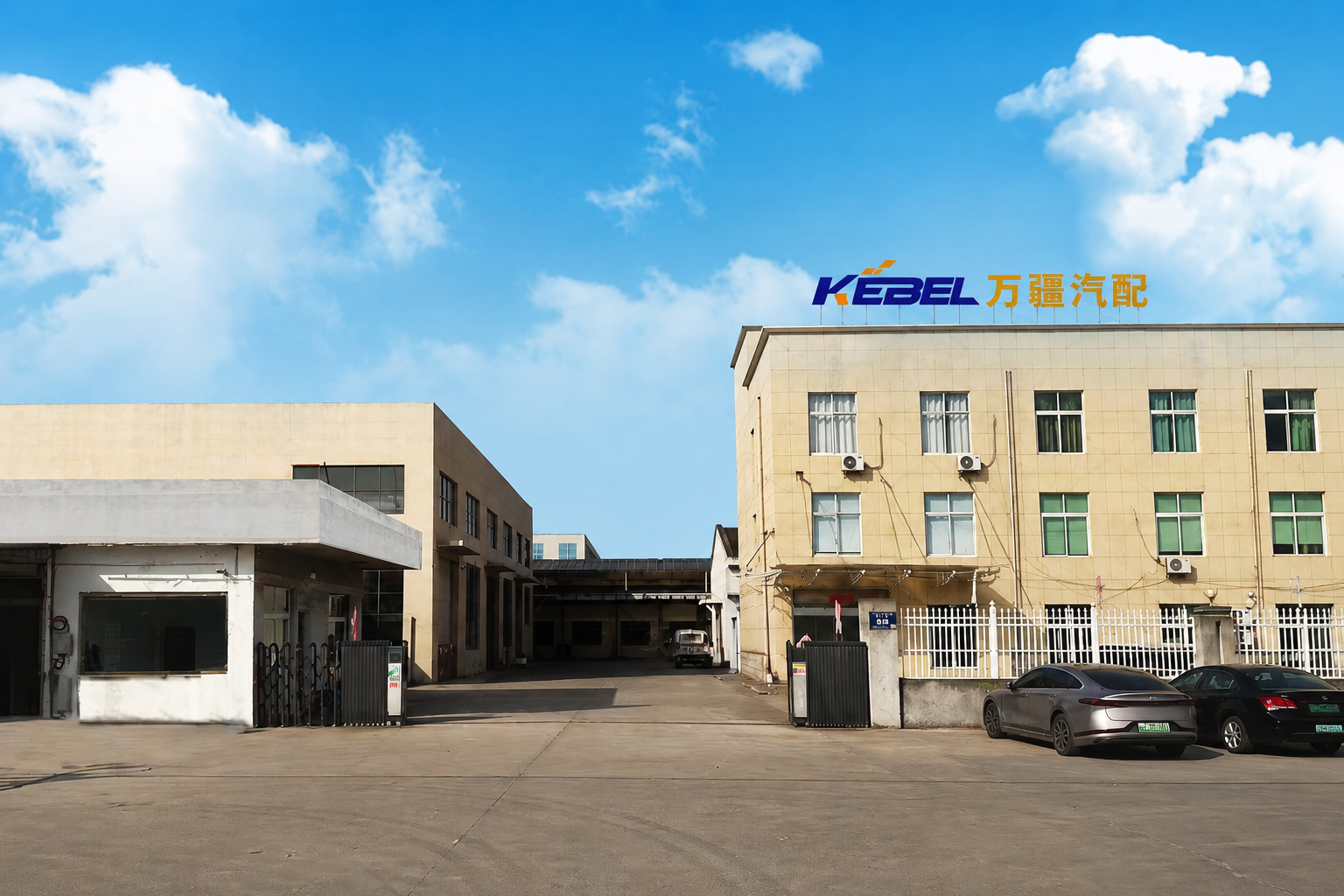
Danyang Wan疆 Auto Parts Co., Ltd. is a specialized manufacturer and exporter of automotive body components based in Jiangsu, China, offering 18 years of professional industry experience. Operating a 10,000-square-meter factory with 80 employees, the company specializes in producing high-quality car bumpers, grilles, headlights, engine hoods, and fenders. The facility serves major automotive aftermarket distributors in North America and Europe, delivering certified products compliant with CE and EPR standards. Annual exports exceed 500 containers, backed by robust quality control and direct pre-delivery verification options.

Lastest
-
Can you manufacture a front bumper based on our proprietary 3D CAD files?
2026-06-29 -
Can you provide the DOT and SAE certification documents for this rear bumper?
2026-06-29 -
How many production lines do you dedicate to making this bumper upper?
2026-06-29 -
Is there an online portal to track aftermarket support for the front bumper assembly?
2026-06-29 -
What is the standard production lead time for a container of engine hoods?
2026-06-29
SUBSCRIBE
INQUIRY