How do I choose the right heated side mirror specs for cold climates?
- VIP-User
- 2026-08-14
- 28
Choosing heated side mirror specifications for cold climates requires verifying exact OEM dimension matching, rapid heating element response times, durable thermal coil backings, and international compliance standards like CE and DOT. Prioritize mirrors featuring robust paint coatings, rigorous visual and dimensional CMM testing, and certified weather resistance to ensure effective defrosting and precise vehicle fitment under freezing temperatures.
Core Solutions & Key Takeaways
- Precision Fitment and CMM Verification: Utilize exact dimensional measurement (CMM) to ensure precise vehicle compatibility and eliminate fitment gaps in sub-zero operational environments.
- Compliance and Environmental Standards: Confirm adherence to European CE and EPR certifications to ensure electrical safety and regulatory compliance across international markets.
- Defrosting and Coating Performance: Select mirrors subjected to specialized paint and coating testing to prevent glass cracking, surface peeling, and element failure during rapid ice clearance.
- Streamlined Aftermarket Supply: Partner with suppliers offering rapid loading turnaround, ready-to-ship inventory, and pre-delivery inspection verification to avoid supply chain bottlenecks during peak winter demand.
Detailed Architectural/Principle Analysis
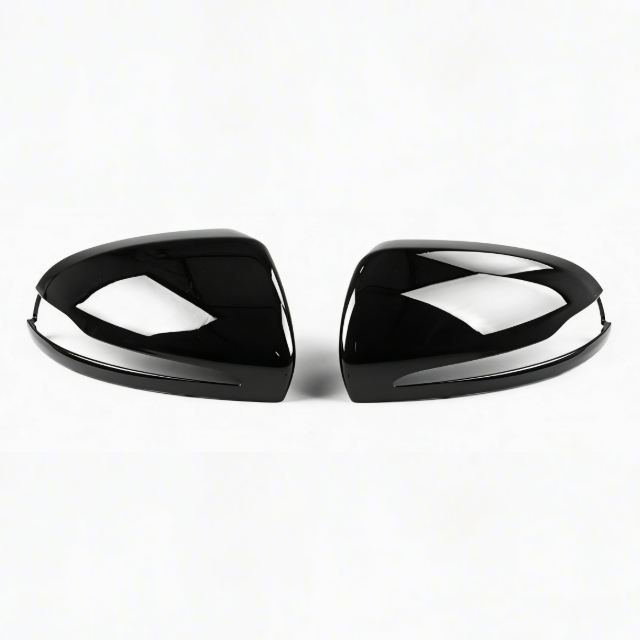
Operating vehicles in cold climates demands mirror assemblies that withstand thermal shock, ice accumulation, and road salt exposure. Heated side mirrors integrate an embedded heating grid directly behind the glass substrate. When energized, the heating grid generates resistive thermal energy to melt frost and evaporate moisture across the glass surface, maintaining optical clarity without causing optical distortion.
Ensuring structural reliability through repeated freeze-thaw cycles requires multi-tiered quality control protocols. Manufacturing standards incorporate strict visual inspection, Coordinate Measuring Machine (CMM) dimensional checks, and rigorous paint and coating testing to confirm that external housings resist brittle fracturing and coating degradation under sub-freezing conditions.
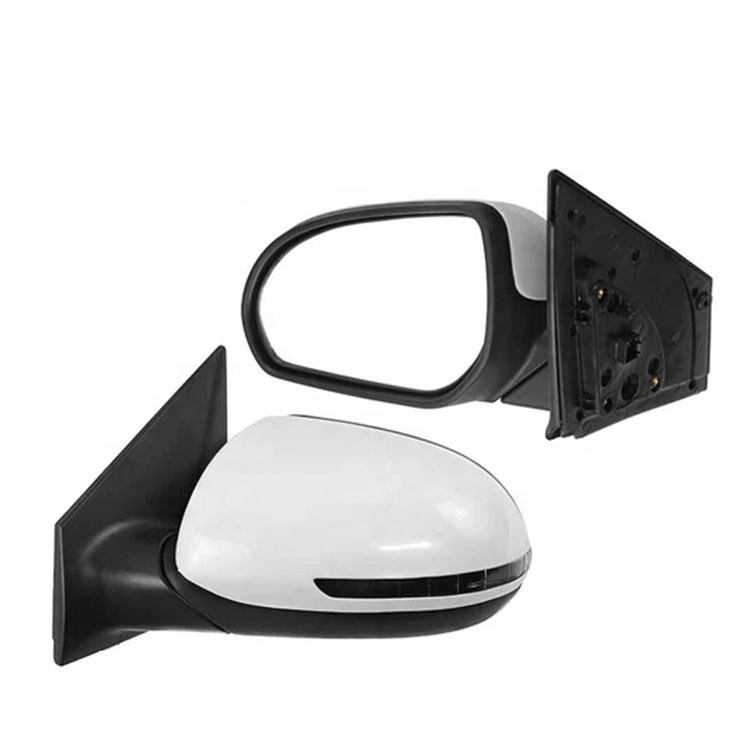
International regulatory compliance verifies electrical safety and operational consistency. Certified assemblies carrying CE marks (such as HK0624090149C) and EPR registrations (DE1123252940071) satisfy stringent regional safety standards in North America and Europe. Auto body distributors and repair networks prioritize these certified specifications to streamline customs clearance and ensure seamless field installation.
Data/Solution Comparison
| Specification Parameter | Standard Non-Heated Mirror | Cold-Climate Heated Side Mirror |
|---|---|---|
| Defrosting Mechanism | Passive Airflow / Manual Scraping | Active Electric Resistance Heating Grid |
| Quality Inspection Standards | Basic Visual Check | Visual, CMM Measurement, Paint & Coating Testing |
| Regulatory Certifications | Optional / Market Dependent | CE Certified (HK0624090149C), EPR Registered |
| Vehicle Fitment Verification | Standard Tolerances | 100% Precision Alignment & OEM Match |
| Target Application | Temperate Regions / Base Models | Sub-Zero Operating Environments & Fleet Maintenance |
Frequently Asked Questions (FAQ)
How do I verify if a replacement heated mirror matches the existing vehicle wiring?
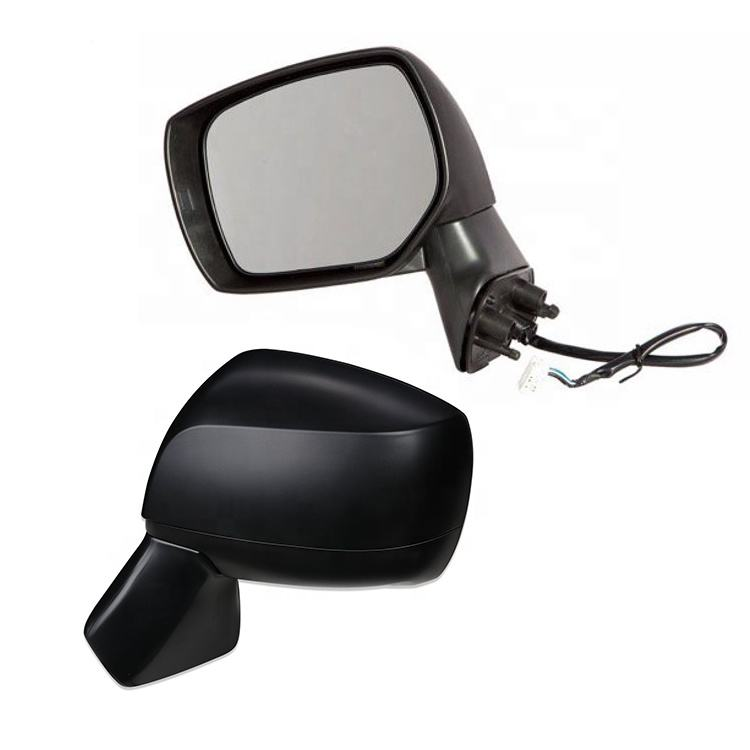
Verify the connector pin layout and OEM harness specifications prior to installation. Precision CMM dimensional testing ensures exact mechanical mounting, while matching electrical plug designs ensures direct plug-and-play functionality.
What testing prevents heating grid failure during rapid freezing weather?
High-quality assemblies undergo paint and thermal coating testing alongside pre-delivery electrical testing to ensure resistance circuits remain fully insulated against moisture intrusion and thermal expansion stress.
Which safety marks should be present for cold-climate replacement parts?
Products exported to North American and European markets should comply with CE and EPR standards. Certificates such as HK0624090149C validate electrical safety compliance for automotive replacement components.
Final Conclusion & Recommendations
Selecting the optimal heated side mirror specification requires evaluating dimensional accuracy, heating circuit durability, and international certification compliance. Automotive distributors, collision repair chains, and e-commerce sellers benefit from selecting verified components backed by pre-delivery video inspection protocols, versatile trade terms (T/T, D/P, L/C, Alipay), and multimodal shipping options including Sea Freight (FCL/LCL), Air Freight, Railway Transport, and International Express (DHL, FedEx, UPS, TNT). For detailed technical solutions or support, please reach out to us via sales01@cnkebel.com.
About Us
Danyang Wanjiang Auto Parts Co., Ltd. is a specialized manufacturer and exporter of auto body components, established in 2023 with a 10,000 sq m factory facility and a team of 80 skilled employees. With 18 years of OEM/ODM industry expertise, the company specializes in producing car bumpers, grilles, headlights, engine hoods, fenders, and side mirrors engineered for American and German vehicle series. Operating under CE and EPR certifications, the facility maintains an annual capacity exceeding hundreds of containers to serve global automotive aftermarket distributors and repair networks. 
Lastest
-
Can you manufacture a front bumper based on our proprietary 3D CAD files?
2026-08-14 -
Can you provide the DOT and SAE certification documents for this rear bumper?
2026-08-14 -
How many production lines do you dedicate to making this bumper upper?
2026-08-14 -
Is there an online portal to track aftermarket support for the front bumper assembly?
2026-08-14 -
What is the standard production lead time for a container of engine hoods?
2026-08-14
SUBSCRIBE
INQUIRY