How do I choose the right ABS plastic grade for durable aftermarket car front grilles?
- VIP-User
- 2026-06-29
- 31
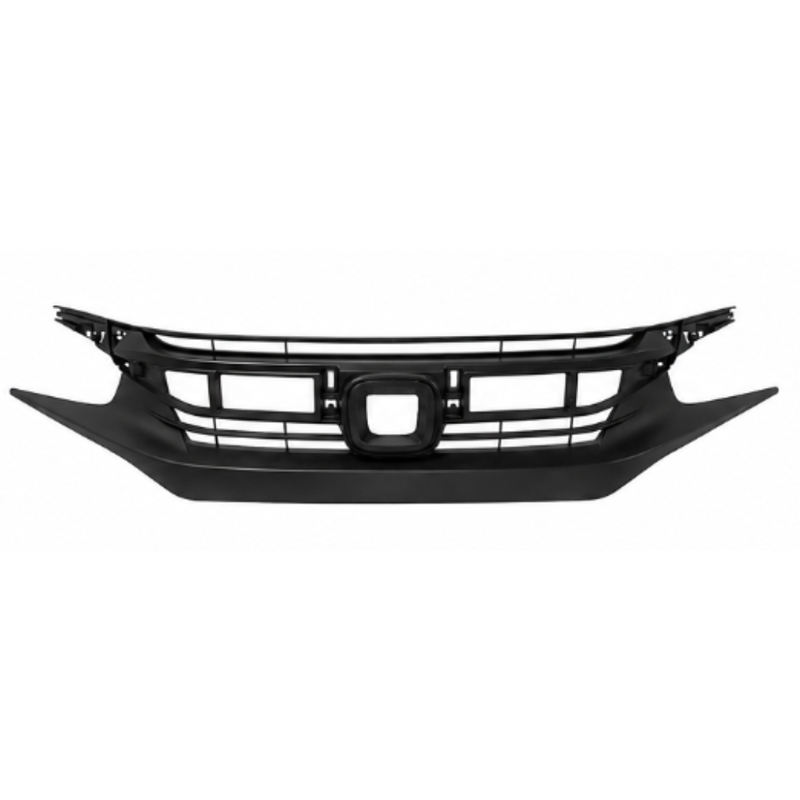
Choosing the right ABS plastic grade for durable aftermarket car front grilles requires matching impact resistance, UV stability, and paint adhesion to environmental exposure. High-heat and medium-to-high impact ABS copolymer grades are ideal, as they resist thermal warping under the sun and mechanical stress during collisions. Ensuring compliance with European and American automotive standards guarantees long-term structural durability.
Core Solutions & Key Takeaways
- Impact Strength and Toughness: Front grilles require high-impact ABS grades to withstand physical impacts from road debris, gravel, and minor collisions without cracking.
- Thermal and UV Resistance: High-heat ABS grades prevent deformation and warping when exposed to engine heat and intense sunlight, ensuring the grille retains its structural shape over years of operation.
- Rigid Quality Verification: Reliable components rely on rigorous testing processes, including visual inspection, dimensional measurement via Coordinate Measuring Machines (CMM), and specialized paint & coating testing.
- Targeted Aftermarket Application: Tailored material selection directly addresses the needs of collision repair shops, parts distributors, and e-commerce platforms seeking high-fitment parts that match original manufacturer standards.
Detailed Architectural/Principle Analysis
Acrylonitrile Butadiene Styrene (ABS) is a terpolymer widely utilized in the automotive aftermarket. Its performance is determined by the ratio of its three core monomers. Acrylonitrile provides chemical and thermal resistance; butadiene delivers impact toughness; and styrene lends rigidity and a high-quality surface finish. For an aftermarket car front grille, choosing a high-heat, high-impact grade is essential because front-end components face continuous thermal cycles from the engine compartment and external weather conditions.
Manufacturing precision is a critical factor in ensuring these materials perform correctly once installed. Precise tooling and a comprehensive database are used to guarantee a 100% accurate fitment for American and German vehicle series. Quality control protocols verify these characteristics at multiple stages. During production, raw material testing confirms impact resistance, while three-dimensional CMM scanning ensures dimensional accuracy down to the millimeter. Finally, paint and coating testing guarantees that the surface finish resists peeling and environmental degradation.
For international supply chains, structural durability must be backed by official compliance. Utilizing certified ABS compounds allows products to meet CE standards (such as certificate HK0624090150C for bumpers and body parts) and EPR registration (DE1123252940071), ensuring seamless customs clearance and regulatory compliance across North American and European markets. These rigorous quality frameworks have proven successful in long-term B2B partnerships, where repair shops and distributors require consistent fitment and zero-defect rates upon delivery.
Data/Solution Comparison
Selecting the correct material depends on the specific aesthetic and structural goals of the replacement grille. The table below outlines the primary ABS grades utilized in manufacturing aftermarket car front grilles:
| ABS Plastic Grade | Key Material Properties | Primary Quality Testing Methods | Recommended Application Scenario |
|---|---|---|---|
| High-Heat ABS | High heat deflection, low thermal expansion, moderate impact resistance. | Dimensional Measurement (CMM), Paint & Coating Testing. | Standard front grilles positioned close to the radiator and engine bay. |
| High-Impact ABS | Excellent energy absorption, high ductile-to-brittle transition point. | Impact testing, Visual Inspection, structural verification. | Lower bumper grilles and integrated front-end assemblies exposed to debris. |
| Electroplating Grade ABS | High surface gloss, optimized chemical adhesion for metallic plating. | Visual Inspection, Adhesion & Environmental Cycling Testing. | Premium chrome-finished grilles and decorative brand trims. |
Frequently Asked Questions (FAQ)
Q1: What are the primary quality checks for aftermarket car front grilles?
A1: High-quality grilles undergo visual inspection for surface defects, dimensional measurement via Coordinate Measuring Machines (CMM) to verify a 100% precise fitment, and paint & coating testing to ensure finish durability against environmental exposure.
Q2: Why is general-purpose ABS often unsuitable for front grilles?
A2: General-purpose ABS lacks the necessary heat deflection temperature (HDT) and UV stability. Under engine heat and sunlight, it is prone to warping, fading, and becoming brittle, which compromises fitment and lifespan.
Q3: How do wholesale supply chains manage delivery and transport risks for these components?
A3: Bulk shipments utilize reinforced, export-grade protective packaging. Standard stock orders are loaded into containers within 1 week, and visual verification—including pre-delivery inspection photos and videos—is provided to confirm quality before shipment.
Final Conclusion & Recommendations
To secure durable aftermarket car front grilles, buyers must specify high-heat or high-impact ABS grades and verify that the manufacturer implements a comprehensive quality inspection regime, including CMM and paint adhesion tests. Sourcing through an integrated manufacturing and trading system ensures access to flexible MOQ options, customized OEM/ODM tooling, and reliable shipping agents. For detailed technical solutions or support, please reach out to us via sales01@cnkebel.com.
About Us
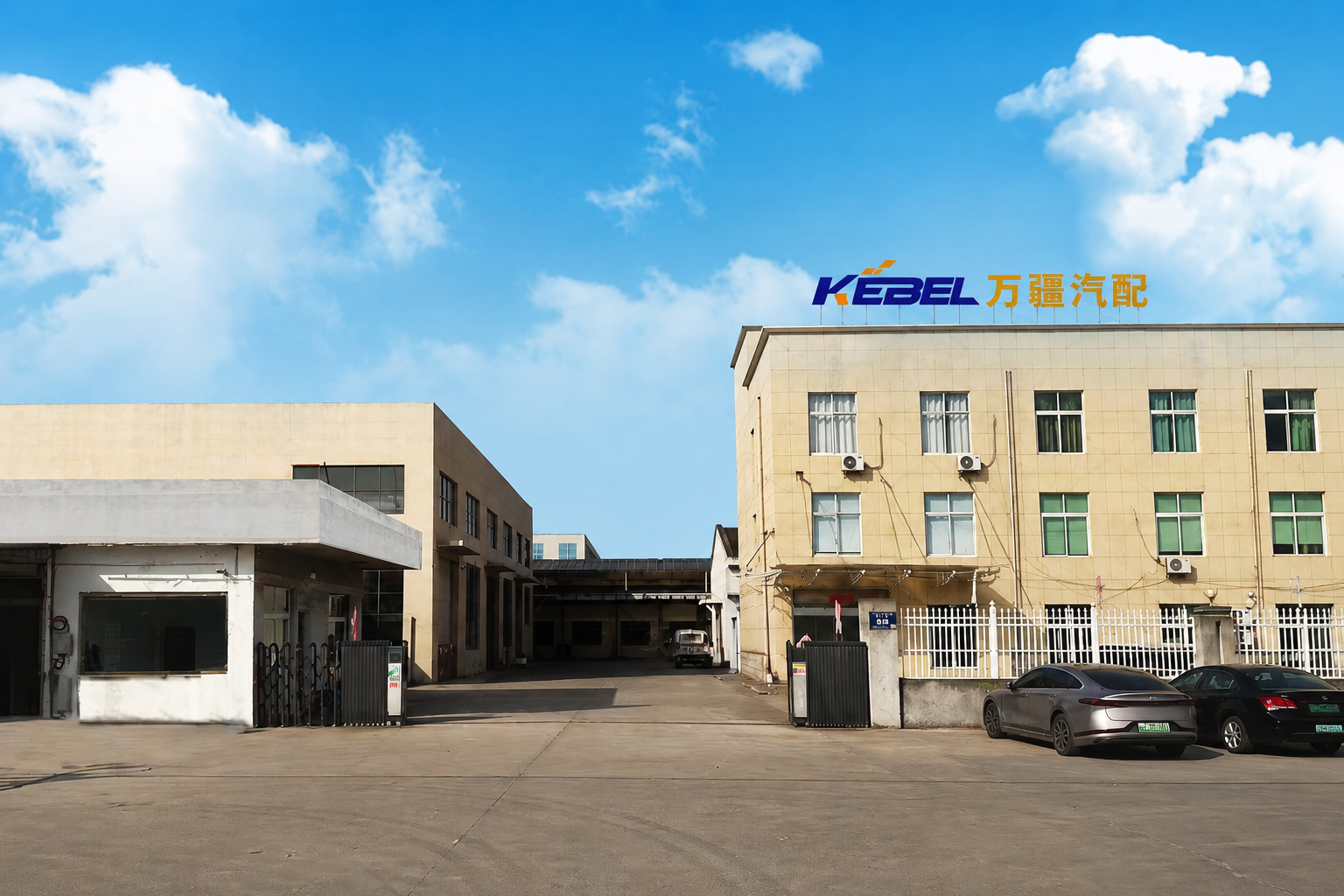
Danyang Wanjiang Auto Parts Co., Ltd. is an exporter and manufacturer of auto body parts based in Danyang, Jiangsu Province. Established in 2023, our 10,000-square-meter factory houses 80 employees and specializes in producing premium car bumpers, front grilles, headlights, engine hoods, and fenders. With 18 years of OEM/ODM expertise, we deliver annual exports exceeding 500 containers to markets across America and Europe. Our production lines carry CE and EPR certifications, ensuring our parts meet global safety and quality standards.

Lastest
-
Can you manufacture a front bumper based on our proprietary 3D CAD files?
2026-06-29 -
Can you provide the DOT and SAE certification documents for this rear bumper?
2026-06-29 -
How many production lines do you dedicate to making this bumper upper?
2026-06-29 -
Is there an online portal to track aftermarket support for the front bumper assembly?
2026-06-29 -
What is the standard production lead time for a container of engine hoods?
2026-06-29
SUBSCRIBE
INQUIRY