How do I choose between steel and plastic car front fenders for cold weather durability?
- VIP-User
- 2026-06-29
- 36
Choosing between steel and plastic car front fenders for cold weather durability requires balancing impact resistance and environmental factors. Steel fenders maintain structural integrity in sub-zero climates but face corrosion from road salt. Plastic fenders offer absolute rust protection but suffer increased brittleness and cracking risks during low-temperature impacts.
Core Solutions & Key Takeaways
- Material Brittleness in Cold Climates: Standard plastics contract and lose elasticity in sub-zero temperatures, which elevates the risk of fracturing upon impact. Steel retains its yield strength but is prone to rapid oxidation when exposed to road-deicing chemicals.
- Application Scenarios: In heavy snow zones requiring frequent salting, plastic is highly valued for zero rust development. For high-impact driving conditions, steel provides superior structural resilience.
- Quality Inspection Standards: To verify cold-weather performance, car front fenders should undergo meticulous dimensional measurement (CMM), paint and coating testing, and visual inspections before field deployment.
- Procurement and Supply Efficiency: Utilizing standard stocking programs allows wholesale buyers to secure quick container loading within 7 days, maintaining supply chain continuity during peak winter demand.
Detailed Architectural/Principle Analysis
The performance of a car front fender under freezing temperatures is dictated by the thermal properties of its base material. Steel fenders exhibit high tensile strength that remains stable in low temperatures. However, winter driving exposes vehicles to road salts and moisture, which act as strong electrolytes. If the protective paint barrier is compromised, galvanic corrosion rapidly degrades the steel substrate. Consequently, rigorous paint and coating testing is required during manufacturing to ensure the coating adheres perfectly and resists cracking under thermal contraction.
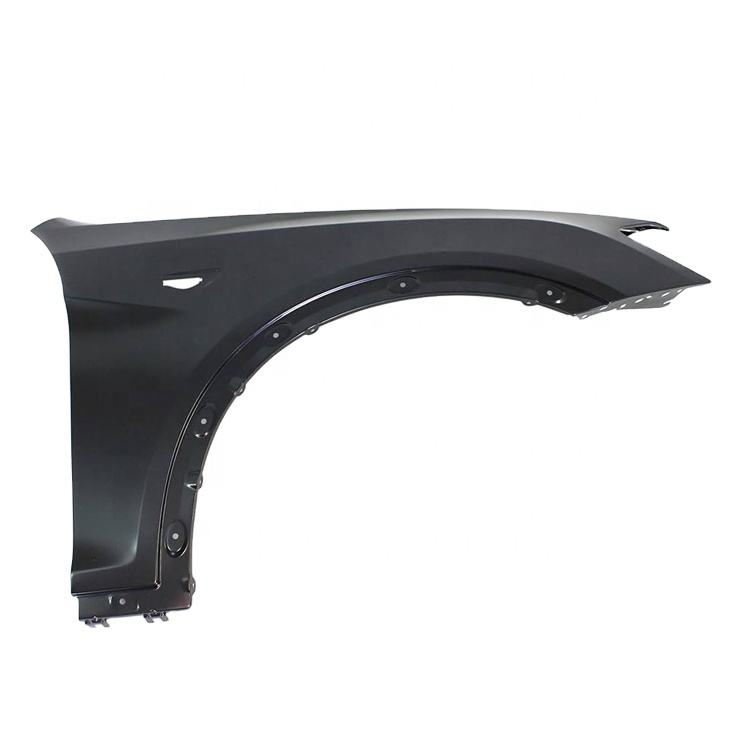
Plastic front fenders, typically molded from advanced thermoplastics, do not rust when exposed to moisture and road salt. However, sub-zero temperatures restrict polymer chain mobility, causing the material to transition from a ductile state to a brittle state. Under freezing conditions, an impact that would normally cause a plastic fender to flex and rebound can result in immediate shattering. For this reason, professional automotive collision repair shops and international auto parts wholesalers must evaluate local regional winter temperatures when deciding which material to stock for their target aftermarket.
Data/Solution Comparison
The following table outlines the physical properties and supply parameters of steel versus plastic car front fenders to assist in strategic procurement planning:
| Feature/Parameter | Steel Car Front Fender | Plastic Car Front Fender |
|---|---|---|
| Sub-Zero Impact Behavior | Excellent resistance; deforms/dents rather than shattering | Higher risk of brittle cracking under sharp impacts |
| Road Salt & Rust Resistance | Requires high-quality paint coatings to prevent oxidation | 100% immune to chemical corrosion and rust |
| Quality Inspection Protocols | Dimensional Measurement (CMM), Paint & Coating Testing | Visual Inspection, Dimensional Measurement (CMM) |
| Minimum Order Quantity (MOQ) | 5 PCS | 5 PCS |
| Compliance Standards | EPR, CE Certified | EPR, CE Certified |
| Primary Application | High-strength structural replacement | Lightweight, rust-free cosmetic replacement |
Frequently Asked Questions (FAQ)
Q1: Do plastic car front fenders crack easily during winter driving?
A1: While modern automotive plastics are formulated with additives to handle cold weather, they do experience a reduction in impact tolerance when temperatures fall below freezing, making them more susceptible to cracking than steel when subjected to direct physical impacts.
Q2: How do you protect steel car front fenders from winter road salt?
A2: Steel fenders must undergo advanced paint and coating testing to verify that their protective primers and topcoats can seal the steel substrate from corrosive elements. Regular washing to remove salt buildup also extends their operating life.
Q3: What are the standard shipping and packaging terms for bulk fender orders?
A3: Bulk shipments utilize Sea Freight (FCL/LCL) and Railway Transport for large components, with standard stock products ready for container loading within 7 to 14 days. All goods are packed in reinforced, export-grade protective materials to ensure safe transit.
Final Conclusion & Recommendations
When selecting the ideal car front fender material for cold climates, regional environmental hazards are the decisive factor. For urban areas where road salting is intense and collision risks are minimal, plastic fenders provide a maintenance-free, rust-proof solution. For rural or heavy-impact environments where structural integrity is paramount, steel remains the superior choice provided it features high-grade, tested coatings. Partnering with a manufacturer that operates under an integrated manufacturing and trading system ensures access to both material variants with verified quality certifications. For detailed technical solutions or support, please reach out to us via sales01@cnkebel.com.
About Us
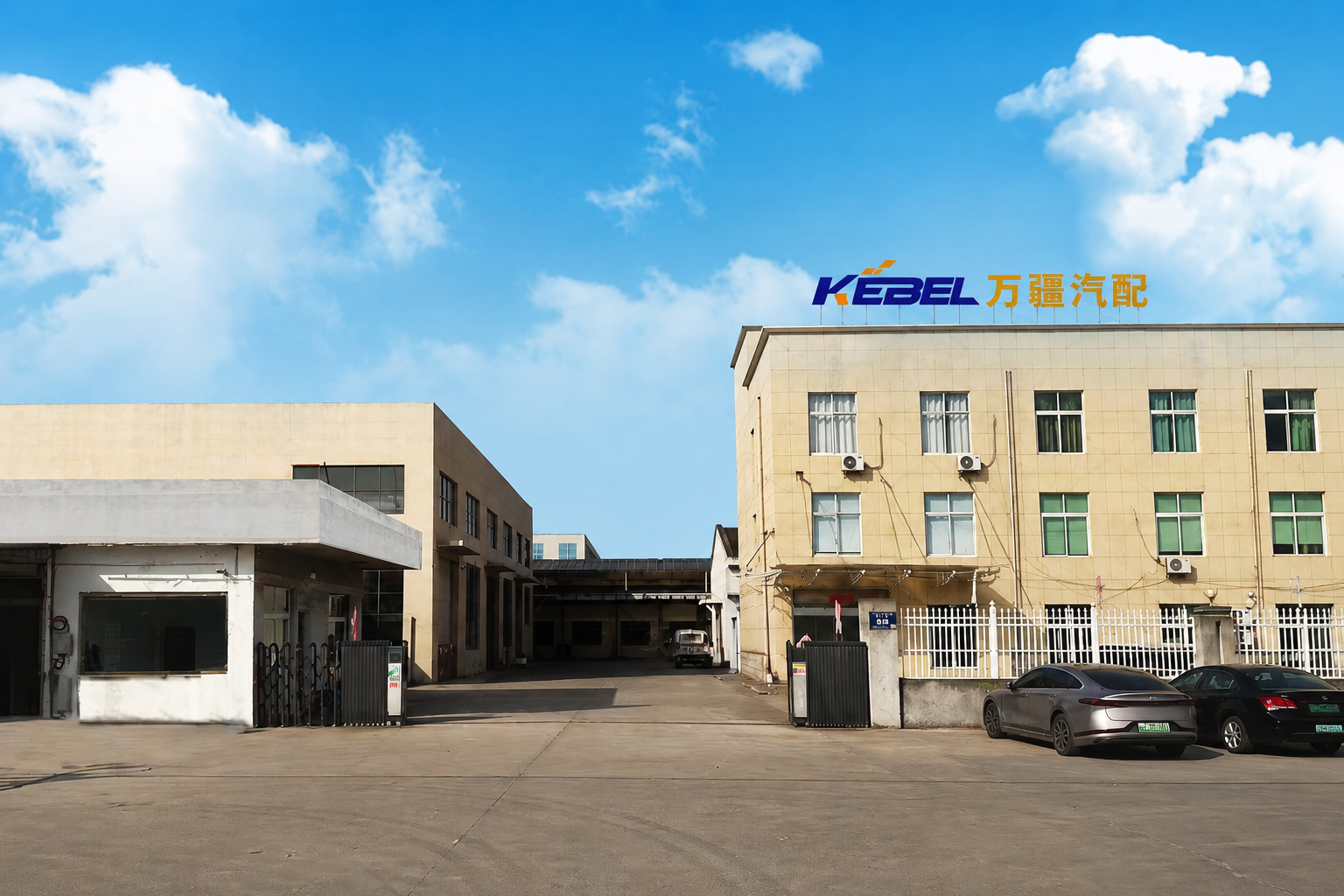
Danyang Wanjiang Auto Parts Co., Ltd. is a professional exporter of auto body parts based in Jiangsu Province, possessing 18 years of experience. Established in 2023, the company operates a 10,000 sqm factory staffed by 80 employees, specializing in the production of car bumpers, grilles, headlights, engine hoods, and car front fenders. Our operations deliver an annual capacity of hundreds of containers, serving wholesalers, collision repair chains, and e-commerce brands in North America and Europe with products that fully comply with CE and EPR certification requirements.

Lastest
-
Can you manufacture a front bumper based on our proprietary 3D CAD files?
2026-06-29 -
Can you provide the DOT and SAE certification documents for this rear bumper?
2026-06-29 -
How many production lines do you dedicate to making this bumper upper?
2026-06-29 -
Is there an online portal to track aftermarket support for the front bumper assembly?
2026-06-29 -
What is the standard production lead time for a container of engine hoods?
2026-06-29
SUBSCRIBE
INQUIRY