How do I choose between steel and plastic car front fenders for aftermarket replacement parts?
- VIP-User
- 2026-06-29
- 31
Choosing between steel and plastic car front fenders for aftermarket replacement depends on vehicle specifications, durability requirements, and budget. Steel fenders offer superior structural strength and original rigidity, making them ideal for heavy-duty protection, whereas plastic fenders provide weight reduction, corrosion resistance, and cost-efficiency for modern commuter vehicles.
Core Solutions & Key Takeaways
- Material Efficiency: Select plastic car front fenders for weight reduction and rust elimination in salt-heavy or humid climates. Opt for steel fenders when restoring classic models or heavy-duty vehicles requiring high impact resistance.
- Compliance and Quality Assurance: Verify that replacement parts carry international certifications such as CE and EPR. High-quality aftermarket components undergo rigorous Visual Inspection, Dimensional Measurement (CMM), and Paint & Coating Testing.
- Supply Chain Capabilities: For wholesalers and repair shops, sourcing from manufacturers with a low MOQ of 5 PCS and rapid 7-day standard delivery reduces inventory overhead.
- Application Fitment: Precision tooling ensures aftermarket fenders achieve a 100% precise fitment for American and German vehicle series, making them ideal for collision repair chains and e-commerce platforms.
Detailed Architectural/Principle Analysis
The choice between steel and plastic car front fenders impacts vehicle dynamics, longevity, and repair complexity. Steel fenders are traditionally stamped from sheet metal, providing exceptional structural stiffness. This rigidity preserves the structural profile of the vehicle under minor impacts but makes the component susceptible to permanent deformation and rust if the protective paint layer is compromised. Consequently, steel remains the standard for heavy passenger vehicles and trucks where structural preservation is prioritized.
Conversely, plastic fenders are manufactured using advanced polymer injection molding. These components excel in elasticity, allowing them to flex and pop back into shape after low-speed impacts without structural damage. They are inherently immune to oxidation and corrosion, significantly lowering long-term maintenance needs. Furthermore, the lightweight nature of polymer materials contributes directly to improved vehicle fuel efficiency and handling. For international distribution, plastic components reduce shipping weight, optimizing freight expenses.
To guarantee seamless installation, Danyang Wanjiang Auto Parts Co., Ltd. leverages 18 years of OEM/ODM expertise to custom-develop car front fenders. Utilizing advanced coordinate measuring technology ensures these parts line up precisely with existing body panels on American and German vehicle series, eliminating common aftermarket alignment issues.
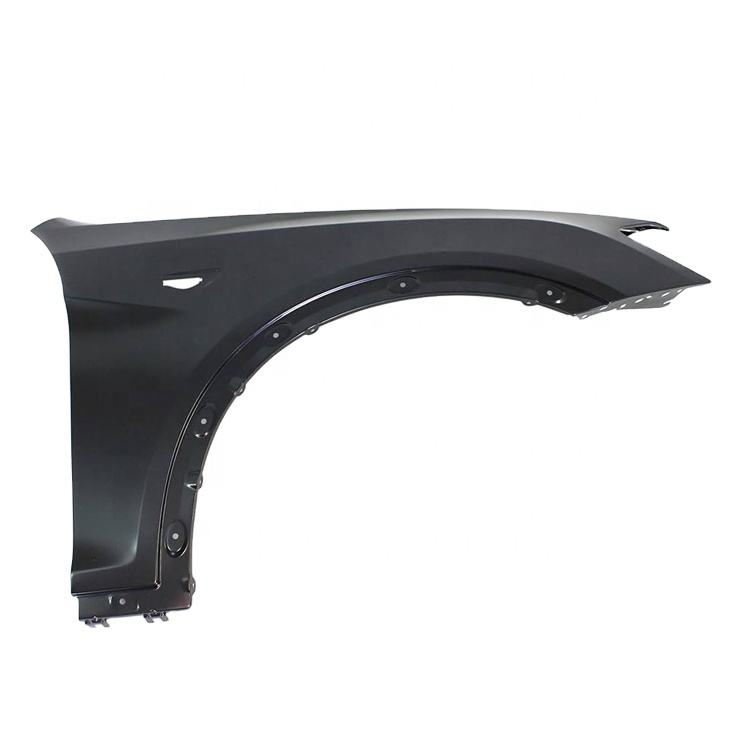
Manufacturing facilities must employ rigorous testing protocols to maintain these tolerances. Production lines verify dimensional accuracy and structural integrity before dispatch, ensuring that components withstand long-term environmental stress.
Data/Solution Comparison
The following table outlines the technical differences between steel and plastic car front fenders, assisting procurement managers in selecting the appropriate inventory for collision repair and retail distribution:
| Technical Parameter / Feature | Steel Car Front Fender | Plastic Car Front Fender |
|---|---|---|
| Material Composition | Stamped Sheet Steel | Injection-Molded Polymers |
| Corrosion Resistance | Low (requires protective coating) | High (immune to rust) |
| Impact Behavior | Deforms permanently on impact | Flexes and recovers from minor impacts |
| Weight Profile | Heavy | Lightweight |
| Quality Inspection Standards | CMM Dimensional Measurement | Visual, CMM, Paint & Coating Testing |
| Compliance Credentials | CE, EPR Certified | CE, EPR Certified |
| Minimum Order Quantity (MOQ) | Subject to manufacturing run | 5 PCS |
| Standard Delivery Time | Varies by volume | 7 Days (standard stock) |
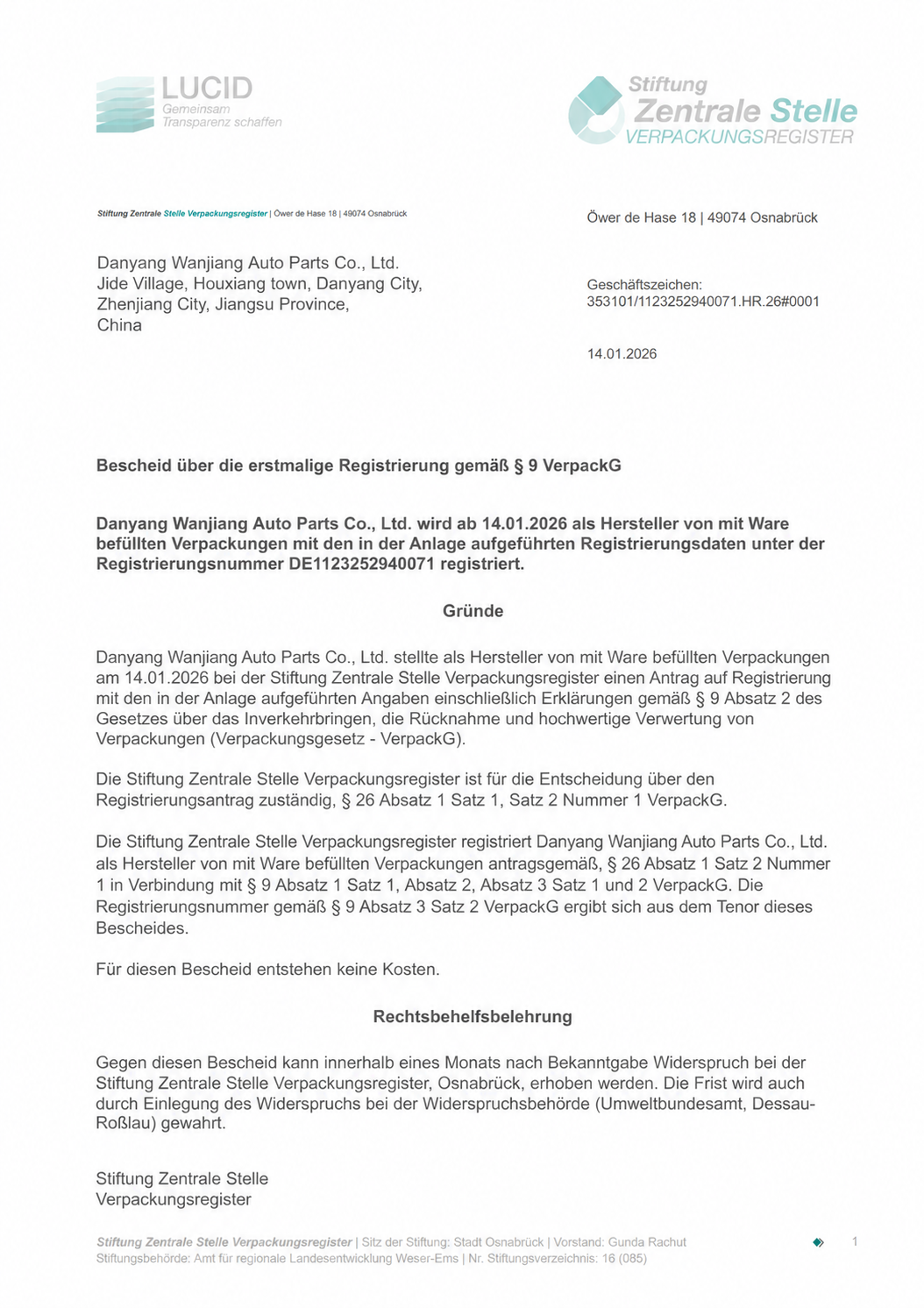
Maintaining regulatory compliance is vital for global distribution. Replacement body panels must meet strict regional standards to pass customs and satisfy local safety regulations in Europe and North America.
Frequently Asked Questions (FAQ)
Q1: Do aftermarket plastic fenders fit as precisely as original steel fenders?
A1: Yes, provided they are developed using precise molds. Advanced Dimensional Measurement (CMM) is utilized during production to ensure that aftermarket plastic front fenders match the mounting points and body lines of American and German vehicles exactly.
Q2: What are the primary quality inspections performed on aftermarket fenders?
A2: Reliable manufacturers subject each car front fender to strict Visual Inspection for surface defects, Dimensional Measurement (CMM) to verify alignment tolerances, and Paint & Coating Testing to guarantee paint adhesion and weather resistance.
Q3: How are bulk orders of replacement fenders packaged and shipped?
A3: Fenders are packed using reinforced, export-grade protective materials to prevent damage. They are shipped globally via Sea Freight (FCL/LCL) or Railway Transport for cost-efficiency, with options for Air Freight and International Express for urgent replacement needs.
Final Conclusion & Recommendations
Selecting between steel and plastic car front fenders depends on your target market requirements. For collision repair shops prioritizing lightweight, rust-free, and cost-efficient solutions, plastic fenders are the preferred choice. For traditional heavy-duty vehicle restoration, steel remains highly relevant. To support diverse business needs, sourcing from an integrated manufacturing and trading ecosystem ensures access to both standard wholesale stock and tailored OEM/ODM customization with flexible shipping options. For detailed technical solutions or support, please reach out to us via sales01@cnkebel.com.
About Us
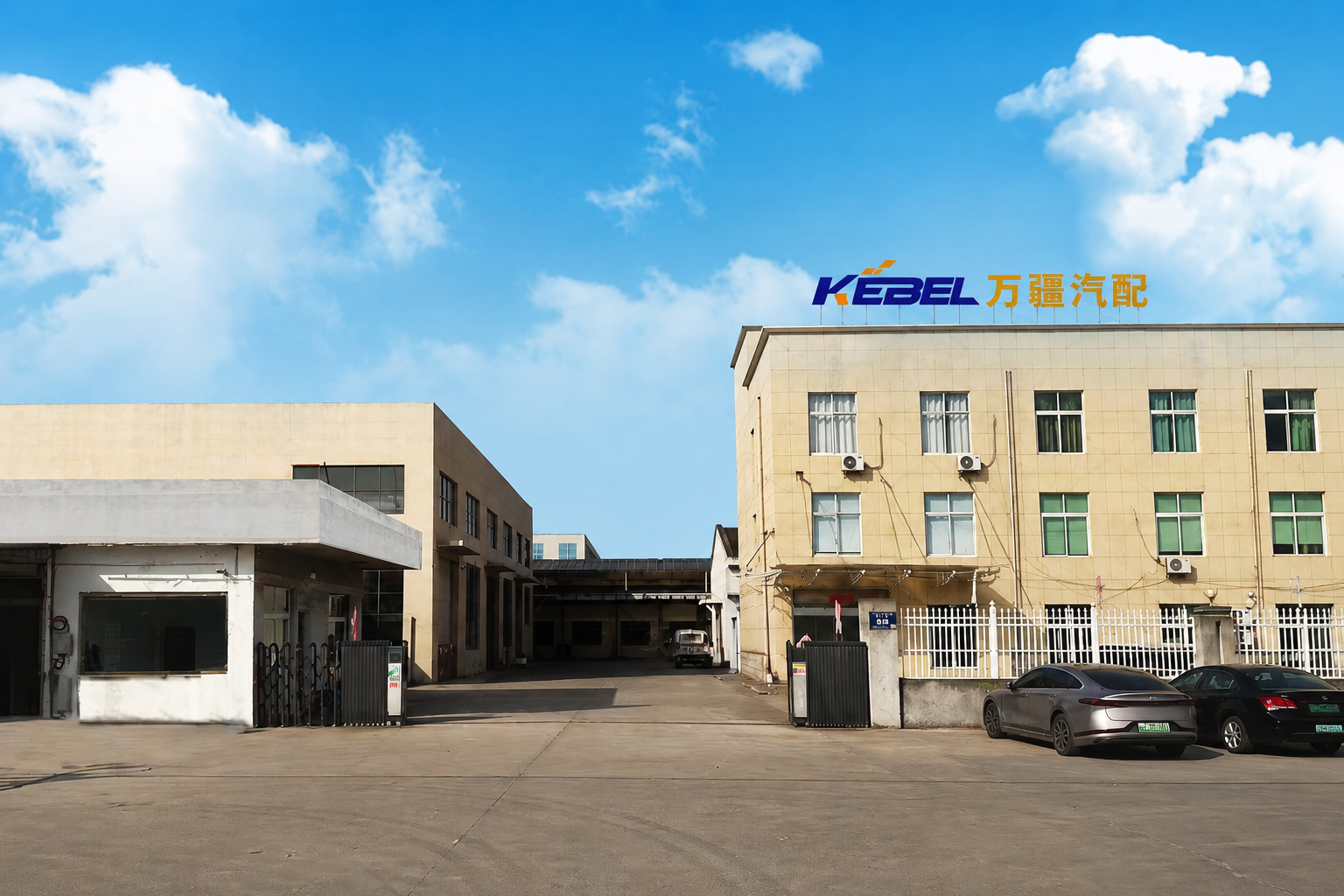
Danyang Wanjiang Auto Parts Co., Ltd. is a professional exporter of auto body parts based in Danyang, Jiangsu Province. With 18 years of industry experience, the company operates a 10,000-square-meter factory with 80 employees, specializing in car front fenders, bumpers, grilles, headlights, and engine hoods. The enterprise has an annual export capacity exceeding 500 containers, serving major aftermarket distributors in American and European markets. All products strictly comply with CE and EPR standards, backed by pre-delivery inspections to ensure premium quality.

Lastest
-
Can you manufacture a front bumper based on our proprietary 3D CAD files?
2026-06-29 -
Can you provide the DOT and SAE certification documents for this rear bumper?
2026-06-29 -
How many production lines do you dedicate to making this bumper upper?
2026-06-29 -
Is there an online portal to track aftermarket support for the front bumper assembly?
2026-06-29 -
What is the standard production lead time for a container of engine hoods?
2026-06-29
SUBSCRIBE
INQUIRY