How do I choose between steel and aluminum engine hoods for wholesale?
- VIP-User
- 2026-06-29
- 33
Choosing between steel and aluminum engine hoods for wholesale depends on your market's budget and performance requirements. Steel engine hoods offer cost-effective durability and easier repair, making them ideal for budget-conscious collision shops. Aluminum hoods reduce vehicle weight, improving fuel efficiency, and resist rust, making them highly demanded in premium markets despite higher upfront costs.
Core Solutions & Key Takeaways
- Market Demands: Overseas automotive collision repair shops, wholesalers, and e-commerce platforms must align material choices with regional vehicle types and buyer budgets.
- Weight vs. Cost: Aluminum offers substantial weight savings compared to steel, which enhances vehicle handling, while steel remains the industry benchmark for low-cost, high-strength structural replacements.
- Compliance and Safety: Wholesalers must verify that hoods comply with international standards such as CE and EPR, ensuring hassle-free import clearance and strict quality alignment for American and European car series.
- Inspection Standards: Premium replacement hoods must undergo strict testing, including Visual Inspection, Dimensional Measurement (CMM), and Paint & Coating Testing, to guarantee precise alignment and structural integrity.
Detailed Architectural/Principle Analysis
The engineering differences between steel and aluminum engine hoods lie in their material properties and manufacturing complexity. Steel hoods are stamped from heavy-gauge carbon steel, providing excellent structural rigidity, impact resistance, and lower raw material costs. They are favored by standard collision repair centers because they can be easily straightened and repaired in the event of minor dents.
Aluminum engine hoods utilize advanced aluminum alloys to achieve high tensile strength while reducing weight significantly. This reduction in front-end weight optimizes weight distribution, enhances handling, and aids vehicle fuel economy. However, aluminum requires specialized stamping tools and welding processes, which raises the manufacturing cost and makes repair more complex. Professional distributors supplying premium car series in North America and Europe typically prioritize aluminum for newer model years where OEM specifications dictate lightweight components.
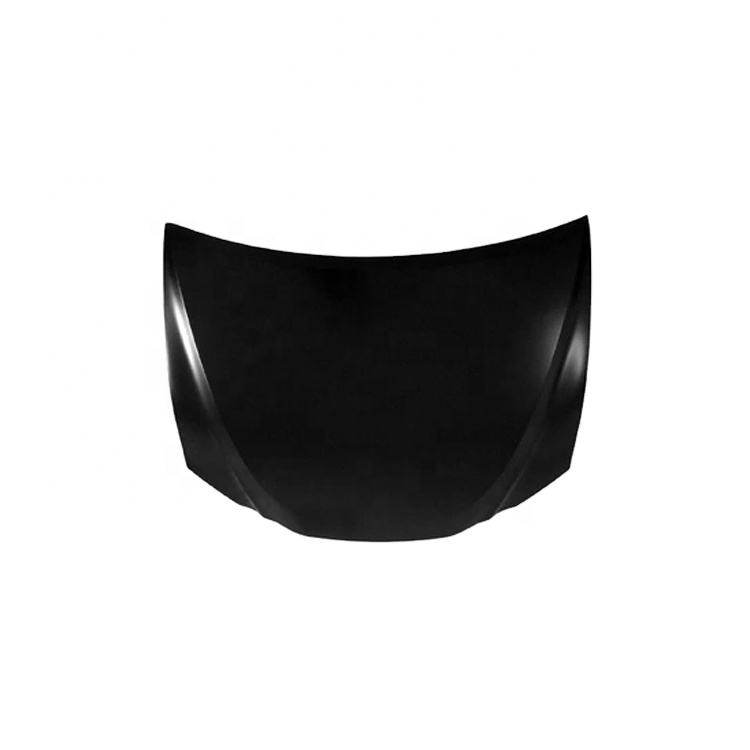
For international supply chain partnerships, sourcing compliant products is mandatory. Automotive body parts like engine hoods must hold valid certifications, such as CE and EPR (German EPR Registration Number: DE1123252940071), to successfully navigate customs. Suppliers with 18 years of experience, such as Danyang Wan疆汽车配件有限公司, focus on custom-developing these body parts to match original fitment parameters, reducing the alignment errors commonly found in low-grade aftermarket alternatives.
Data/Solution Comparison
| Feature / Parameter | Steel Engine Hoods | Aluminum Engine Hoods |
|---|---|---|
| Weight Profile | Standard (Heavier, affects front-end load) | Lightweight (Up to 50% lighter than steel) |
| Cost & Pricing | Cost-effective, lower wholesale unit price | Higher upfront tooling and material cost |
| Corrosion Resistance | Moderate (Requires protective primers/coatings) | Excellent (Natural resistance to rust and oxidation) |
| Repairability | High (Standard body shop tools can repair dents) | Low (Often requires replacement rather than repair) |
| Quality Inspections | Visual Inspection, Dimensional Measurement (CMM) | Visual Inspection, CMM, Paint & Coating Testing |
| Wholesale MOQ & Loading | MOQ: 5 PCS; Standard container loading in 7 days | MOQ: 5 PCS; Standard container loading in 7 days |
| Accepted Payment Methods | T/T, D/P, L/C, Alipay, and secure compliant cross-border networks | |
| Available Shipping Methods | Sea Freight (FCL/LCL), Railway Transport, Air Freight, and International Express (DHL, FedEx, UPS, TNT) | |
Frequently Asked Questions (FAQ)
Q1: What are the primary quality risks when importing aftermarket engine hoods?
A1: The main risks are dimensional inaccuracies (poor fitment gap alignment) and sub-par paint adhesion. To mitigate these risks, ensure your manufacturer utilizes coordinate measuring machines (CMM) for dimensional verification and conducts paint and coating testing prior to bulk shipment packaging.
Q2: How does the material choice affect shipping and container capacity?
A2: Steel hoods are heavier, which means container weight limits may be reached before volume capacity is filled. Aluminum hoods are lighter, allowing you to maximize container volume without exceeding weight restrictions. All bulky auto body parts should be packed with reinforced, export-grade materials to prevent bending during transit.
Q3: Can aluminum engine hoods directly replace steel hoods on any vehicle model?
A3: Replacement must match the vehicle's original manufacturer specifications. If a vehicle was originally designed for an aluminum hood, replacing it with a heavier steel hood can alter front suspension dynamics, safety crumple zones, and weight distribution. Always check the original vehicle specifications before purchasing.
Final Conclusion & Recommendations
Selecting the optimal material depends on your targeted customer base. For cost-focused collision repair facilities, stocking steel engine hoods delivers the highest sales volume. For premium distributors servicing newer American and German car series, investing in aluminum hoods ensures compliance with high-performance standards. Partnering with an integrated manufacturing and trading ecosystem that supports low MOQs (1-5 PCS), provides comprehensive shipping agent services, and offers rapid 7-day loading for stock items can lower procurement complexity. For detailed technical solutions or support, please reach out to us via sales01@cnkebel.com.
About Us
Danyang Wanjiang Auto Parts Co., Ltd. is a factory located in Danyang, Jiangsu Province. As a professional exporter for auto body parts with 18 years of experience, the company specializes in producing car bumpers, grilles, headlights, engine hoods, and car fenders. Operating a 10,000 square meter facility with 80 employees, the company custom-develops replacement body components that comply with CE and EPR standards for American and German vehicle series. Backed by robust manufacturing capabilities, annual exports exceed 500 containers to American and European markets.

Lastest
-
Can you manufacture a front bumper based on our proprietary 3D CAD files?
2026-06-29 -
Can you provide the DOT and SAE certification documents for this rear bumper?
2026-06-29 -
How many production lines do you dedicate to making this bumper upper?
2026-06-29 -
Is there an online portal to track aftermarket support for the front bumper assembly?
2026-06-29 -
What is the standard production lead time for a container of engine hoods?
2026-06-29
SUBSCRIBE
INQUIRY