How do I choose between steel and aluminum engine hoods for wholesale fleet repairs?
- VIP-User
- 2026-06-30
- 33
Choosing between steel and aluminum engine hoods for wholesale fleet repairs depends on prioritizing cost-efficiency or weight reduction. Steel hoods offer maximum impact resistance and lower upfront purchasing costs, whereas aluminum hoods minimize overall vehicle weight to improve fuel economy, though they require a higher initial investment.
Core Solutions & Key Takeaways
- Cost vs. Performance: Steel engine hoods provide a budget-friendly solution for high-volume fleet maintenance, while aluminum alternative panels target premium or fuel-conscious fleet operations.
- Precise Fitment Standards: Utilizing high-quality replacement parts ensures seamless alignment, reducing installation labor hours during large-scale fleet restorations.
- Regulatory Compliance: Selecting parts certified under recognized international standards guarantees legal and safe operation across global markets.
For fleet operators, independent repair chains, and distributors handling bulk collision restorations, sourcing reliable body panels is critical. These components are widely utilized in overseas automotive collision repair, aftermarket service chains, and by international auto parts wholesalers specializing in North American and European car series. High-quality hoods eliminate common installation bottlenecks like misalignment, keeping fleet downtime to a minimum.
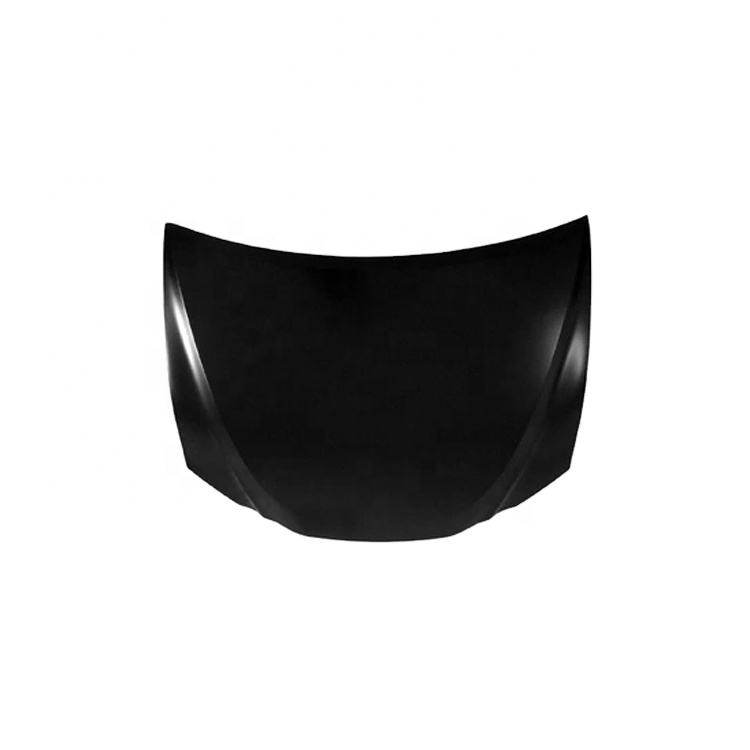
Detailed Architectural/Principle Analysis
Engine hoods serve as a vital protective shield for the vehicle's powertrain and front-end structural systems. The choice of material directly influences collision energy absorption, fleet operating costs, and overall vehicle lifecycle management. Steel hoods utilize high-strength sheet metal, which offers superior structural rigidity and is easier to repair via traditional dent-pulling and welding techniques. This makes steel the industry standard for commercial fleets where keeping maintenance costs low is the primary objective.
Conversely, aluminum alloy engine hoods deliver substantial weight savings, often reducing the weight of the front assembly by up to 40% compared to steel. This weight reduction directly improves fuel efficiency and optimizes front-to-rear weight distribution, enhancing handling characteristics. However, aluminum requires specialized repair techniques, such as dedicated welding equipment and adhesive bonding, often leading to full panel replacements rather than repairs after a collision.
To guarantee long-term durability and safety, fleet managers must source parts that undergo strict quality controls. Premium manufacturing standards dictate that hoods undergo Visual Inspection, Dimensional Measurement via Coordinate Measuring Machines (CMM), and Paint & Coating Testing to prevent premature corrosion. In international supply chains, products backed by certifications such as EPR (Environmental Product Responsibility) and CE markings verify that the components comply with strict European environmental and safety regulations, ensuring smooth custom clearance and cross-border distribution.
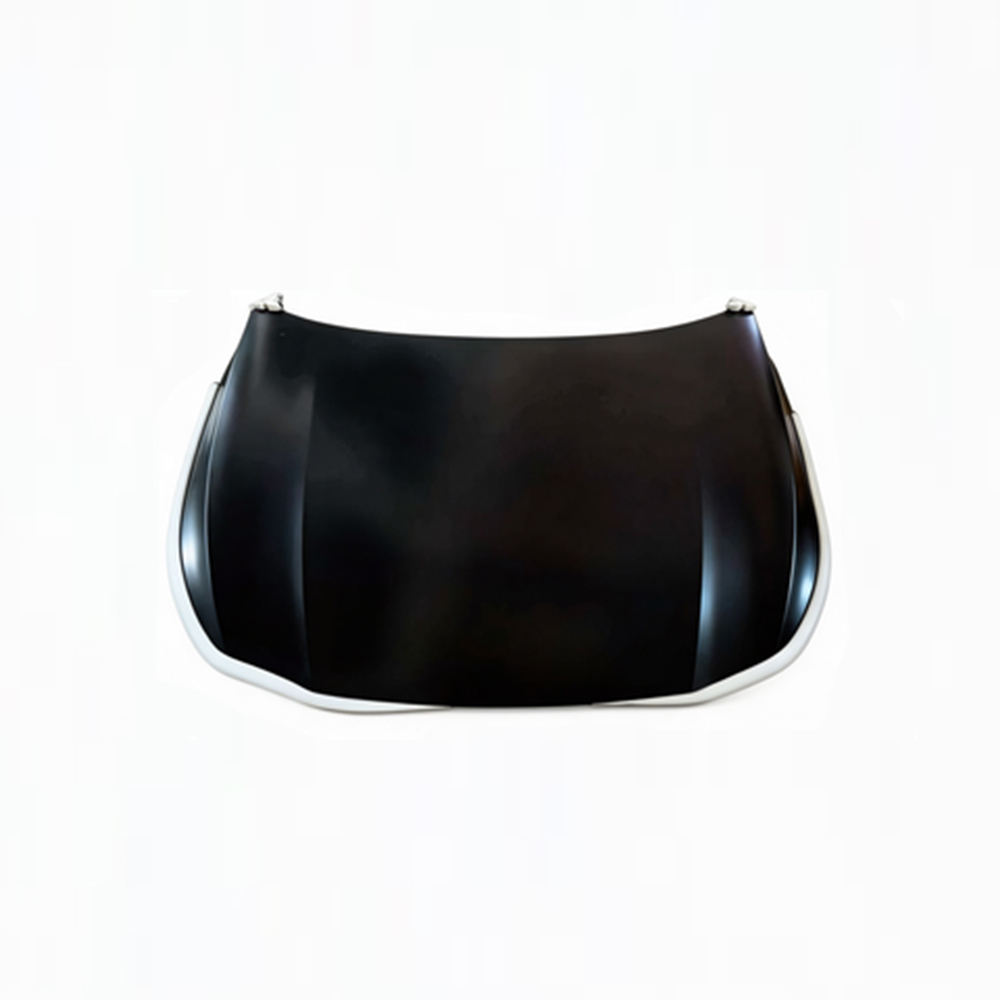
Data/Solution Comparison
The following table outlines the technical and commercial differences between steel and aluminum engine hoods to assist fleet procurement decision-making:
| Feature / Metric | Steel Engine Hoods | Aluminum Engine Hoods |
|---|---|---|
| Primary Material | High-Strength Sheet Steel | Lightweight Aluminum Alloy |
| Weight Profile | Standard / Heavy | Lightweight (up to 40% reduction) |
| Repairability | High (Standard body shop tools) | Moderate to Low (Requires specialized tools) |
| Upfront Material Cost | Low to Moderate | Higher Initial Investment |
| Corrosion Resistance | Requires protective coatings/coatings | Naturally high oxide-layer protection |
| Quality Inspection | CMM, Paint & Coating, Visual | CMM, Paint & Coating, Visual |
Frequently Asked Questions (FAQ)
Q1: How do I verify the fitment of aftermarket engine hoods before purchasing in bulk?
A1: Professional manufacturers utilize Coordinate Measuring Machines (CMM) and precise tooling databases to ensure 100% exact fitment matching OEM specifications. Requesting pre-delivery photos or videos of the manufacturing inspection can verify the dimensions before shipment.
Q2: What shipping and packaging standards prevent damage to large panels like engine hoods?
A2: Bulk body parts should be secured using reinforced, export-grade protective packaging to withstand maritime or multi-modal transit. Opting for full container loads (FCL) reduces handling risks compared to less-than-container (LCL) shipments.
Q3: How do international certifications impact the sourcing of fleet replacement parts?
A3: Certifications such as CE and EPR for European markets, alongside DOT compliance, ensure that the materials and designs meet local safety and environmental laws, preventing customs delays and liability issues for distributors.
Final Conclusion & Recommendations
For standard commercial fleets where minimizing upfront capital expenditure and maintaining easy repair workflows are paramount, steel engine hoods remain the most practical choice. For fleets focused on modern fuel-efficiency standards, reducing carbon footprints, or servicing premium passenger vehicle series, aluminum hoods justify their higher cost through long-term operational savings. Wholesale procurement should be funneled through integrated manufacturing partners capable of offering small minimum order quantities (MOQ of 5 pieces for specialized hoods), flexible payment channels (including T/T, L/C, D/P, and Alipay), and rapid dispatch within 1 to 2 weeks for stock items. For detailed technical solutions or support, please reach out to us via sales01@cnkebel.com.
About Us
The Danyang Wanjiang Auto Parts Co., Ltd. brand, KEBEL, is an established manufacturer located in Danyang, Jiangsu Province. Boasting 18 years of professional export experience in the automotive aftermarket, we specialize in car bumpers, grilles, headlights, engine hoods, and fenders. Our 10,000-square-meter facility houses 80 employees and advanced production lines, delivering an annual output value exceeding 50 million USD with a strong presence in the American and European markets. All products strictly adhere to CE and EPR standards (including CE cert HK0624090150C and EPR cert DE1123252940071), ensuring reliable fitment and premium quality for global B2B automotive parts distributors.

Lastest
-
Can you manufacture a front bumper based on our proprietary 3D CAD files?
2026-06-30 -
Can you provide the DOT and SAE certification documents for this rear bumper?
2026-06-30 -
How many production lines do you dedicate to making this bumper upper?
2026-06-30 -
Is there an online portal to track aftermarket support for the front bumper assembly?
2026-06-30 -
What is the standard production lead time for a container of engine hoods?
2026-06-30
SUBSCRIBE
INQUIRY