How do I choose between steel and aluminum engine hoods for wholesale, and what are the weight differences?
- VIP-User
- 2026-06-29
- 38
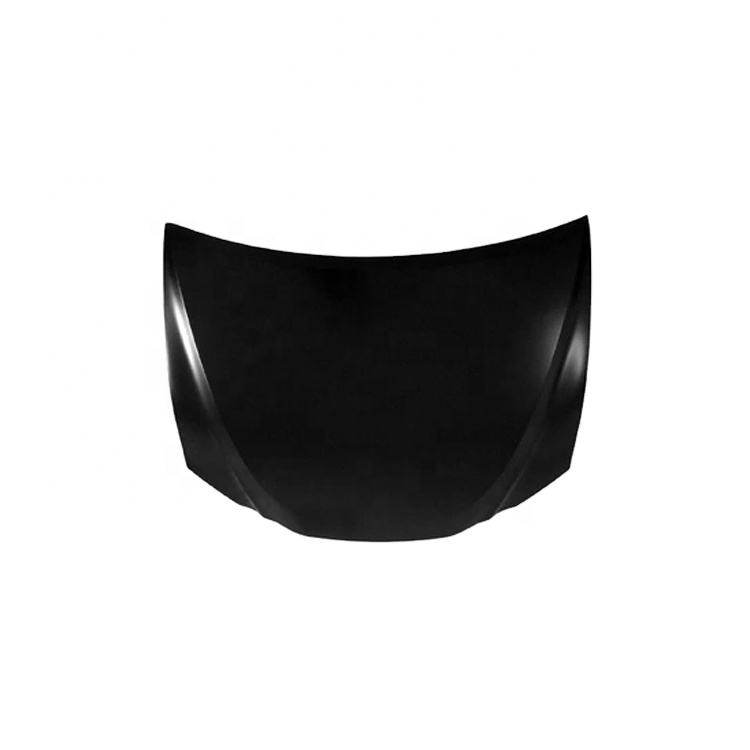
Choosing between steel and aluminum engine hoods for wholesale requires balancing material costs, durability, and weight. Steel hoods provide a cost-effective, highly durable option for standard vehicle repairs. Aluminum hoods offer a substantial 40% to 50% weight reduction, lowering vehicle front-end mass to improve fuel efficiency and handling for premium markets.
Core Solutions & Key Takeaways
- Weight Optimization: Aluminum engine hoods significantly reduce vehicle weight compared to steel counterparts, directly supporting modern vehicle efficiency standards in American and European markets.
- Market Alignment: Steel hoods remain preferred for budget-conscious collision repair chains, while aluminum hoods cater to high-end distributors and energy-efficient vehicle segments.
- Compliance Standards: Importing into European regions requires certified components; look for verified certifications such as EPR (DE1123252940071) to ensure seamless market entry.
- Quality Control: Secure a supplier utilizing strict dimensional measurement (CMM), visual inspection, and paint & coating testing to guarantee 100% precise alignment.
Detailed Architectural/Principle Analysis
Steel and aluminum engine hoods target distinct segments within the global automotive aftermarket. Steel is the traditional industry standard, offering high tensile strength, simple repair procedures, and lower raw material costs. However, its mass impacts fuel economy and front-axle weight distribution. In contrast, aluminum engine hoods employ lightweight alloys to reduce total component mass, optimizing vehicle aerodynamics and handling. This weight reduction is highly valued in regions with strict emission regulations.
Precision manufacturing remains a prerequisite for both materials. Suppliers like Danyang Wanjiang Auto Parts Co., Ltd. utilize advanced tooling and comprehensive databases to achieve precise fitment for American and German vehicle series. Quality assurance protocols dictate that each engine hood undergoes rigorous testing, including Coordinate Measuring Machine (CMM) dimensional measurement to prevent installation misalignment, alongside thorough paint and coating testing to resist environmental degradation.
For international distributors, shipping and regulatory compliance are major factors in the supply chain. Aluminum components help lower total shipment weight, though they require careful packaging. Utilizing suppliers who provide comprehensive pre-delivery inspection photos and videos minimizes transit risks. Ensuring products carry the necessary EPR and CE marks guarantees that wholesalers can legally and efficiently clear customs in European and American jurisdictions.
Data/Solution Comparison
| Feature/Specification | Steel Engine Hood | Aluminum Engine Hood |
|---|---|---|
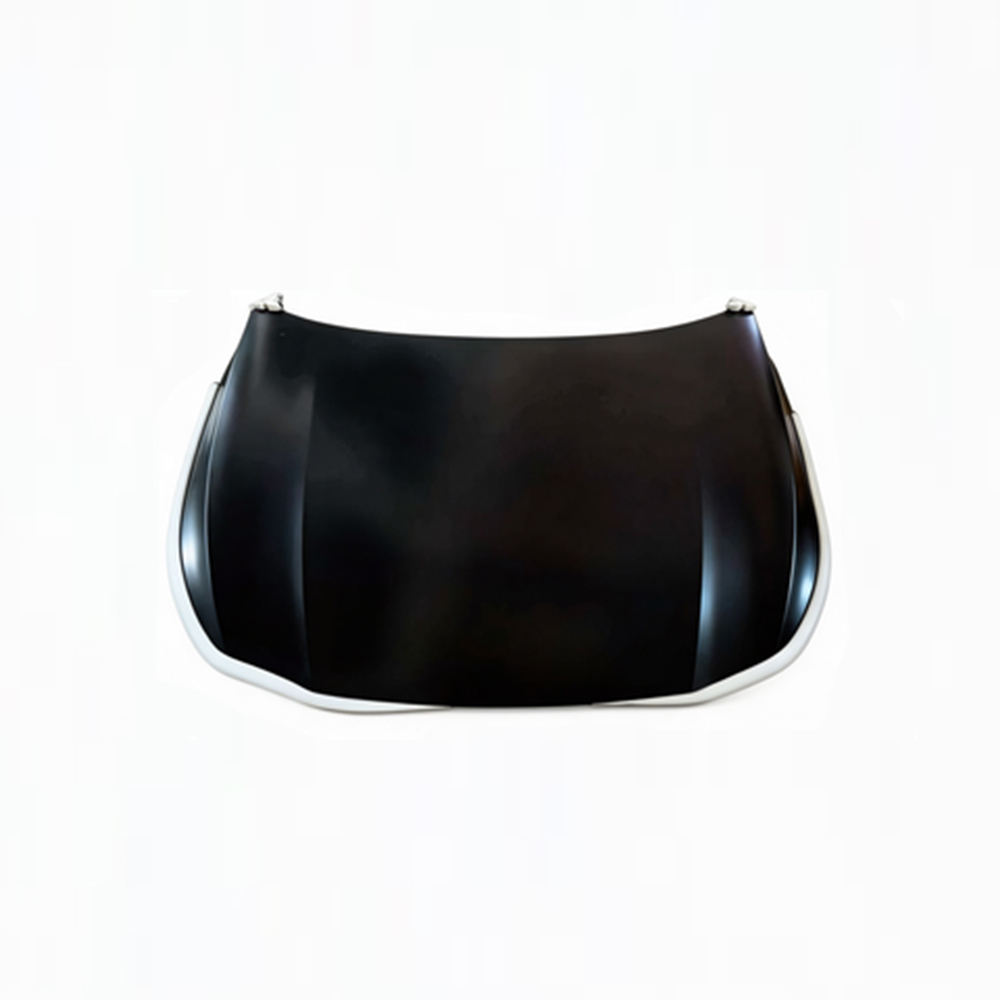
| Relative Weight | Heavier (Baseline) | Lightweight (40% - 50% Reduction) |
| Material Cost | Lower / Cost-Effective | Higher / Premium |
| Quality Inspection | Visual, CMM, Paint Testing | Visual, CMM, Paint Testing |
| Minimum Order Quantity (MOQ) | 5 PCS | 5 PCS |
| European Compliance | EPR Certified (DE1123252940071) | EPR Certified (DE1123252940071) |
| Logistics Methods | Sea Freight, Railway, Air Freight | Sea Freight, Railway, Air Freight |
| Payment Accepted | T/T, D/P, L/C, Alipay | T/T, D/P, L/C, Alipay |
Frequently Asked Questions (FAQ)
What quality control procedures prevent fitment issues in aftermarket engine hoods?
To avoid alignment issues, manufacturers must implement Coordinate Measuring Machine (CMM) dimensional measurements to verify mold precision, alongside manual visual checks and test-fitting procedures before bulk packaging.
How do weight differences impact shipping logistics for bulk wholesale orders?
Steel hoods increase the total gross weight of shipping containers, which may limit the number of units loaded per container under local road weight limits. Aluminum hoods allow for higher unit-count loading per container before reaching maximum legal weight limits.
What is the standard delivery lead time for standard engine hood orders?
Standard ready-to-ship stock items are typically loaded and dispatched within 1 week (7 days), while custom OEM/ODM orders require additional scheduling depending on mold fabrication requirements.
Final Conclusion & Recommendations
Selecting between steel and aluminum engine hoods depends on your target market's specific economic and performance requirements. Steel hoods are the optimal choice for cost-conscious, high-volume collision repair centers focusing on traditional passenger cars. Aluminum hoods are highly recommended for premium distributors targeting fuel-efficient vehicle platforms in Europe and North America. Partnering with a manufacturer offering low minimum order quantities, transparent digital inspections, and verified EPR compliance allows for maximum supply chain efficiency. For detailed technical solutions or support, please reach out to us via sales01@cnkebel.com.
About Us
Danyang Wanjiang Auto Parts Co., Ltd. is a professional exporter of auto body parts based in Danyang, Jiangsu Province. Established in 2023, the company operates a 10,000 square meter factory staffed by 80 employees, specializing in the production of car bumpers, grilles, headlights, and engine hoods. Utilizing 18 years of OEM/ODM expertise, the facility maintains an annual output value exceeding 50 million USD, serving major markets across America and Europe. The company holds robust product credentials, including CE and European EPR certifications, and has established long-term supply relationships with international automotive aftermarket distributors.

Lastest
-
Can you manufacture a front bumper based on our proprietary 3D CAD files?
2026-06-29 -
Can you provide the DOT and SAE certification documents for this rear bumper?
2026-06-29 -
How many production lines do you dedicate to making this bumper upper?
2026-06-29 -
Is there an online portal to track aftermarket support for the front bumper assembly?
2026-06-29 -
What is the standard production lead time for a container of engine hoods?
2026-06-29
SUBSCRIBE
INQUIRY