How do I choose between steel and aluminum car doors for bulk fleet production?
- VIP-User
- 2026-08-10
- 26
Choosing between steel and aluminum car doors for bulk fleet production depends on unit cost, payload requirements, and repairability. Steel car doors offer lower initial procurement expenses, higher tensile strength, and easier field repair for heavy-duty commercial fleets. Aluminum car doors reduce total vehicle weight, enhancing fuel efficiency and payload capacity for high-mileage delivery applications.
Core Solutions & Key Takeaways
- Initial Material Costs: Steel car doors maintain lower raw material and stamping tooling expenses, significantly reducing upfront expenditure for large-scale fleet acquisition.
- Weight Optimization: Aluminum car doors deliver weight reductions of up to 40% compared to traditional steel, improving energy efficiency in electric vehicles and increasing total payload capacity in commercial transport.
- Maintenance and Serviceability: Steel door panels allow standard dent pull, body filler, and conventional welding techniques in local body shops, whereas aluminum demands specialized equipment and certified repair procedures.
- Fleet Supply Reliability: Manufacturers like Danyang Wanjiang Auto Parts Co., Ltd. provide flexible OEM/ODM customized tooling and rapid stock fulfillment to support high-volume fleet maintenance and aftermarket distribution.
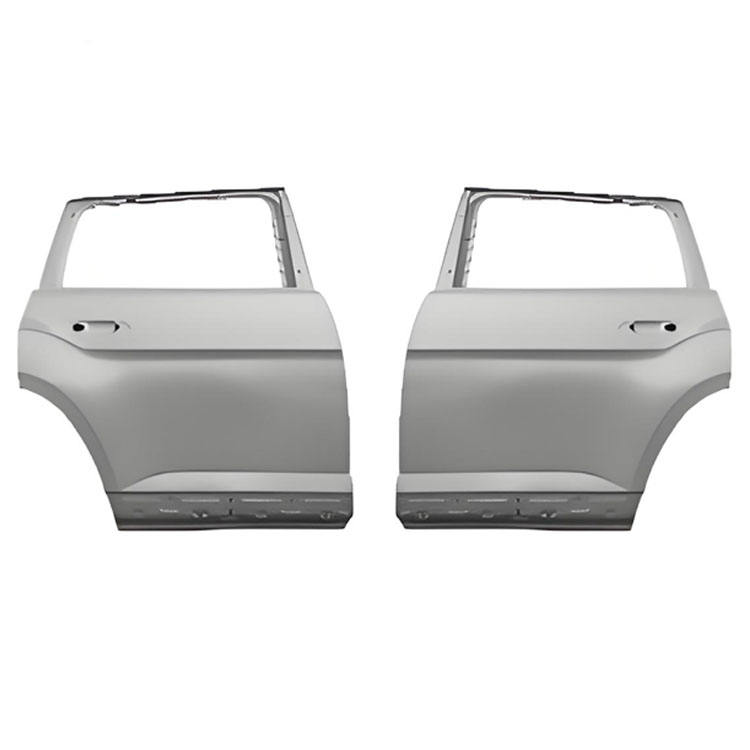
Detailed Architectural & Manufacturing Analysis
Fleet operators balancing capital expenditure against operational cost must evaluate the physical properties and manufacturing workflows of steel versus aluminum car doors. High-strength steel remains the default material for heavy-duty delivery vehicles and urban commercial fleets. Steel provides predictable impact performance, resistance to minor daily abrasion, and straight-forward structural straightening during collision repair. From a supply chain perspective, steel components benefit from mature deep-drawing processes and consistent raw material pricing, keeping wholesale procurement budgets stable.
Conversely, aluminum door assemblies utilize advanced alloys designed for high yield strength and corrosion resistance. The primary advantage rests in vehicle dynamics and operational efficiency: lighter door assemblies drop curb weight, directly reducing brake wear, tire degradation, and fuel consumption across high-mileage fleet lifecycles. However, aluminum stamping requires strict thermal management and precise die tolerances to prevent springback and structural cracking during production.
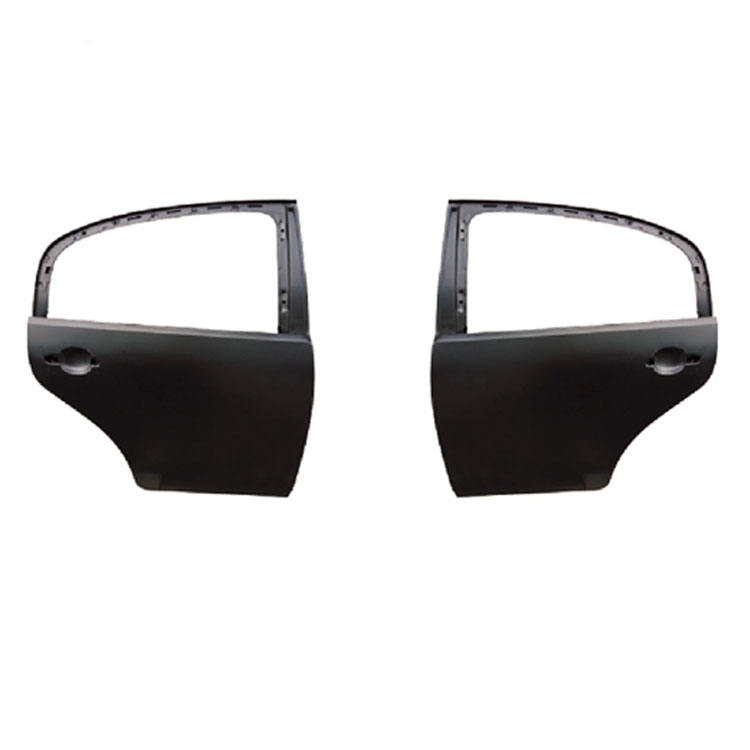
To guarantee seamless vehicle integration for international fleets across American and European car series, replacement door panels undergo thorough quality verification. Production standards rely on Visual Inspection, Coordinate Measuring Machine (CMM) dimensional checks, and Paint & Coating Testing to evaluate corrosion protection. These quality checks safeguard proper fitment with existing door hinges, weather seals, and latch mechanisms, preventing fluid leaks and acoustic noise in heavy-use fleet environments.
Data & Solution Comparison
| Evaluation Metric | Steel Car Doors | Aluminum Car Doors |
|---|---|---|
| Unit Procurement Cost | Lower baseline investment | Higher initial investment |
| Component Weight | Standard baseline weight | 30% to 40% weight reduction |
| Fleet Fuel Efficiency Impact | Moderate | High (Optimized payload / battery range) |
| Repair & Maintenance Complexity | Low (Standard body shop welding/pulling) | High (Requires specialized aluminum welding) |
| Quality Inspection Rigor | Visual, CMM, Paint & Coating Testing | Visual, CMM, Paint & Coating Testing |
| Primary Fleet Target | Urban commercial, heavy utility fleets | High-mileage, long-haul, and EV fleets |
Frequently Asked Questions (FAQ)
Q1: What are the typical MOQs and turnaround times for bulk car door orders?
A1: Standard production lines support a minimum order quantity (MOQ) of 5 pieces. Standard stock items are ready for container loading within 7 days, while custom OEM/ODM tooling timelines depend on mold design and order volume.
Q2: How is precise fitment guaranteed for bulk aftermarket replacement doors?
A2: Component molds are built against database specifications for American and German vehicle series. Quality control protocols combine CMM dimensional measurement and full pre-delivery visual inspections, accompanied by digital photo or video confirmation prior to shipment.
Q3: What logistics options and compliance certifications apply to overseas shipments?
A3: Global distribution supports FCL and LCL Sea Freight, Air Freight, Railway Transport, and International Express. Door products meet CE compliance standards and EPR registration requirements for European trade entry.
Final Conclusion & Recommendations
Selecting between steel and aluminum car doors requires evaluating upfront procurement constraints against long-term operational efficiency. Steel door assemblies provide maximum economic value and ease of maintenance for short-haul commercial vehicles operating in harsh urban environments. Aluminum door assemblies deliver long-term operational savings for high-mileage fleets and electric transport where weight reduction directly lowers fuel or energy expenditure. For detailed technical solutions or support, please reach out to us via sales01@cnkebel.com.
About Us
Danyang Wanjiang Auto Parts Co., Ltd. is a specialized manufacturer and exporter of automotive body components, including car doors, bumpers, grilles, headlights, engine hoods, and fenders. Established in 2023, the company operates a 10,000 square meter factory with 80 employees, delivering an annual export volume exceeding 500 containers with a 40% year-on-year growth rate. Supported by 18 years of OEM/ODM expertise, all products strictly meet CE standards to support North American and European automotive aftermarket clients.

Lastest
-
Can you manufacture a front bumper based on our proprietary 3D CAD files?
2026-08-10 -
Can you provide the DOT and SAE certification documents for this rear bumper?
2026-08-10 -
How many production lines do you dedicate to making this bumper upper?
2026-08-10 -
Is there an online portal to track aftermarket support for the front bumper assembly?
2026-08-10 -
What is the standard production lead time for a container of engine hoods?
2026-08-10
SUBSCRIBE
INQUIRY