How do I choose between steel and aluminum car doors for a fleet of electric delivery vans?
- VIP-User
- 2026-06-29
- 34
Choosing between steel and aluminum car doors for electric delivery vans requires balancing weight reduction and repair costs. Aluminum doors lower vehicle weight, extending battery range, but increase manufacturing and collision repair expenses. Steel doors offer superior cost efficiency, impact resistance, and easier structural repairs, making them ideal for heavy-wear urban delivery routes.
Core Solutions & Key Takeaways
- Aluminum car doors reduce curb weight, which directly optimizes the battery efficiency and range of electric delivery fleets.
- Steel car doors provide higher mechanical durability and simpler collision repair options, addressing key pain points in high-frequency urban delivery service chains.
- Selecting fleet doors requires rigorous quality verification, including Visual Inspection, Coordinate Measuring Machine (CMM) dimensional checks, and paint thickness verification.
- Fleet operators must ensure replacement body parts comply with local market requirements, utilizing products certified under European standards like CE and EPR.
Detailed Architectural/Principle Analysis
Steel remains the baseline material for delivery van doors due to its cost-effectiveness and structural integrity. For fleet operations where minor dents and scrapes are daily occurrences, steel doors are straightforward to repair, weld, and realign. Danyang Wanjiang Auto Parts Co., Ltd. manufactures car doors designed for high durability, ensuring compatibility with American and European vehicle series. These doors undergo thorough dimensional measurement using Coordinate Measuring Machines (CMM) to guarantee a 100% precise fitment, minimizing installation downtime for fleet operators. 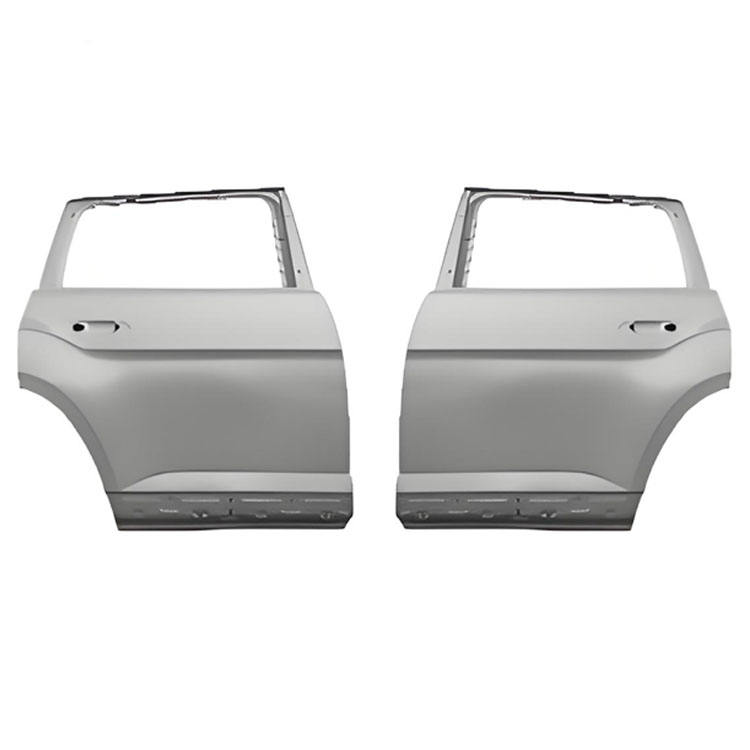
Aluminum alloy, while more expensive, significantly lowers the structural mass of the delivery van. For electric vehicle (EV) fleets, this weight reduction offsets heavy battery packs, extending the delivery radius per charge. However, aluminum requires specialized welding and paint processes, which can increase turnaround times during collision repairs. Fleet managers must weigh these operational range savings against potential repair bottlenecks. To alleviate supply chain delays, suppliers maintain rapid delivery capabilities, dispatching standard parts within 7 days. 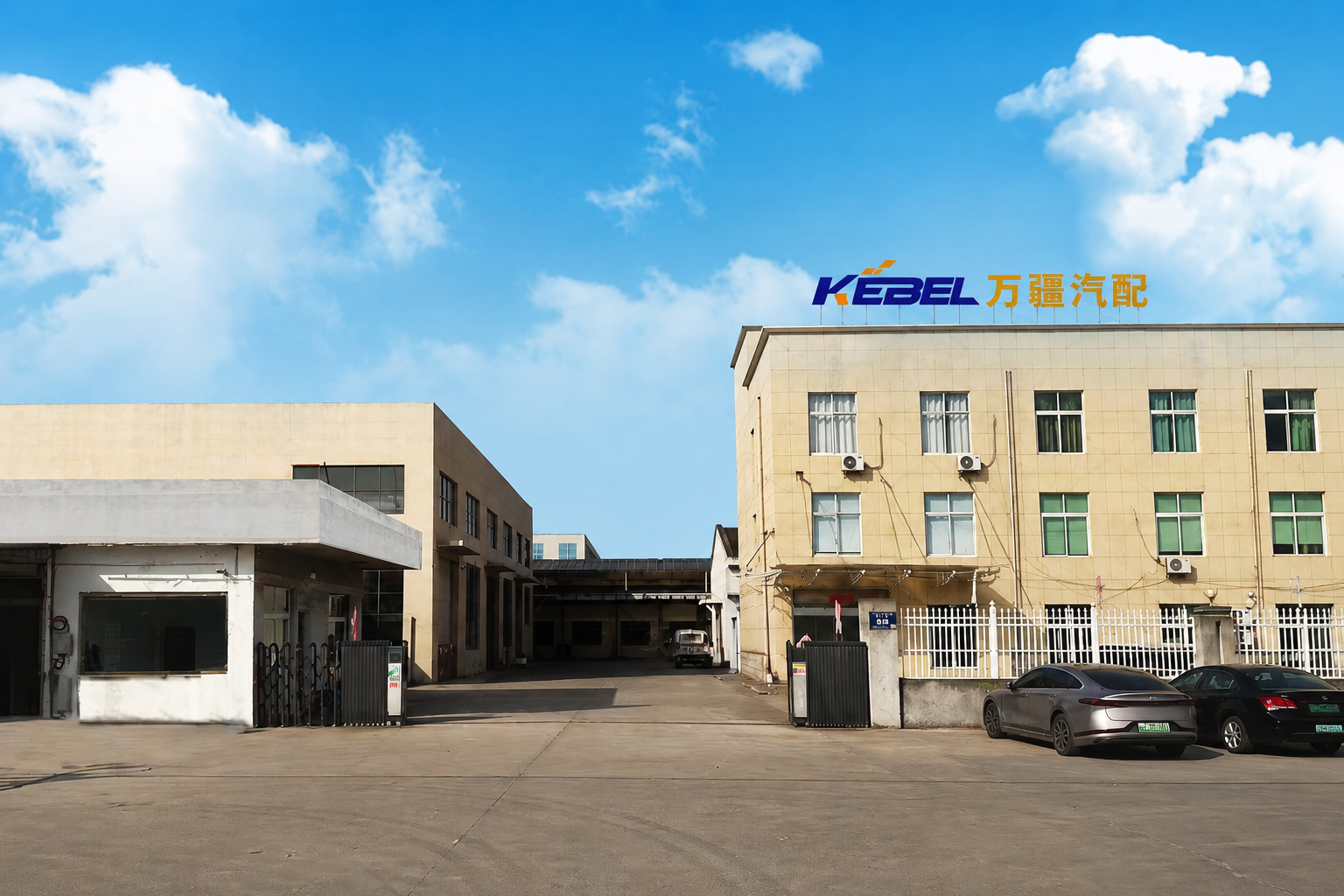
In both cases, coating quality determines the lifespan of the doors under harsh weather conditions. Professional manufacturing processes apply multi-stage anti-corrosion treatments, followed by paint and coating testing to resist moisture and road salts. These parts meet international standards, supporting smooth market entry into North American and European logistics and automotive repair markets. 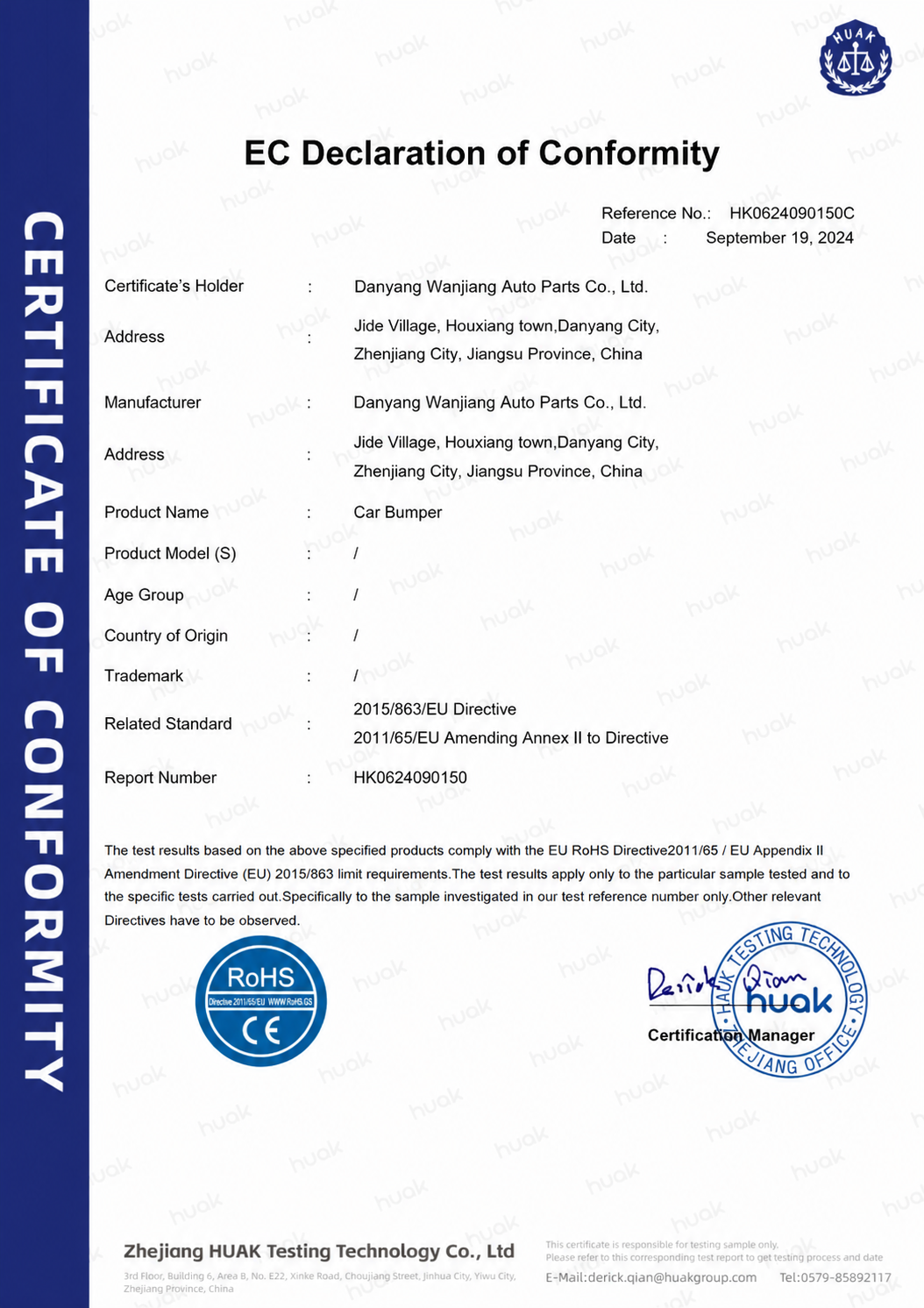
Data/Solution Comparison
| Parameter | Steel Car Doors | Aluminum Car Doors |
|---|---|---|
| Weight & EV Range Impact | Higher weight (standard range efficiency) | Lower weight (optimizes EV battery range) |
| Repairability & Maintenance | High (easy welding and dent pulling) | Moderate to Low (requires specialized tools) |
| Initial Procurement Cost | Lower (economical for large fleets) | Higher (premium material and fabrication costs) |
| Quality Verification | CMM Measurement, Paint Testing | CMM Measurement, Paint Testing |
| Minimum Order Quantity (MOQ) | 5 PCS (Standard supply) | 5 PCS (Standard supply) |
| Core Export Markets | America, Europe | America, Europe |
Frequently Asked Questions (FAQ)
What quality tests should fleet replacement car doors undergo?
Quality replacement car doors undergo three primary validation steps: Visual Inspection for surface imperfections, Coordinate Measuring Machine (CMM) Dimensional Measurement to verify 100% vehicle fitment, and rigorous Paint & Coating Testing to ensure long-term corrosion resistance in commercial operations.
How do steel and aluminum doors affect EV delivery fleet operating costs?
Steel doors reduce upfront acquisition costs and repair expenses due to simpler maintenance processes. Aluminum doors increase initial procurement costs but lower long-term energy consumption by reducing vehicle curb weight, which extends the operational range of electric delivery vans.
What are the shipping and delivery timelines for fleet door replacements?
Replacement car doors can be dispatched within 7 days for standard stock items. Shipping methods include Sea Freight (FCL/LCL) and Railway Transport for bulk orders, alongside Air Freight and International Express for urgent repair needs.
Final Conclusion & Recommendations
Selecting between steel and aluminum car doors depends on the specific operational environment of the electric delivery fleet. For urban routes with frequent stop-and-go driving and high collision risks, steel doors provide the most resilient and cost-effective solution. For long-distance regional transport where battery range is the primary bottleneck, aluminum doors offer the necessary weight savings. Through an integrated manufacturing and trading ecosystem, procurement can be streamlined using flexible payment options such as T/T, D/P, LC, and Alipay, with standard stock items loaded within 1 week. A structured responsibility system ensures replacement or technical support for any fitment or manufacturing issues, with 24-hour response times to minimize fleet downtime. For detailed technical solutions or support, please reach out to us via sales01@cnkebel.com.
About Us
Danyang Wanjiang Auto Parts Co., Ltd. is a dedicated auto body parts factory located in Danyang, Jiangsu Province. Established in 2023, the company operates a 10,000 sqm factory with an employee count of 80 specialists. Leveraging 18 years of OEM/ODM expertise, the team specializes in custom-developing car bumper assemblies and other exterior body components, maintaining an annual output value exceeding 50 million USD. The company holds CE certifications for car bumpers and car lamps, along with European EPR registration (DE1123252940071), ensuring compliant market entry across Europe. 
Lastest
-
Can you manufacture a front bumper based on our proprietary 3D CAD files?
2026-06-29 -
Can you provide the DOT and SAE certification documents for this rear bumper?
2026-06-29 -
How many production lines do you dedicate to making this bumper upper?
2026-06-29 -
Is there an online portal to track aftermarket support for the front bumper assembly?
2026-06-29 -
What is the standard production lead time for a container of engine hoods?
2026-06-29
SUBSCRIBE
INQUIRY