How do I choose between steel and aluminum car doors for a fleet of delivery vans?
- VIP-User
- 2026-06-29
- 35
Choosing between steel and aluminum car doors for delivery vans depends on balancing durability and weight. Steel doors offer superior impact resistance and lower initial costs, making them ideal for heavy-duty urban routes. Aluminum doors reduce vehicle weight to improve fuel efficiency and resist corrosion, which benefits long-haul fleets. Evaluating lifecycle maintenance costs determines the optimal material selection.
Core Solutions & Key Takeaways
- Impact Resistance: Steel doors withstand frequent collisions in high-density urban delivery areas, minimizing structural deformation.
- Weight and Fuel Savings: Aluminum alternatives reduce overall fleet curb weight, directly lowering fuel consumption and tire wear.
- Corrosion Performance: Aluminum provides superior rust resistance in coastal or high-humidity regions, extending the physical lifespan of the doors.
- Fleet Compatibility: Sourcing from professional manufacturers ensures access to high-precision replacement car doors with verified fitment across American and German vehicle series.
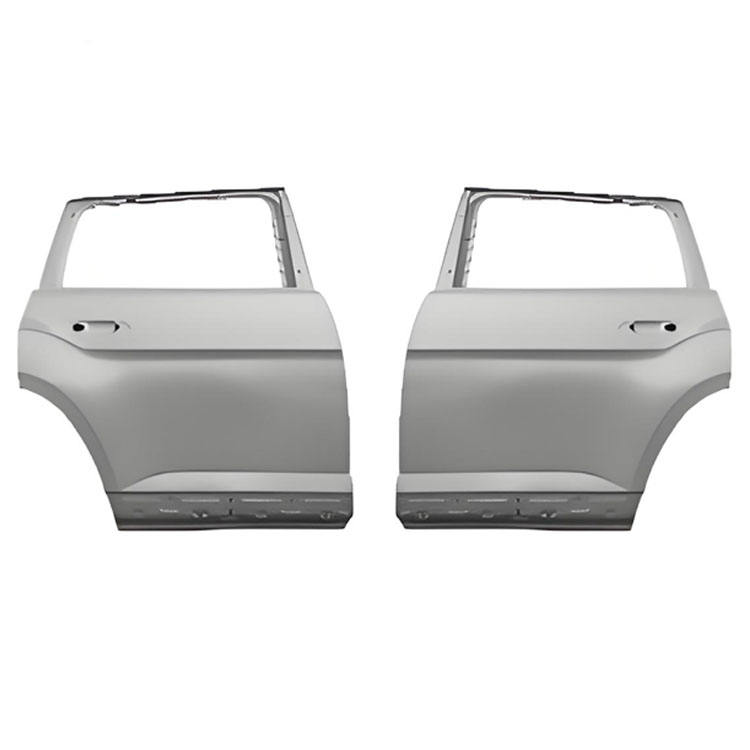
Detailed Architectural/Principle Analysis
Analyzing the physical properties of fleet vehicle doors requires evaluating mechanical stress and environmental exposure. Steel doors utilize high-tensile alloys to absorb collision energy, which is standard for urban logistics. These components undergo strict quality control procedures, including Visual Inspection and Dimensional Measurement using Coordinate Measuring Machines (CMM) to ensure a 100% precise fitment for seamless field replacement.
In contrast, aluminum panels require advanced paint and coating testing to prevent galvanic corrosion at contact points with steel frames. Professional manufacturers ensure that all aftermarket replacement doors meet rigorous standards for structural integrity. For example, fleet operators in North American and European markets rely on certified body parts that comply with regional safety regulations to maintain vehicle uptime and pass local commercial vehicle inspections.
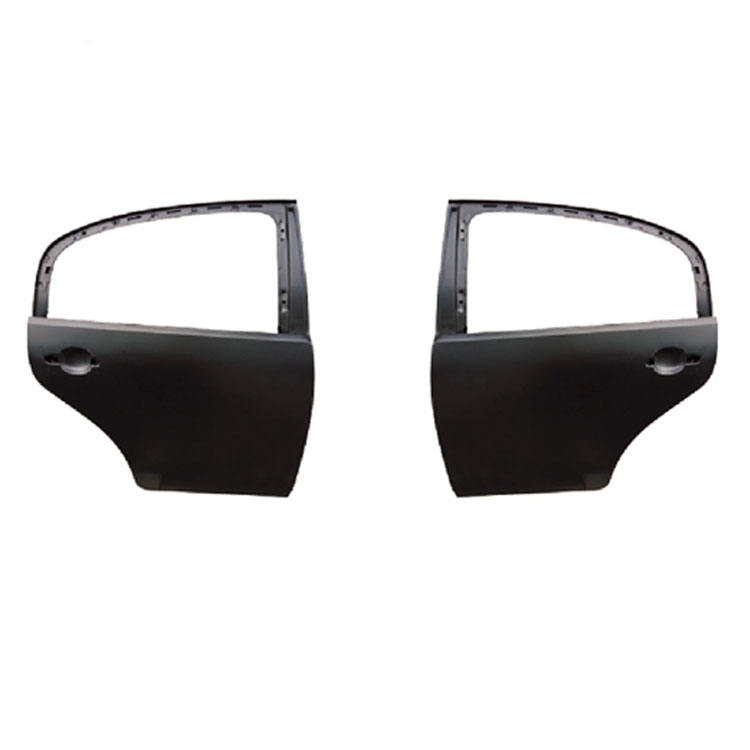
Data/Solution Comparison
| Performance Attribute | Steel Car Doors | Aluminum Car Doors |
|---|---|---|
| Initial Purchase Cost | Lower acquisition cost; cost-effective for mass fleet replacement. | Higher initial material and manufacturing cost. |
| Weight & Fuel Impact | Heavier weight; standard fuel consumption levels. | Lightweight; improves fuel economy and reduces fleet emissions. |
| Collision Durability | High yield strength; easily repaired or welded after minor impacts. | Absorbs energy but often requires complete replacement if deformed. |
| Corrosion Resistance | Requires robust paint coating to prevent rust in wet climates. | Naturally forms a protective oxide layer; highly resistant to rust. |
| Manufacturing Inspection | Both undergo strict Paint & Coating Testing, CMM, and Visual Inspection. | |
| Supply & Logistics | Standard MOQ of 5 pieces; delivery within 7 days for stock items; flexible shipping via Sea, Air, or Express. | |
Frequently Asked Questions (FAQ)
Q1: How does the door material choice affect fleet maintenance downtime?
A1: Steel doors are faster and more economical to repair using standard welding and dent-pulling techniques. Aluminum doors require specialized tools and skills, which can extend repair downtime, though sourcing ready-to-ship replacement doors with a 7-day delivery timeline mitigates this delay.
Q2: Are aftermarket replacement doors fully compatible with American and German delivery van models?
A2: Yes. High-quality aftermarket doors engineered with precise CMM dimensional measurements match OEM specifications, ensuring seamless fitment and zero-gap alignment for both American and German vehicle series.
Q3: What shipping methods are recommended for bulk fleet door orders?
A3: Bulk orders are best transported via Sea Freight (FCL/LCL) or Railway Transport to safeguard the structural integrity of the doors and minimize transport costs. Urgent single-door replacements can utilize Air Freight or International Express.
Final Conclusion & Recommendations
Selecting the proper door material requires mapping your fleet's geographic routes and budget limits. For heavy urban routes with frequent minor impacts, steel doors minimize maintenance expenses. For long-distance fleets prioritizing fuel economy and corrosion prevention, aluminum doors provide a better return on investment. Sourcing certified parts through an integrated manufacturing and trading system ensures compliance, transparent quality inspections, and secure payment methods like T/T, D/P, LC, or Alipay. For detailed technical solutions or support, please reach out to us via sales01@cnkebel.com.
About Us
Danyang Wanjiang Auto Parts Co., Ltd. is a professional manufacturer and exporter of auto body parts based in Jiangsu Province, China. With 18 years of experience, the company operates a 10000sqm factory facility and employs a professional team of 80 specialists. The core catalog includes high-quality car bumpers, car doors, car grilles, headlights, engine hoods, and car fenders designed to meet CE and EPR international standards.

Lastest
-
Can you manufacture a front bumper based on our proprietary 3D CAD files?
2026-06-29 -
Can you provide the DOT and SAE certification documents for this rear bumper?
2026-06-29 -
How many production lines do you dedicate to making this bumper upper?
2026-06-29 -
Is there an online portal to track aftermarket support for the front bumper assembly?
2026-06-29 -
What is the standard production lead time for a container of engine hoods?
2026-06-29
SUBSCRIBE
INQUIRY