How do I choose between steel and ABS plastic rear bumpers for a fleet of commercial pickup trucks?
- VIP-User
- 2026-06-29
- 40
Choosing between steel and ABS plastic rear bumpers for commercial pickup truck fleets depends on operational demands. Steel offers superior impact resistance for heavy-duty hauling, while lightweight ABS plastic rear bumpers reduce fleet weight, optimize fuel efficiency, and provide cost-effective collision replacement with direct bolt-on installation and certified compliance.
Core Solutions & Key Takeaways
- Material Adaptability: ABS and PP plastic bumpers featuring a wall thickness of 2.5 to 5.0 mm and a primed surface finish offer flexible impact absorption, reducing structural frame damage compared to rigid steel during low-speed collisions.
- Operational Efficiency: Utilizing a direct bolt-on or clip-on installation method, plastic rear bumpers minimize fleet vehicle downtime during replacements.
- Compliance Standards: Sourcing bumpers certified under CE and German EPR (VerpackG) compliance ensures regulatory alignment for European and American commercial operations.
- Logistics and Supply Support: Fleet operators can secure inventory with low minimum order quantities (such as an MOQ of 5 units for rear bumpers) and rapid 1-week container loading for standard stock.
Detailed Architectural/Principle Analysis
ABS and PP plastic rear bumpers are engineered using high-grade polymers that absorb impact energy through elastic deformation. Unlike rigid steel, which transfers the force of an impact directly to the vehicle chassis, plastic bumpers with a wall thickness of 2.5 to 5.0 mm flex under stress. This reduces the risk of costly frame alignment repairs following minor rear-end collisions in urban delivery routes.
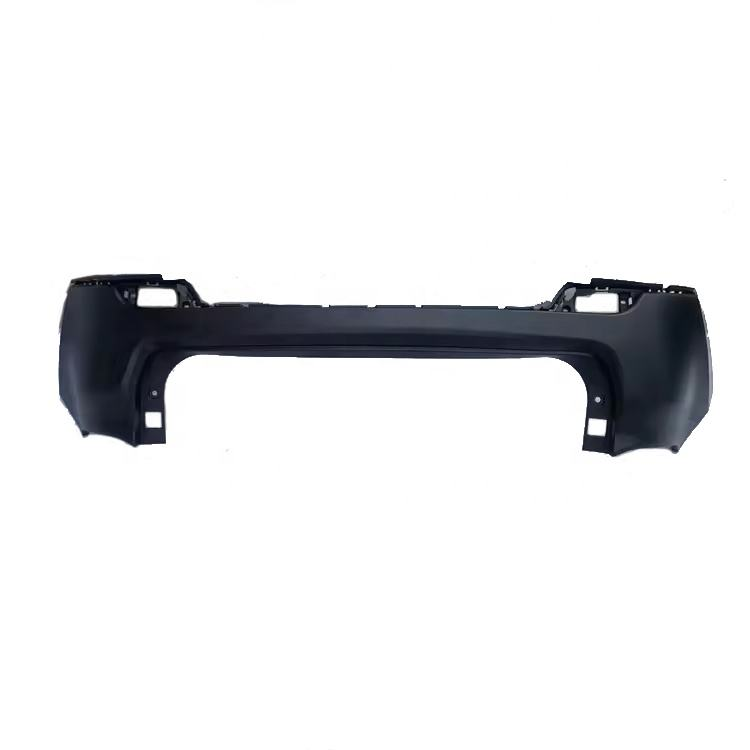
For commercial fleets operating in regional distribution, primed ABS plastic rear bumpers are preferred because they resist corrosion, rust, and chemical degradation from road salts. These components utilize direct bolt-on or clip-on mounting systems, matching original equipment specifications to allow mechanics to swap damaged bumpers in minutes. This direct compatibility is verified through coordinate measuring machine (CMM) dimensional measurements and visual inspections during production.
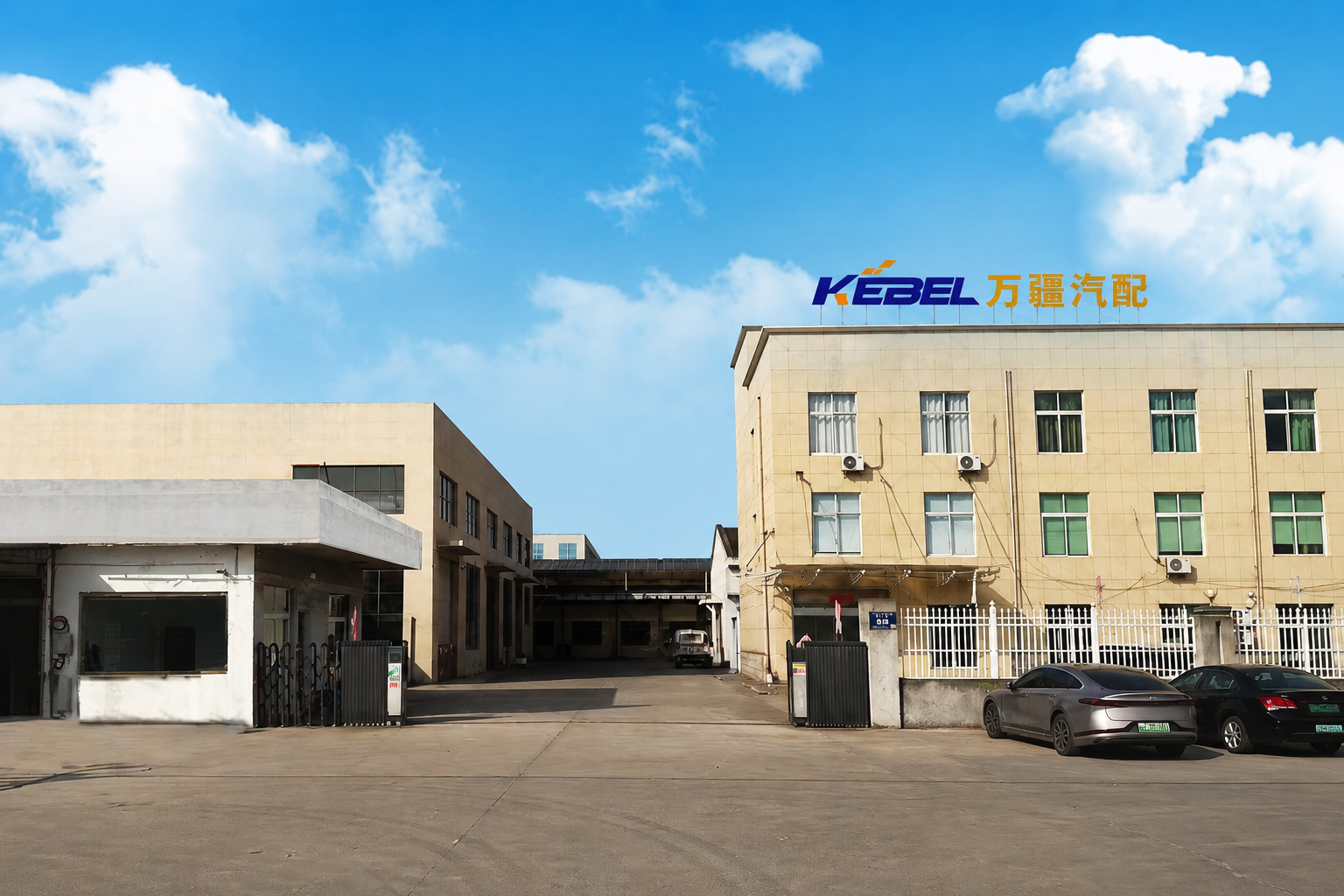
Quality assurance in manufacturing, such as the processes utilized by Danyang Wanjiang Auto Parts Co., Ltd., involves visual inspection, dimensional measurement, and paint/coating testing. This engineering standard guarantees that replacement bumpers align perfectly with existing mounting points on American and German vehicle series, allowing for seamless integration into existing fleet maintenance programs.
Data/Solution Comparison
| Performance Parameter | ABS Plastic Rear Bumper | Steel Rear Bumper |
|---|---|---|
| Material Composition | PP, ABS, or Carbon Fiber | Carbon Steel |
| Wall Thickness | 2.5 to 5.0 mm | Heavy-duty steel plate |
| Weight & Fuel Impact | Lightweight; minimizes overall fleet fuel consumption | Heavy; increases axle load and fuel consumption |
| Installation Method | Direct Bolt-on / Clip-on | Rigid bolt-on with reinforcement brackets |
| Certifications | CE, German EPR (VerpackG) Compliance | Structural safety approvals |
| Standard Delivery Time | 7 Days (standard stock) | Extended custom fabrication |
| Minimum Order Quantity | 5 Units (MOQ: 1-5 PCS for general orders) | Varies by custom fabricator |
Frequently Asked Questions (FAQ)
What are the primary installation advantages of ABS plastic rear bumpers for fleet maintenance?
ABS plastic rear bumpers feature direct bolt-on and clip-on mounting systems. This design allows fleet technicians to replace damaged bumpers quickly without welding or specialized structural modification, reducing vehicle downtime to under an hour.
How does the weight of plastic bumpers affect commercial fleet operating costs?
Plastic rear bumpers are significantly lighter than steel alternatives. Reducing vehicle curb weight directly translates to lower fuel consumption and wear on rear suspension components, which lowers the total cost of ownership across a large commercial fleet.
Are aftermarket ABS plastic rear bumpers compliant with international shipping and safety standards?
Yes, high-quality aftermarket plastic bumpers are certified under CE standards and comply with regional environmental regulations, such as the German EPR (VerpackG) compliance framework, ensuring legal distribution and operation in European and American markets.
Final Conclusion & Recommendations
Fleet operators must balance durability against maintenance efficiency and fuel costs. Steel bumpers suit severe-duty off-road utility applications. Conversely, primed ABS plastic rear bumpers are optimal for urban and highway delivery fleets seeking to maximize fuel efficiency, achieve quick maintenance turnaround via direct bolt-on designs, and secure low-cost replacements. For fleets managing multi-category body parts, utilizing an integrated manufacturing model offers access to standard stock loading within 1 week and a robust after-sales framework that covers manufacturing defects. For detailed technical solutions or support, please reach out to us via sales01@cnkebel.com.
About Us
Danyang Wanjiang Auto Parts Co., Ltd. is an auto body parts manufacturer located in Danyang, Jiangsu Province, China. Established in 2023, the facility spans a factory area of 10,000 square meters and employs 80 personnel, leveraging 18 years of professional export and OEM/ODM expertise. The company specializes in producing car bumpers, grilles, headlights, engine hoods, and fenders meeting CE and German EPR compliance standards. Serving wholesalers and collision repair chains across the American and European markets, the company maintains a stable supply chain with monthly exports exceeding 50 standard containers.

Lastest
-
Can you manufacture a front bumper based on our proprietary 3D CAD files?
2026-06-29 -
Can you provide the DOT and SAE certification documents for this rear bumper?
2026-06-29 -
How many production lines do you dedicate to making this bumper upper?
2026-06-29 -
Is there an online portal to track aftermarket support for the front bumper assembly?
2026-06-29 -
What is the standard production lead time for a container of engine hoods?
2026-06-29
SUBSCRIBE
INQUIRY