How do I choose between PP and ABS materials when sourcing a bumper upper for cold climates?
- VIP-User
- 2026-06-30
- 41
Sourcing a bumper upper for cold climates requires choosing Polypropylene (PP) over Acrylonitrile Butadiene Styrene (ABS). PP offers superior low-temperature impact resistance and high flexibility, preventing shattering in freezing conditions, whereas ABS becomes brittle and prone to cracking under sub-zero stress.
Core Solutions & Key Takeaways
- Low-Temperature Resilience: Polypropylene (PP) maintains elastomeric flexibility at temperatures down to -40°C, ensuring high resistance to fracturing upon impact.
- Design Specifications: A standard car front bumper upper with a wall thickness of 2.5 mm to 5.0 mm optimizes structural rigidity and energy absorption.
- Regulatory Standards: Components must hold valid CE certifications and comply with EPR regulations, such as Germany's VerpackG, to verify material safety and market entry compliance.
- Procurement Optimization: Utilizing suppliers with low minimum order quantities (MOQ of 5 pieces) and ready-to-ship stock mitigates inventory risks for seasonal collision repair demands.
Detailed Architectural/Principle Analysis
In sub-zero temperatures, the physical properties of plastics shift significantly. Polypropylene (PP) functions as a semi-crystalline thermoplastic with a relatively low glass transition temperature. When formulated with impact modifiers, PP retains its ductile properties in cold climates, allowing the bumper upper to deform and absorb energy rather than breaking. This is particularly valuable for protecting front-end automotive modules during winter collisions.
Conversely, Acrylonitrile Butadiene Styrene (ABS) is an amorphous polymer. Although ABS provides high tensile strength and superior surface hardness in moderate conditions, it undergoes a severe reduction in impact strength in sub-zero environments. The material becomes highly notch-sensitive, meaning minor stone impacts or stress concentrated around mounting clips can trigger rapid crack propagation.
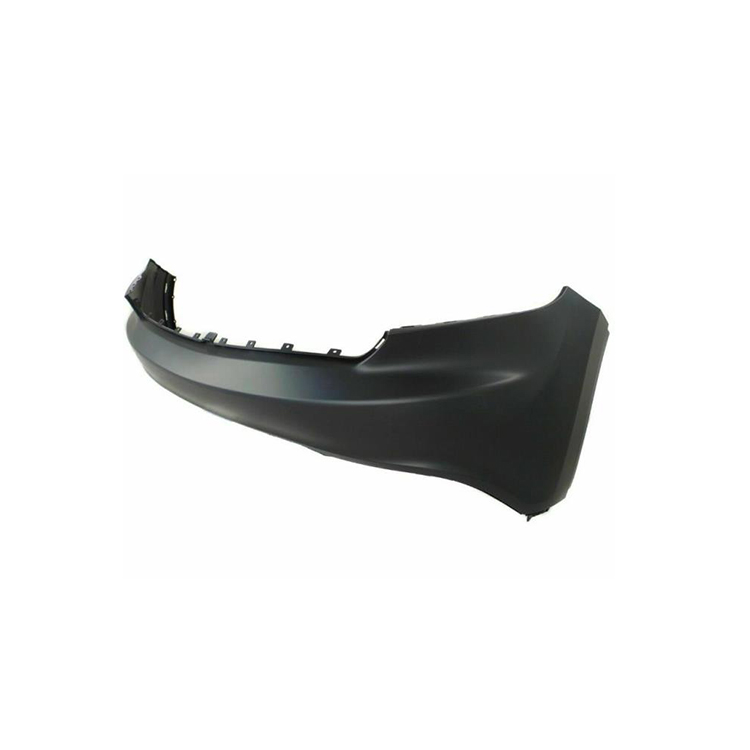
To ensure perfect fitment and prevent paint peeling under thermal contraction, advanced manufacturing processes rely on precise tooling. Manufacturers like Danyang Wanjiang Auto Parts Co., Ltd. utilize comprehensive CAD databases to match exact OEM specifications for American and German vehicle series. This precision ensures that either the direct bolt-on or clip-on installation systems function reliably without placing mechanical stress on the plastic substrate during cold-weather assembly.
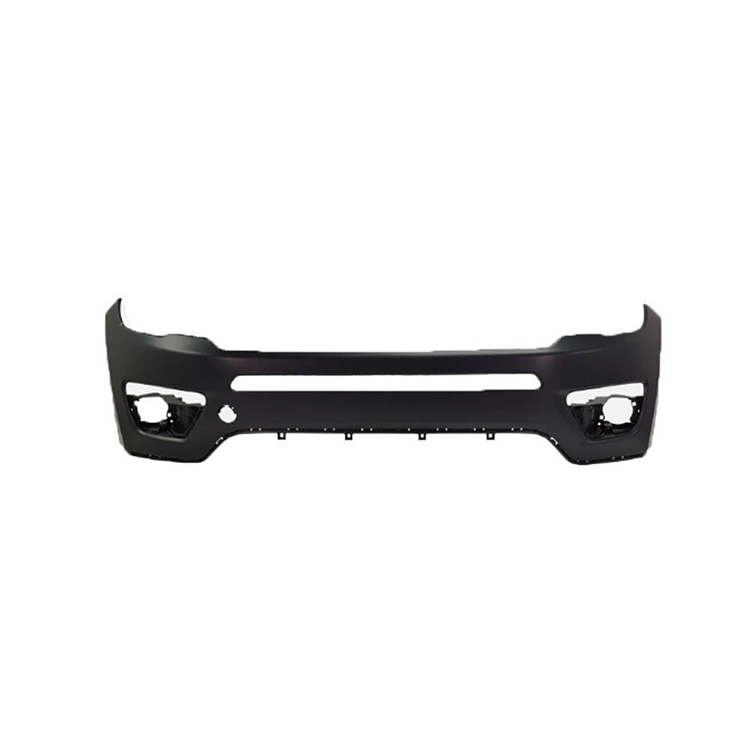
Quality control systems must validate physical performance before shipment. This involves systematic visual inspections, dimensional measurements via Coordinate Measuring Machines (CMM), and specialized paint and coating testing to confirm that the primed surface finish remains adhered to the substrate during thermal cycling.
Data/Solution Comparison
| Property / Specification | Polypropylene (PP) Bumper Upper | Acrylonitrile Butadiene Styrene (ABS) Bumper Upper |
|---|---|---|
| Low-Temperature Impact Resistance | High (retains flexibility down to -40°C) | Low (becomes brittle and prone to shattering) |
| Wall Thickness Range | 2.5 mm – 5.0 mm | 2.5 mm – 5.0 mm |
| Surface Finish | Primed (requires adhesion promoters) | Primed (excellent direct paint adhesion) |
| Installation System | Direct Bolt-on / Clip-on | Direct Bolt-on / Clip-on |
| Primary Climate Suitability | Extreme cold and variable thermal regions | Temperate climates with low impact risks |
| Compliance & Certifications | CE (HK0624090150C), Germany EPR | CE, Germany EPR |
Frequently Asked Questions (FAQ)
How does wall thickness affect bumper upper performance in cold weather?
A wall thickness between 2.5 mm and 5.0 mm ensures the component maintains its structural integrity without becoming overly rigid. Insufficient thickness leads to warping under cold thermal contraction, while excessive thickness adds unnecessary weight and stress during molding.
Why is a primed surface finish recommended for cold climate bumper uppers?
A professional primed surface finish acts as a protective barrier. It shields the raw polymer from UV degradation, road salt absorption, and moisture penetration, which can accelerate material aging and fracturing in freezing winter environments.
Are there differences in installing PP versus ABS bumper uppers in low temperatures?
Yes. PP remains flexible, allowing the mounting tabs to flex slightly during a direct bolt-on or clip-on installation. ABS mounting tabs become stiff and fragile in cold temperatures, increasing the risk of shearing or snapping during assembly if not handled in a heated environment.
Final Conclusion & Recommendations
For automotive collision repair and distribution networks in cold-climate regions, choosing impact-modified Polypropylene (PP) for car front bumper uppers is the optimal engineering choice to prevent cold-shattering. When sourcing these components, partnering with manufacturers that utilize comprehensive CMM dimensional testing and provide pre-delivery full inspections reduces fitment errors. Standardizing on products backed by CE and EPR compliance ensures smooth customs clearance and regulatory alignment. For detailed technical solutions or support, please reach out to us via sales01@cnkebel.com.
About Us
Danyang Wanjiang Auto Parts Co., Ltd. is a professional exporter of auto body parts based in Danyang, Jiangsu Province. Established in 2023, the enterprise operates a 10,000 square meter factory staffed by 80 employees, specializing in car bumper production alongside grilles, headlights, engine hoods, and fenders. Backed by 18 years of OEM/ODM expertise and an annual output value exceeding 50 million USD, the company maintains robust production capabilities, shipping over 500 containers annually to American and European markets. Its products strictly meet CE (Certificates HK0624090150C, HK0624090149C) and EPR standards, serving international auto parts wholesalers, regional distributors, and collision repair chains.

Lastest
-
Can you manufacture a front bumper based on our proprietary 3D CAD files?
2026-06-30 -
Can you provide the DOT and SAE certification documents for this rear bumper?
2026-06-30 -
How many production lines do you dedicate to making this bumper upper?
2026-06-30 -
Is there an online portal to track aftermarket support for the front bumper assembly?
2026-06-30 -
What is the standard production lead time for a container of engine hoods?
2026-06-30
SUBSCRIBE
INQUIRY