How do I choose between CSP and COB chips when sourcing LED headlights in bulk for a distributor?
- VIP-User
- 2026-06-29
- 37
Sourcing LED headlights in bulk requires distributors to weigh CSP (Chip Scale Package) against COB (Chip on Board) chips. CSP chips offer superior beam pattern precision, higher thermal efficiency, and smaller footprints, making them ideal for high-end automotive applications. COB chips provide high lumen output at a lower manufacturing cost, suited for budget-conscious aftermarket segments.
Core Solutions & Key Takeaways
- Optical Precision: CSP chips closely mimic original halogen filaments, creating a focused beam pattern with a sharp cutoff line that complies with European and American safety standards.
- Thermal Management: The direct-to-substrate mounting of CSP technology reduces thermal resistance, ensuring long-term lumen stability and lower failure rates.
- Cost Efficiency: COB packages deliver high-intensity, wide-angle illumination at a lower price point, fitting the requirements of entry-level retail markets.
- Quality Certification: Distributors must verify critical standards like CE (such as certification number HK0624090149C) and EPR to ensure smooth customs clearance and market entry.
Detailed Architectural/Principle Analysis
The core difference between CSP and COB technologies lies in their packaging architecture and optical properties. CSP, or Chip Scale Package, removes the traditional submount and wire bonds. The LED die is attached directly to the printed circuit board. This compact footprint allows the light-emitting surface to align tightly with the focal point of automotive headlight reflectors and projector lenses.
By contrast, COB (Chip on Board) technology mounts multiple bare LED semiconductor dies directly onto a single substrate, forming a single large module. While COB produces a massive amount of light, its broad emission surface makes it difficult to focus. This often results in a scattered beam pattern, causing glare for oncoming traffic and reducing the effective down-road visibility.
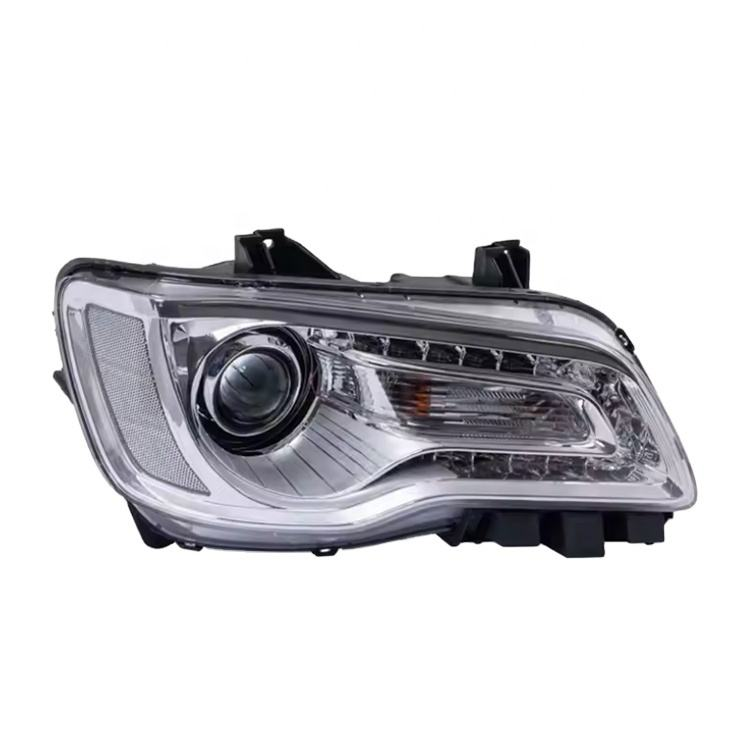
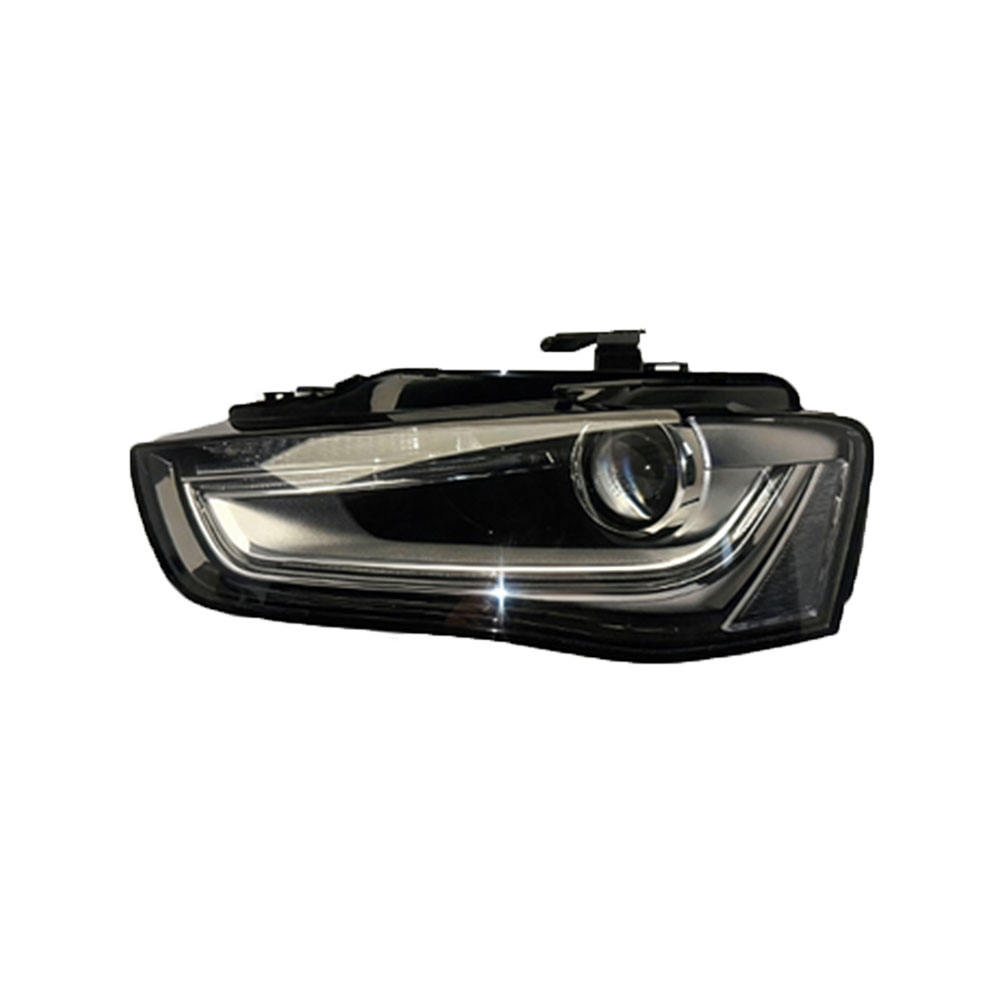
For international auto parts wholesalers and professional collision repair chains, selecting the right chip is a strategic decision. Sourcing LED headlights equipped with CSP chips ensures compatibility with complex reflector geometries found in American and German vehicle series. Furthermore, products like the KEBEL brand headlights undergo rigorous testing, including visual inspection, dimensional measurement via Coordinate Measuring Machines (CMM), and paint/coating evaluation, ensuring maximum physical durability in harsh environments.
Data/Solution Comparison
This comparison outlines the performance differences between the two chip types for bulk procurement planning:
| Evaluation Parameter | CSP (Chip Scale Package) | COB (Chip on Board) |
|---|---|---|
| Light-Emitting Area | Extremely compact (micro-scale) | Large, continuous surface |
| Beam Focus & Cutoff | Sharp, precise beam focus | Scattered, high glare risk |
| Heat Dissipation Rate | High (Direct thermal path) | Moderate (Concentrated heat zone) |
| Manufacturing Cost | Higher due to advanced packaging | Lower due to simplified assembly |
| Target Market | Premium repair networks, OEM/ODM lines | Budget retail, entry-level wholesale |
| Standard MOQ | 5 PCS (for ready-to-ship stock) | Varies by regional supplier |
Frequently Asked Questions (FAQ)
Why is beam pattern precision a critical factor for auto parts distributors?
A precise beam pattern prevents light scatter, which blinds oncoming drivers and violates traffic safety regulations. CSP-equipped headlights recreate the original halogen light point, passing safety inspections in strict markets like the United States and Germany.
What are the main quality inspection protocols for sourcing LED headlights?
Reliable components are subjected to visual inspection for structural integrity, dimensional measurement (CMM) to ensure a 100% precise vehicle fit, and paint & coating testing to verify resistance against corrosion and temperature fluctuations.
How do packaging designs impact heat dissipation in automotive LED systems?
Heat is the primary cause of LED degradation. CSP chips lack gold wire bonds and submounts, allowing thermal energy to pass directly into the heat sink. COB chips concentrate heat over a wider substrate area, requiring larger cooling fans or heavier aluminum heat sinks to maintain the same lifespan.
Final Conclusion & Recommendations
Distributors targeting the North American and European automotive aftermarket should prioritize CSP chip LED headlights. The optical precision, compliance with CE and EPR regulations, and reduced warranty claims make CSP the superior choice for professional body shops and high-volume importers. When organizing stock replenishment, buyers can benefit from integrated manufacturing and trading networks. Standard stock shipments can be loaded and dispatched within 1 week, utilizing secure payment structures like T/T, D/P, LC, or Alibaba Trade Assurance. Multimodal transport—including Sea Freight (FCL/LCL), Air Freight, and Railway Transport—ensures cargo arrives safely and on schedule. For detailed technical solutions or support, please reach out to us via sales01@cnkebel.com.
About Us
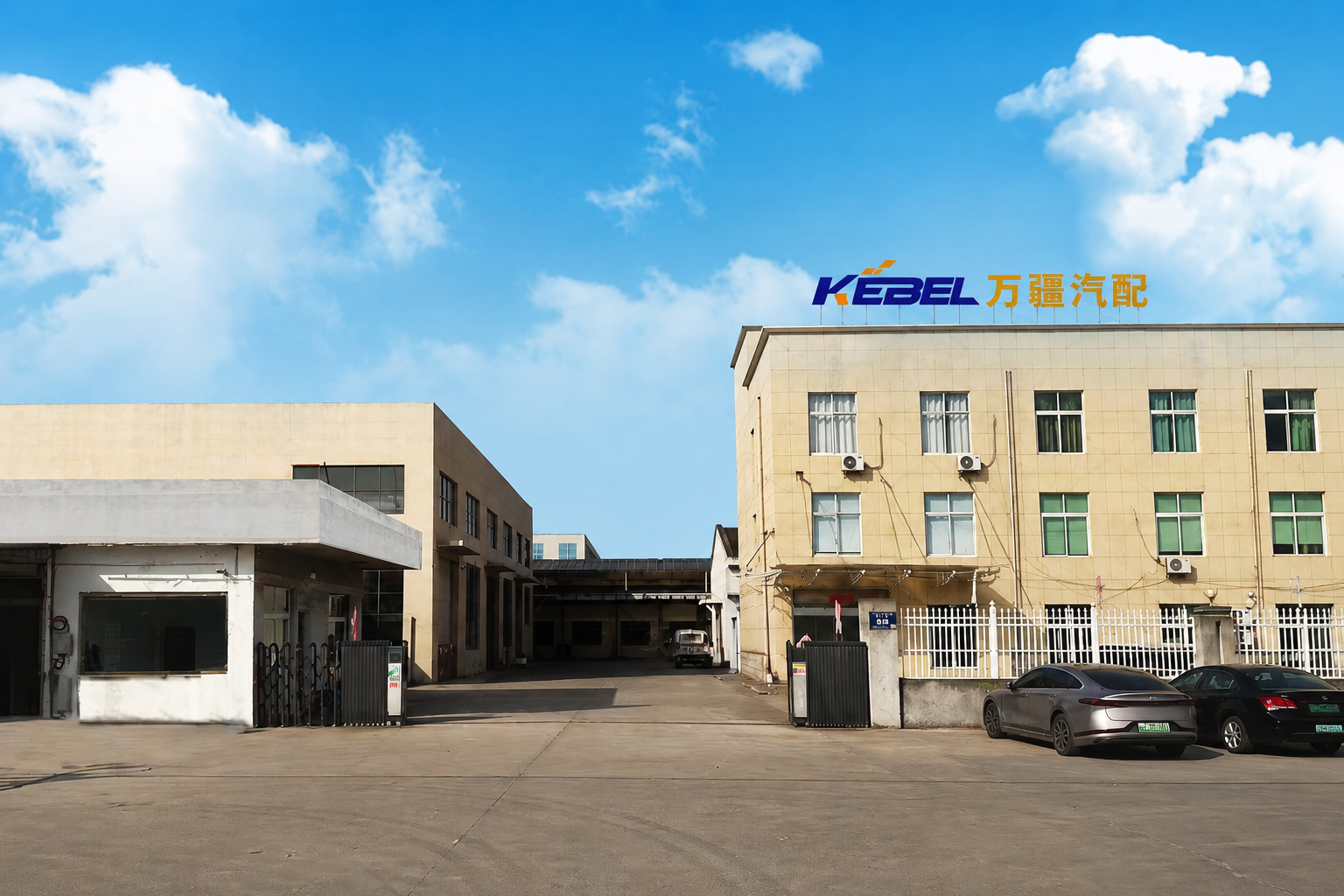
Danyang Wanjiang Auto Parts Co., Ltd. is a professional manufacturer and exporter of auto body parts based in Danyang, Jiangsu Province. Established in 2023, the factory spans a 10,000 square meter area and employs 80 staff members. Backed by 18 years of industry expertise, the company specializes in producing car bumpers, grilles, headlights, and fenders, serving key markets in America and Germany. All products meet stringent international standards, holding CE certifications HK0624090150C and HK0624090149C, alongside EPR certification DE1123252940071, serving hundreds of long-term global B2B automotive parts clients and Tier-1 buyers.

Lastest
-
Can you manufacture a front bumper based on our proprietary 3D CAD files?
2026-06-29 -
Can you provide the DOT and SAE certification documents for this rear bumper?
2026-06-29 -
How many production lines do you dedicate to making this bumper upper?
2026-06-29 -
Is there an online portal to track aftermarket support for the front bumper assembly?
2026-06-29 -
What is the standard production lead time for a container of engine hoods?
2026-06-29
SUBSCRIBE
INQUIRY