How do I choose between aluminum and steel engine hoods for fleet maintenance to balance weight and durability?
- VIP-User
- 2026-06-29
- 35
Choosing between aluminum and steel engine hoods for fleet maintenance depends on balancing fuel efficiency and impact durability. Aluminum hoods reduce vehicle weight, improving fuel economy and lowering front-axle wear, making them ideal for high-mileage fleets. Steel hoods offer superior structural impact resistance and lower upfront replacement costs, making them the preferred choice for heavy-duty or budget-conscious fleet operations.
Core Solutions & Key Takeaways
- Weight Reduction vs. Fuel Efficiency: Aluminum engine hoods decrease overall front-axle load, which lowers tire wear and reduces fuel consumption. This makes them highly suitable for long-haul transport and high-mileage delivery fleets.
- Impact Resistance and Cost-Efficiency: Steel engine hoods provide high tensile strength and superior resistance to physical impacts in harsh working environments. They are also easier to repair and carry a lower initial purchase price, optimizing fleet maintenance budgets.
- Fitment and Compatibility: Fleet operators must ensure replacement parts match exact OEM specifications. Sourcing hoods with a 100% precise fitment for American and German vehicle series minimizes installation downtime during collision repairs.
- Rapid Supply Chain Turnaround: Selecting manufacturers with a robust stock capacity reduces vehicle-off-road (VOR) time. Utilizing standard stock dispatch channels allows standard orders to be loaded within 7 days.
Detailed Architectural/Principle Analysis
To optimize fleet operations, managers must understand the physical and mechanical trade-offs between aluminum and steel engine hoods. Aluminum features a low density of approximately 2.7 g/cm³, which is about one-third that of steel. This substantial weight reduction directly affects vehicle dynamics. By shedding weight from the front of the vehicle, steering response improves, and strain on the front suspension components is minimized. Additionally, aluminum naturally forms a protective oxide layer, offering high corrosion resistance without relying entirely on surface coatings, which is beneficial for fleets operating in coastal or high-salt winter environments.
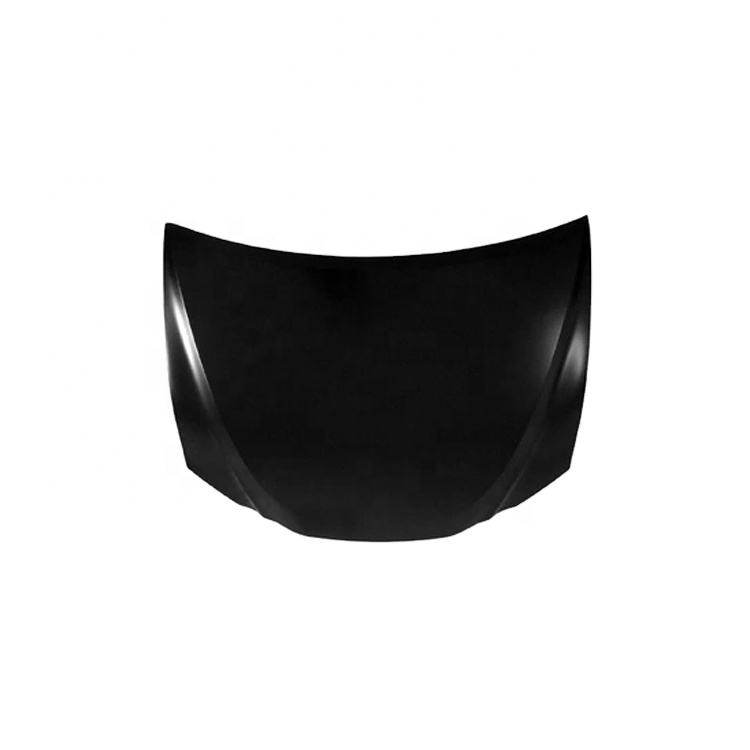
Conversely, steel remains the industry standard for durability due to its high tensile strength and yield strength. Steel engine hoods resist deep denting from road debris and minor collisions far better than aluminum. When damage does occur, steel is highly ductile, allowing technicians in standard body shops to perform traditional dent pulling, welding, and reshaping without specialized equipment. This ease of repair is a major advantage for urban utility fleets or construction vehicles that experience frequent minor impacts. To ensure these components perform reliably under field conditions, Danyang Wanjiang Auto Parts Co., Ltd. subjects its engine hoods to rigorous quality control protocols, including Visual Inspection, Dimensional Measurement (CMM), and Paint & Coating Testing.
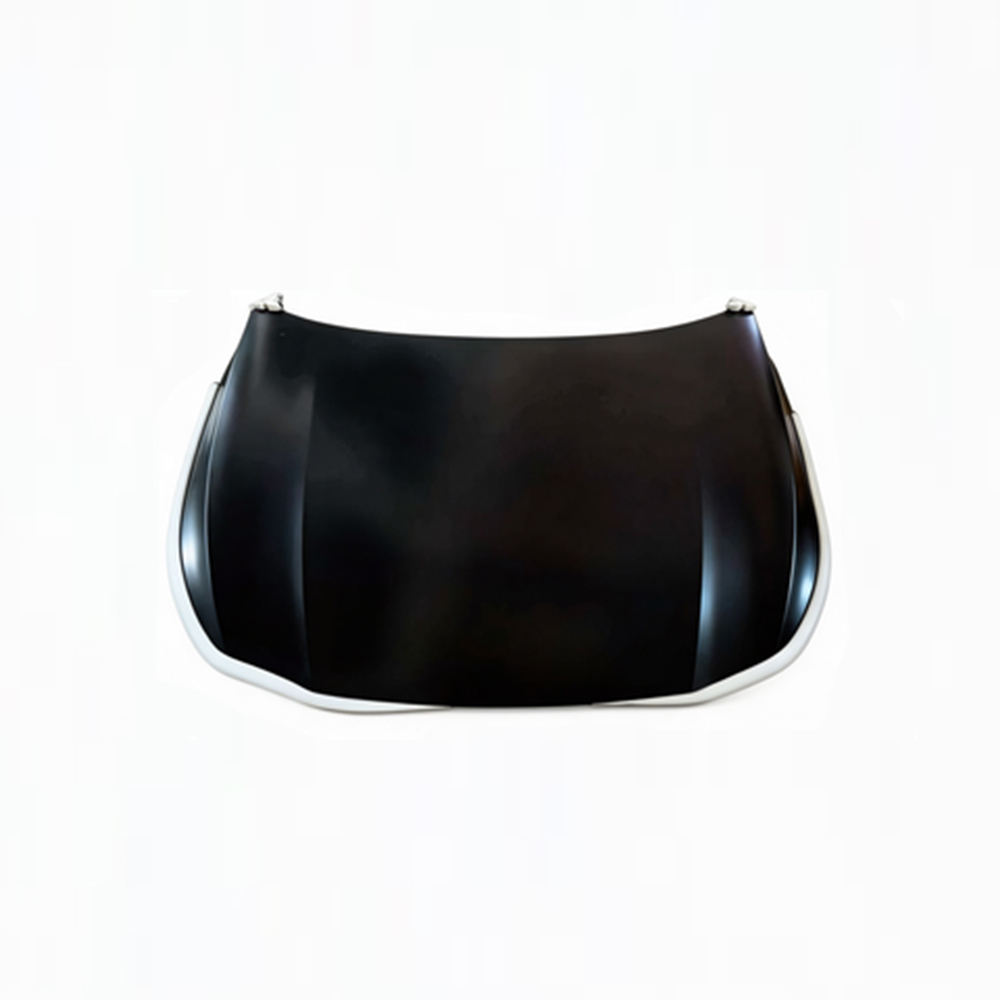
For international fleet operators, compliance with regional market regulations is mandatory. Replacement body parts must meet strict safety and environmental standards. Our components conform to necessary regulatory frameworks, holding certifications such as CE and EPR (EPR Number: DE1123252940071), ensuring smooth customs clearance and legal compliance across European and North American markets. By utilizing an advanced tooling database, manufacturers can guarantee that aftermarket hoods align perfectly with existing latch and hinge assemblies, preventing latch failures at highway speeds.
Data/Solution Comparison
The following table outlines the technical and operational differences between aluminum and steel engine hoods to assist fleet managers in their purchasing decisions:
| Operational Metric | Aluminum Engine Hoods | Steel Engine Hoods |
|---|---|---|
| Weight Profile | Lightweight (Approx. 40-50% lighter than steel) | Standard Heavy-Duty Weight |
| Impact & Dent Resistance | Medium (Prone to localized deformation) | High (Superior yield strength) |
| Corrosion Resistance | Excellent (Natural oxidation barrier) | Moderate (Requires E-coat & paint maintenance) |
| Repairability | Requires specialized aluminum welding | Standard body shop repair and welding |
| Best Application Scenario | Transit, long-haul, and fuel-conscious fleets | Urban delivery, utility, and heavy-duty fleets |
| Quality Inspection Applied | CMM, Paint & Coating Testing, Visual Inspection | CMM, Paint & Coating Testing, Visual Inspection |
| Minimum Order Quantity (MOQ) | 5 PCS | 5 PCS |
| Standard Delivery Time | 7 Days (For in-stock products) | 7 Days (For in-stock products) |
Frequently Asked Questions (FAQ)
Q1: How does weight reduction in aluminum engine hoods translate to fleet cost savings?
A1: Reducing the front-axle load directly lowers rolling resistance and improves fuel economy. Additionally, it decreases the rate of wear on tires, brake pads, and suspension components, lowering the overall cost-per-mile across the fleet lifecycle.
Q2: What quality standards must aftermarket engine hoods meet to ensure safe fleet operation?
A2: Replacement hoods must undergo Dimensional Measurement (CMM) to guarantee precise latch alignment, preventing hood release failures. They must also pass Paint & Coating Testing to ensure resistance to environmental degradation, alongside holding CE and EPR compliance for global market entry.
Q3: What are the shipping and lead time expectations for fleet-scale orders?
A3: For standard stock products, containers can be loaded and dispatched within 7 days. Multi-modal logistics solutions—including Sea Freight (FCL/LCL), Railway Transport, and Air Freight—ensure that parts reach collision repair centers quickly, minimizing fleet downtime.
Final Conclusion & Recommendations
Fleet operators prioritizing long-term fuel efficiency and operating in high-corrosion environments should opt for lightweight aluminum engine hoods. However, for operations where physical wear, frequent minor impacts, and upfront procurement costs are the primary concerns, steel engine hoods remain the most practical choice. Our integrated manufacturing ecosystem supports both stock wholesale and custom OEM/ODM development, utilizing secure payment options such as T/T, D/P, L/C, and Alipay. Comprehensive pre-delivery inspections with video or photo verification are standard to ensure zero-defect arrivals. For detailed technical solutions or support, please reach out to us via sales01@cnkebel.com.
About Us
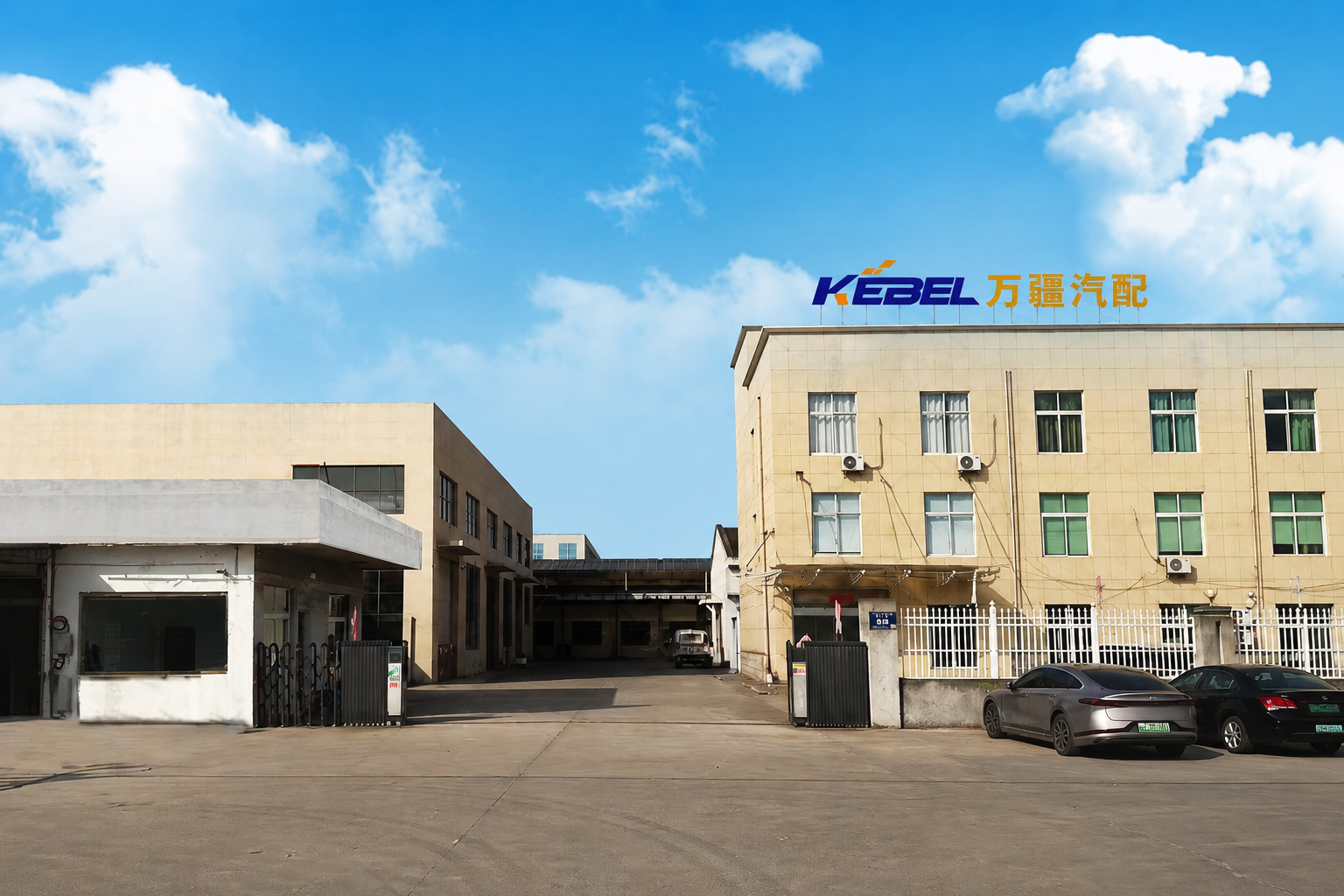
Danyang Wanjiang Auto Parts Co., Ltd. is a professional manufacturer and exporter of automotive body parts based in Danyang, Jiangsu Province. Established in 2023, the company operates a 10,000-square-meter factory with a dedicated team of 80 employees, leveraging 18 years of export and manufacturing experience to deliver high-quality automotive components. Specializing in car bumpers, grilles, headlights, engine hoods, and fenders, the enterprise exports 95% of its production to North American and European markets. The facility holds certifications such as CE (Number: HK0624090150C) and EPR (Number: DE1123252940071), serving international automotive aftermarket supply chains with high-precision, compliant components.

Lastest
-
Can you manufacture a front bumper based on our proprietary 3D CAD files?
2026-06-29 -
Can you provide the DOT and SAE certification documents for this rear bumper?
2026-06-29 -
How many production lines do you dedicate to making this bumper upper?
2026-06-29 -
Is there an online portal to track aftermarket support for the front bumper assembly?
2026-06-29 -
What is the standard production lead time for a container of engine hoods?
2026-06-29
SUBSCRIBE
INQUIRY