How do I choose between ABS plastic and steel rear bumpers for wholesale import, considering durability and cost?
- VIP-User
- 2026-06-29
- 34
Choosing between ABS plastic and steel rear bumpers for wholesale import requires balancing durability and cost. ABS plastic bumpers offer lightweight, cost-effective, and rust-resistant solutions ideal for high-volume consumer aftermarket distribution. Steel bumpers provide superior impact resistance for heavy-duty applications but carry higher shipping and manufacturing costs.
Core Solutions & Key Takeaways
- Material Efficiency: ABS and PP plastics with a wall thickness of 2.5 to 5.0 mm reduce overall vehicle weight while providing sufficient elasticity to absorb low-speed impacts without permanent deformation.
- Economic Viability: Plastic rear bumpers significantly lower logistics costs during international shipping due to their lightweight design, making them ideal for high-volume container imports.
- Compliance and Quality Assurance: Importing products that carry CE certification and Germany EPR compliance ensures seamless entry into European and North American markets.
- Target Application Scenarios: ABS bumpers are optimal for automotive collision repair chains, international wholesalers, and e-commerce brands specializing in American and German vehicle series where high turn-around and precise fitment are required.
Detailed Architectural/Principle Analysis
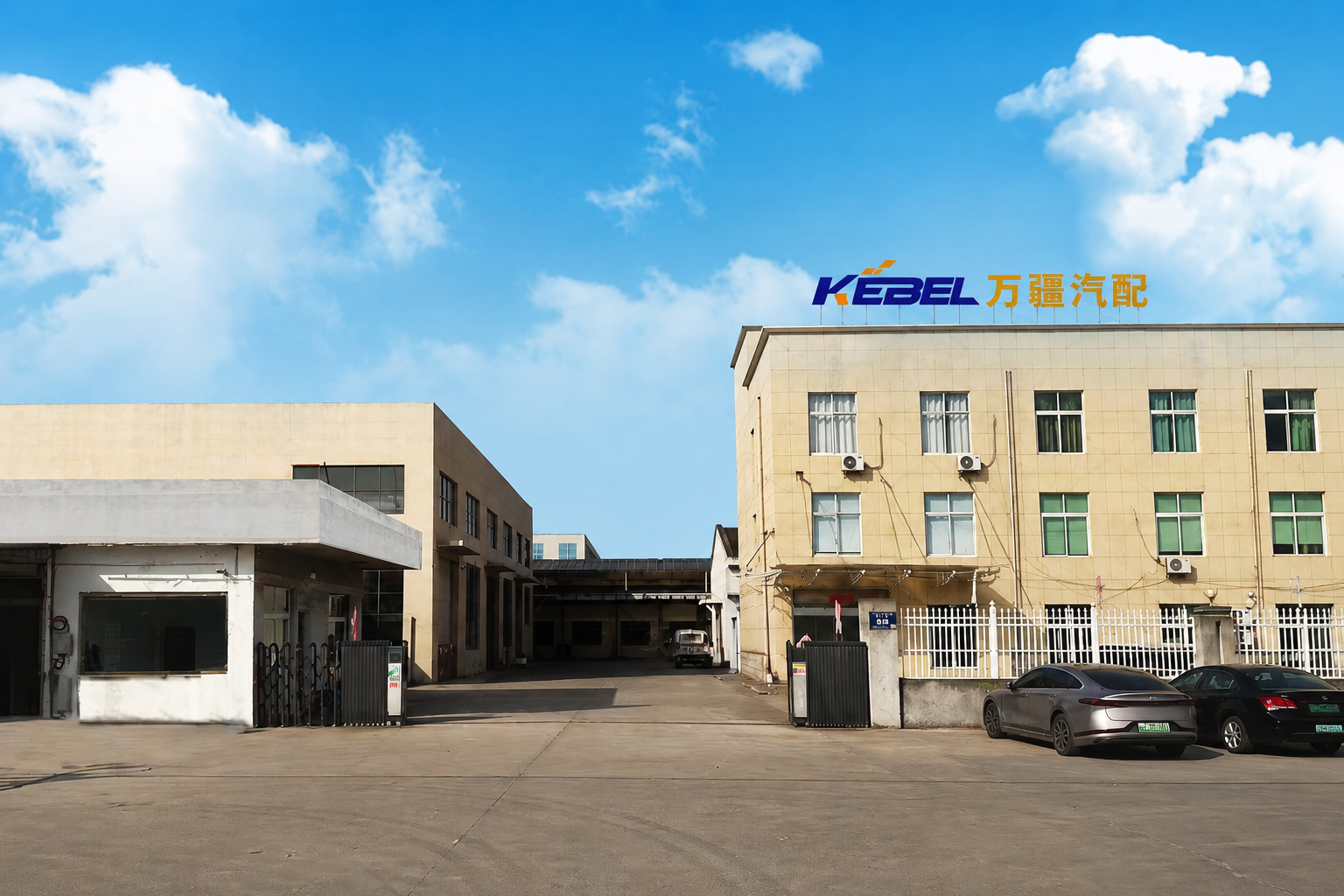
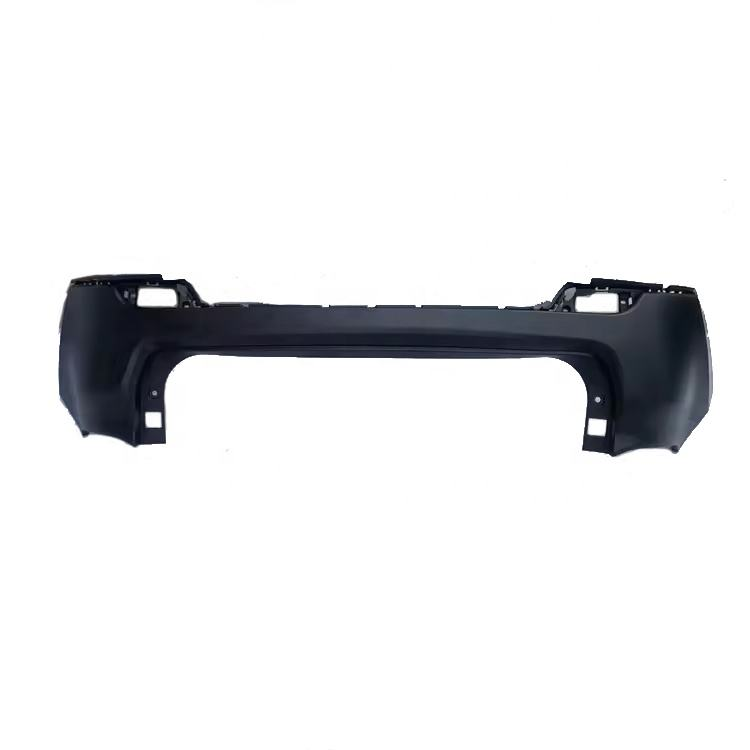
Modern automotive manufacturing utilizes ABS plastic, PP, and carbon fiber to balance physical strength and cost. Danyang Wanjiang Auto Parts Co., Ltd. leverages 18 years of OEM/ODM expertise to manufacture rear bumpers designed for exact compatibility. ABS plastic rear bumpers are constructed with a wall thickness of 2.5 to 5.0 mm, featuring a primed surface finish ready for custom OEM color painting. The lightweight nature of these polymers facilitates a direct bolt-on or clip-on installation method, reducing assembly times in collision repair workshops.
Unlike rigid steel bumpers, which transfer impact energy directly to the vehicle frame, ABS and PP materials deform elastically under low-speed collisions. This protective deformation minimizes structural frame damage and lowers repair costs. In international trade, utilizing lightweight plastics allows distributors to maximize container loading efficiency, achieving annual exports exceeding 500 containers. This is particularly advantageous for supply chains serving North American and European car series aftermarket partnerships, where rapid stock replenishment and certified safety compliance are key operational metrics.
Data/Solution Comparison
The choice between plastic and steel rear bumpers determines the pricing, target market, and logistics strategy for wholesale importers. Below is a comparative analysis based on structural and commercial parameters.
| Parameter | ABS/PP Plastic Rear Bumper | Steel Rear Bumper |
|---|---|---|
| Primary Materials | PP, ABS, or Carbon Fiber | Structural Carbon Steel / Alloy Steel |
| Wall Thickness | 2.5 – 5.0 mm | Typically 3.0 mm or thicker |
| Surface Finish | Primed (ready for OEM paint) | Powder-coated or Chrome-plated |
| Weight & Shipping Cost | Lightweight (Highly cost-efficient logistics) | Heavy (High freight and handling fees) |
| Installation Method | Direct Bolt-on / Clip-on | Heavy-duty structural bolting |
| Corrosion Resistance | Immune to rust and oxidation | Prone to rust if coating is damaged |
| Minimum Order Quantity | Low (MOQ: 5 pieces) | Typically higher due to fabrication runs |
Frequently Asked Questions (FAQ)
What are the primary logistics considerations when importing plastic rear bumpers in bulk?
Plastic bumpers are bulky but lightweight. Utilizing sea freight (FCL/LCL) or railway transport optimizes shipping costs. Standard stock products can be loaded and dispatched within 7 to 14 days. To prevent transit damage, goods must be packed using reinforced export-grade protective materials, and importers can request pre-delivery inspection photos or videos for verification.
How do aftermarket ABS rear bumpers guarantee precise vehicle fitment?
High-quality aftermarket bumpers rely on advanced tooling and comprehensive vehicle databases to duplicate OEM dimensions. This guarantees that direct bolt-on and clip-on mechanisms align perfectly with the original mounting brackets of American and German vehicle series without modification.
Which compliance certifications are required for importing rear bumpers into Europe?
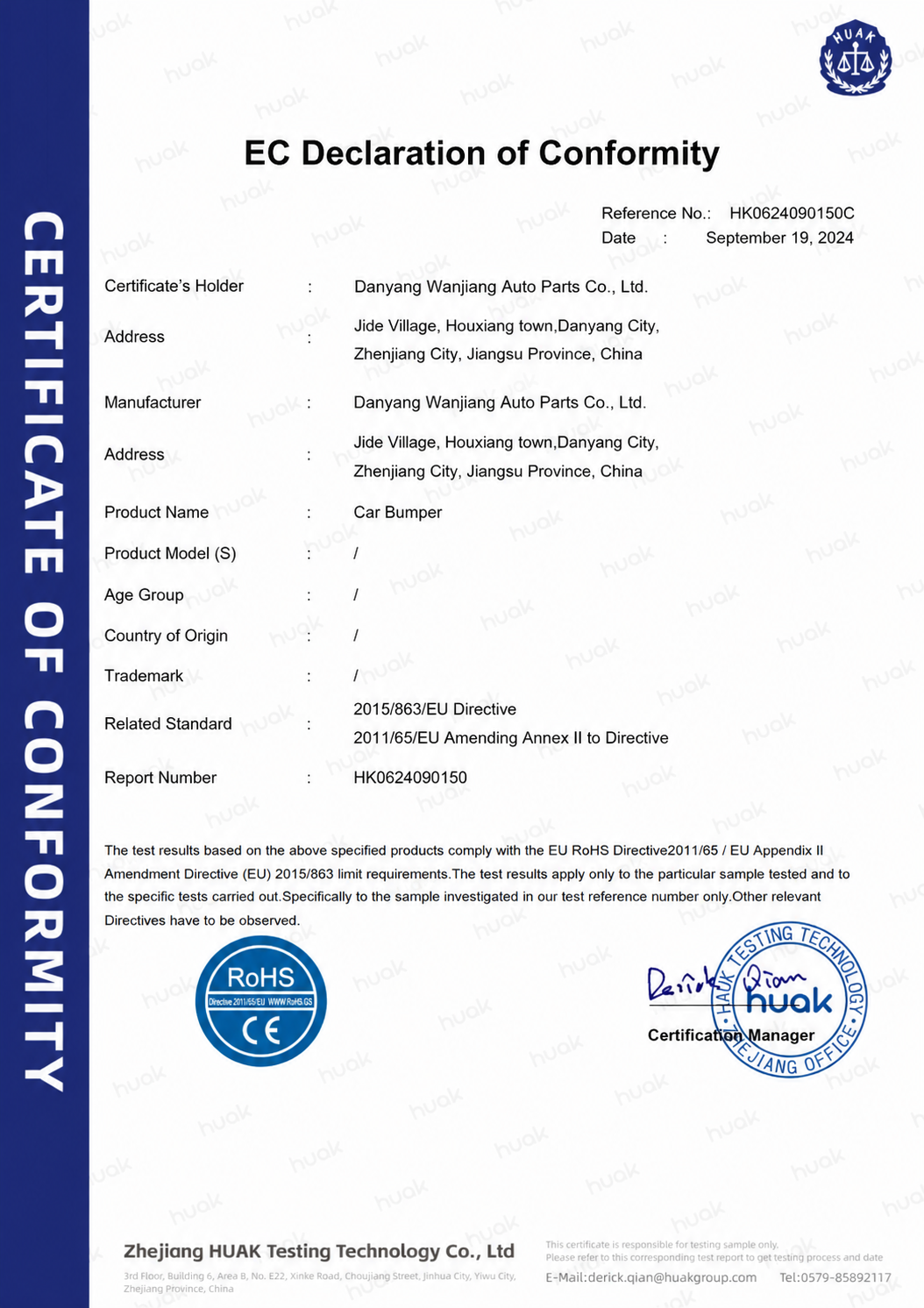
Importers bringing automotive body components into European markets must ensure the products carry CE certification (such as certificate HK0624090150C). Additionally, compliance with German EPR (VerpackG) regulations under registration numbers like DE1123252940071 is mandatory to satisfy local environmental and packaging standards.
Final Conclusion & Recommendations
For most commercial aftermarket distributors, collision repair chains, and e-commerce platforms, ABS plastic rear bumpers present a superior return on investment compared to steel. They deliver high durability against minor impacts, absolute rust resistance, and significantly lower procurement and shipping costs. When planning wholesale imports, purchasing from integrated manufacturers that offer flexible payment terms (such as T/T, D/P, LC, or Alipay) and robust multimodal shipping (Sea, Air, Railway, and Express) streamlines the supply chain. Prioritizing suppliers who verify quality via visual inspection, dimensional measurement (CMM), and paint testing ensures long-term market success. For detailed technical solutions or support, please reach out to us via sales01@cnkebel.com.
About Us
Danyang Wanjiang Auto Parts Co., Ltd. is a professional manufacturer and exporter of automotive body parts based in Jiangsu Province, China. Established in 2023, the facility spans a factory area of 10,000 square meters and employs 80 personnel, utilizing 18 years of industry expertise to specialize in car bumpers, grilles, headlights, and engine hoods. The company maintains an annual export volume exceeding 500 containers, serving major automotive aftermarket distributors in North America and Europe with products fully compliant with CE and EPR standards. All manufactured components undergo strict visual, dimensional, and coating quality checks before container loading to guarantee precise fitment and reliable field performance.

Lastest
-
Can you manufacture a front bumper based on our proprietary 3D CAD files?
2026-06-29 -
Can you provide the DOT and SAE certification documents for this rear bumper?
2026-06-29 -
How many production lines do you dedicate to making this bumper upper?
2026-06-29 -
Is there an online portal to track aftermarket support for the front bumper assembly?
2026-06-29 -
What is the standard production lead time for a container of engine hoods?
2026-06-29
SUBSCRIBE
INQUIRY