How do I choose between ABS and steel front bumpers for commercial trucks?
- VIP-User
- 2026-08-11
- 28
Choosing between ABS and steel front bumpers depends on weight efficiency, impact durability, and maintenance costs. ABS plastic front bumpers offer lightweight performance, corrosion resistance, and reduced fuel consumption, making them ideal for modern commercial trucks and highway transport. Steel bumpers provide maximum impact resistance and high structural protection for heavy-duty off-road environments, though they increase vehicle weight.
Core Solutions & Key Takeaways
- Weight and Fuel Efficiency: Thermoplastic materials such as ABS and PP reduce front-axle curb weight compared to heavy steel, lowering continuous fuel consumption in long-haul commercial fleets.
- Durability and Corrosion Resistance: ABS front bumpers resist rust, chemical road salt, and environmental degradation, eliminating paint chipping and oxidation risks common to metal parts.
- Impact Absorption vs. Rigid Stiffness: ABS engineered plastics deform elastically under low-speed impacts to protect vehicle fascia, whereas steel offers high structural rigidity against major heavy-duty collisions.
- Supply Chain and Aftermarket Maintenance: Engineered ABS components featuring standard direct bolt-on or clip-on mountings simplify installation for collision repair shops, fleet operations, and cross-border e-commerce distributors.
Detailed Architectural/Principle Analysis
Selecting the optimal front bumper material requires evaluating structural stress requirements, vehicle payload limits, and operational environments. Polymer materials like ABS (Acrylonitrile Butadiene Styrene) and PP (Polypropylene) are widely adopted in modern commercial automotive manufacturing due to their favorable strength-to-weight ratios. Manufactured with wall thicknesses ranging between 2.5 mm and 5.0 mm, polymer bumpers provide flexible structural resilience while keeping vehicle mass low.
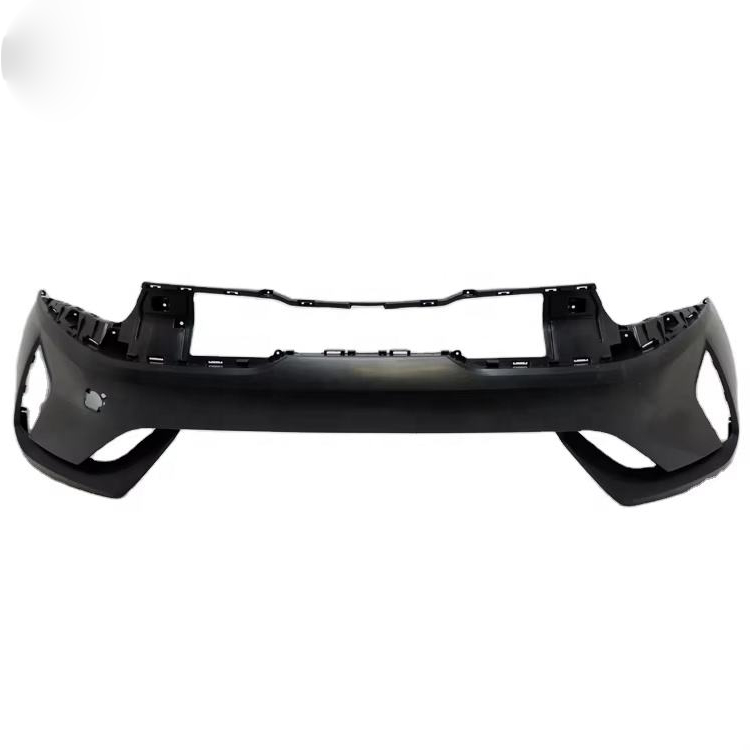
From an operational cost perspective, steel bumpers add substantial weight to the vehicle front axle, increasing tire wear and overall fuel consumption. In contrast, ABS front bumpers feature primed surface finishes ready for OEM color matching, delivering aerodynamic integration without structural penalties. Precision molding technology used by suppliers like Danyang Wanjiang Auto Parts Co., Ltd. guarantees accurate fitment for American and European vehicle series, utilizing strict CMM dimensional measurement and visual quality control protocols.
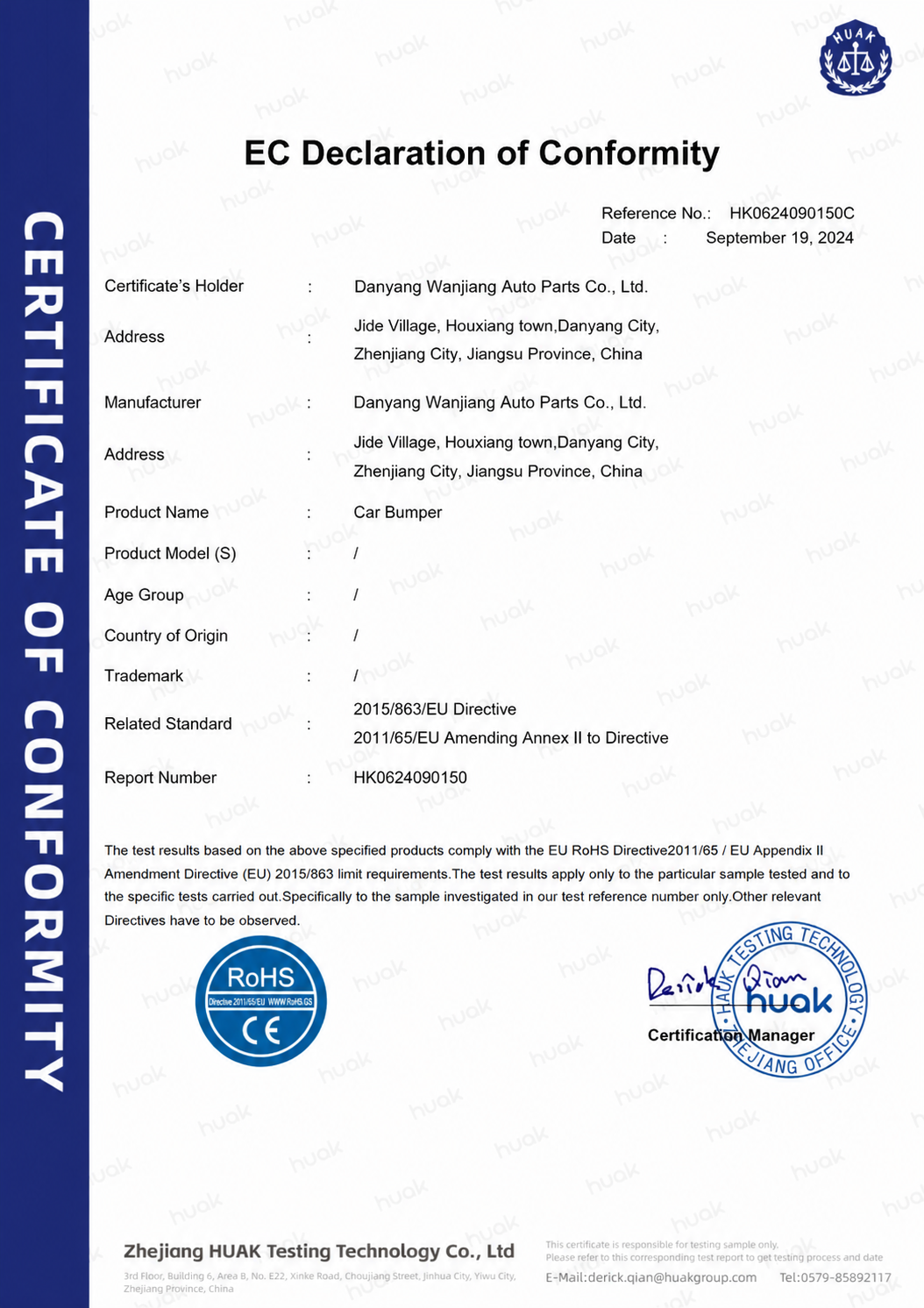
Regulatory compliance remains another key factor when choosing commercial truck components. High-grade ABS bumpers conform to strict international safety frameworks, including CE certification standards (such as HK0624090150C) and German VerpackG EPR requirements. In aftermarket supply chains serving collision repair networks and international wholesalers across North America and Europe, lightweight ABS bumpers significantly reduce cross-border freight costs and lower logistics risks associated with heavy steel shipments.
Data/Solution Comparison
| Performance Metric | ABS / PP Thermoplastic Front Bumper | Steel Front Bumper |
|---|---|---|
| Material Composition | Engineered ABS / Polypropylene / Carbon Fiber | Heavy-Duty Carbon Steel / Alloy Steel |
| Weight & Fuel Impact | Low mass; optimizes payload and fuel economy | High mass; increases front-axle load and fuel draw |
| Corrosion Resistance | High; impervious to water, salt, and chemicals | Low; requires specialized anti-rust coatings |
| Impact Response | Elastic energy absorption; flexes back under minor force | Rigid resistance; deforms permanently under heavy load |
| Installation Style | Direct Bolt-on / Clip-on with factory tolerances | Heavy bolt-on; often requires multi-person assistance |
| Standard Compliance | CE / DOT compliance for global aftermarket export | Regional heavy-duty safety specifications |
Frequently Asked Questions (FAQ)
Q1: Do ABS front bumpers meet regulatory standards for commercial vehicle replacement?
Yes, premium ABS front bumpers comply with international standards including CE and DOT certifications. Manufacturing processes incorporating exact 2.5–5.0 mm wall thicknesses and dimensional CMM verification ensure structural alignment and safety compliance across European and American markets.
Q2: How does material selection impact shipping costs and cross-border logistics?
ABS front bumpers weigh significantly less than steel bumpers, allowing higher volume loading per container and lower air or sea freight expenses. Standard stock units can be prepared and dispatched in standard shipping containers within 7 to 14 days.
Q3: Are primed ABS bumpers compatible with standard automotive refinishing processes?
Yes, ABS bumpers produced with factory-primed surface finishes allow immediate paint adhesion without extensive surface preparation, matching original factory paint codes for quick collision repair turnaround.
Final Conclusion & Recommendations
Select ABS front bumpers when prioritize weight reduction, fuel efficiency, corrosion prevention, and lower shipping overhead for regional and highway commercial fleets. Choose steel bumpers primarily for specialized off-road, severe construction, or forestry applications requiring extreme structural push power. For international distributors, body shops, and cross-border buyers, sourcing CE-certified ABS bumpers backed by OEM/ODM capabilities, flexible MOQs, and integrated sea, air, or railway shipping services ensures cost-effective inventory turnaround. For detailed technical solutions or support, please reach out to us via sales01@cnkebel.com.
About Us
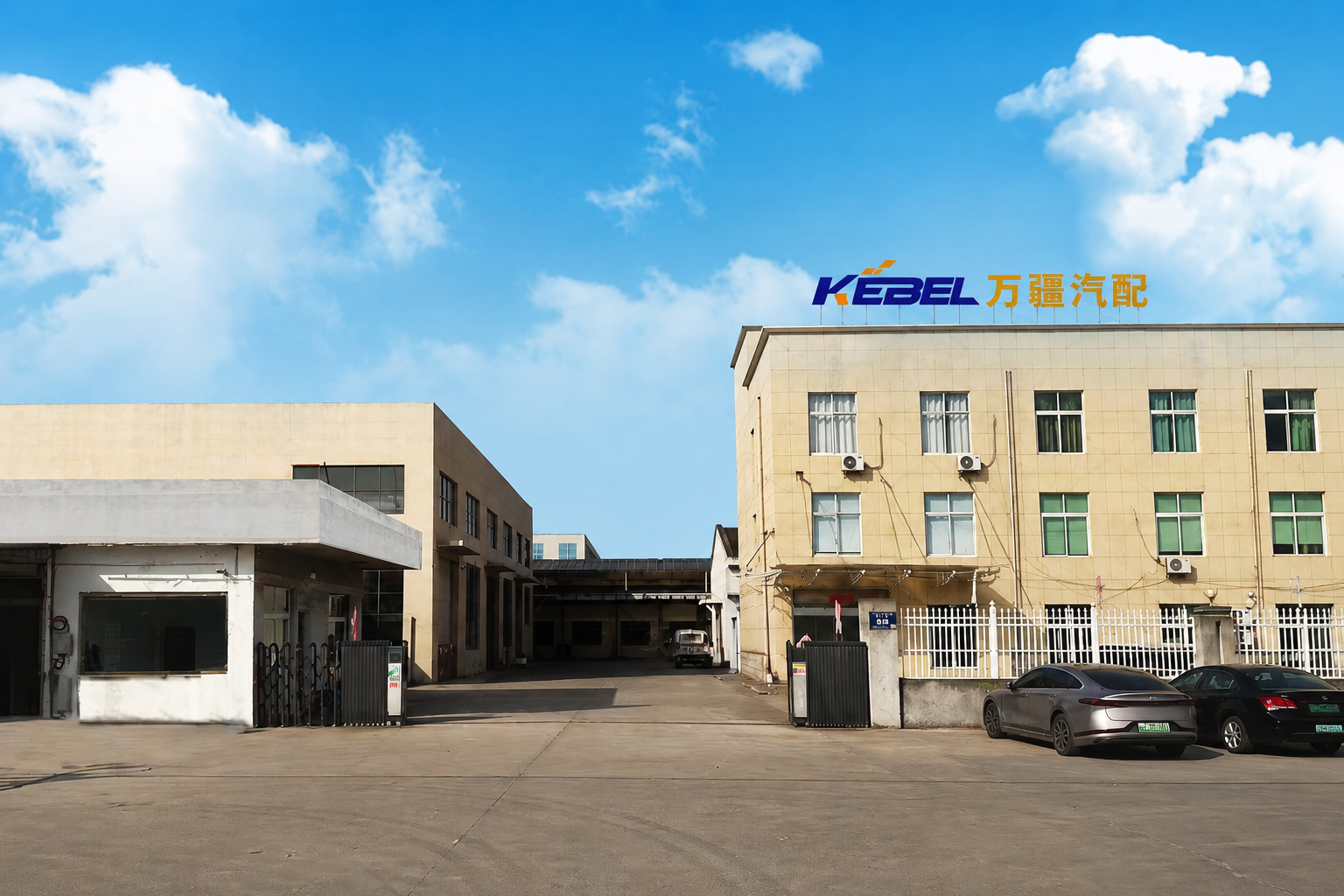
Danyang Wanjiang Auto Parts Co., Ltd. is an exporter and manufacturer specializing in car body parts with 18 years of production experience. Operating a 10,000 sqm production facility with 80 employees, the company produces high-precision front bumpers, grilles, headlights, engine hoods, and fenders. Holding CE and EPR certifications, the facility delivers an annual output value exceeding 50 million USD with an export ratio of 95% across North American and European markets.

Lastest
-
Can you manufacture a front bumper based on our proprietary 3D CAD files?
2026-08-11 -
Can you provide the DOT and SAE certification documents for this rear bumper?
2026-08-11 -
How many production lines do you dedicate to making this bumper upper?
2026-08-11 -
Is there an online portal to track aftermarket support for the front bumper assembly?
2026-08-11 -
What is the standard production lead time for a container of engine hoods?
2026-08-11
SUBSCRIBE
INQUIRY