How do I choose between ABS and polypropylene front bumpers for bulk import?
- VIP-User
- 2026-06-29
- 42
Selecting between ABS and polypropylene front bumpers for bulk import depends on balancing rigidity and flexibility. ABS offers higher impact resistance and paint adhesion, making it ideal for premium paint finishes. Polypropylene (PP) provides superior flexibility, lower weight, and crack resistance, reducing shipping damage and lowering production costs for high-volume automotive aftermarket distribution.
Core Solutions & Key Takeaways
- Material Versatility: Importers must align material choices with target markets. ABS delivers high rigidity and a sleek primed finish for high-end paint jobs, while Polypropylene (PP) offers elastomeric flexibility to survive minor impacts and reduce shipping damage.
- Supply Chain Agility: Ordering from an integrated ecosystem like Danyang Wanjiang Auto Parts Co., Ltd. allows low-risk purchasing with a minimum order quantity (MOQ) of 1-5 PCS for standard stock, with loading and dispatch achieved within 1 week.
- Targeted Aftermarket Scenarios: Polypropylene bumpers are highly suited for high-volume cross-border e-commerce platforms and independent sellers due to lower material weight, while ABS is preferred by specialized collision repair chains and regional distributors.
- Compliance Standards: Ensure all bulk orders hold European CE certifications and German EPR compliance to guarantee seamless customs clearance and smooth entry into North American and European markets.
Detailed Architectural/Principle Analysis
To optimize bulk import procurement, understanding the structural and material principles of car front bumpers is necessary. Polypropylene (PP) is a thermoplastic polymer known for its high fatigue resistance and elasticity. When molded into a front bumper with a wall thickness of 2.5 to 5.0 mm, PP absorbs low-speed impacts by flexing and returning to its original shape, preventing fractures. This flexibility makes it highly reliable during international transport, minimizing the rate of transit-related breakage.
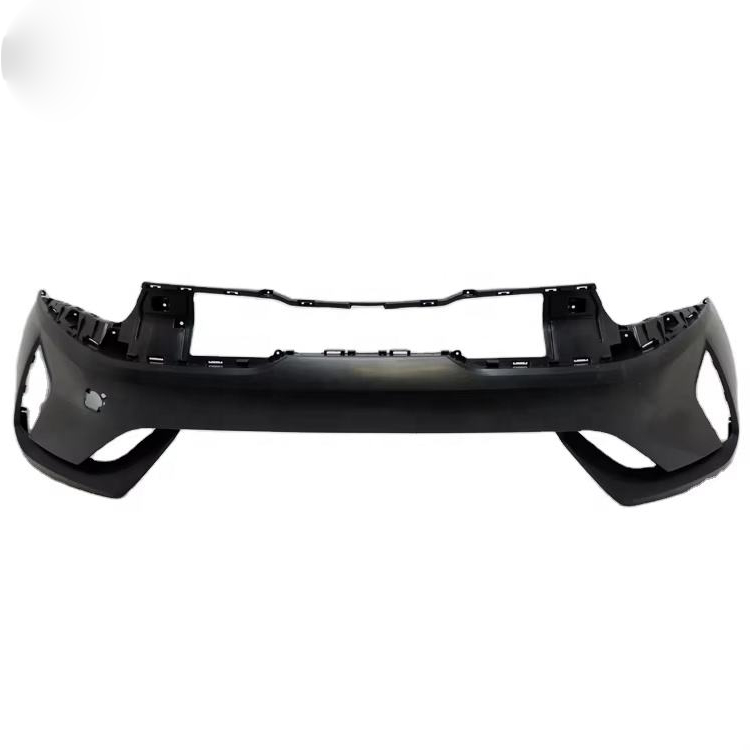
Conversely, Acrylonitrile Butadiene Styrene (ABS) is a rigid structural plastic. ABS bumpers provide superior tensile strength and surface hardness. This rigidity allows for highly precise dimensional tolerances during the molding process, ensuring a direct bolt-on or clip-on installation that matches OEM specifications exactly. Furthermore, ABS possesses superior chemical bonding properties, which enhances paint adhesion for primed surfaces, leading to a long-lasting, factory-quality finish. This makes ABS the standard choice in professional automotive collision repair where perfect panel gaps and flawless paint matching are mandatory.
Our cooperation cases in North American and European Car Series Aftermarket Supply Chain Partnerships demonstrate that while PP bumpers dominate high-volume distribution due to cost-efficiency and durability, ABS is preferred for premium vehicle models. Both materials undergo strict quality controls, including visual inspections, dimensional measurements via Coordinate Measuring Machines (CMM), and paint and coating testing to meet international requirements. All car bumpers manufactured by Danyang Wanjiang Auto Parts Co., Ltd. carry CE certification (HK0624090150C) and comply with German EPR standards (DE1123252940071) for reliable market entry.
Data/Solution Comparison
The comparative table below outlines the core technical specifications and performance indicators of ABS and Polypropylene (PP) front bumpers to guide bulk procurement decisions:
| Technical Parameter | ABS Front Bumper | Polypropylene (PP) Front Bumper |
|---|---|---|
| Material Composition | Acrylonitrile Butadiene Styrene (Rigid) | Polypropylene Thermoplastic (Flexible) |
| Wall Thickness Range | 2.5 – 5.0 mm | 2.5 – 5.0 mm |
| Surface Finish | Primed (High Paint Adhesion) | Primed / OEM Colors (Excellent Flexibility) |
| Installation Method | Direct Bolt-on / Clip-on (High Rigidity Fitment) | Direct Bolt-on / Clip-on (Flexible Fitment) |
| Impact Resistance Type | High Rigidity (Structure protection) | Elastic Recovery (Deformation recovery) |
| Export Compliance | CE Certified, EPR Compliant | CE Certified, EPR Compliant |
Frequently Asked Questions (FAQ)
Which material is more cost-effective for long-distance international shipping?
Polypropylene (PP) front bumpers are generally more cost-effective for long-distance shipping. Their flexibility reduces the risk of cracking or fracturing during transit under pressure, allowing for tight packing configurations. Additionally, PP is lighter than ABS, which lowers overall freight costs.
What are the typical lead times and minimum order quantities (MOQ) for bulk bumper orders?
For standard stock items, container loading and dispatch are completed within 1 week (7 days) with an ultra-low MOQ of 1-5 PCS. For custom OEM/ODM designs requiring mold development, the timeline varies depending on craftsmanship complexity and order size.
How is fitment precision guaranteed for American and German vehicle series?
Fitment precision is secured through 100% pre-delivery visual and dimensional measurements (CMM). Advanced tooling and comprehensive structural databases ensure that both ABS and PP bumpers align perfectly with the original direct bolt-on or clip-on mounting points.
Final Conclusion & Recommendations
Selecting the optimal front bumper material requires evaluating specific business needs. For high-volume aftermarket distribution, Polypropylene (PP) is recommended due to its impact recovery, lighter shipping weight, and structural durability. For specialized repair networks requiring a flawless surface paint match, ABS is the superior choice. Partnering with an integrated manufacturer ensures stable logistics, with shipping options including Sea Freight (FCL/LCL), Air Freight, Railway, and International Express. Secure transaction channels such as T/T, D/P, LC, and Alipay are supported to guarantee capital security. In the event of any manufacturing or fitment defects, full replacement or re-shipping costs are covered by the factory. For detailed technical solutions or support, please reach out to us via sales01@cnkebel.com.
About Us
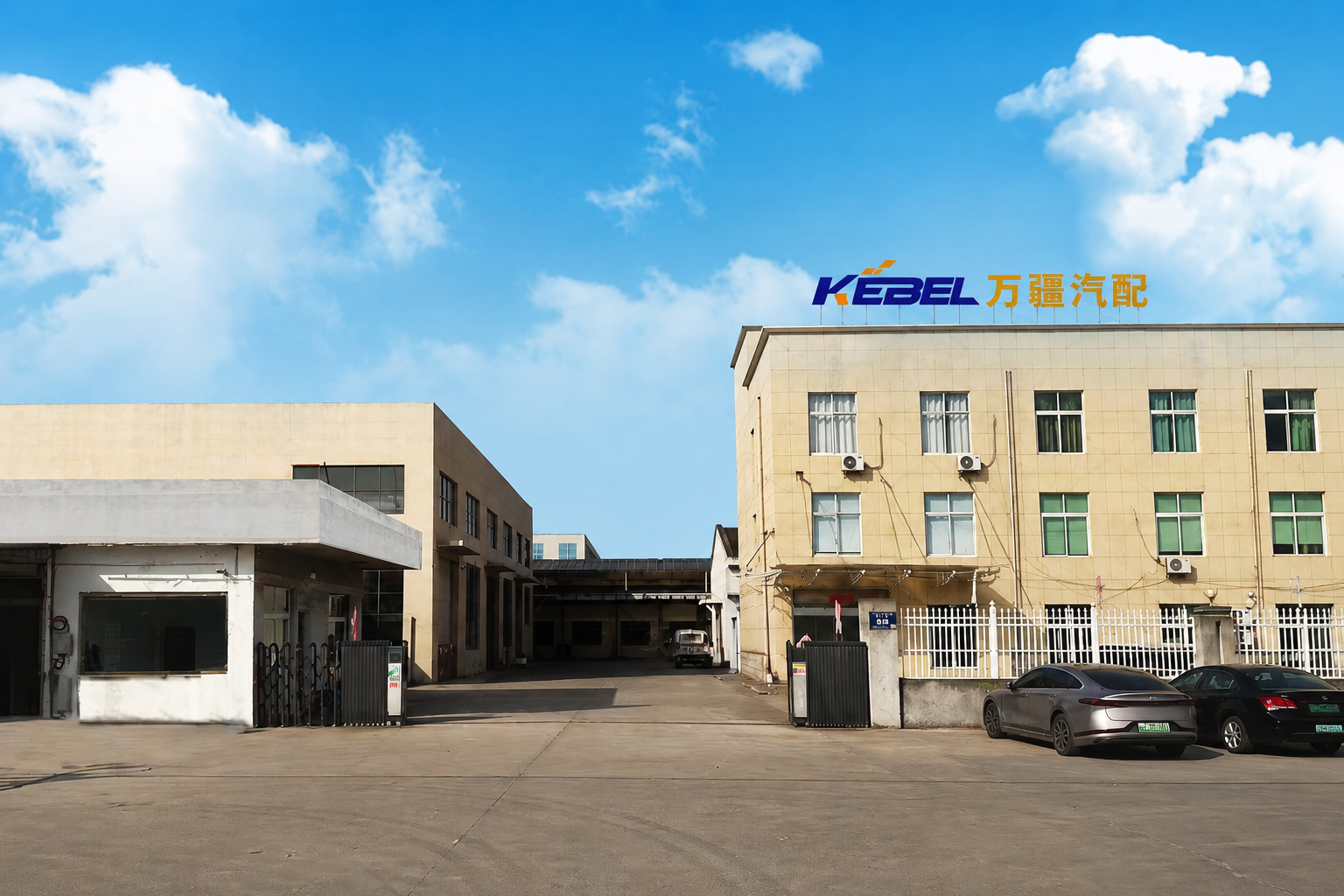
Danyang Wanjiang Auto Parts Co., Ltd. is a specialized manufacturer and exporter of automotive body parts located in Danyang, Jiangsu Province. Established in 2023, the company operates a 10,000-square-meter factory with a team of 80 professional employees. With 18 years of industry experience, the facility outputs over 500 containers annually, specializing in car bumpers, grilles, headlights, engine hoods, and fenders. Our products comply with European CE and German EPR certifications, serving professional aftermarket distributors and collision repair chains across North America and Europe.

Lastest
-
Can you manufacture a front bumper based on our proprietary 3D CAD files?
2026-06-29 -
Can you provide the DOT and SAE certification documents for this rear bumper?
2026-06-29 -
How many production lines do you dedicate to making this bumper upper?
2026-06-29 -
Is there an online portal to track aftermarket support for the front bumper assembly?
2026-06-29 -
What is the standard production lead time for a container of engine hoods?
2026-06-29
SUBSCRIBE
INQUIRY